24 stories matching “Wageningen”.
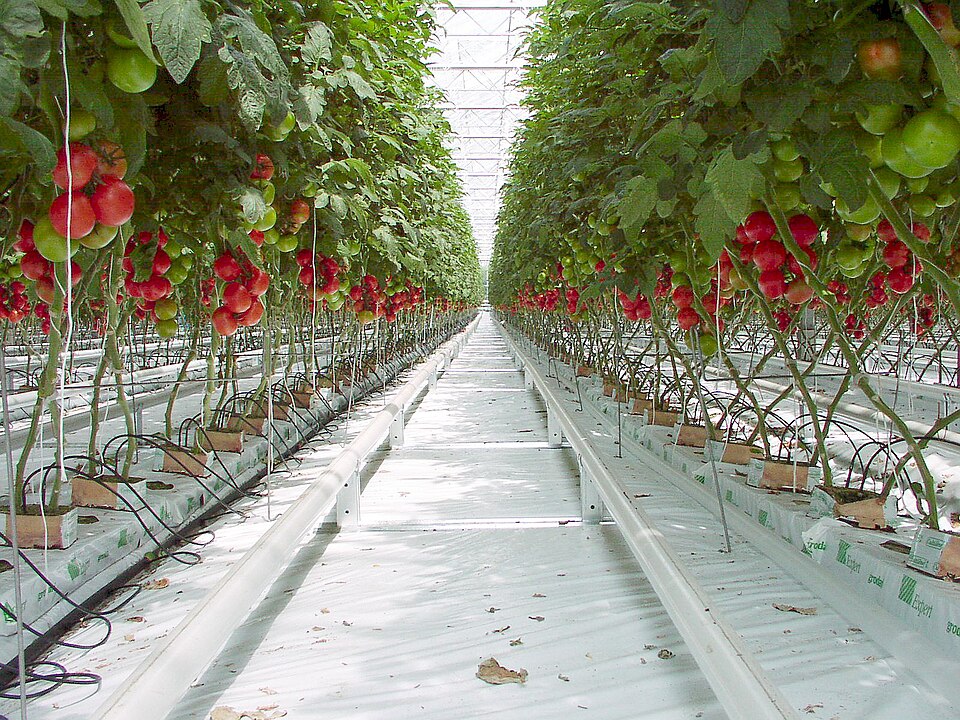
Team AuTomatoes won the second Autonomous Greenhouse Challenge in 2020, with the competition assessing cultivation results, resource use and the robustness of AI strategies for remotely managed cherry tomatoes.
Source Wageningen University & Research
Team Bagua, supported by researchers at the Autonomous University of Barcelona, won the 2020 Urban Greenhouse Challenge with a design combining urban food production, circular resource use and social functions in China.
Source Autonomous University of Barcelona

Eight partners from Germany, France and the Netherlands signed a cooperation agreement to advance agricultural robotics, linking research and industry around autonomous cultivation, harvesting and machinery safety.
Source Leibniz Institute for Agricultural Engineering and Bioeconomy (ATB)
A final report documents how a pan-European network brought research groups, businesses and innovation hubs together to help agricultural and food-sector robotics move from technical ideas towards practical applications.
Source Wageningen University & Research
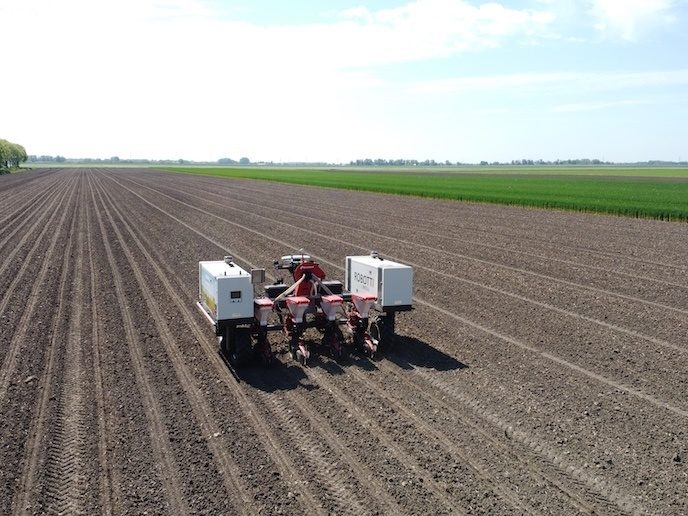
The completed European project reported a robotic crop-care system that combines vehicles, implements and supervisory software, with field pilots examining both operational performance and barriers to adoption.
Source European Commission — CORDIS
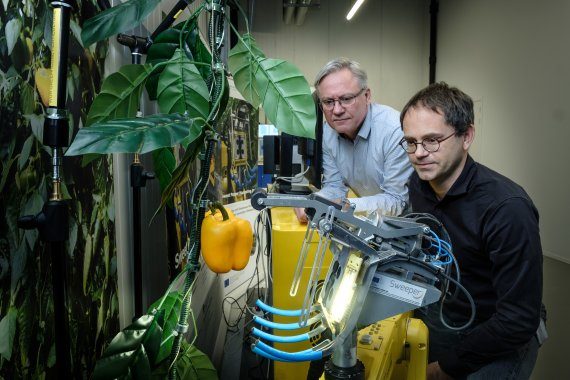
A Wageningen report on the European harvesting robot documented faster pepper picking while highlighting the continuing limits imposed by cycle time, foliage, clustered fruit and access within greenhouse rows.
Source Resource — Wageningen University & Research
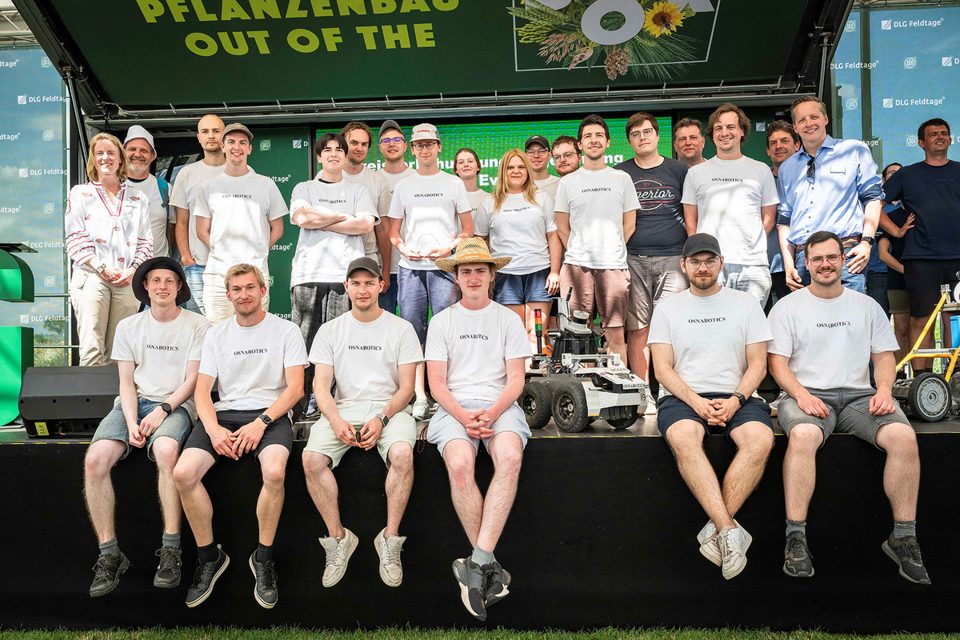
A joint team from Osnabrück’s two universities retained the Field Robot Event title in 2026, combining autonomous maize-row navigation with plant-health recognition, biodiversity tasks and targeted soil treatment.
Source Hochschule Osnabrück
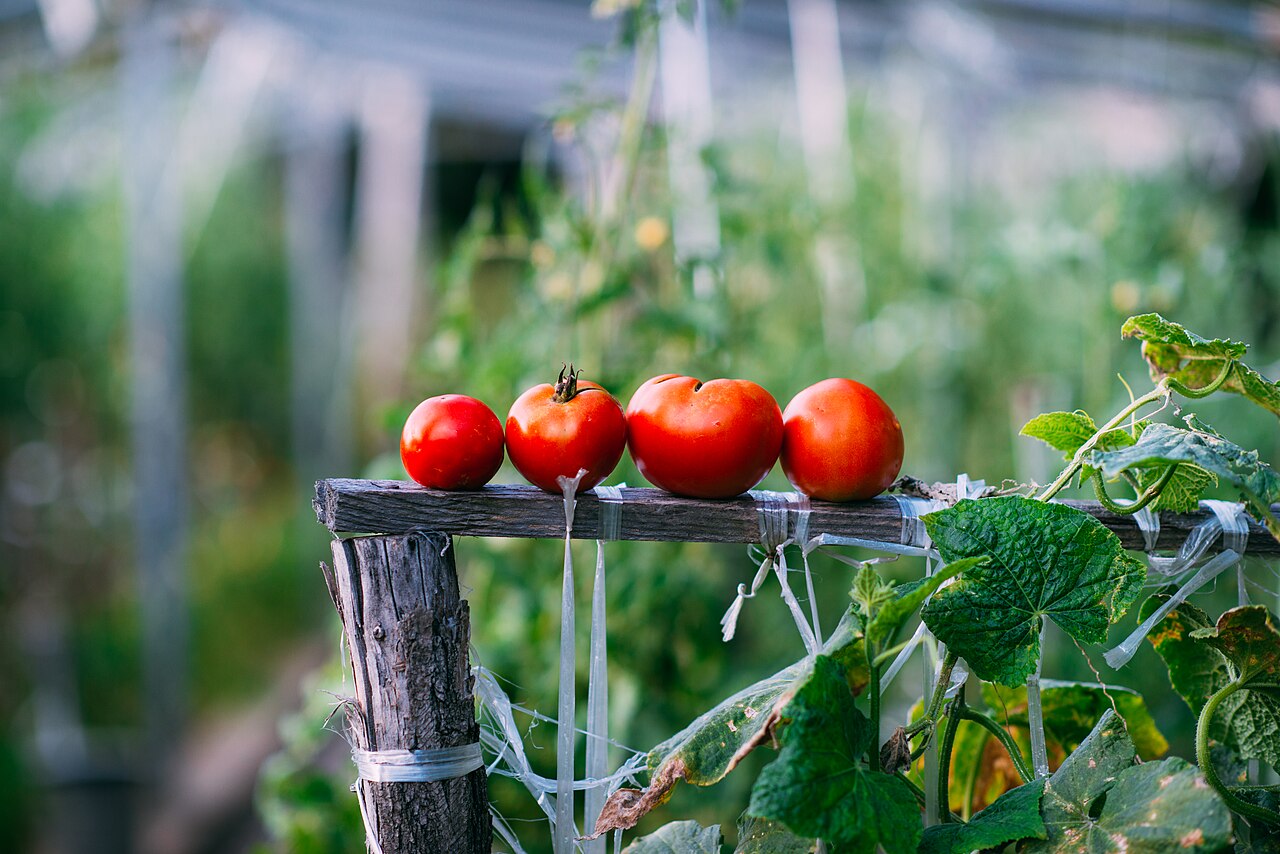
Measured plant models and synthetic vision data are helping researchers compare robot designs in a greenhouse environment that can be reset.
Source Wageningen University & Research
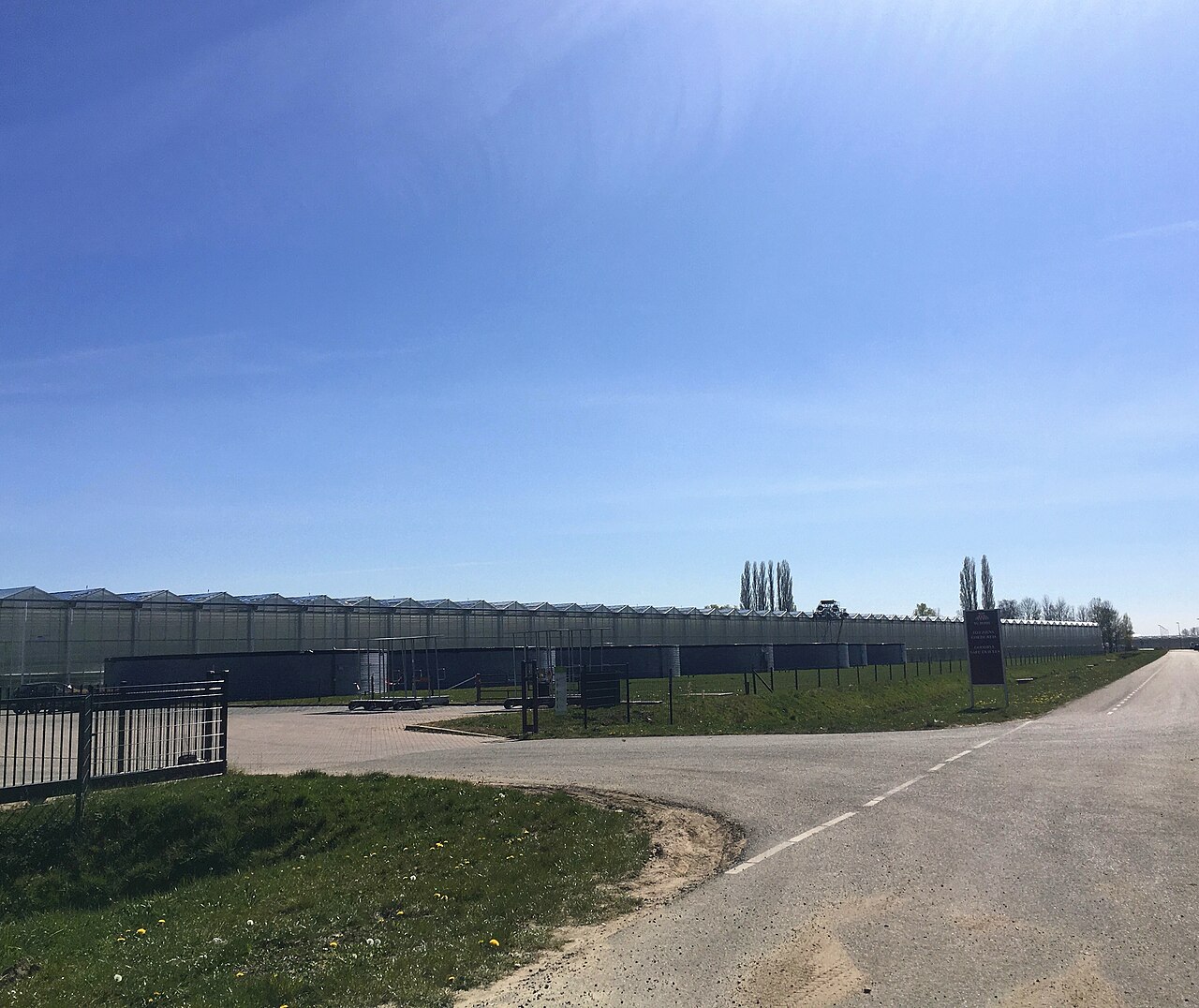
Greenhouse in Transition brings universities and industry together to rethink growing systems and their connections with nearby farms, homes and industrial sites.
Source Wageningen University & Research
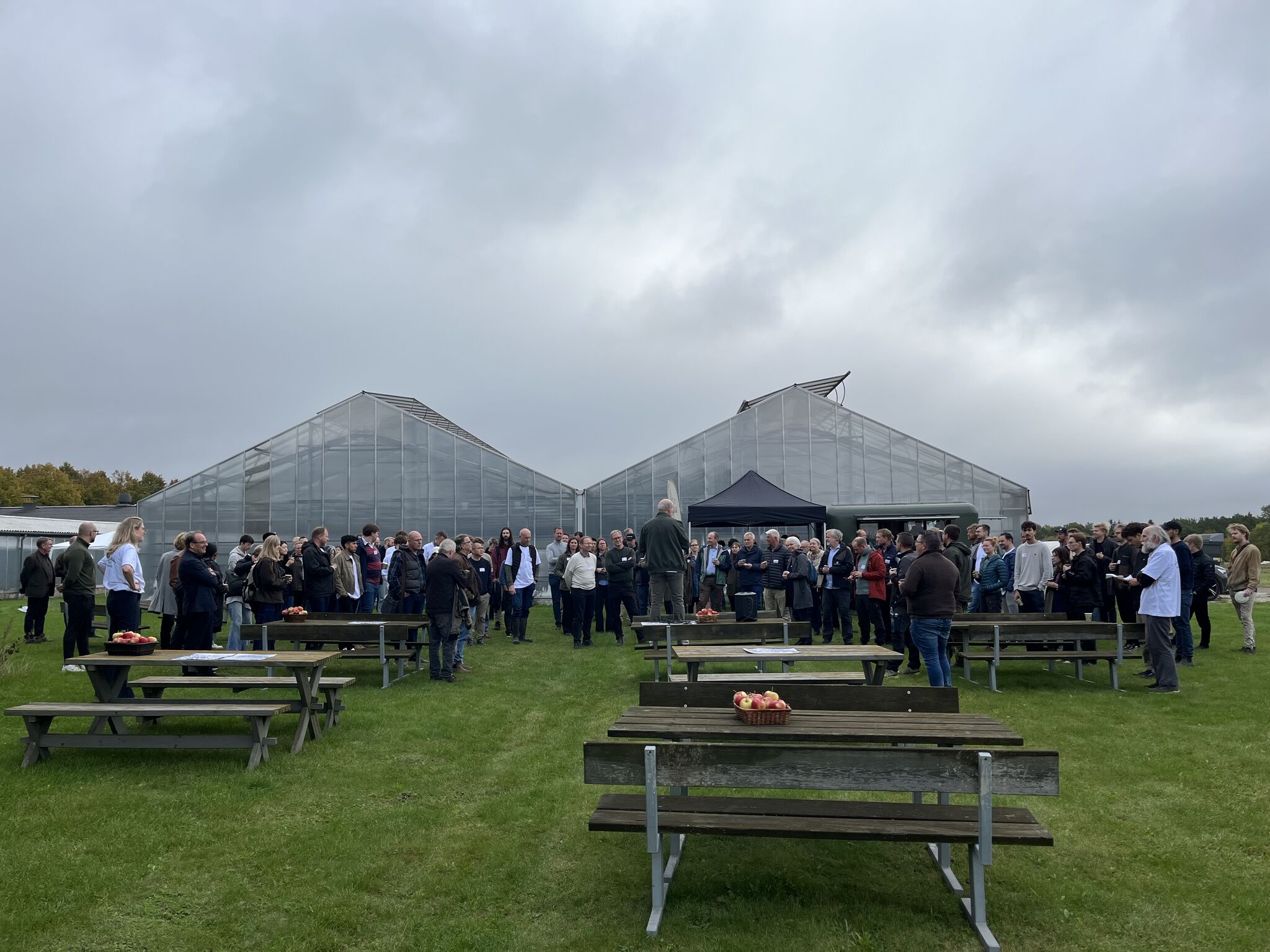
The RIC consortium reports more than 170 participants at its first field day, connecting diversified cropping systems with robotics research.
Source RIC – Robotic InterCropping
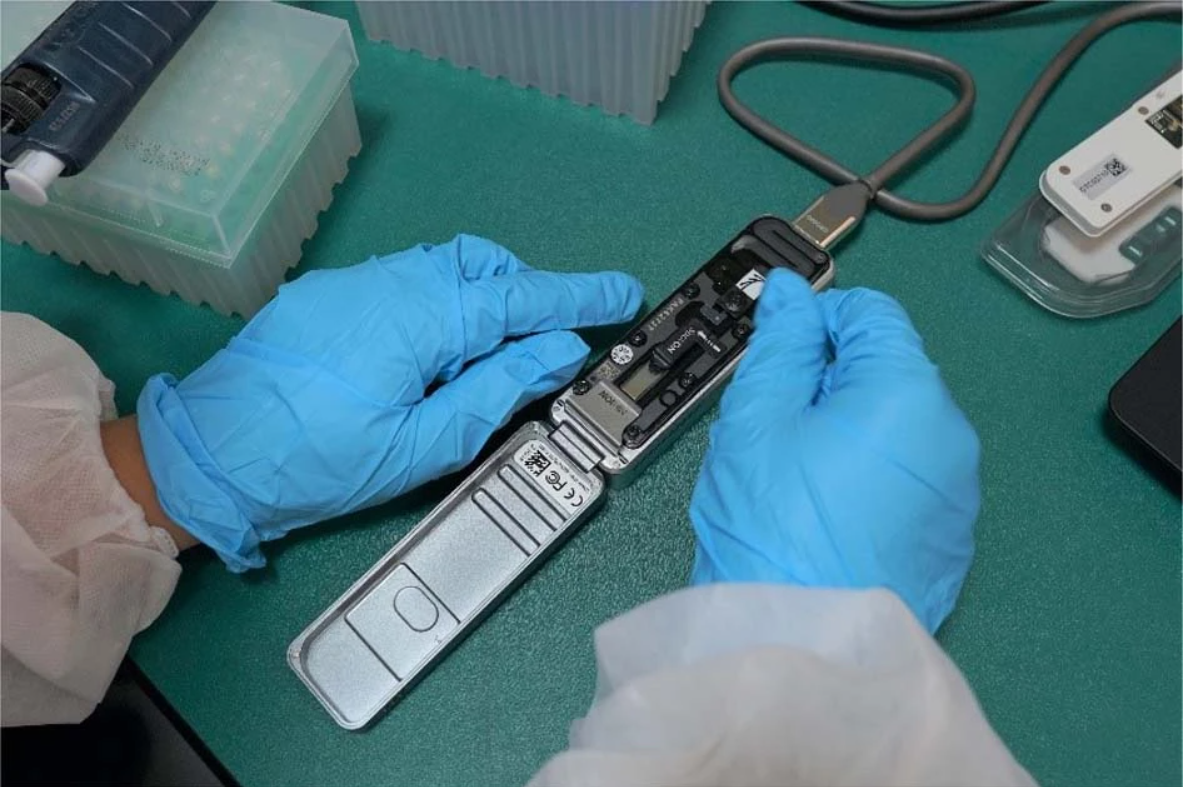
Curtin researchers are testing an approach to track fungicide-resistance mutations in grain pathogens, with partners across Australia and Europe.
Source Curtin University
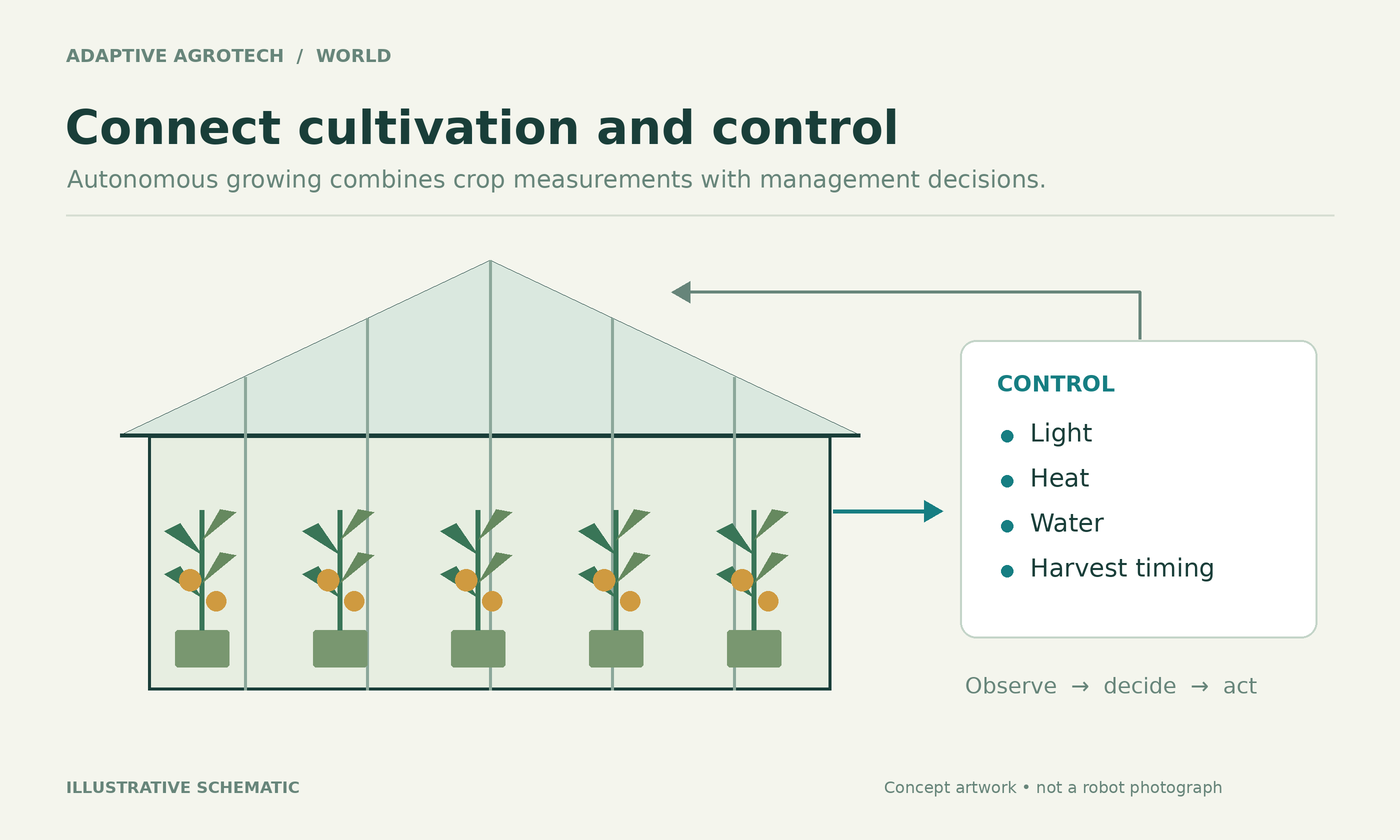
Historical example: Team IDEAS led a dwarf-tomato cultivation competition that evaluated production outcomes alongside operating costs.
Source Wageningen University & Research