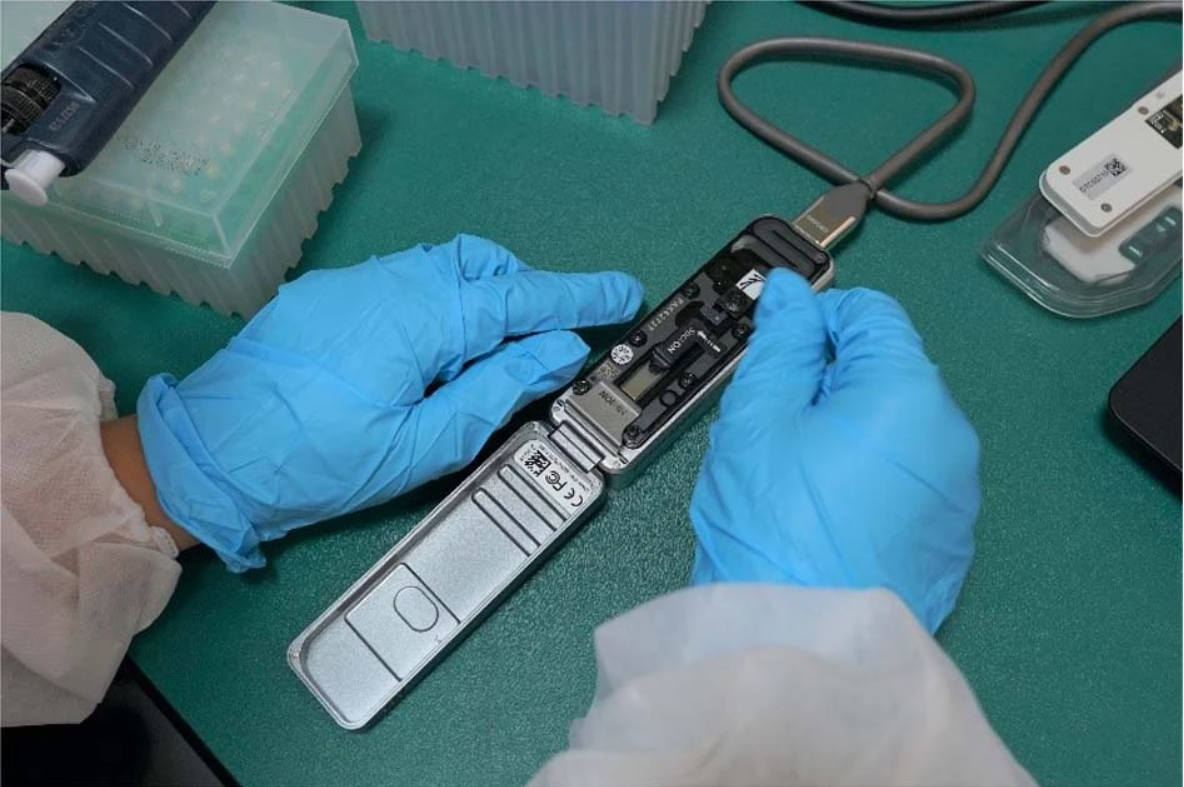
Curtin University's Centre for Crop and Disease Management reported a system combining spore traps with portable DNA sequencing to investigate fungicide resistance. Airborne samples are analysed using a MinION sequencer, allowing researchers to examine resistance-related genes rather than relying only on infected plant samples.
The June announcement says the approach has detected complex resistance mutations, including multiple mutations in sampled pathogens. Field trials are collecting airborne spores across Western Australia, Victoria and South Australia during the growing season.
The centre plans to share monitoring information through its Pesticide Resistance Integrated Mapping tool. Collaborators include NIAB in the UK, Teagasc in Ireland, INRAE in France, Wageningen in the Netherlands and a Polish university. This is a surveillance and research development; it is not an automatic disease diagnosis for every individual paddock.