61 stories in Greenhouse automation.
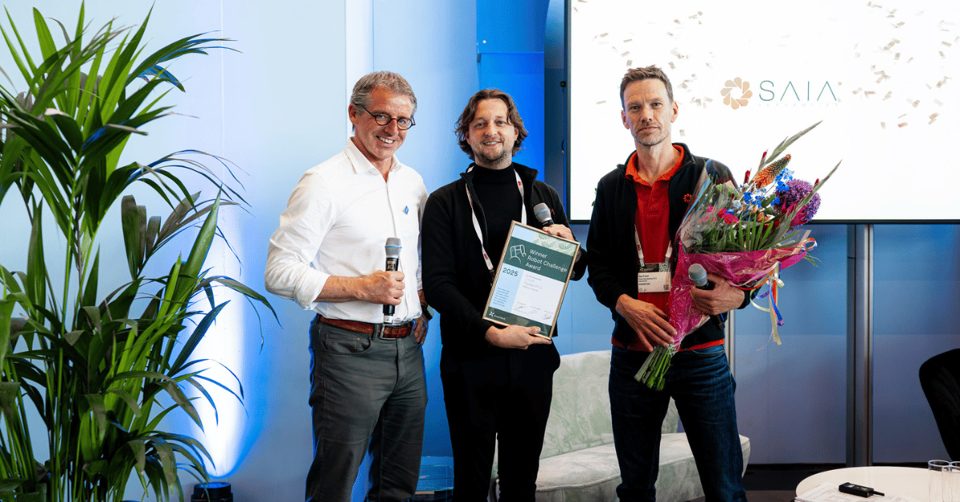
GreenTech announced SAIA Agrobotics as its 2025 Robot Challenge winner, alongside a programme connecting greenhouse robotics with imaging, future cultivation systems and autonomous water management.
Source GreenTech / RAI Amsterdam
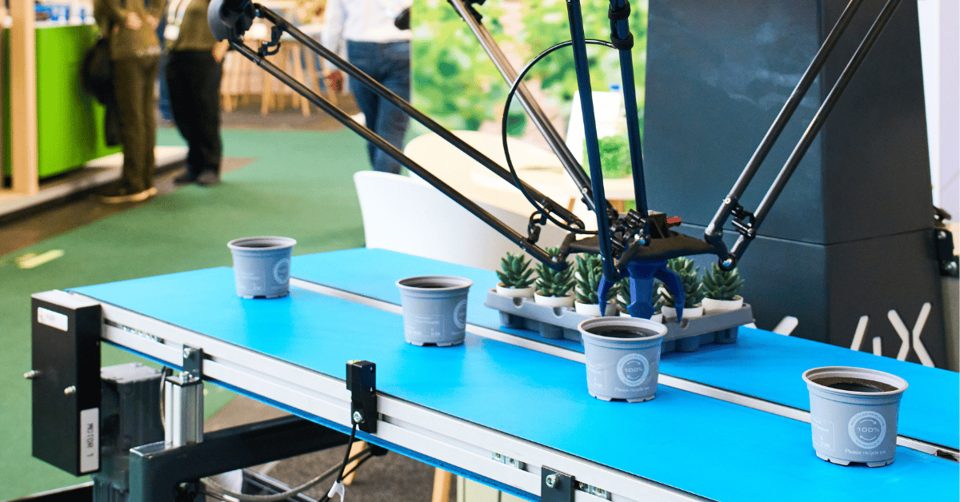
GreenTech’s 2026 Robot Challenge recognised the 4X Delta Cobot for plant transplanting, highlighting how industrial robotic handling is being adapted to repetitive work in commercial horticulture.
Source GreenTech / RAI Amsterdam
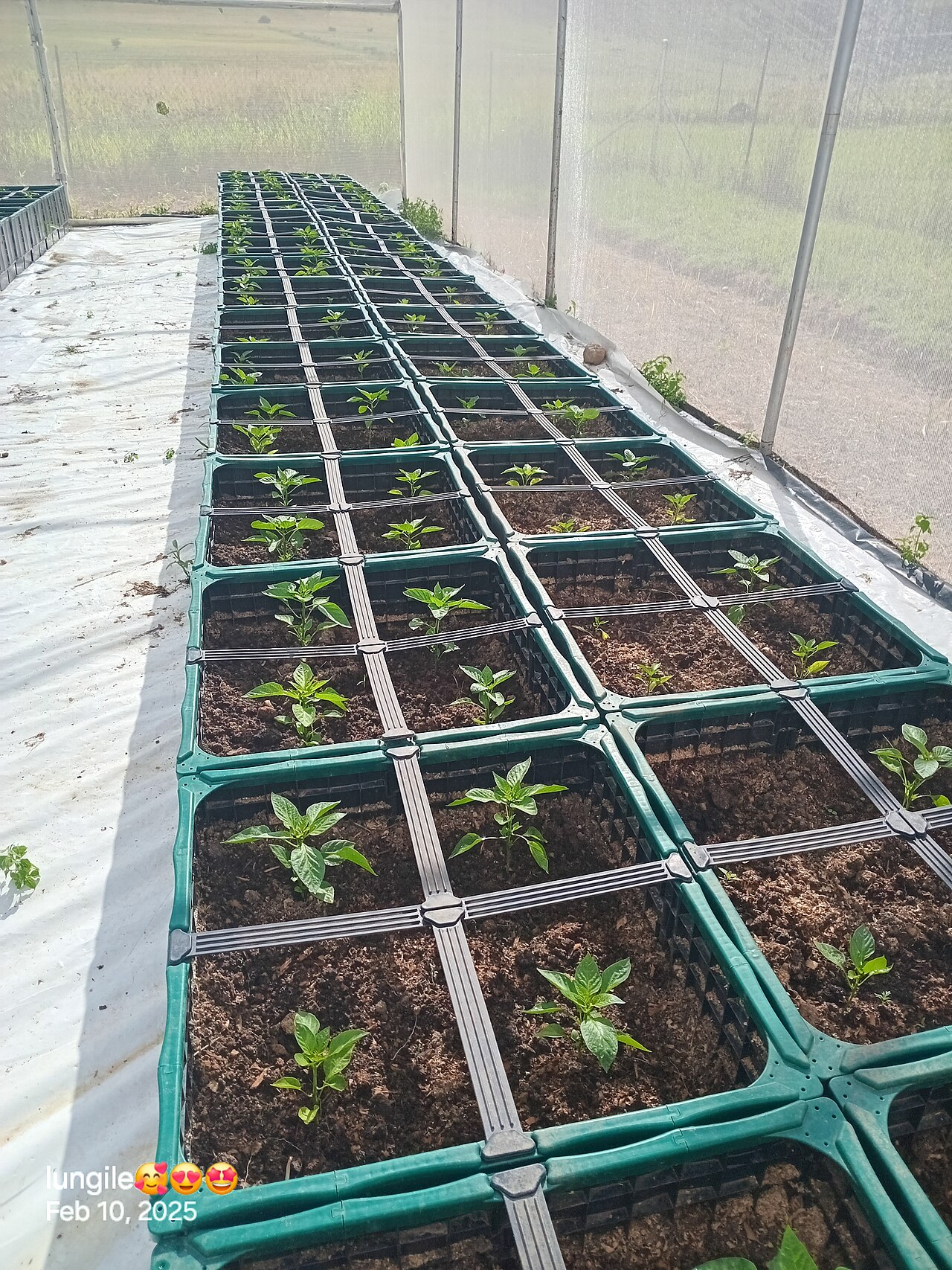
The University of the Free State’s new greenhouse combines applied crop trials with training in data-led management under semi-arid conditions.
Source University of the Free State
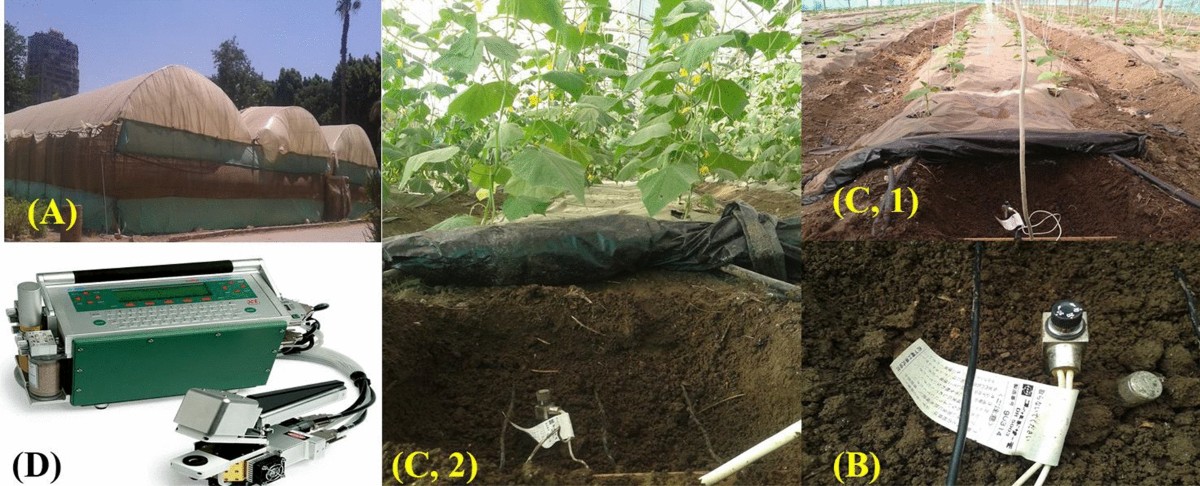
A newly published two-season experiment examines how thermostatically controlled root-zone temperatures affect cucumber growth and yield.
Source Scientific Reports
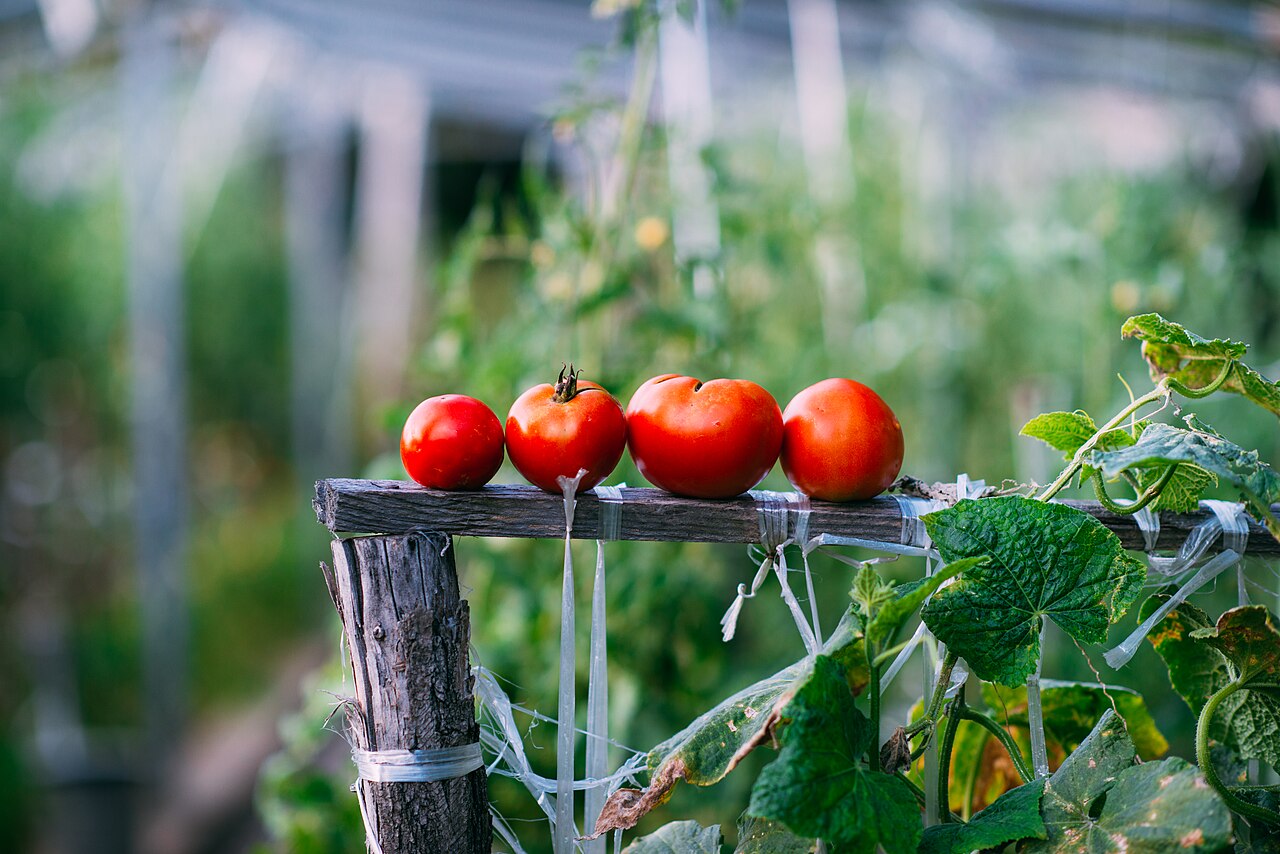
Measured plant models and synthetic vision data are helping researchers compare robot designs in a greenhouse environment that can be reset.
Source Wageningen University & Research
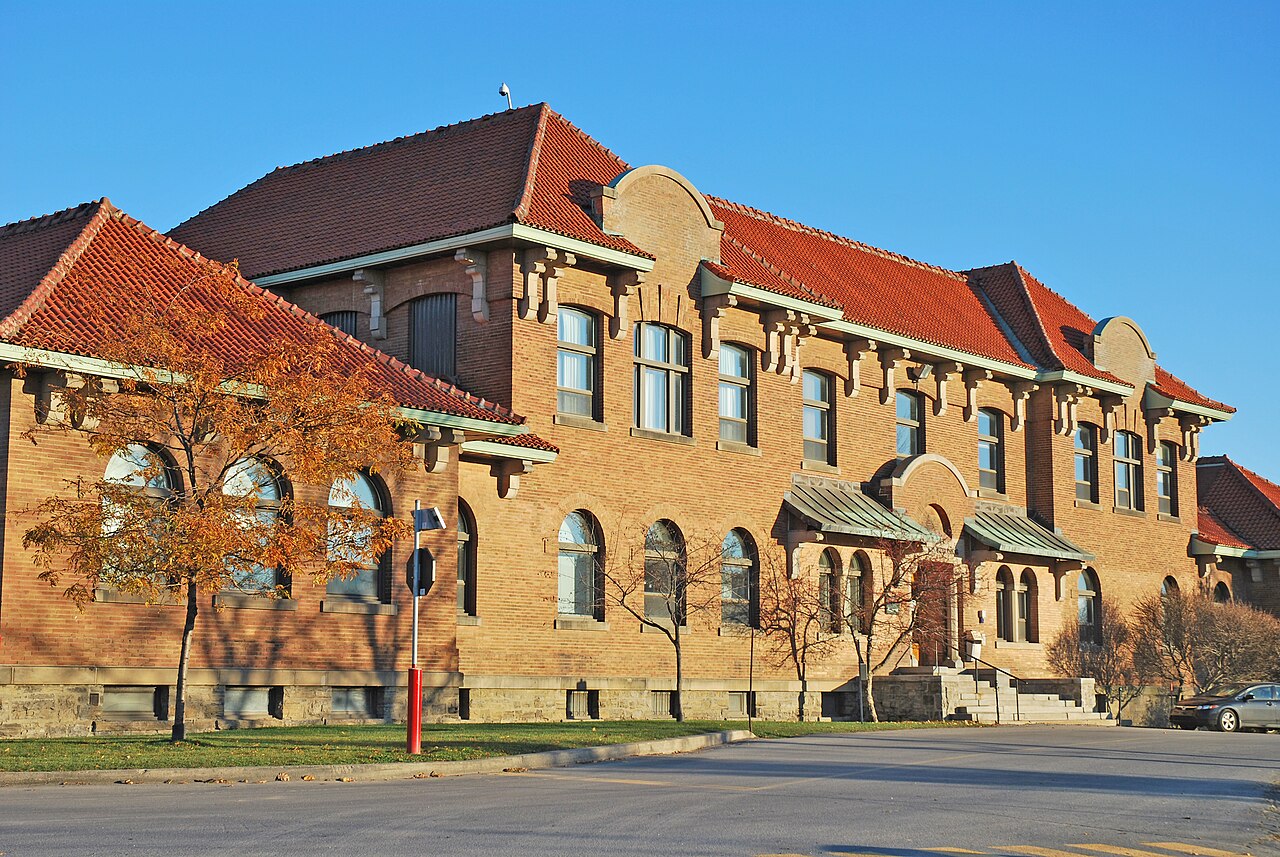
New Macdonald Campus infrastructure combines hands-on greenhouse teaching with a joint plant-phenotyping platform involving Université de Sherbrooke.
Source McGill University
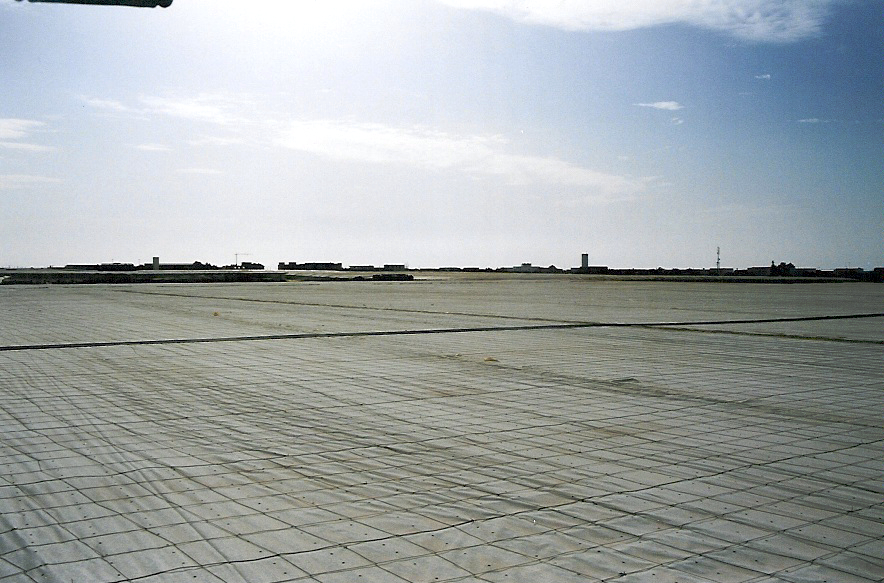
Tomato and cucumber greenhouses in Almería will test sensors, hyperspectral measurements and automated ventilation within the European AgriDataValue project.
Source AgriDataValue
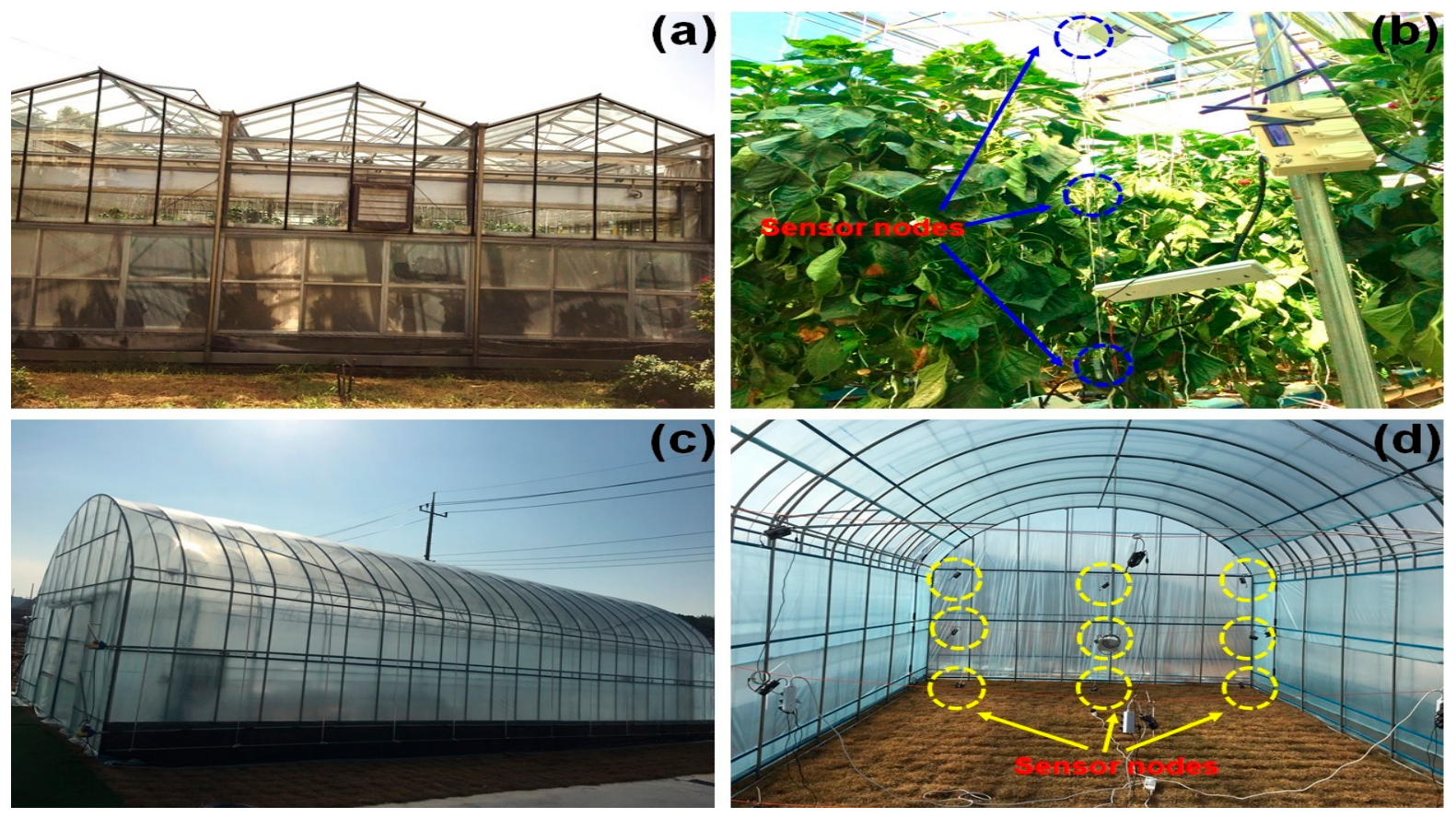
A greenhouse sensor-network study maps uneven growing conditions and tests separate prediction models for different vertical layers.
Source Agronomy
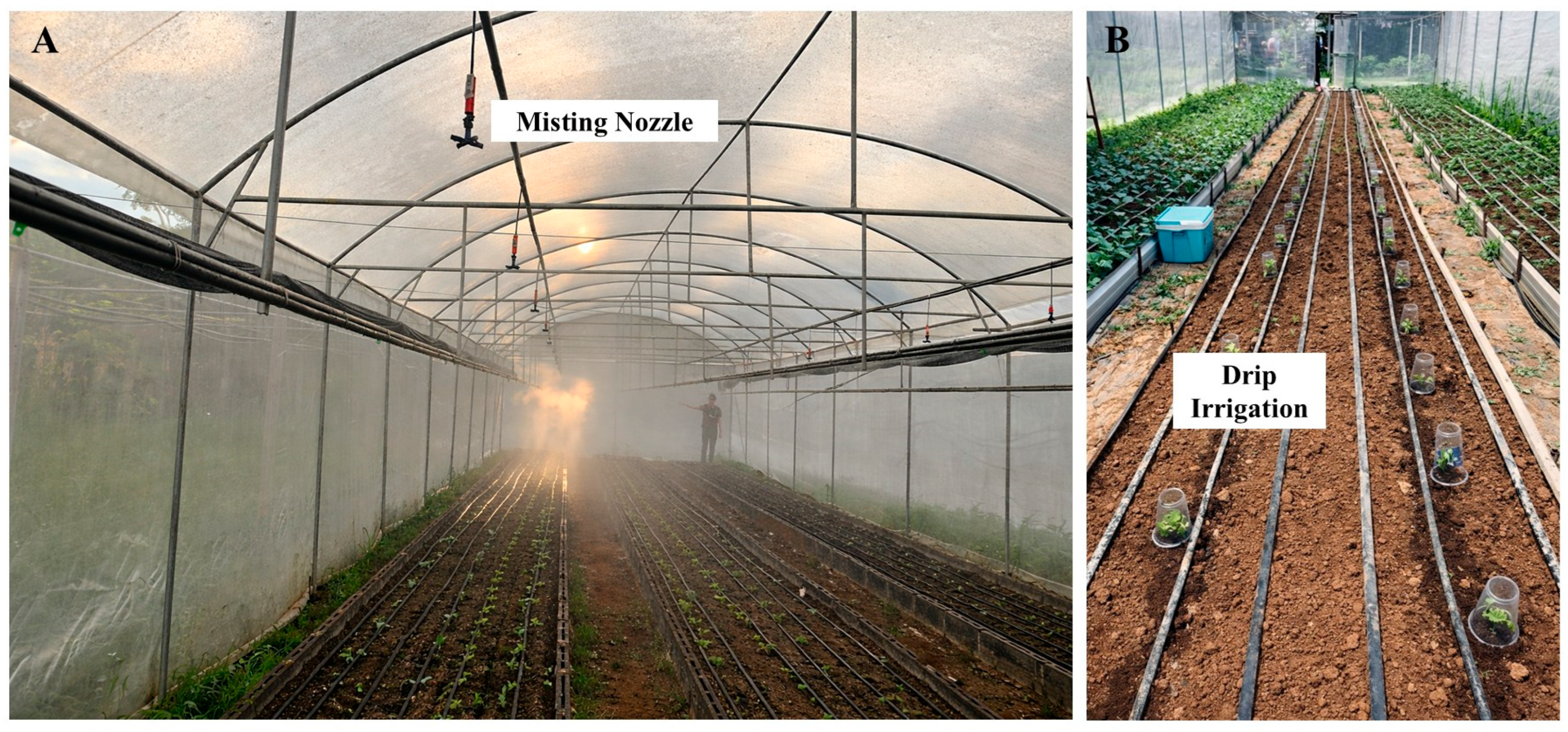
A study of five organic vegetable crops reports water and yield benefits from an automated system tested with growers in Sa Kaeo.
Source AgriEngineering
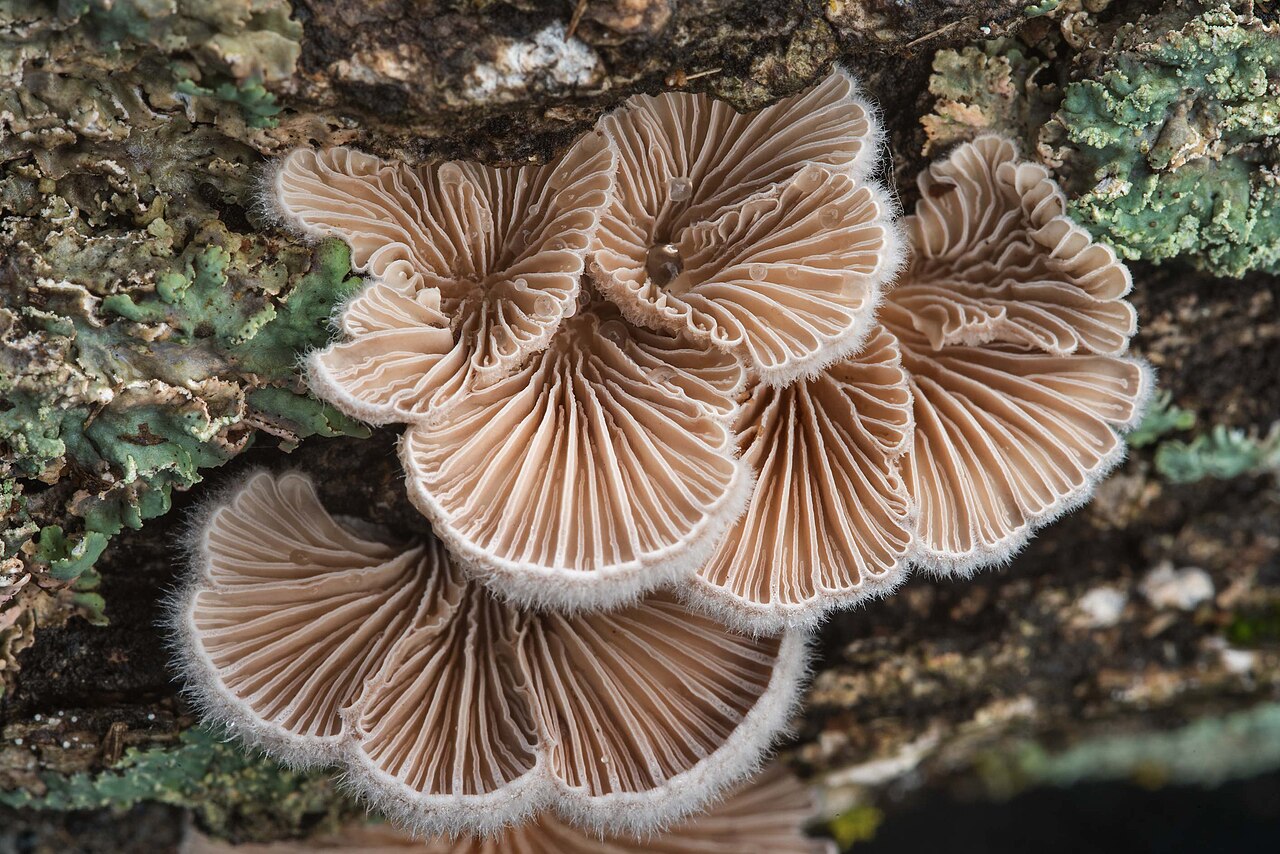
AgriSMART Lestari combines remote monitoring and automated irrigation with a pilot using kenaf biomass as a mushroom-growing substrate.
Source Universiti Putra Malaysia, Institute of Plantation Studies
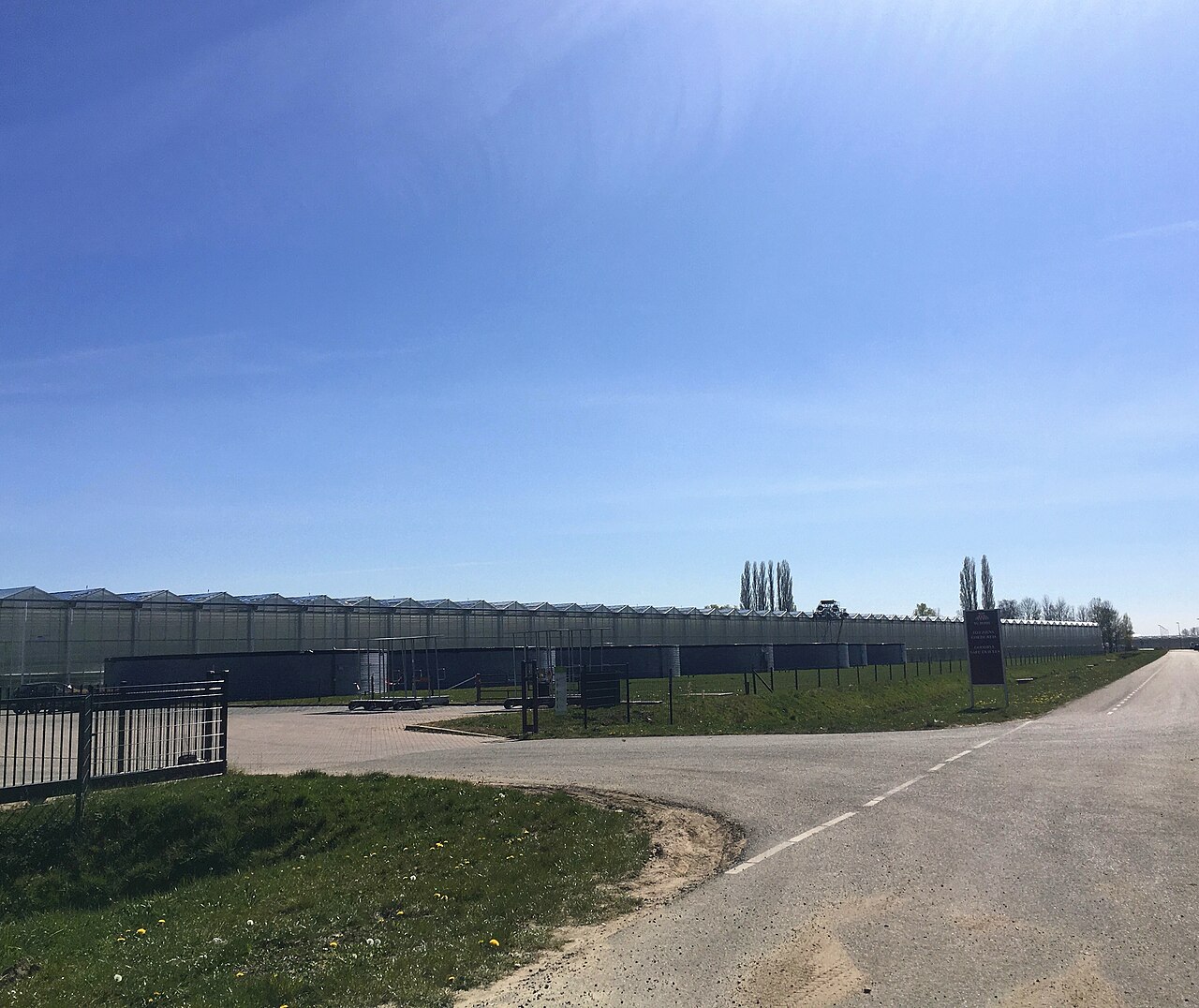
Greenhouse in Transition brings universities and industry together to rethink growing systems and their connections with nearby farms, homes and industrial sites.
Source Wageningen University & Research
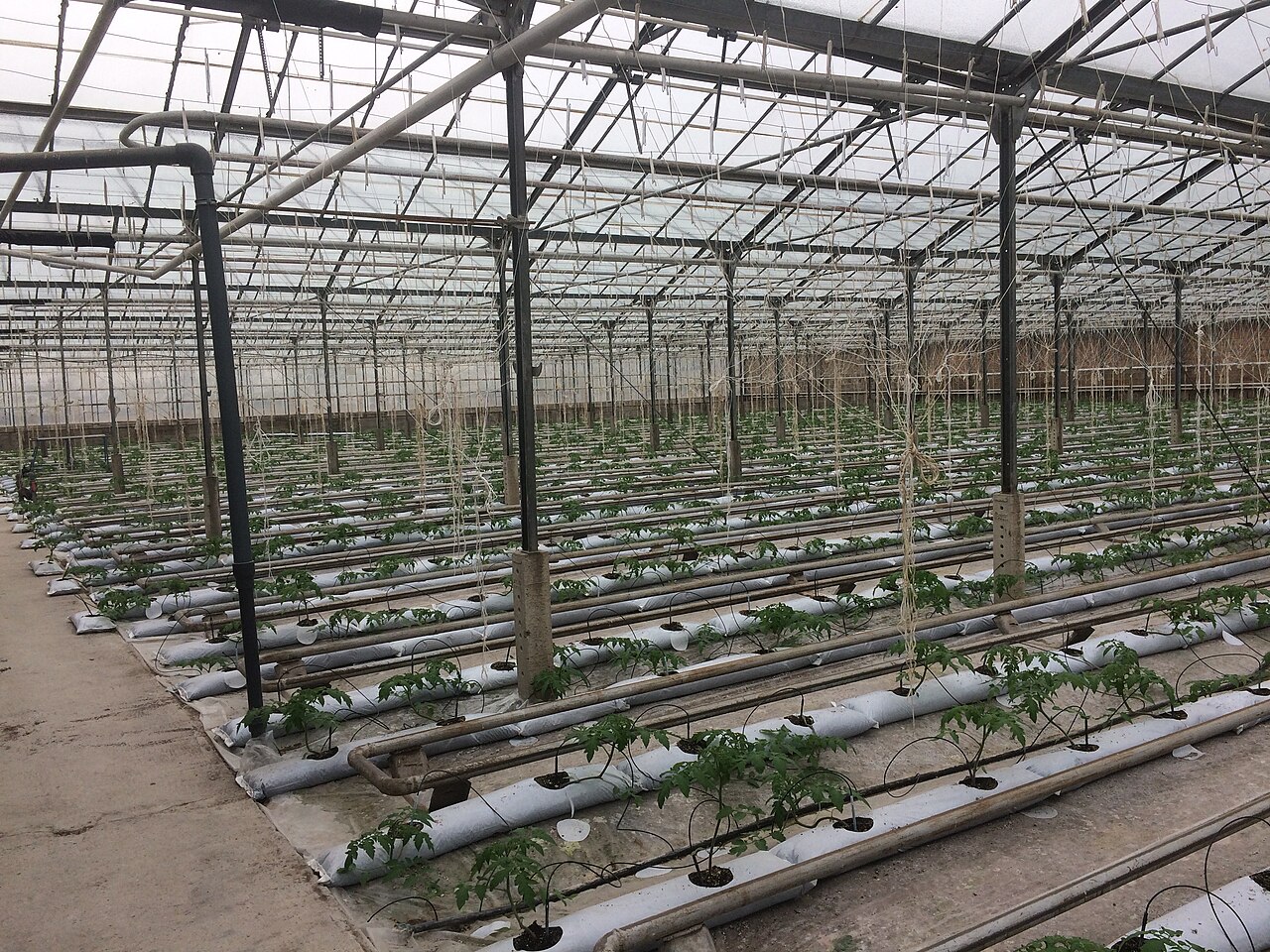
A Danish–German project aims to help growers retain irrigation water longer by measuring the nutrients that bulk salt readings cannot distinguish.
Source University of Southern Denmark