A paper led by researchers at Chungnam National University examines how temperature, humidity, carbon dioxide and light vary within Korean greenhouses. Published in May 2026, it analyses measurements collected during short summer and winter campaigns in 2018.
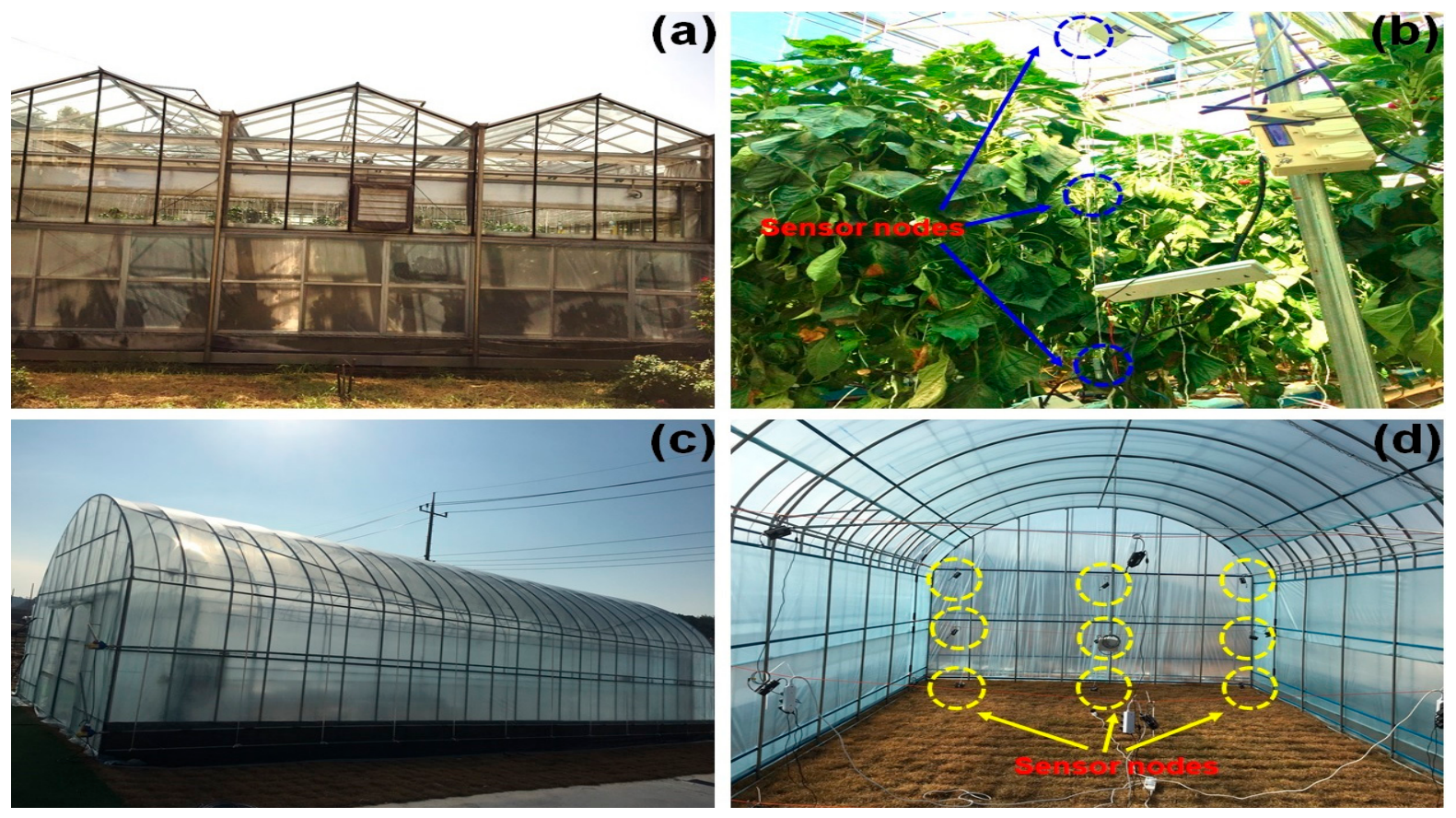
The researchers deployed 27 internal sensor nodes across greenhouse sections and three vertical layers. Their observations showed persistent spatial differences, with upper layers generally warmer and less humid than lower ones. Neural-network models predicted temperature more reliably than humidity within the evaluated datasets.
The work supports more deliberate sensor placement and layer-specific climate estimation. However, summer measurements came from a glass greenhouse and winter measurements from a different plastic greenhouse. The authors therefore caution that structure and season cannot be separated by this design. The study evaluates monitoring and prediction, rather than proving that an autonomous controller improves crop yield.