12 stories matching “Australia”.
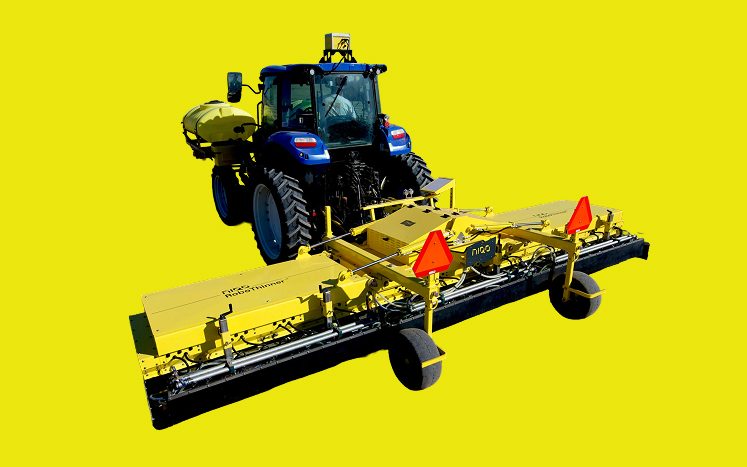
Bengaluru-based Niqo Robotics announced plans in March 2026 to expand its crop library, geographic reach and machine configurations, building on precision-weeding operations in India and the United States.
Source Niqo Robotics
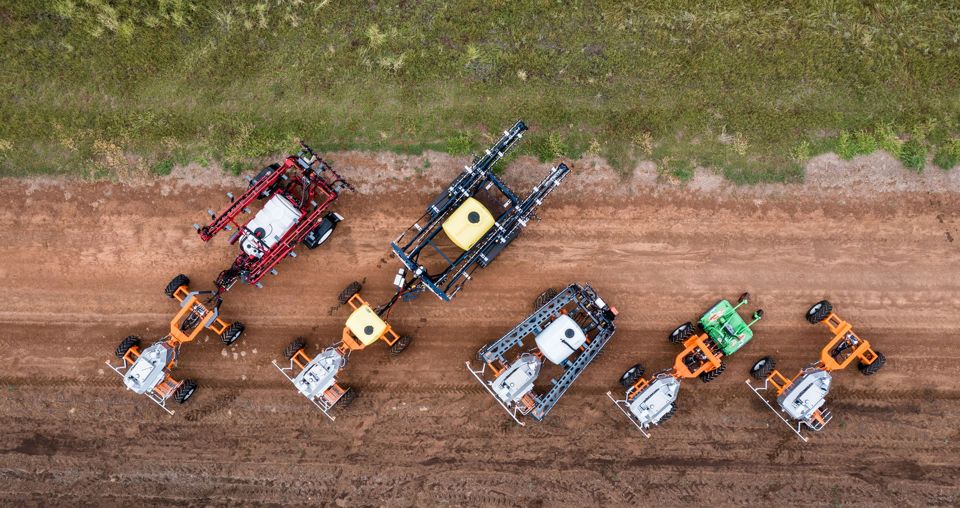
Australia’s Clean Energy Finance Corporation committed A$7 million to SwarmFarm Robotics in October 2025, supporting production of lightweight autonomous platforms used for spraying and other agricultural work with interchangeable attachments.
Source Clean Energy Finance Corporation
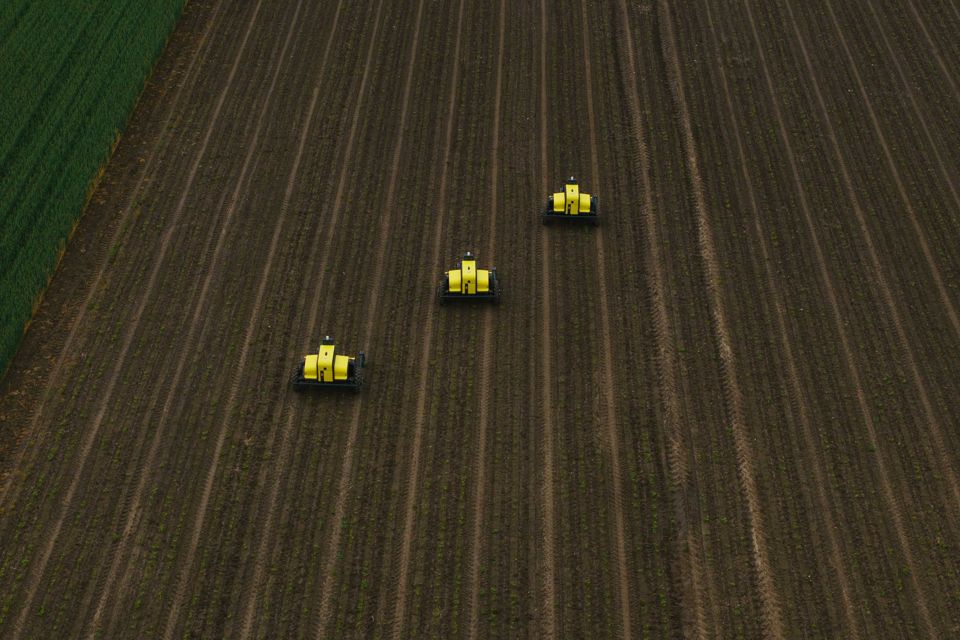
Norwegian company Kilter reported that 54 AX-1 robots treated 4,265 hectares during part of 2026, comparing their targeted applications with a 250-litre-per-hectare broadcast baseline to quantify avoided spray mixture.
Source Kilter
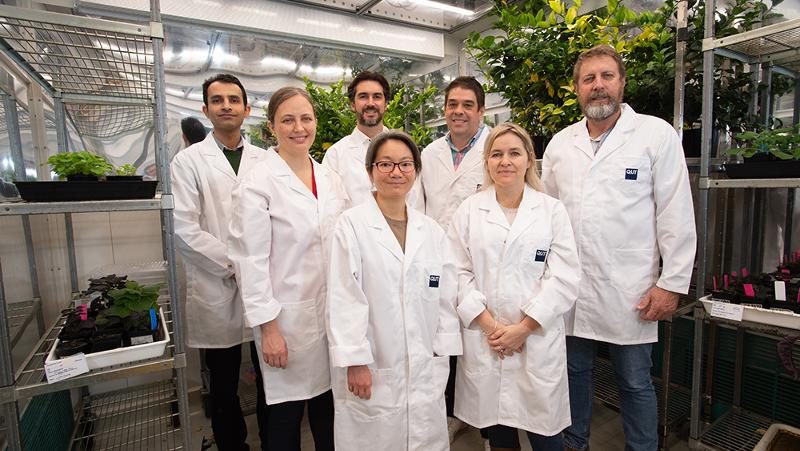
QUT announced a five-year, A$41 million programme in August 2024 to develop orchard varieties suited to efficient production, combining plant genetics, crop architecture and robotic observation.
Source Queensland University of Technology
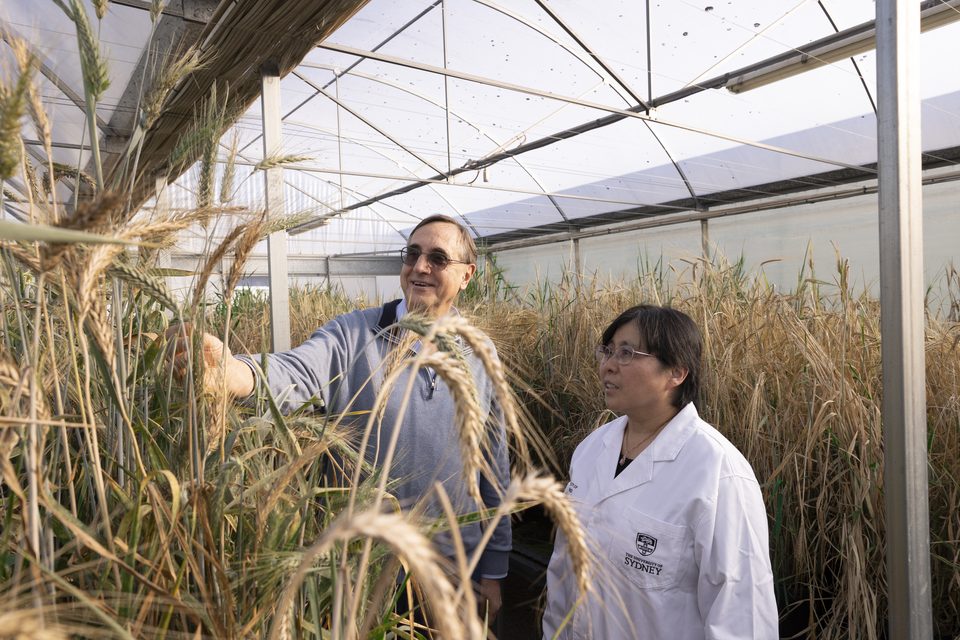
A November 2025 University of Sydney report connects Salah Sukkarieh’s farm-robot research with crop measurement and trials involving women and young farmers in Cambodia, emphasizing practical access to technology.
Source University of Sydney
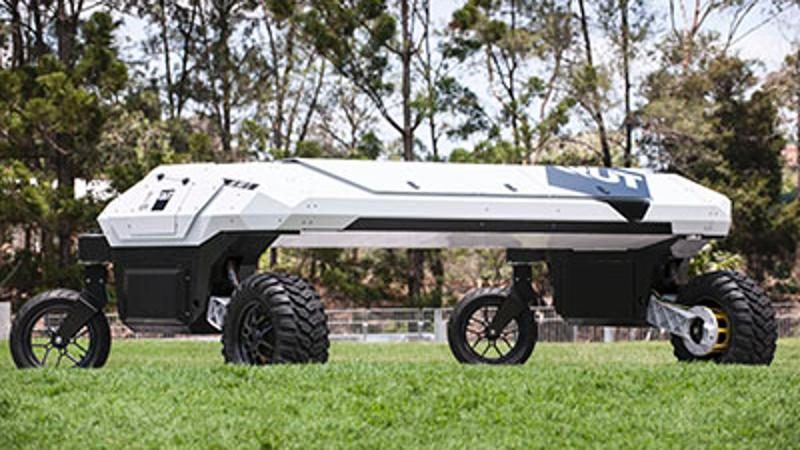
At a 2016 field demonstration in Bundaberg, QUT presented AgBot II’s ability to navigate crops, classify weeds and select treatments, an early example of combining robotic perception with agronomic intervention.
Source QUT
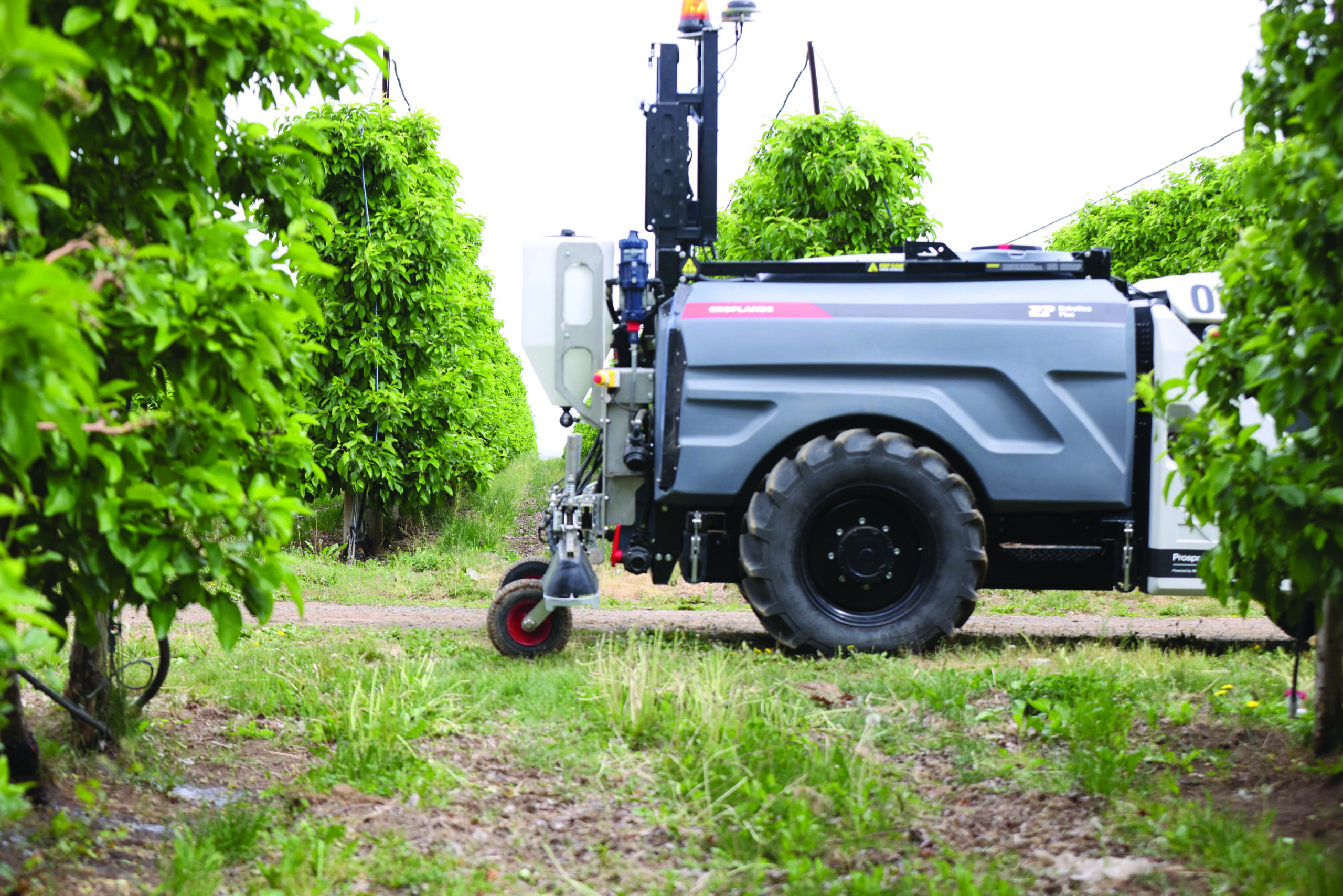
Yamaha Agriculture and Croplands extend the autonomous platform’s tasks with controlled herbicide application and mechanical protection around vines and trees.
Source Yamaha Agriculture
Croplands and SwarmFarm combine autonomous spot spraying with optional automated refilling and six-wheel drive in their Series 2 platform.
Source Croplands Australia
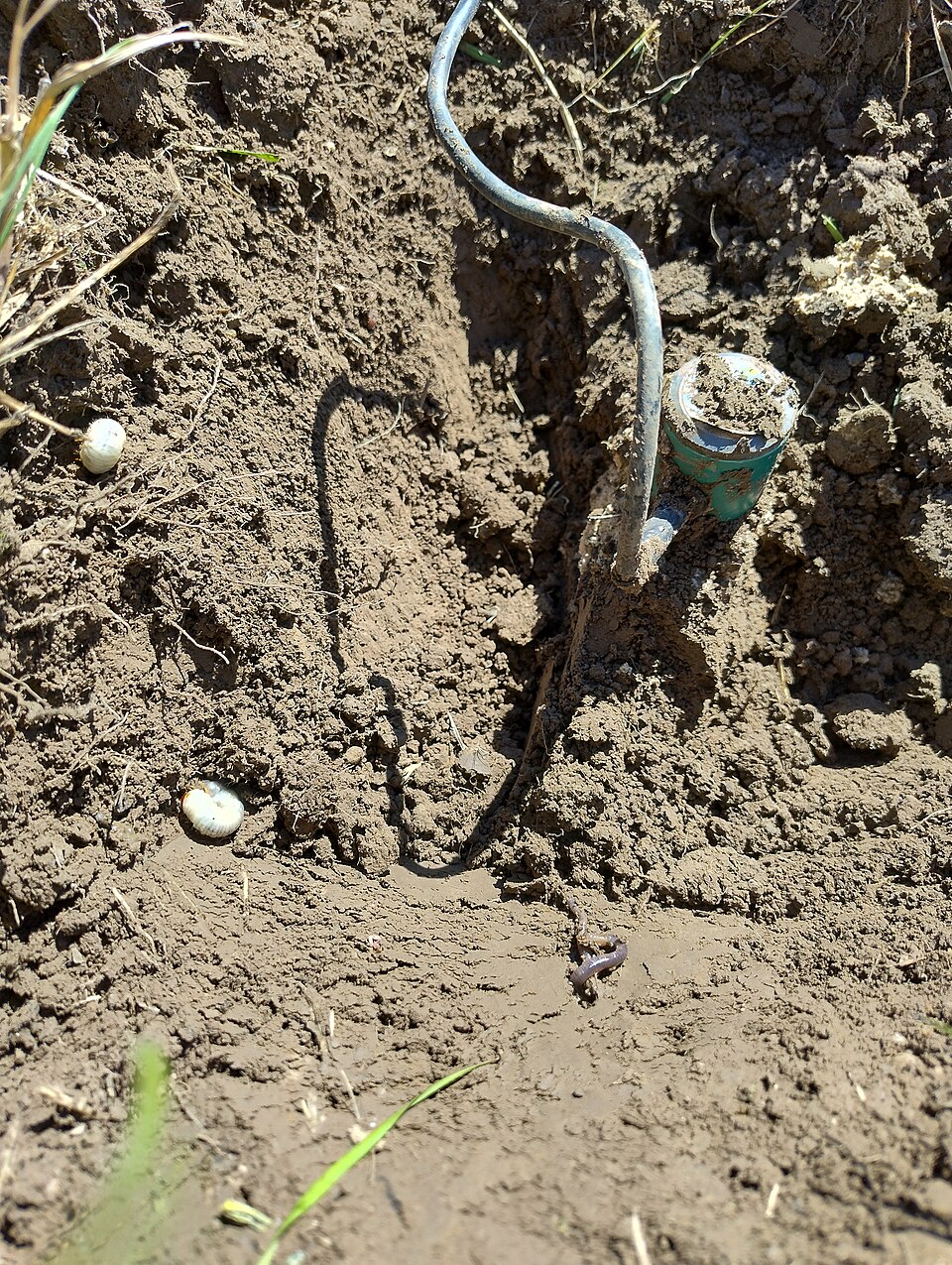
Australia’s Soil CRC chose Sentek to commercialise a buried wireless node designed to keep soil-data equipment out of the path of machinery and livestock.
Source Soil CRC
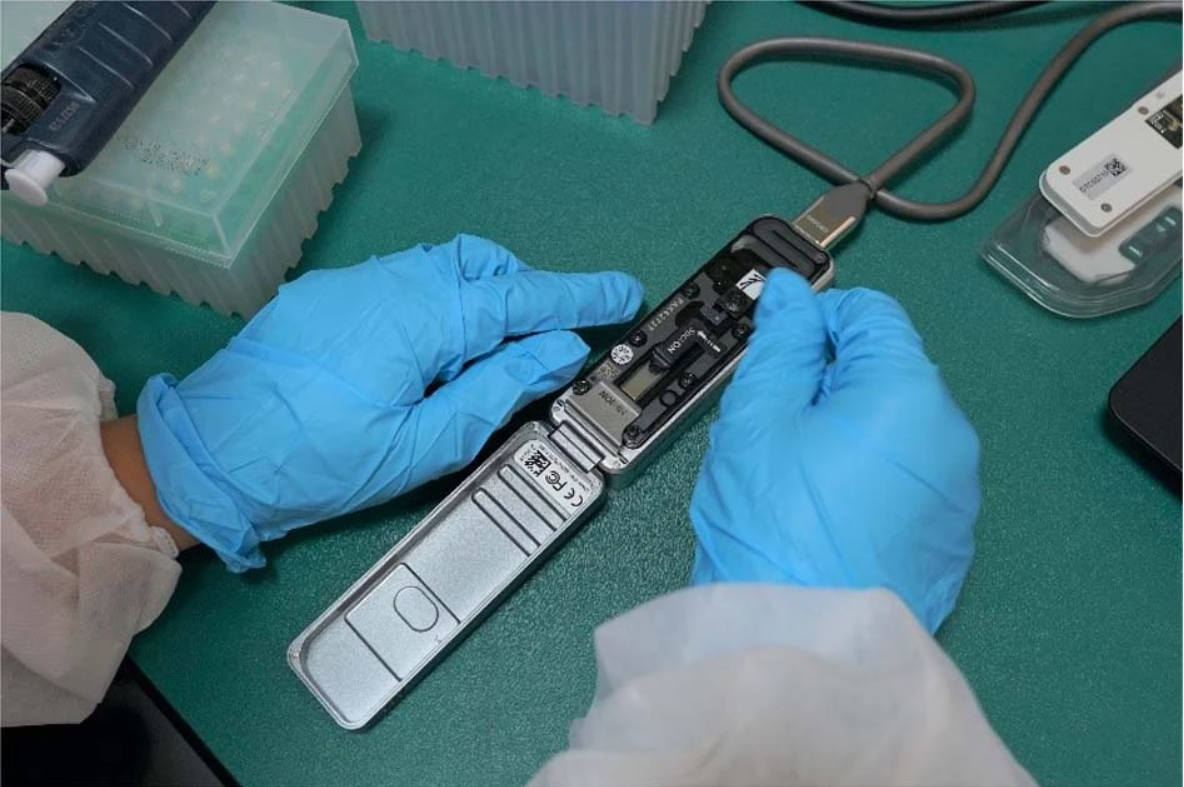
Curtin researchers are testing an approach to track fungicide-resistance mutations in grain pathogens, with partners across Australia and Europe.
Source Curtin University
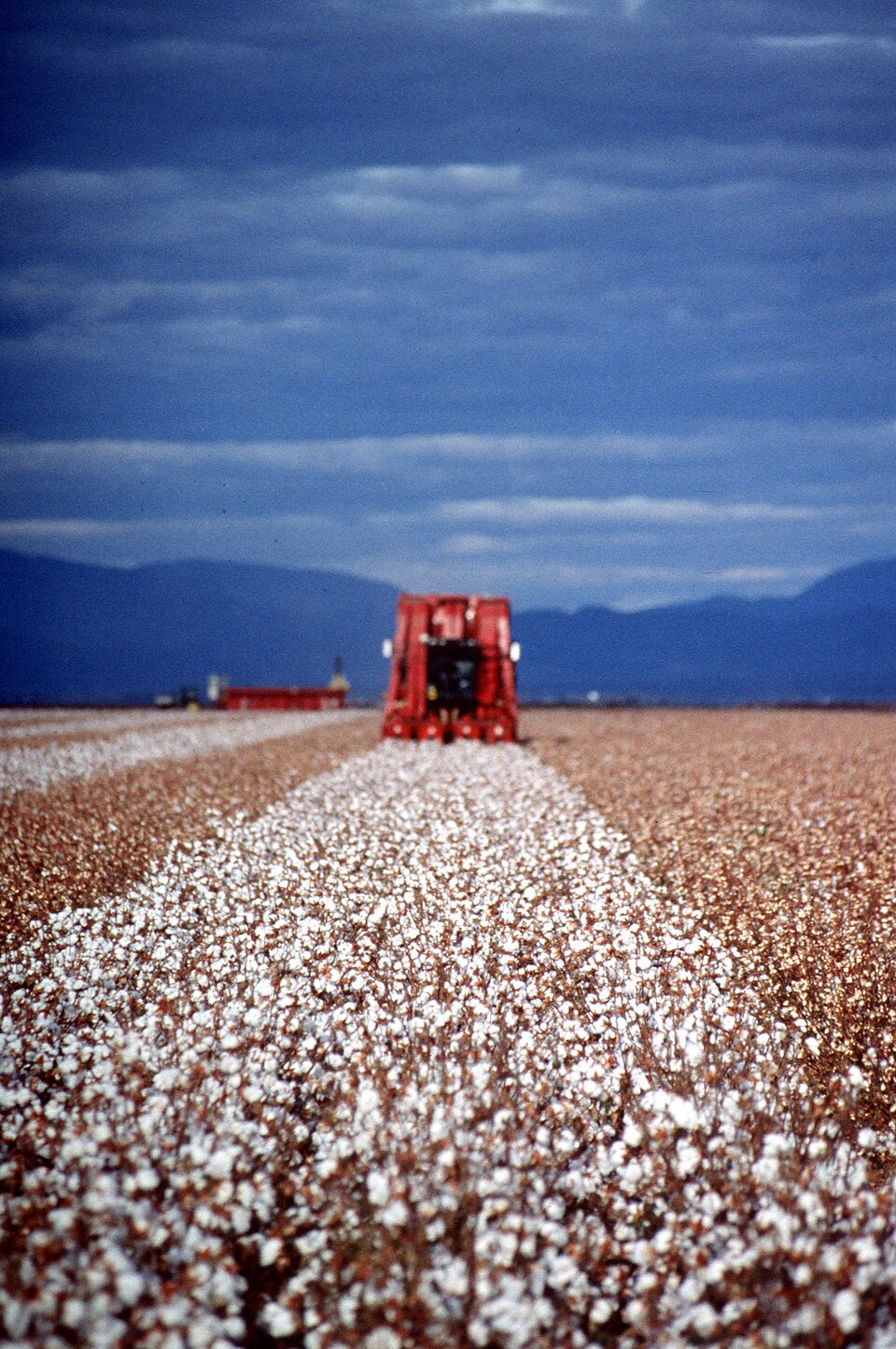
Australian cotton researchers are combining aerial sensing methods to distinguish crop performance and disease stress that ordinary photographs can miss.
Source CSIRO
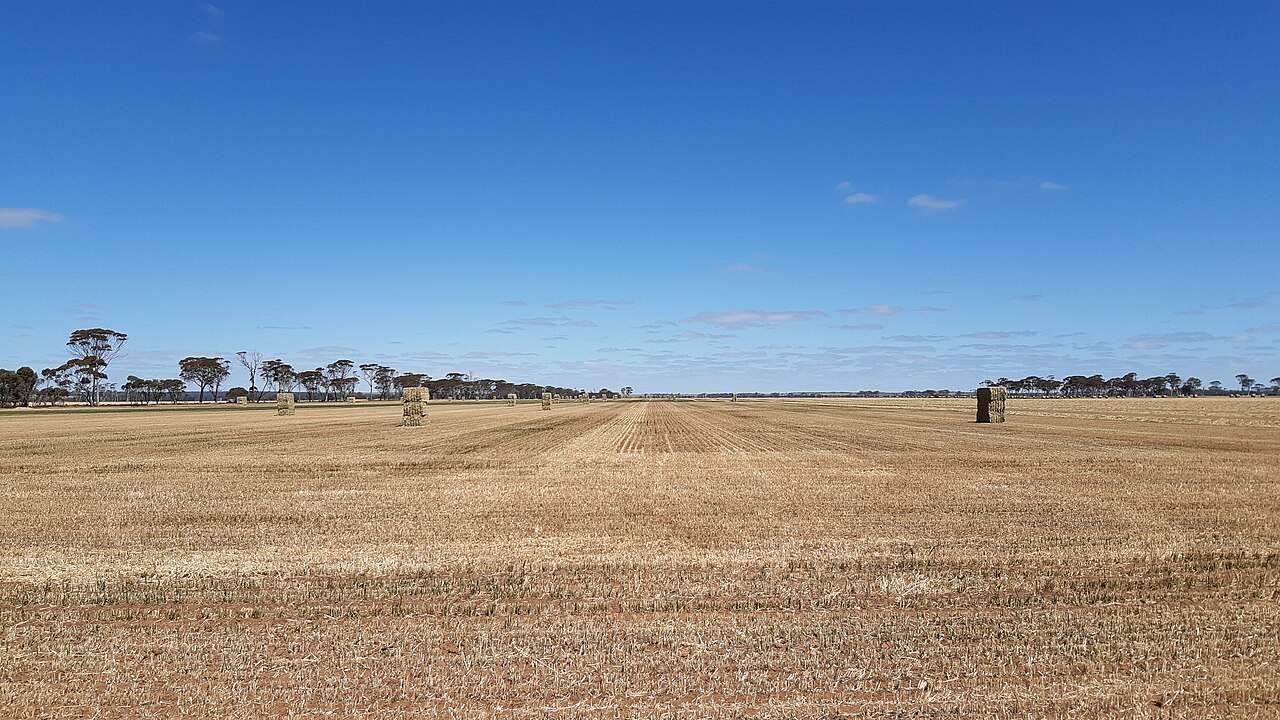
A GRDC-supported national project is building multi-season evidence on where variable-rate fertilizer application improves nutrient efficiency and farm returns.
Source Facey Group