305 stories matching “Research”.
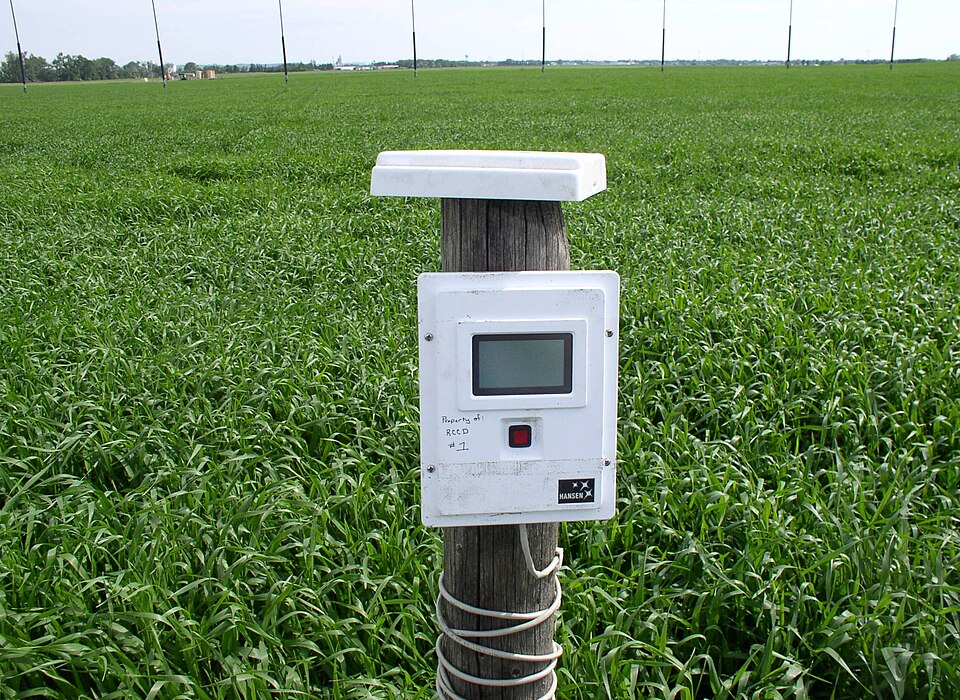
NDSU is connecting soil and microclimate measurements through LoRaWAN, supporting crop-disease, residue-management and irrigation research across its facilities.
Source North Dakota State University

The EU–Africa research programme includes plant health, food processing and water–nutrient–energy topics within a much wider funding envelope.
Source EU Delegation to the African Union
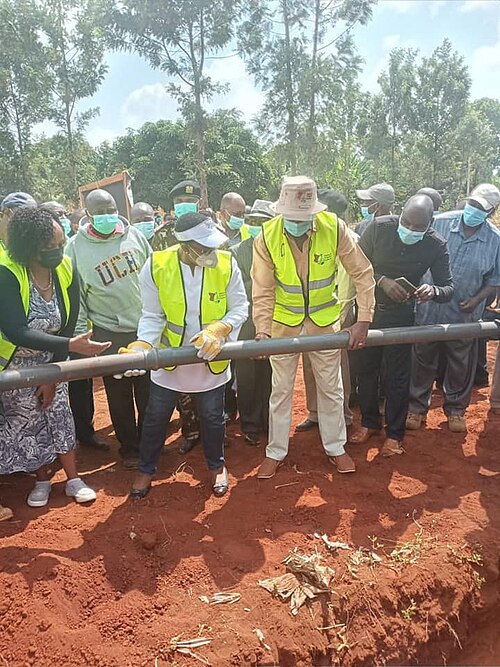
A Nairobi agreement creates a collaboration framework for agroecology, climate resilience and evidence-based rural development in Africa.
Source CIRAD

Arkansas graduates won two competitions in Indianapolis, including a strawberry processing prototype combining vision, motion control and safety systems.
Source University of Arkansas

ISPA’s July conference report describes regional coordination in Brazil, including broader participation and closer links among research, industry and scientific associations.
Source International Society of Precision Agriculture
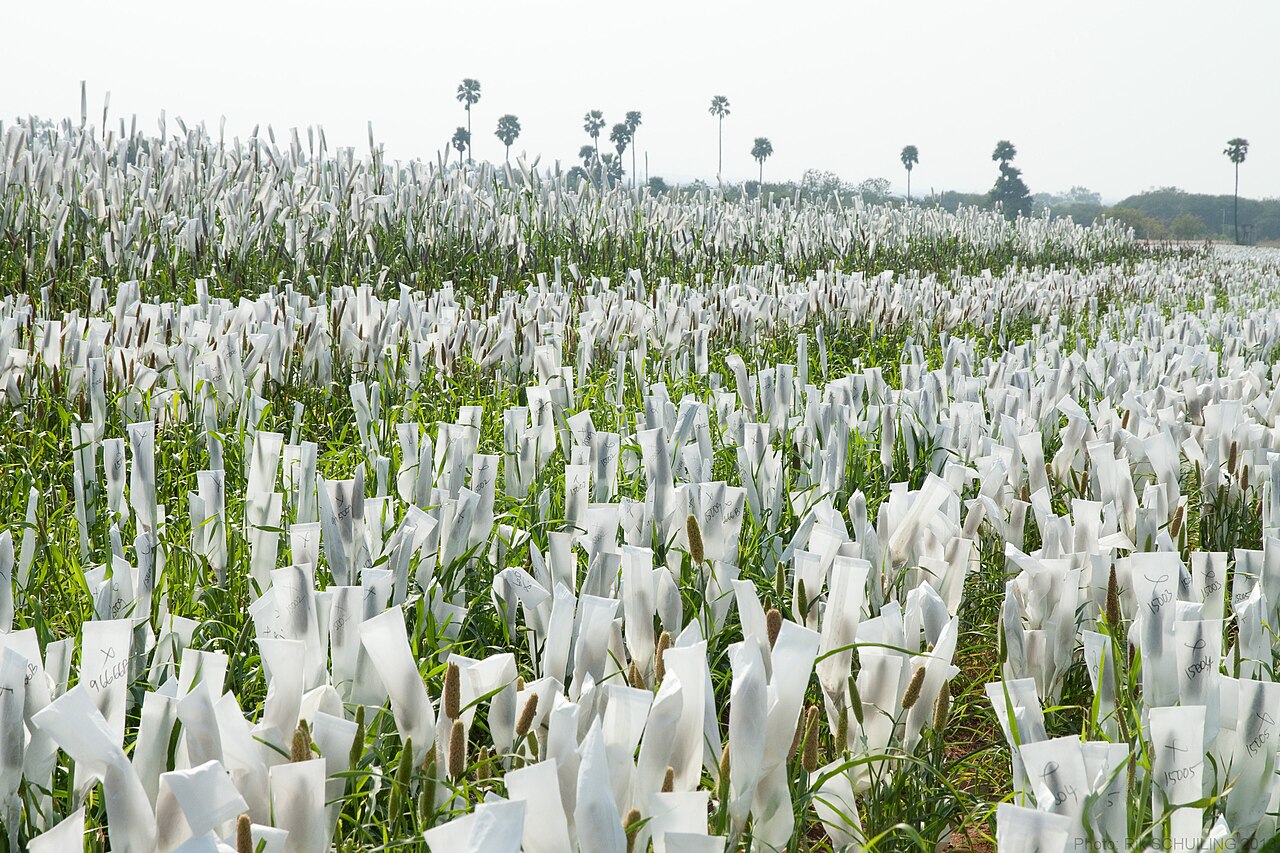
India’s Dryland Congress concluded with a shared cooperation agenda and recognition for innovations from across the Global South.
Source ICRISAT
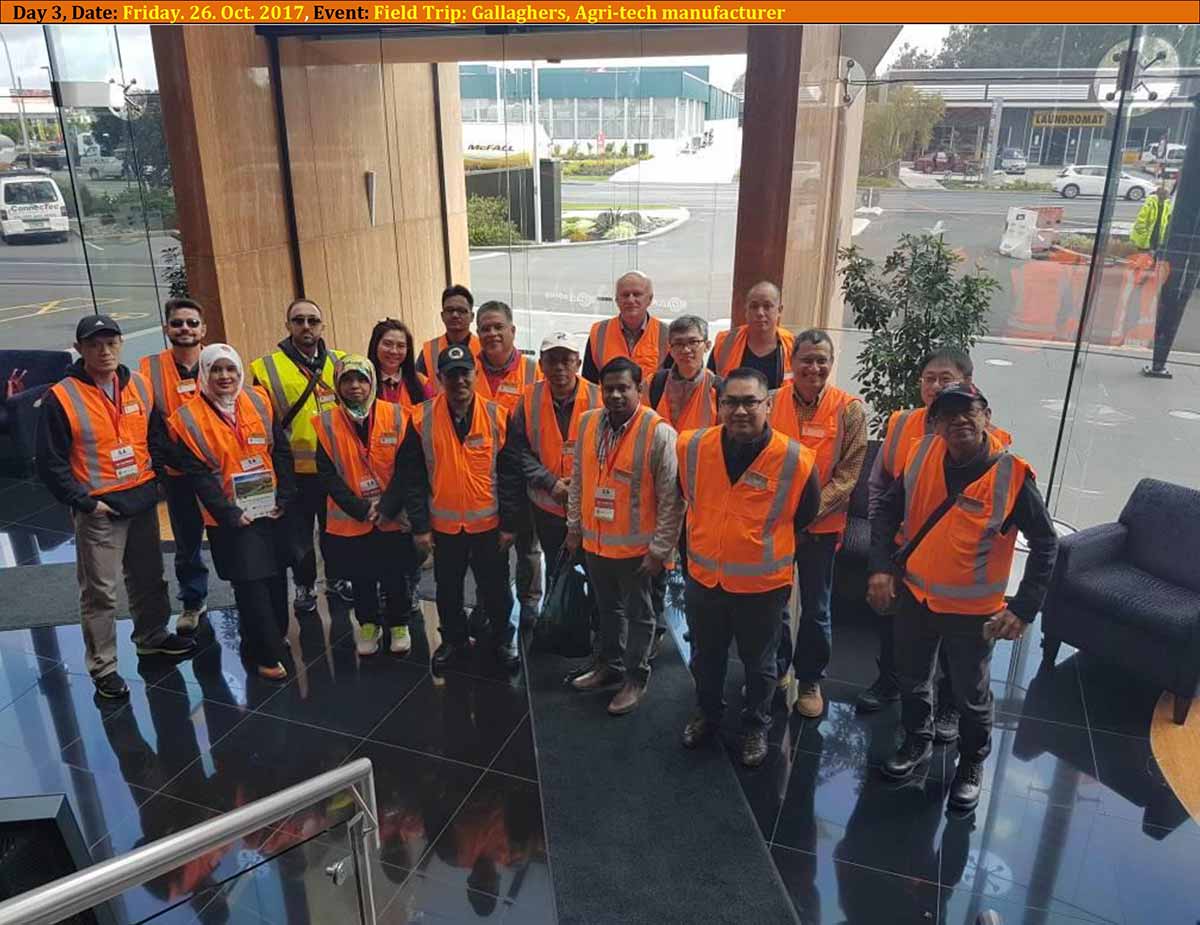
The June 2027 organizer programme connects research visits, machinery companies and field demonstrations across Osnabrück, Potsdam and Odense.
Source Adaptive AgroTech organizer announcement, shared by Eduardo Navas Merlo
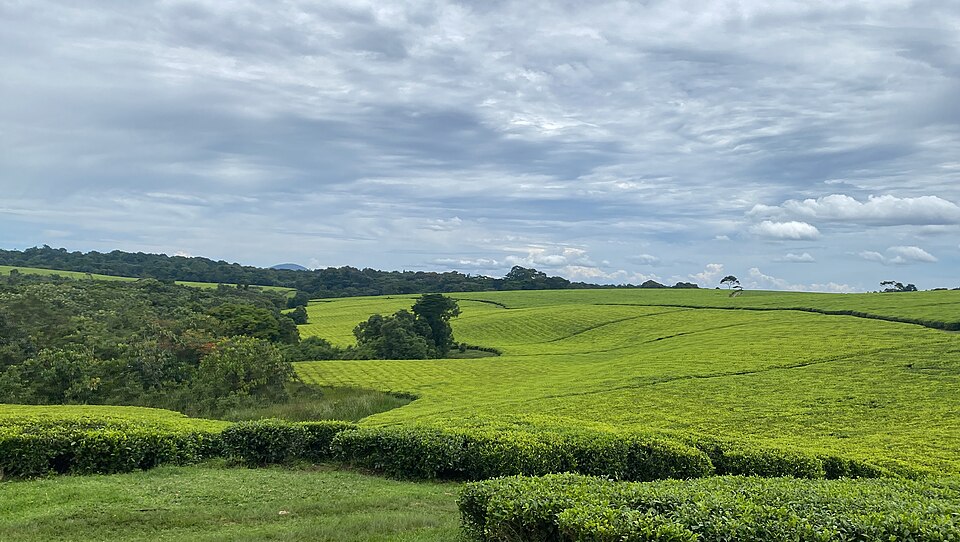
NbS4Tea introduced drone operations at Uganda’s Rwebitaba Tea Research Centre as part of a wider programme on resilient tea production and irrigation.
Source Makerere University
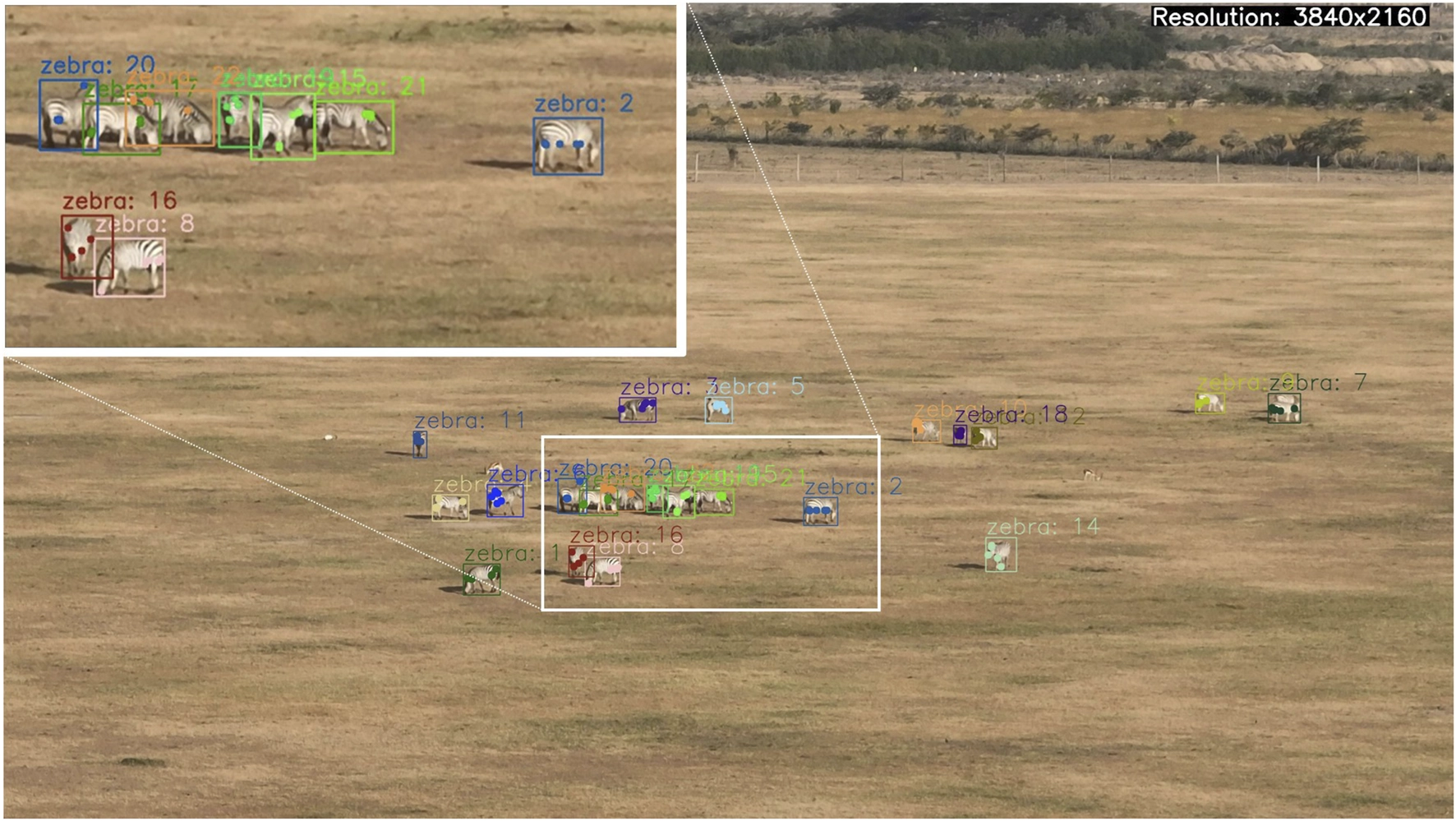
A new research paper sets out WildDrone’s drone, ecology and computer-vision programme, including wildlife monitoring at Kenya’s Ol Pejeta Conservancy.
Source Frontiers in Robotics and AI
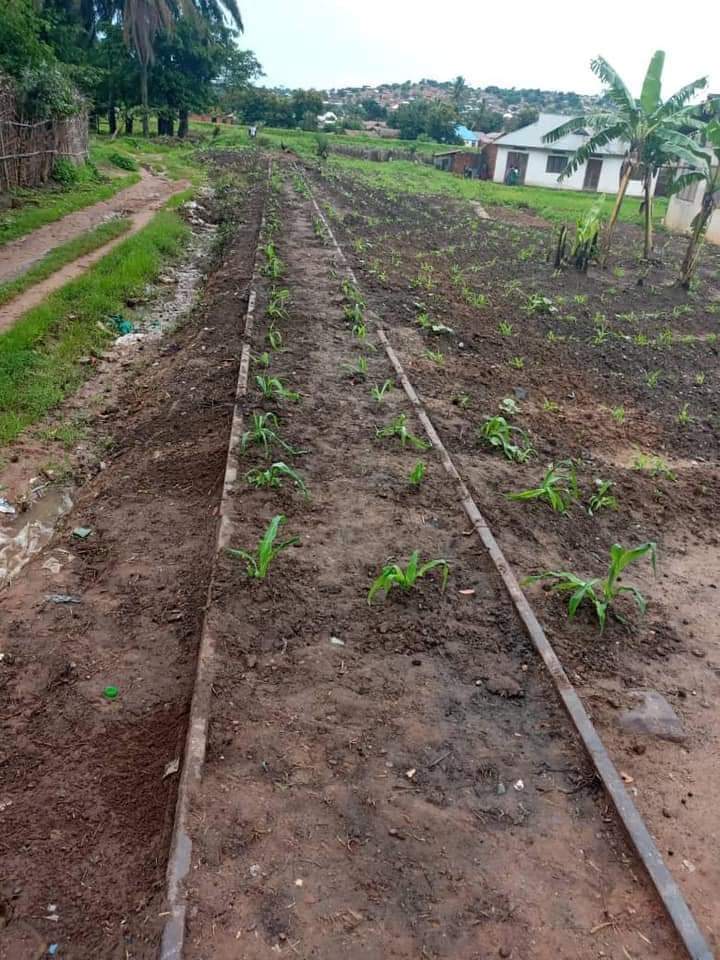
A Ghana–Belgium partnership is developing locally grounded maize-yield estimation while addressing the field-data mismatches that can undermine satellite models.
Source GEOGLAM
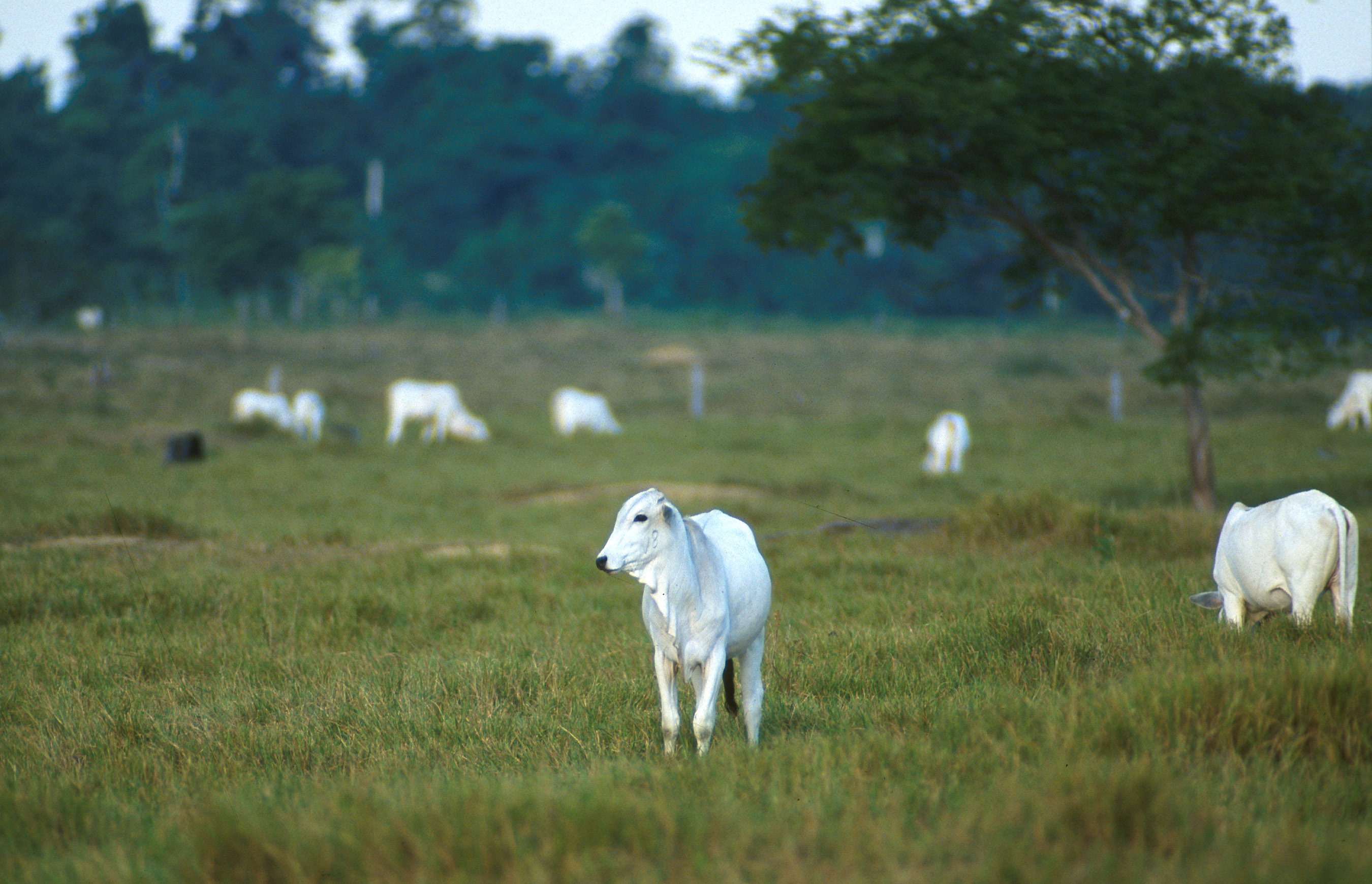
Embrapa-linked research follows cattle body measurements over time, exploring a less disruptive way to identify changes in growth rate.
Source Embrapa / Semear Digital
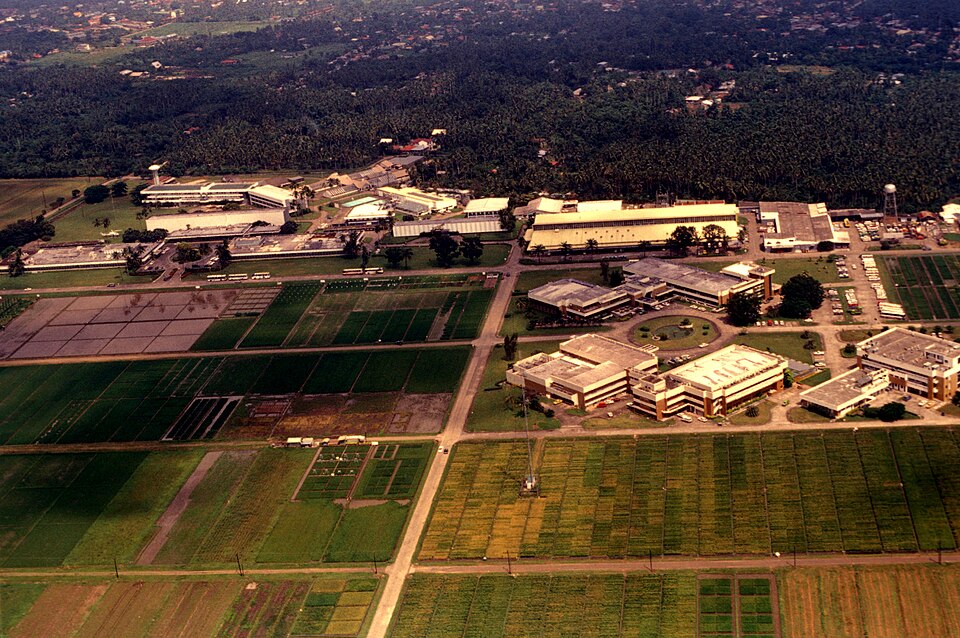
Philippine field research links aerial measurements with plant physiology across 318 rice accessions, offering a faster way to compare breeding material.
Source IRRI / Rice Today