WildDrone’s January 2026 research paper describes an EU-funded doctoral network combining autonomous aircraft, computer vision and conservation ecology. The consortium trains 13 doctoral researchers and links European institutions with Kenyan organisations, including Ol Pejeta Conservancy and Kenyatta University.
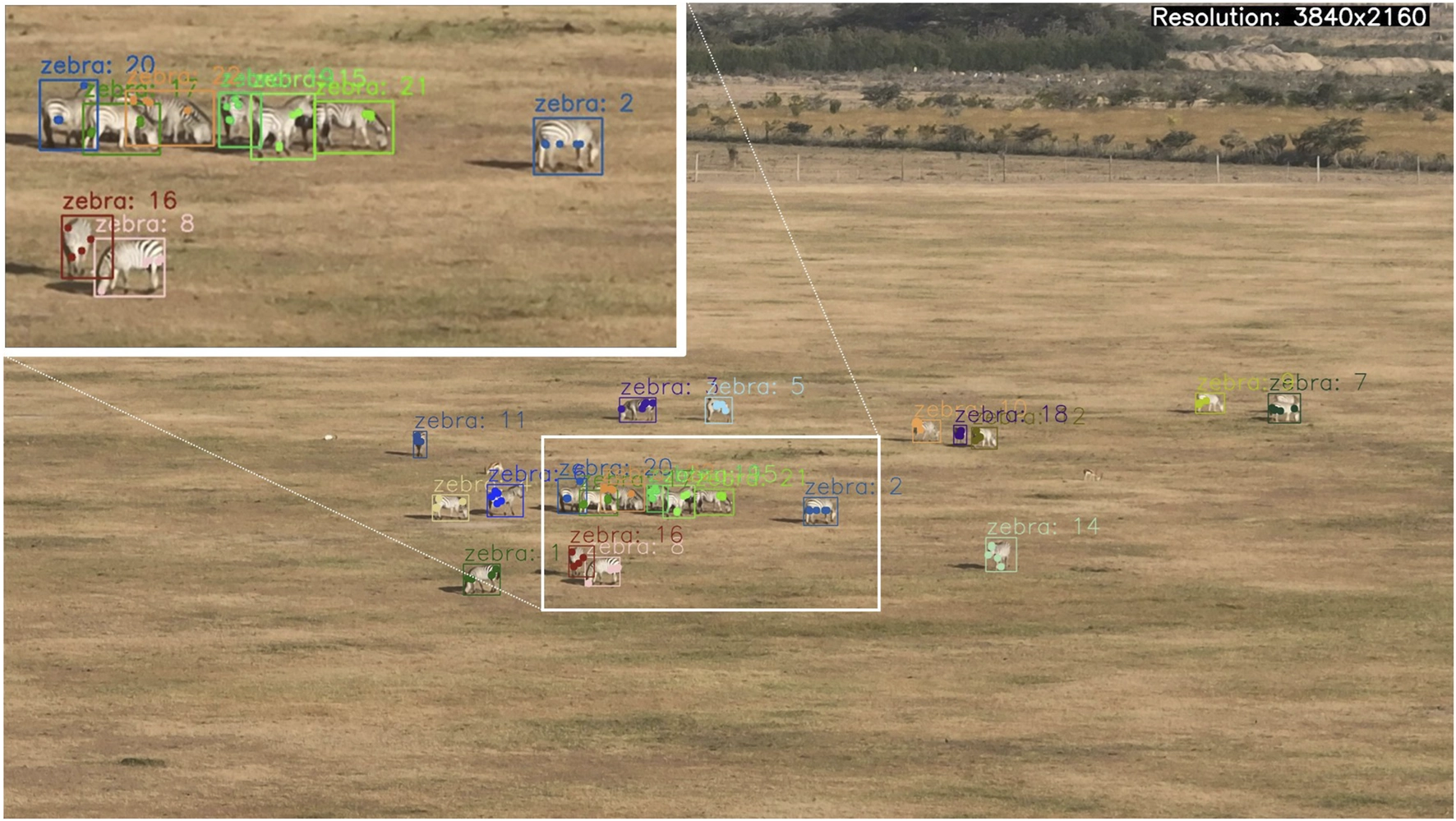
The work includes thermal observation of nocturnal animals, animal tracking, photogrammetric measurements and coordinated drone viewpoints. Field trials have generated wildlife datasets and exposed practical challenges in autonomy, animal disturbance and operation in remote environments. The paper reports initial research results alongside continuing development needs.
These are conservation applications, including investigations relevant to wildlife–livestock conflict. They are not evidence that WildDrone has demonstrated crop-yield improvement or a commercial agricultural spraying service. Its European–African collaboration provides a useful case study in designing sensing systems around local ecological questions.