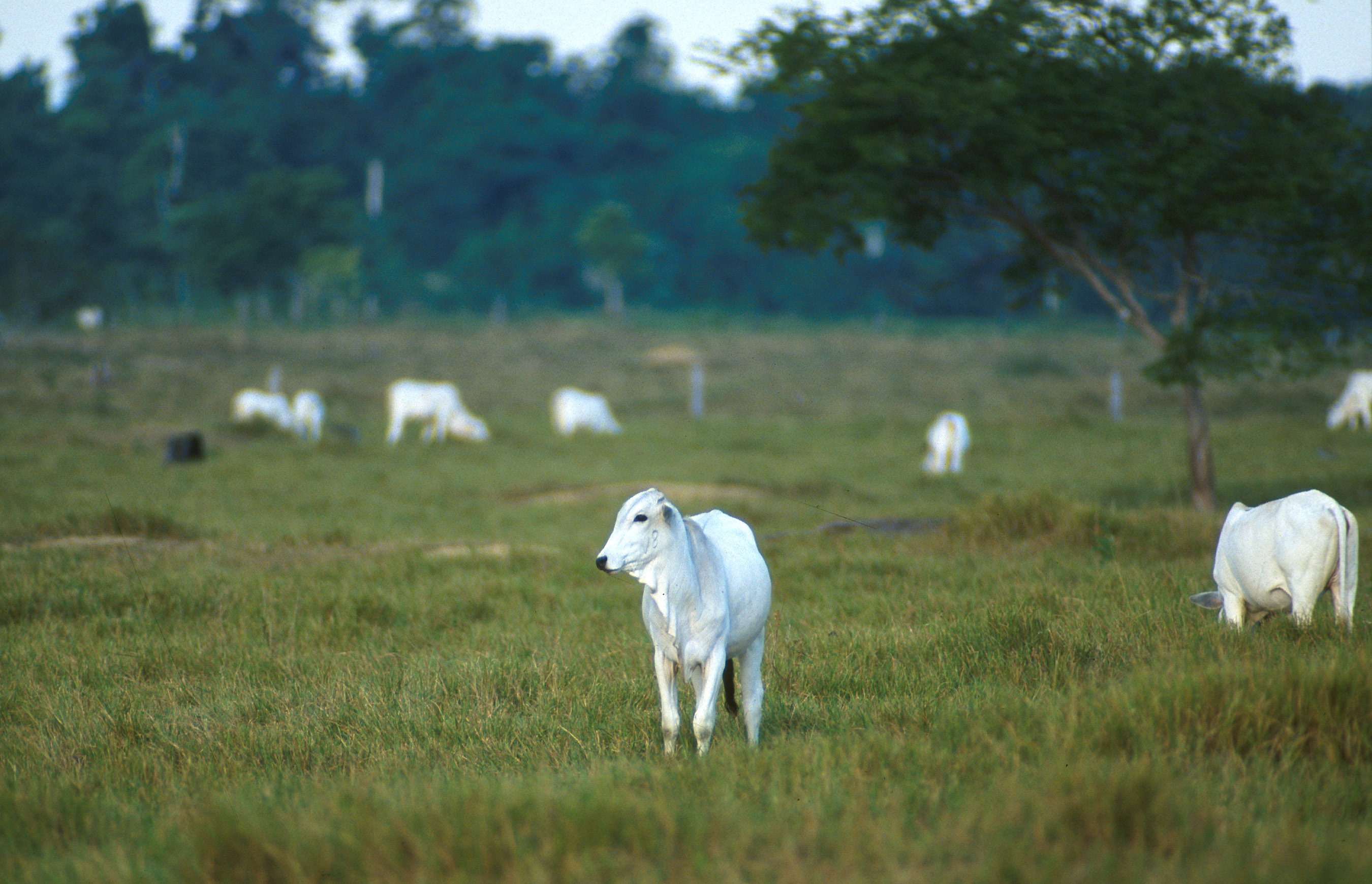
Researchers associated with Semear Digital, Embrapa, the University of São Paulo and the Federal University of Grande Dourados have tested drone-based monitoring of feedlot cattle in Mato Grosso do Sul, Brazil. The team followed a group over 112 days, flying at roughly 15 metres to capture images.
Computer-vision models detected animals, segmented their bodies and extracted measurements such as length and width. These observations were used to model growth over time and identify changes in growth rate that could inform management decisions.
The study concerns advanced development rather than a ready commercial weighing service. Researchers identify further validation, adaptation beyond Nelore cattle and an industrial partner as next steps. A growth-curve turning point alone does not establish the economically optimal sale date for every farm.
This report introduces information from the credited sources. Technical and performance claims belong to the cited organization unless explicitly described as independently assessed. Our coverage is not a product endorsement.
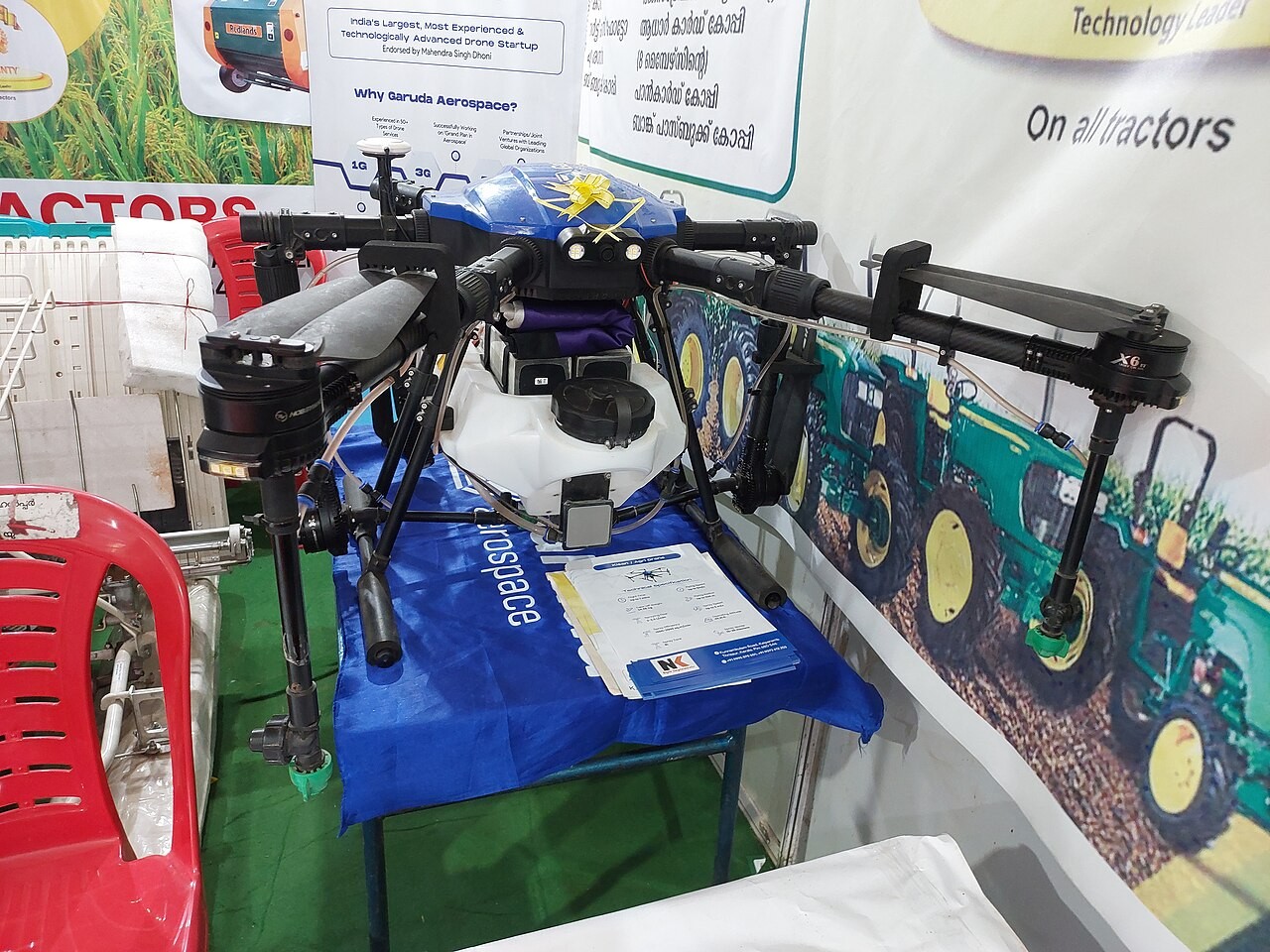
DJI announced the Agras T55 and a dual-battery spraying configuration for the T100, expanding its agricultural drone range with updated sensing and application hardware whose availability varies by region.
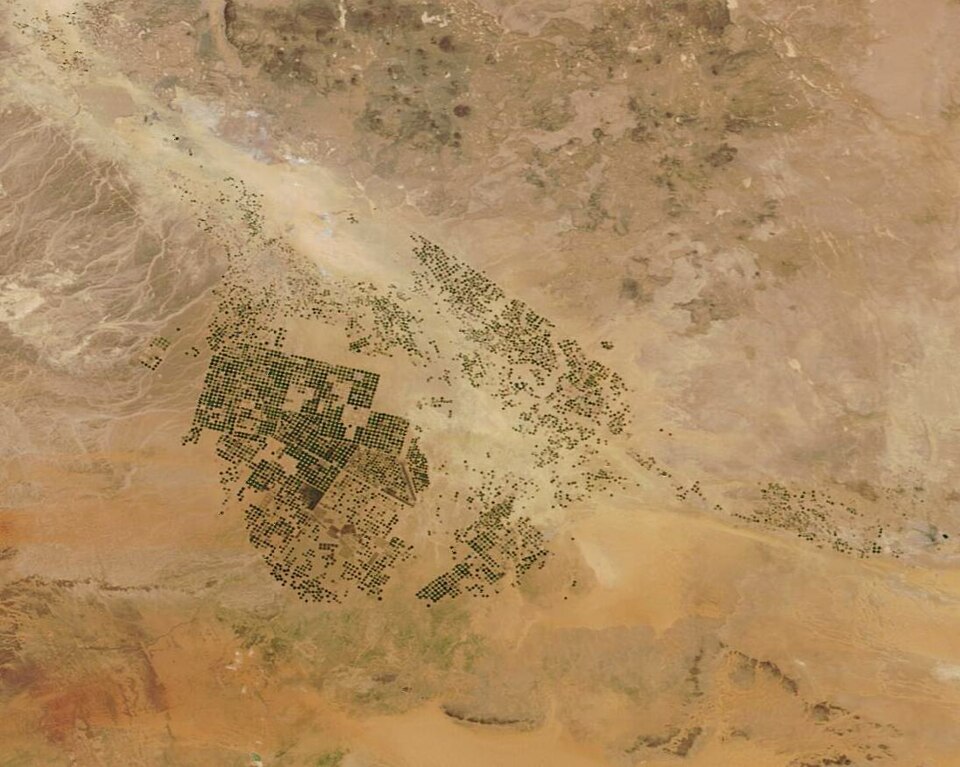
NASA reported that OpenET expanded its evapotranspiration data and tools across the contiguous United States, extending a service originally focused on western states to support broader agricultural water assessment.
University of Washington researchers combined a global canal map with SWOT satellite observations to assess water levels across extensive Asian irrigation networks, testing a new approach to monitoring agricultural infrastructure.