24 stories in Sensing & IoT.
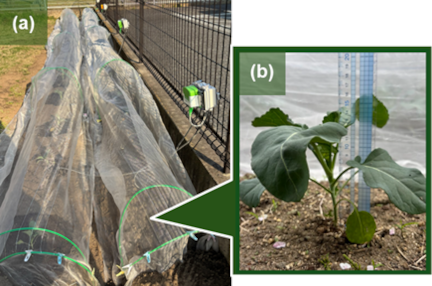
A low-cost monitoring module combines three-depth moisture measurements with weather variables to investigate broccoli growth in a small experimental plot.
Source Journal of Robotics and Mechatronics / Fuji Technology Press
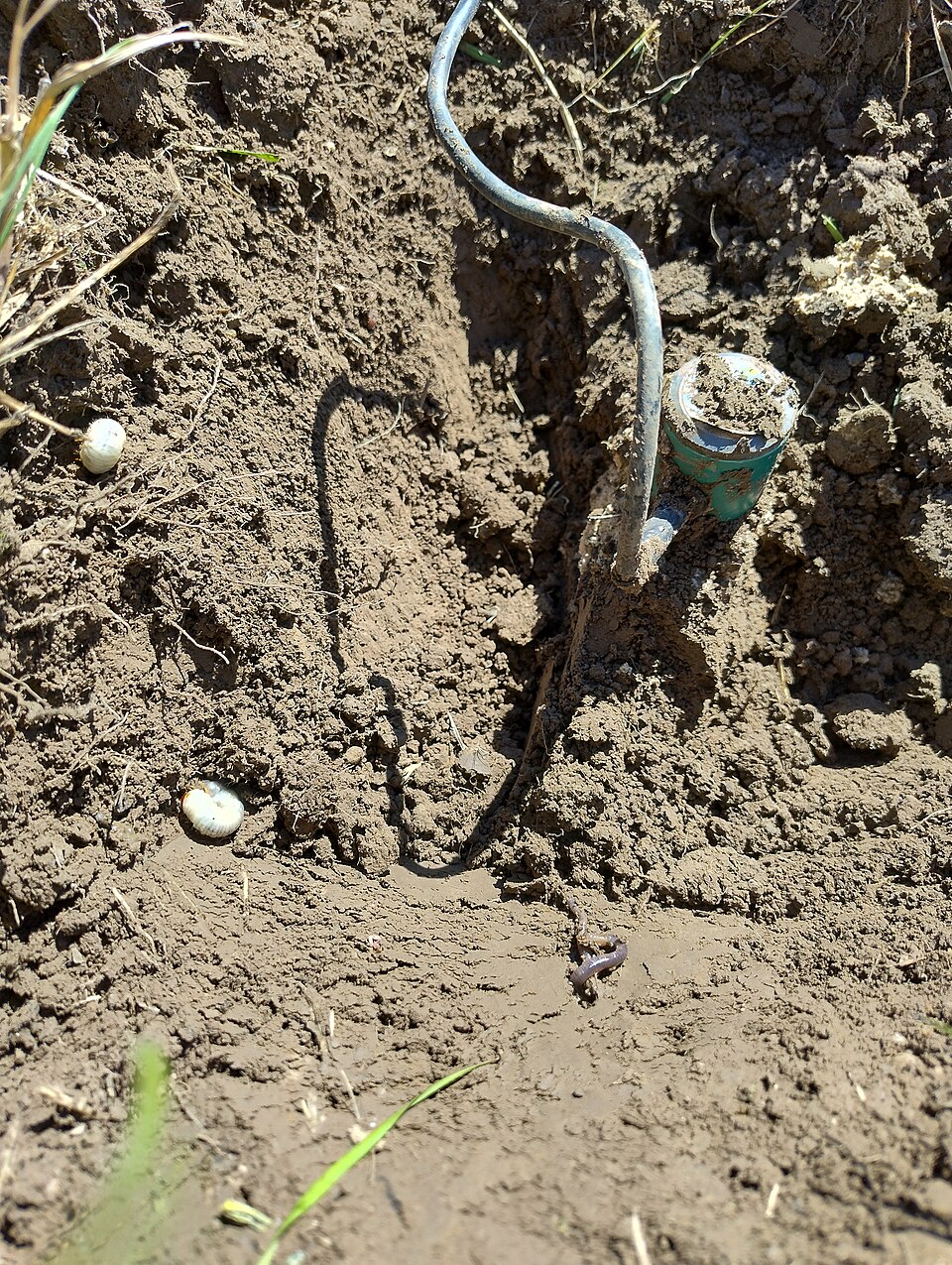
Australia’s Soil CRC chose Sentek to commercialise a buried wireless node designed to keep soil-data equipment out of the path of machinery and livestock.
Source Soil CRC
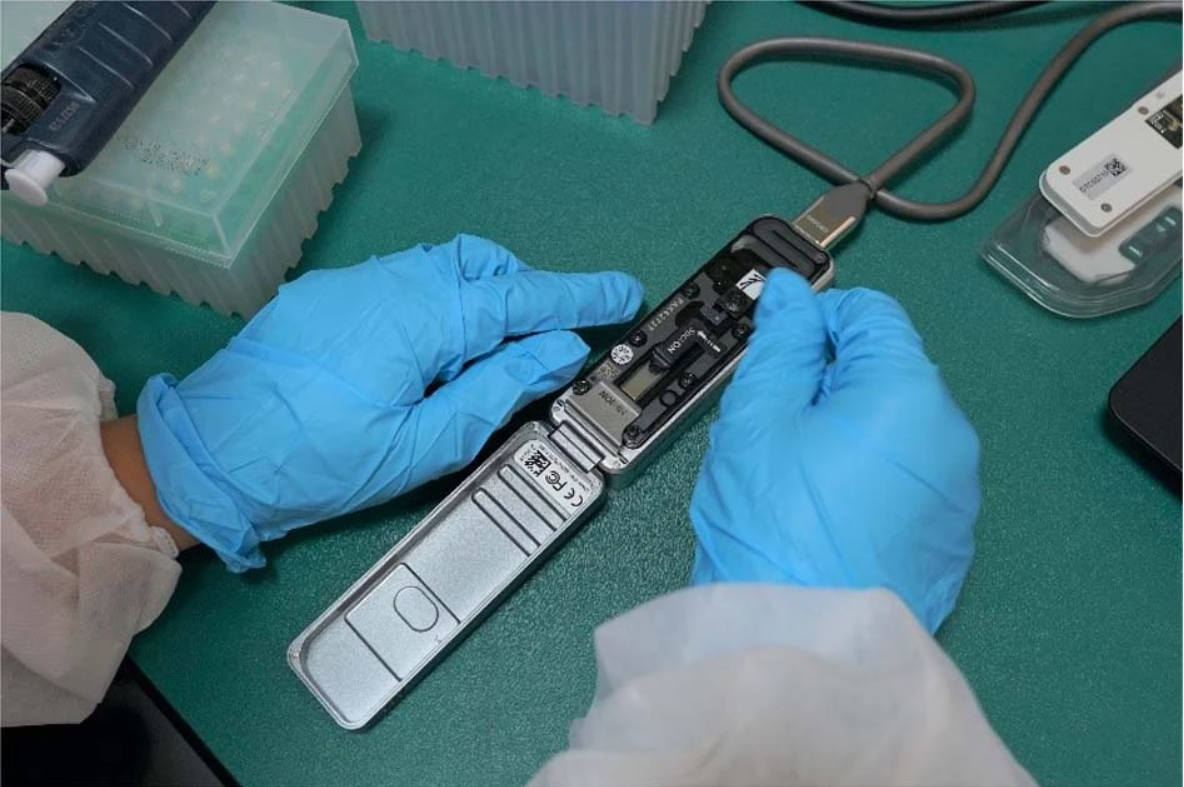
Curtin researchers are testing an approach to track fungicide-resistance mutations in grain pathogens, with partners across Australia and Europe.
Source Curtin University
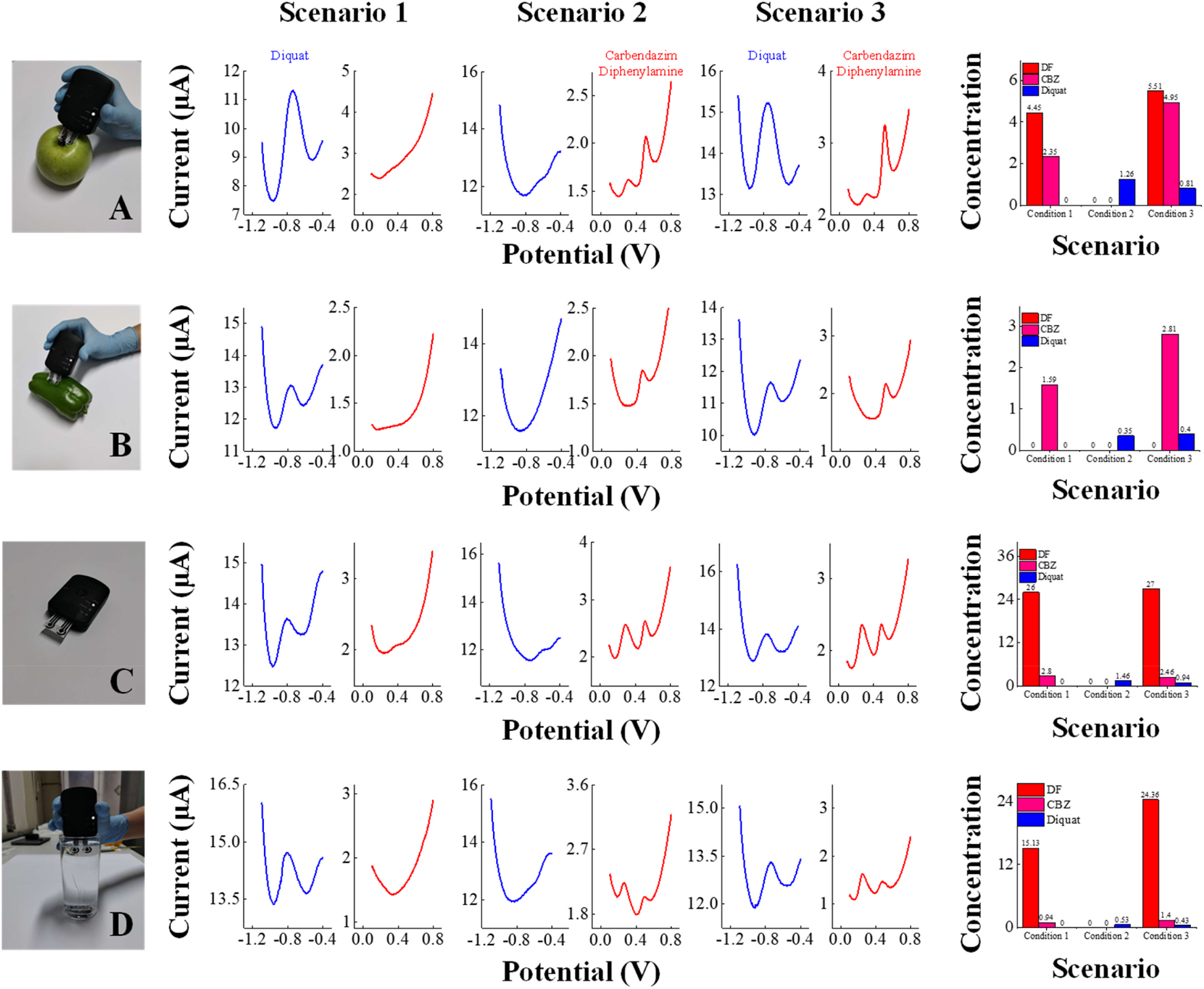
USP-led research couples flexible printed electrodes with a portable Bluetooth analyser to measure selected pesticides directly on fruit and vegetable surfaces.
Source Agência FAPESP
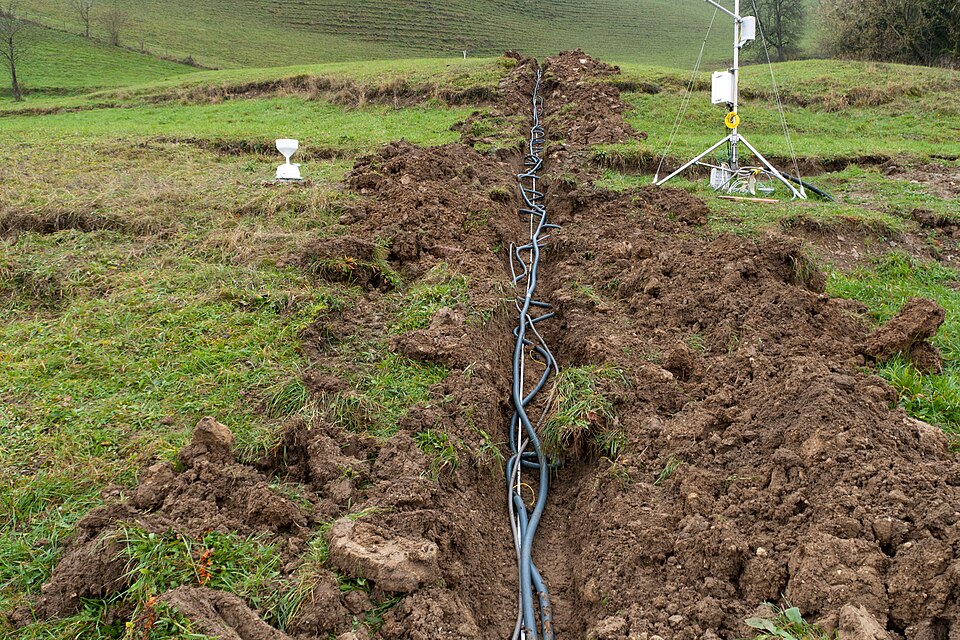
KNUST and international partners plan low-cost electrical resistivity monitoring to study how farming practices affect water beneath the soil surface.
Source KNUST Department of Physics
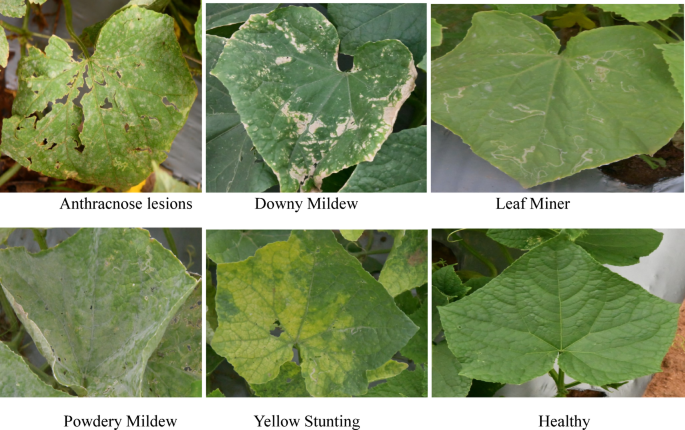
A published research system links field sensors, leaf photographs and a web dashboard to investigate cucumber crop-health monitoring in Karnataka.
Source Scientific Reports
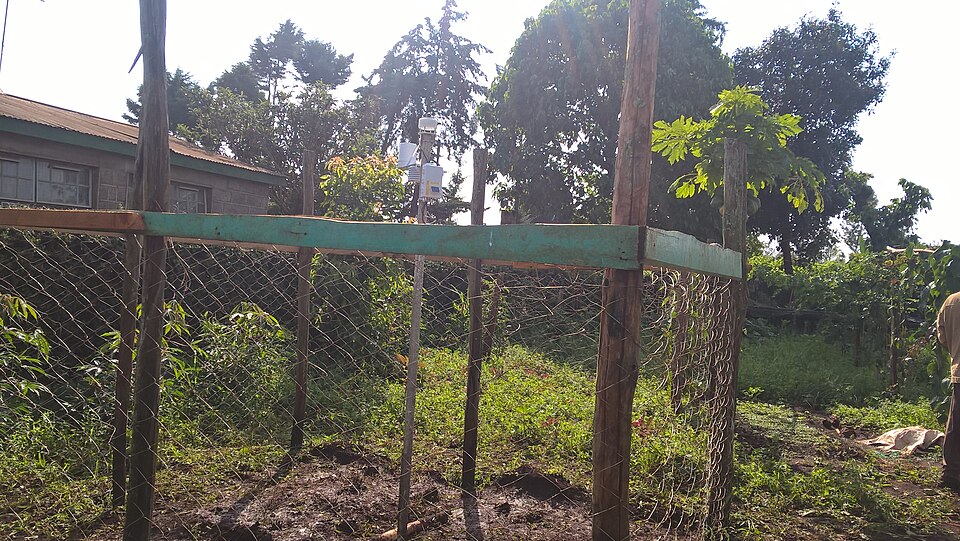
CARI reports a new sensor installation intended to support smallholder advice, agricultural research and climate-resilience demonstrations in Liberia.
Source Central Agricultural Research Institute, Liberia
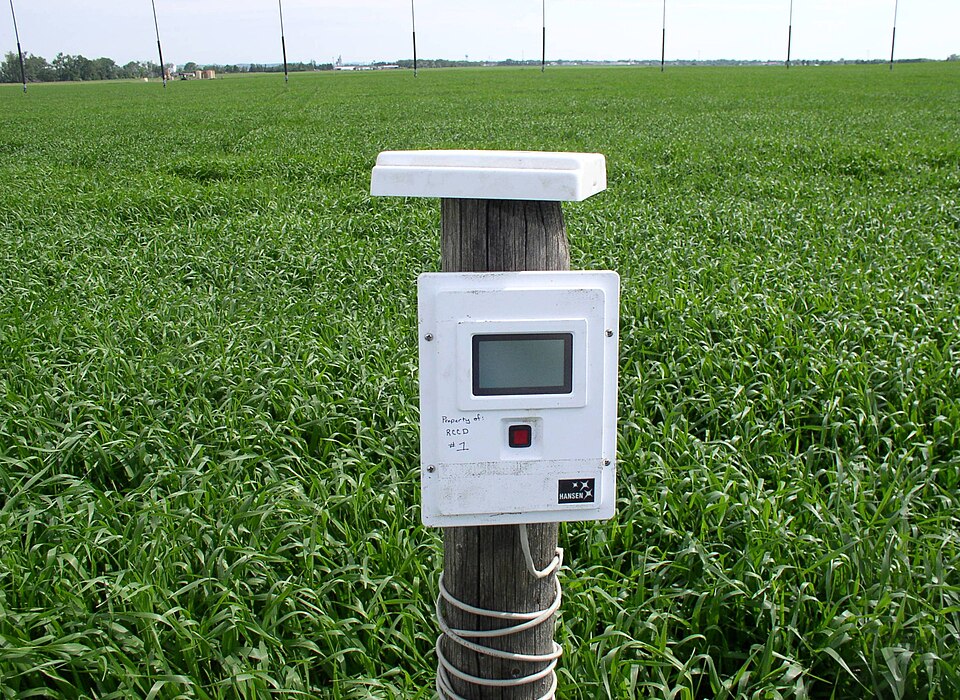
NDSU is connecting soil and microclimate measurements through LoRaWAN, supporting crop-disease, residue-management and irrigation research across its facilities.
Source North Dakota State University
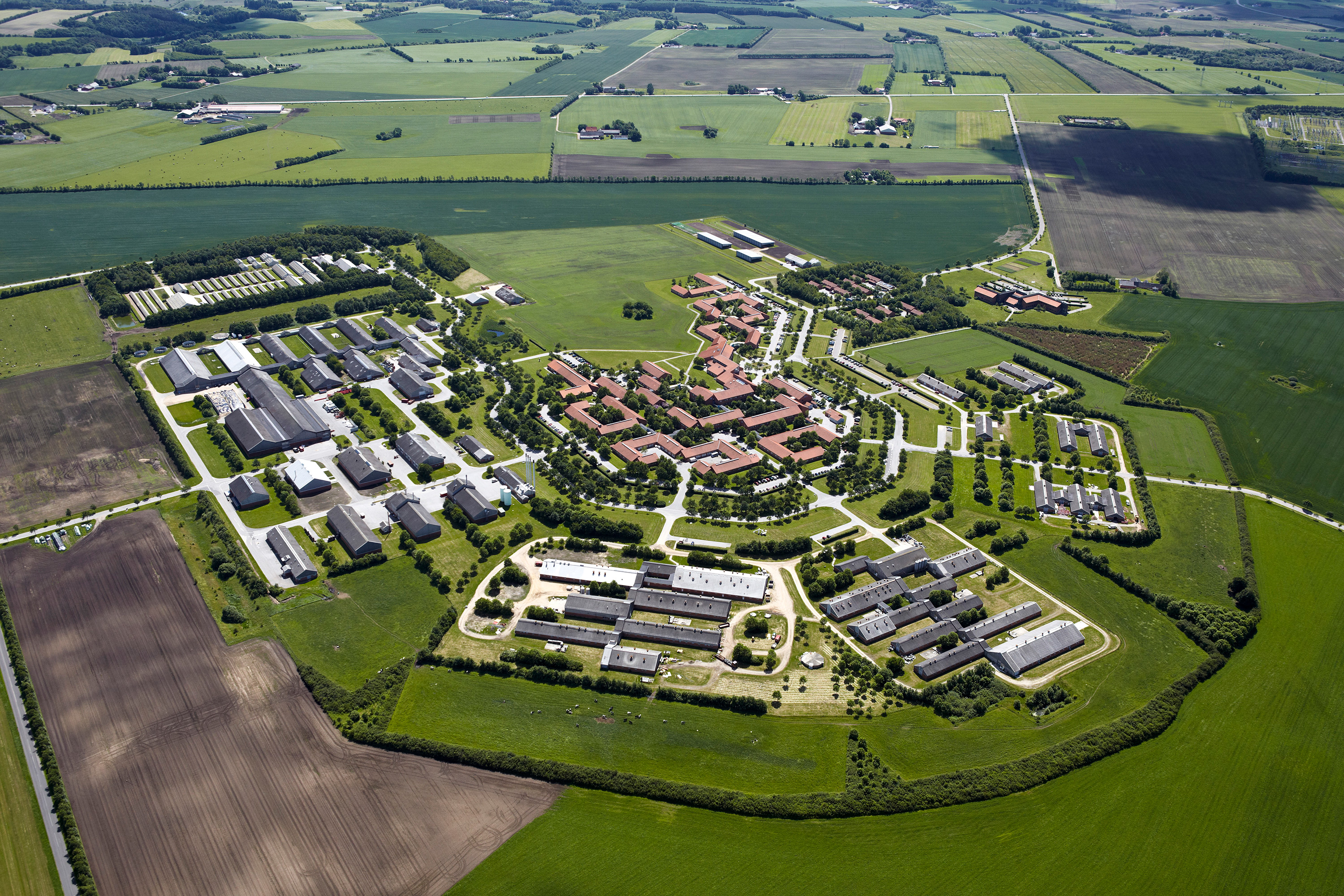
The OdinsAEye consortium will connect tractor-mounted cameras, weed recognition and farm software, backed by DKK 8.3 million from Innovation Fund Denmark.
Source Innovation Fund Denmark — press release
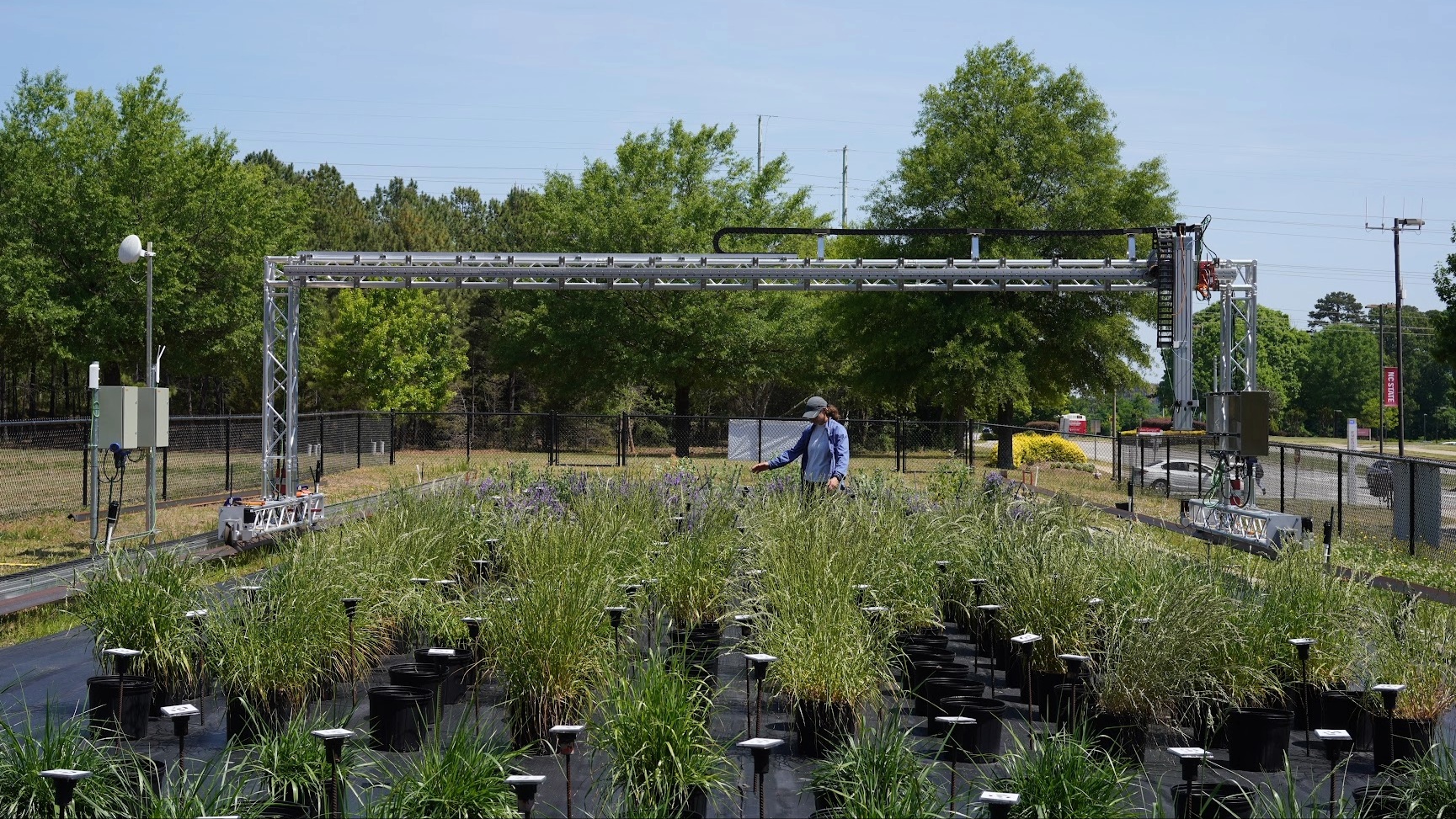
USDA’s Digital Agricultural Systems Hub combines crop imagery, machine-learning resources and deployable cameras to help move agricultural computer vision from research into practical field tools.
Source USDA ARS — Scientific Discoveries
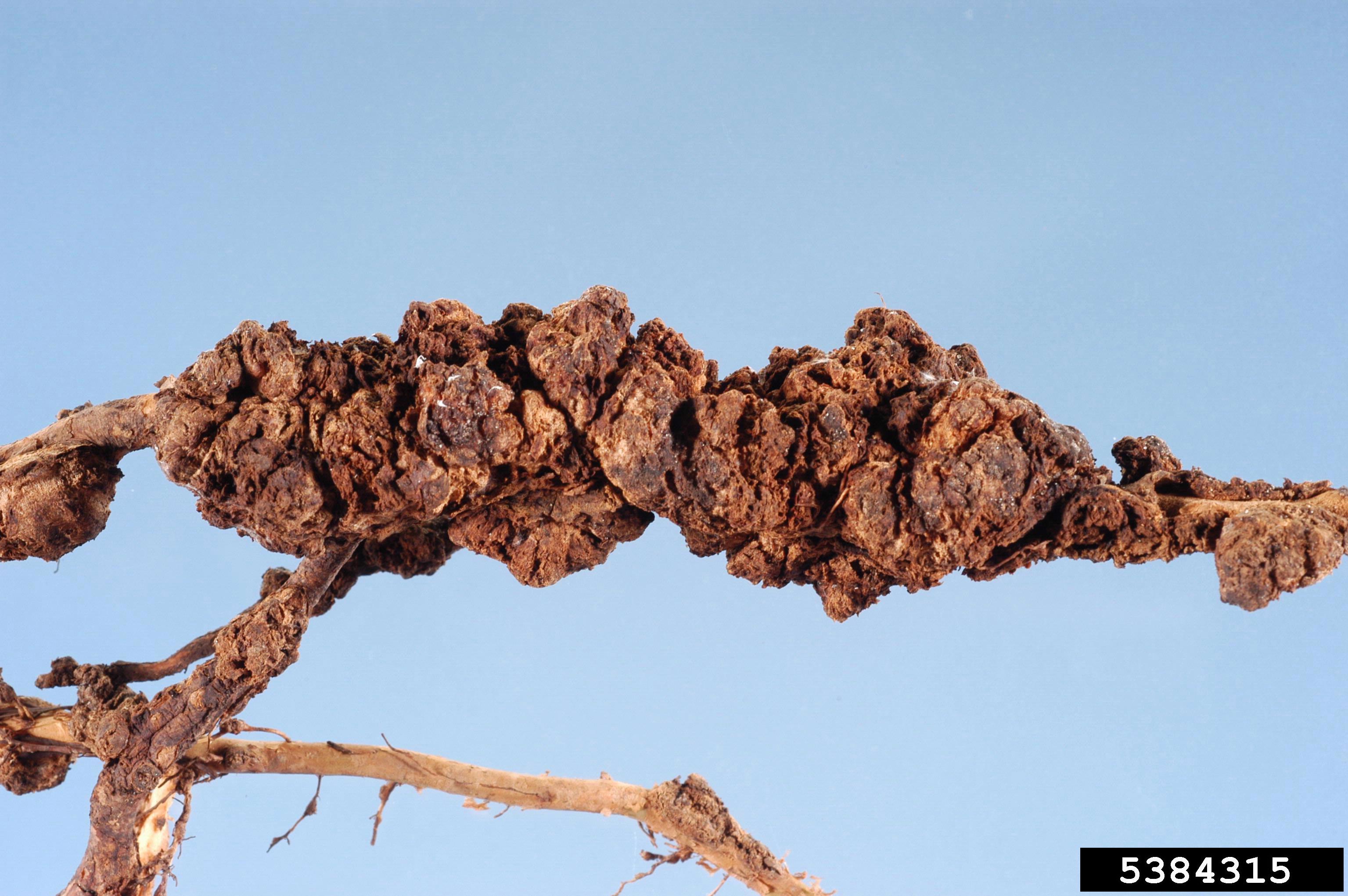
Cambridge researchers report a major increase in laboratory screening capacity by automating images of plant-parasitic nematodes, with crop applications still a next step.
Source King's College Cambridge
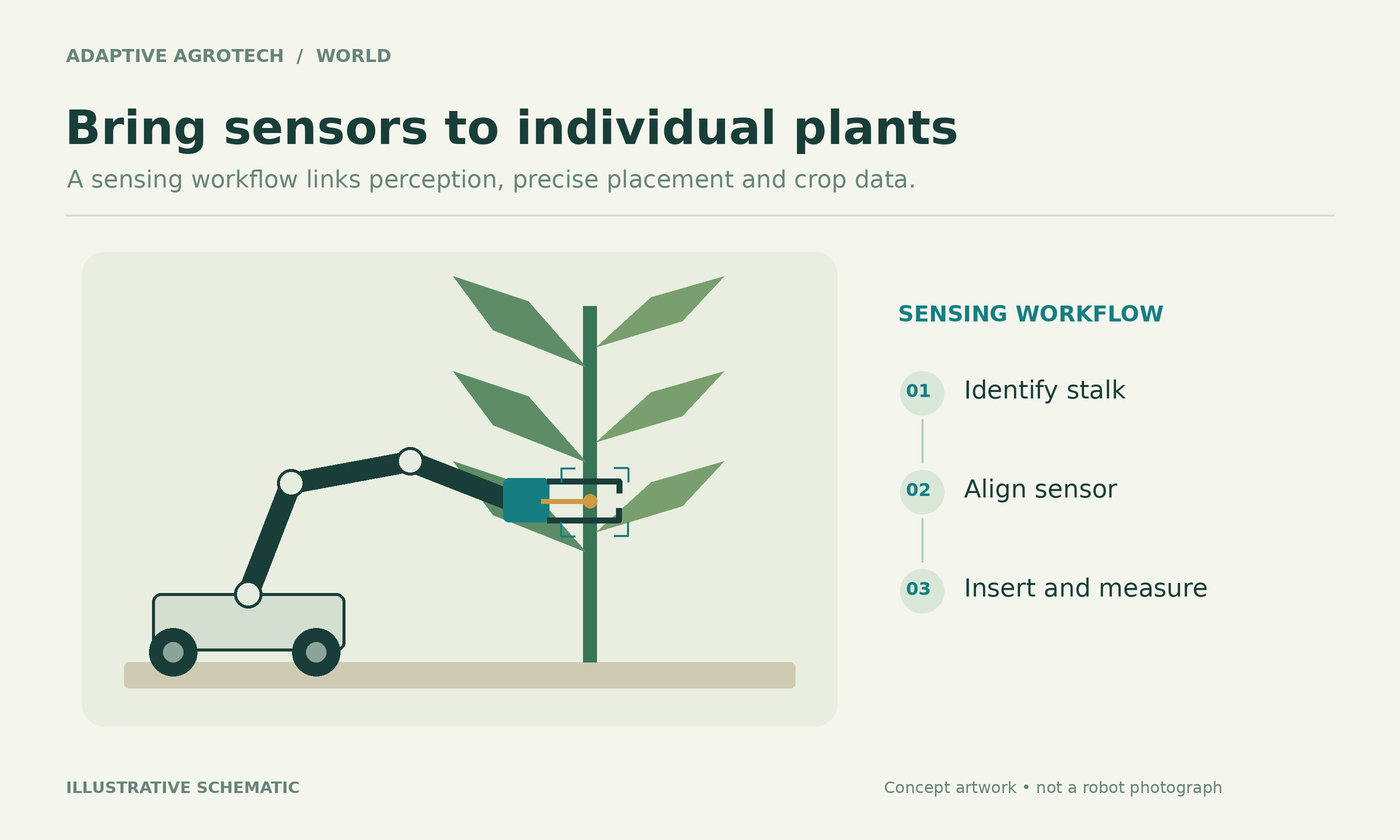
Historical example: Carnegie Mellon and Iowa State researchers combined stalk detection, a custom gripper and plant nutrient sensors.
Source Carnegie Mellon University — Robotics Institute