KNUST's West Africa Geophysics Lab announced a partnership with the British Geological Survey, Ghana's CSIR-Crops Research Institute, the University of Nottingham and the Alliance of Bioversity International and CIAT. The UKRI-STFC-funded work will apply geophysical methods to climate-resilient agriculture.
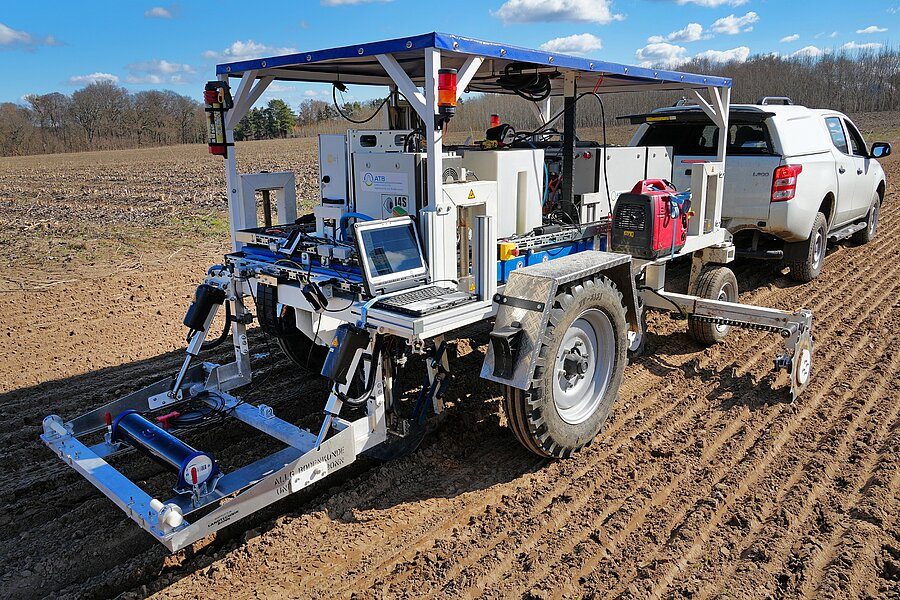
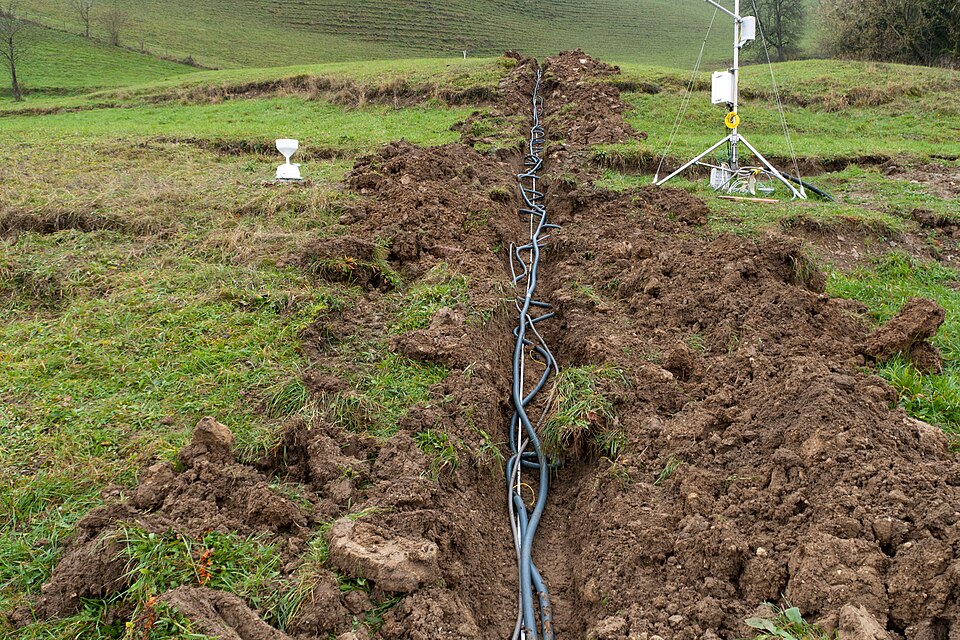
Researchers plan to develop and deploy low-cost electrical resistivity tomography systems at CSIR experimental fields in Ghana. Repeated measurements will help investigate soil-water movement alongside practices including residue management, conservation tillage and intercropping. The work connects subsurface observations with agronomic research.
The September report describes the project kickoff and preparations for constructing, installing and testing the monitoring systems. It also identifies training for early-career researchers and gender equity as priorities. Findings and farm benefits remain objectives of the collaboration rather than completed results.