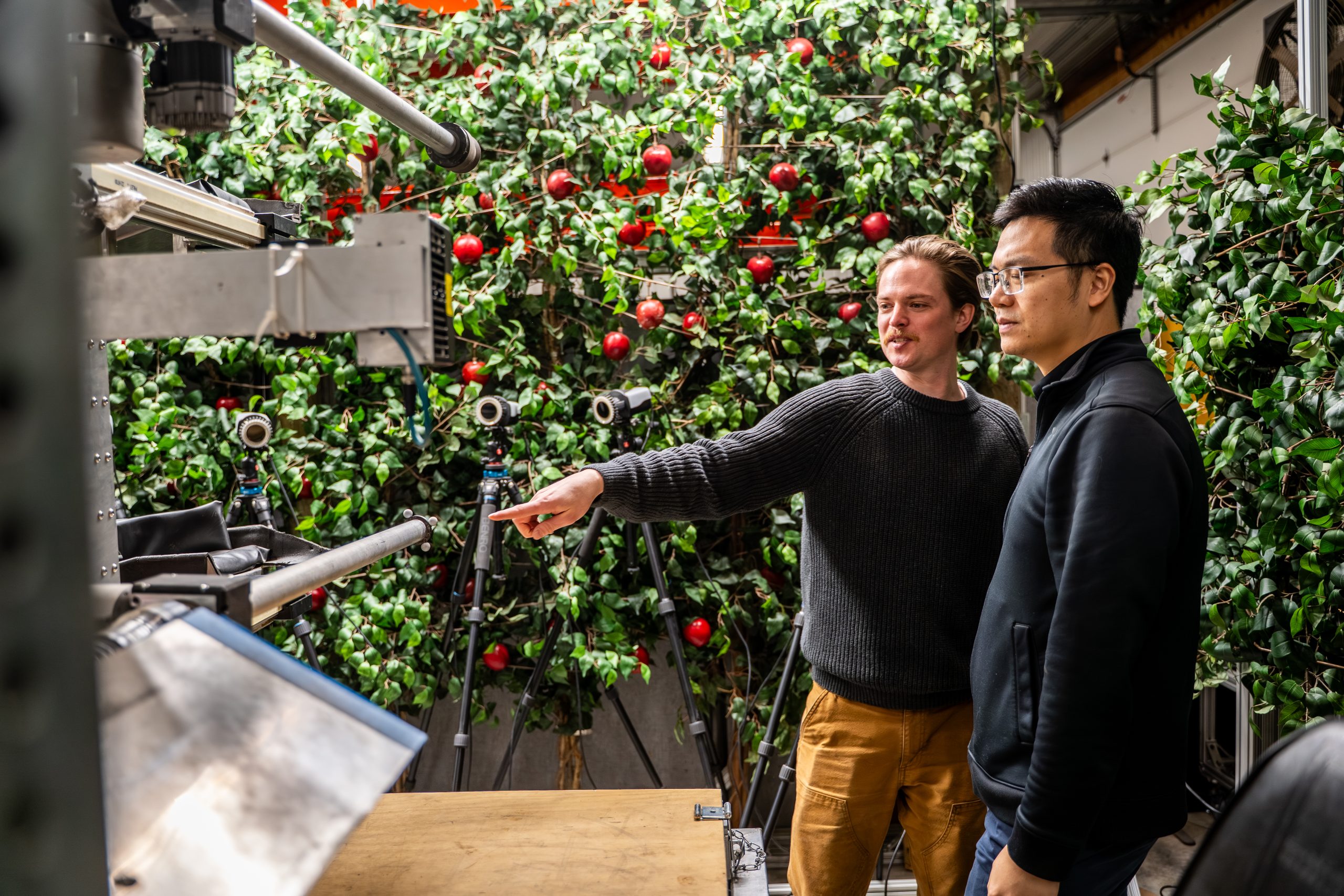
Cornell-linked Ficio tests in-orchard apple quality sorting
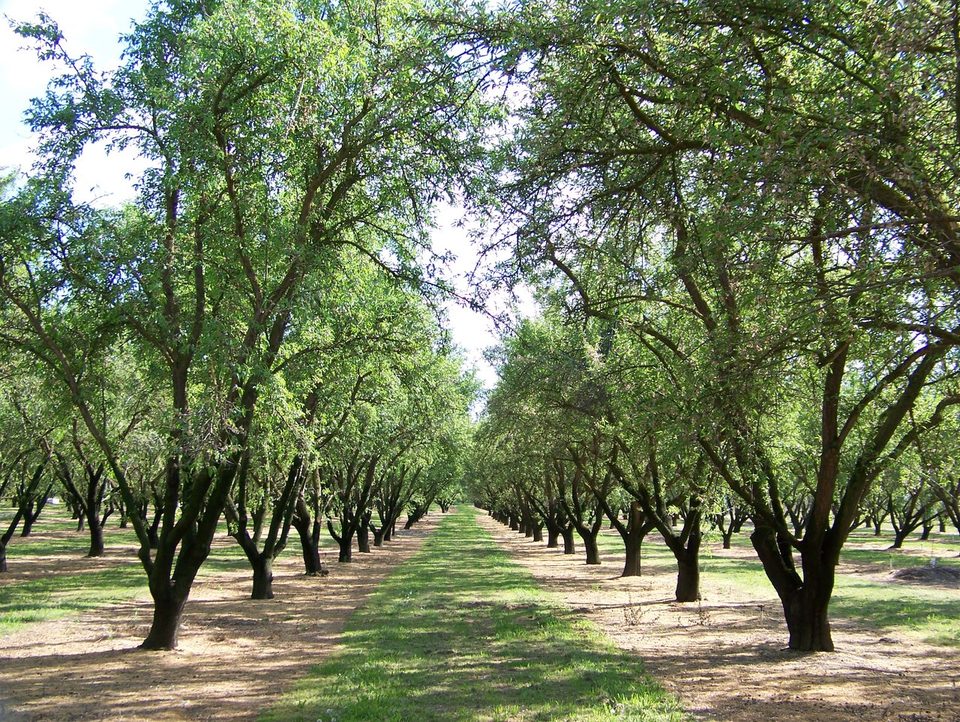
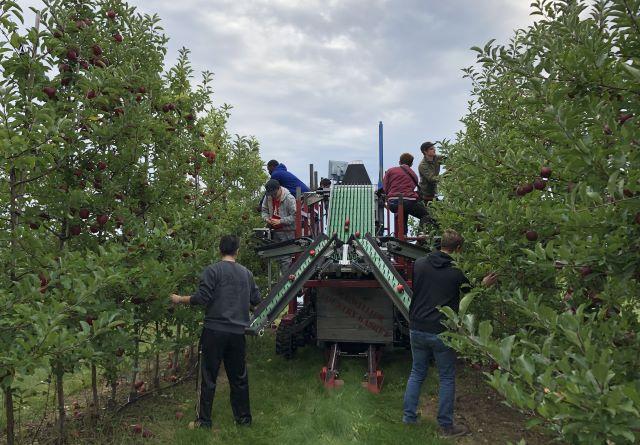
Ficio’s FieldSorter system uses machine vision to assess apple defects in orchard rows and connect grade information to the trees where fruit was grown.
Source Cornell Chronicle
Following the machines, people and ideas shaping agriculture. Selected developments, clear context and a link to the original source.
Robotics. Intelligence. Agriculture.
12 stories matching “Machine vision”.
Ficio’s FieldSorter system uses machine vision to assess apple defects in orchard rows and connect grade information to the trees where fruit was grown.
University of Idaho students developed a battery-powered robot that distinguishes weeds from tree seedlings and applies electricity, with nursery demonstrations pointing toward an alternative to repeated hand weeding.
Dorset Council announced testing of Raggy, an electric robot that combines machine vision and mechanical removal to control ragwort where the plant poses a risk to grazing livestock.
Michigan State researchers described a two-arm apple-picking robot with three-dimensional vision and soft suction grippers, citing prototype performance while planning a larger multi-module harvesting platform.
UC Davis hosted the 2025 IFAC agricultural-control conference, whose programme linked plant and soil sensing, machine vision, robotic operations and control of agricultural machinery and implements.
National Taiwan University’s April 2024 newsletter highlighted an agricultural-science award for a pest-monitoring system combining image recognition, embedded computing and wireless links for greenhouse and outdoor crop management.
CNH announced a minority investment in California’s Advanced Farm Technologies in 2023, linking robotics research and commercial development for harvesting apples, strawberries and other high-value fruit crops.
The GUDP-supported FarmDroid Vision project is developing AI camera capabilities for the Danish field robot, including recognizing failed emergence and working in crops that the robot did not sow.
Verdant Robotics announced the 2025 Sharpshooter in October 2024, combining crop recognition with steerable spray targeting for weed control, thinning and other applications in specialty-crop production systems.
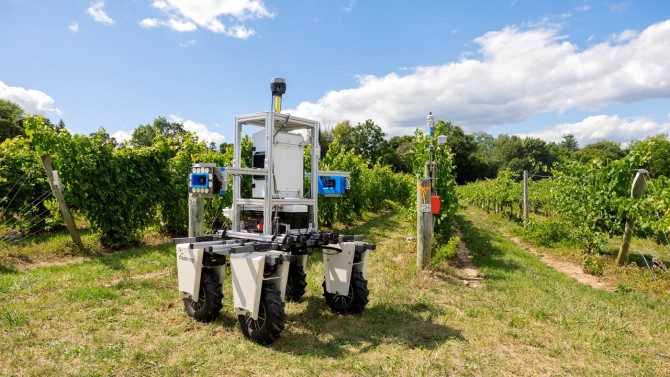
Cornell reported field evaluations of PhytoPatholoBot in September 2025, combining autonomous row travel and canopy imaging to assess grape disease with performance comparable to experienced scouts in the study.
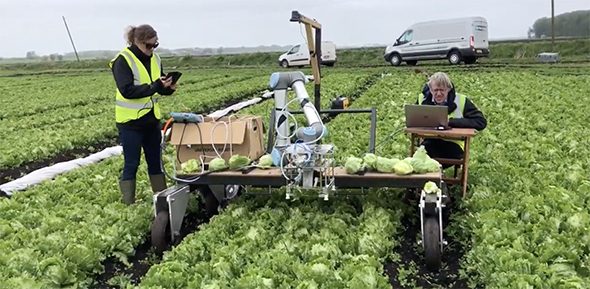
In July 2019, Cambridge reported field tests of a lettuce-harvesting prototype that identified suitable heads and controlled cutting and gripping, while openly acknowledging that human workers remained faster.
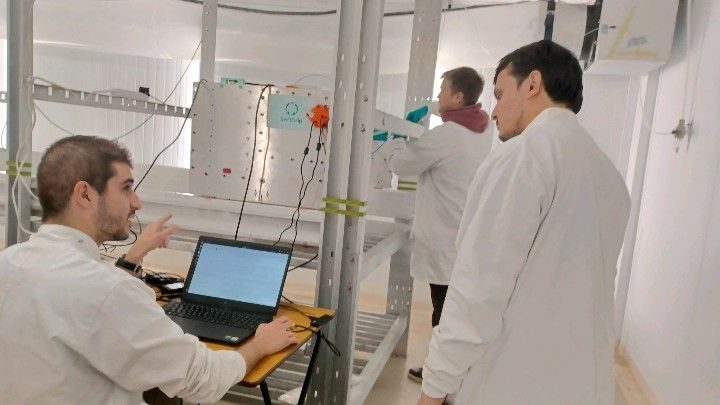
The European project combined soft gripping and machine vision in a harvesting prototype, with trials in Greece and Ireland revealing both successful picks and the impact of real facility constraints.