53 stories matching “ARA”.
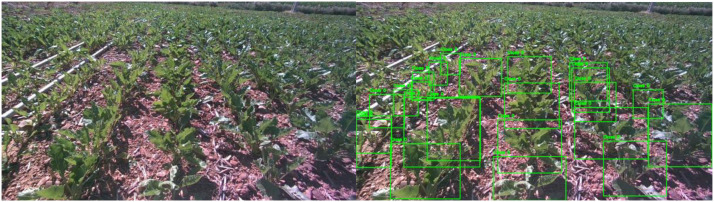
University of León researchers publish annotated field images collected by a ground robot, providing a reusable resource for crop-detection development.
Source Data in Brief / University of León
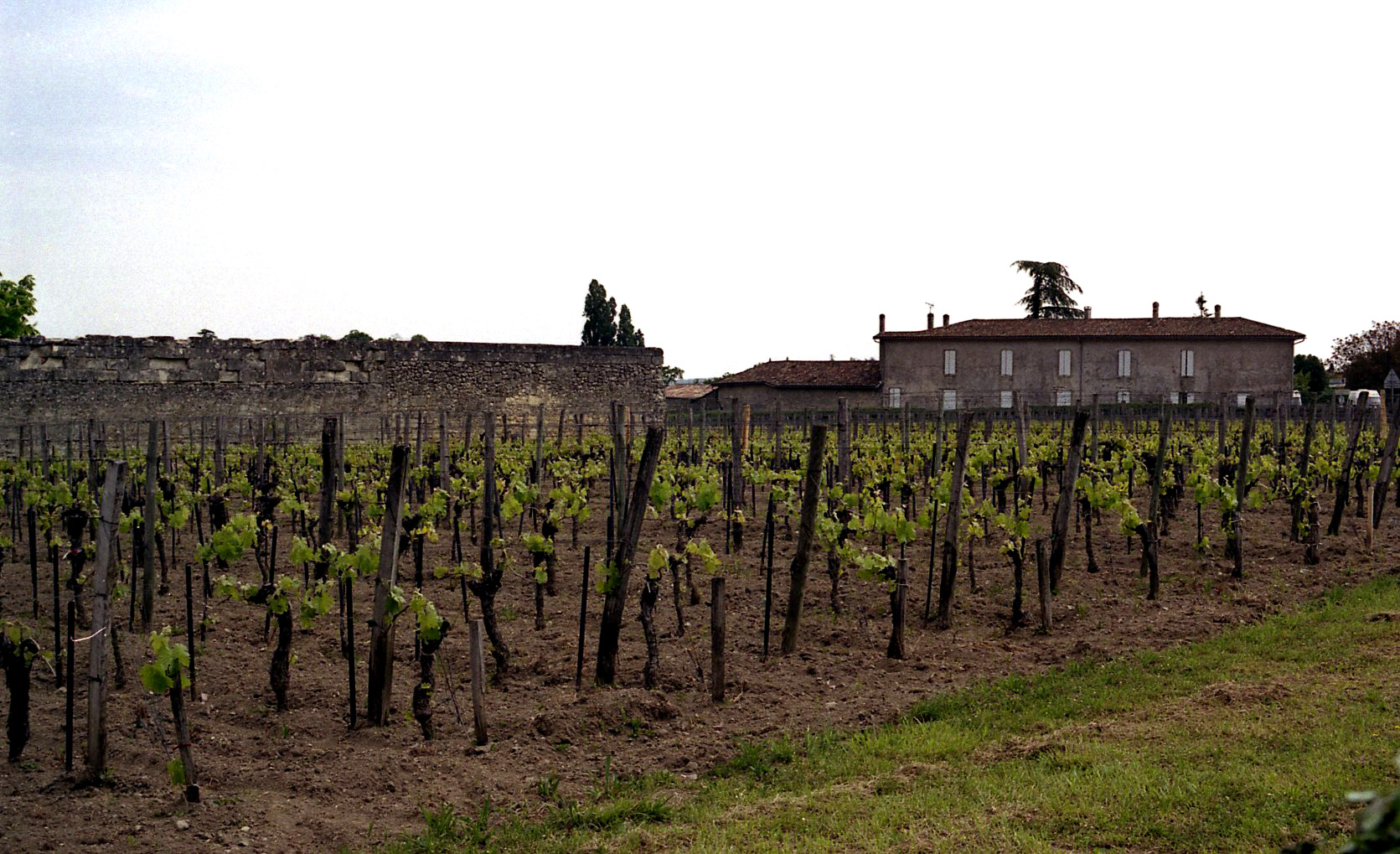
Promodis support gives INRAE’s experimental facility additional autonomous tractors for evaluating robotics in vegetable production and vineyards.
Source INRAE Roboterrium
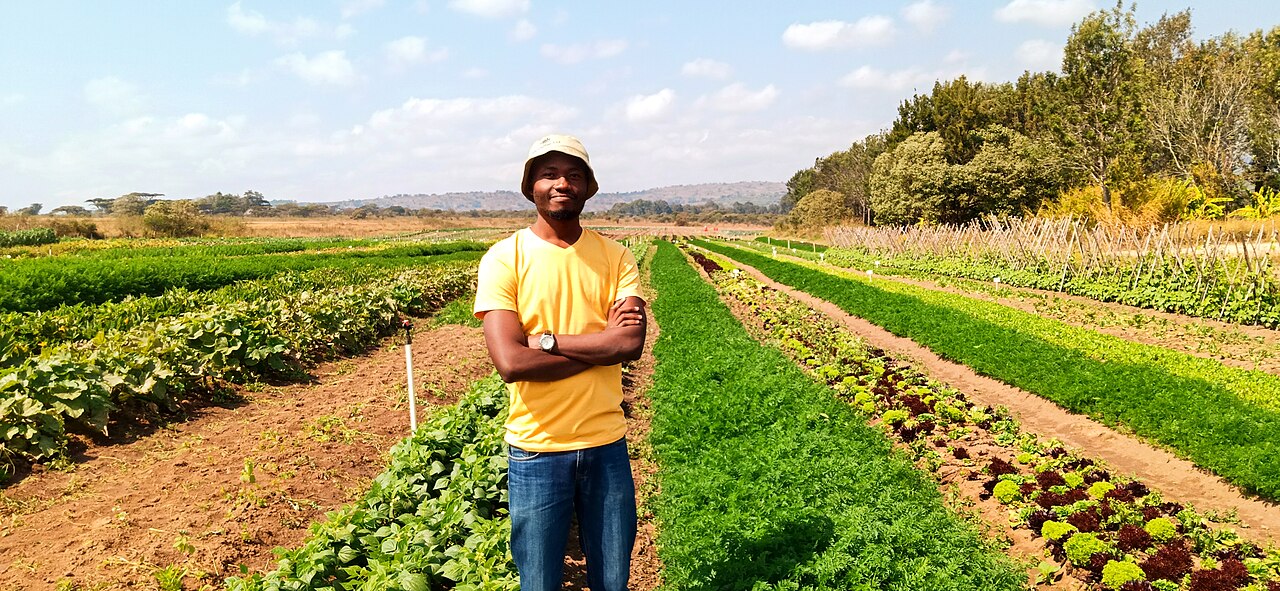
Aga Khan University and Simon Fraser University are examining how LiteWeed can fit East African farming conditions and community priorities.
Source The Aga Khan University
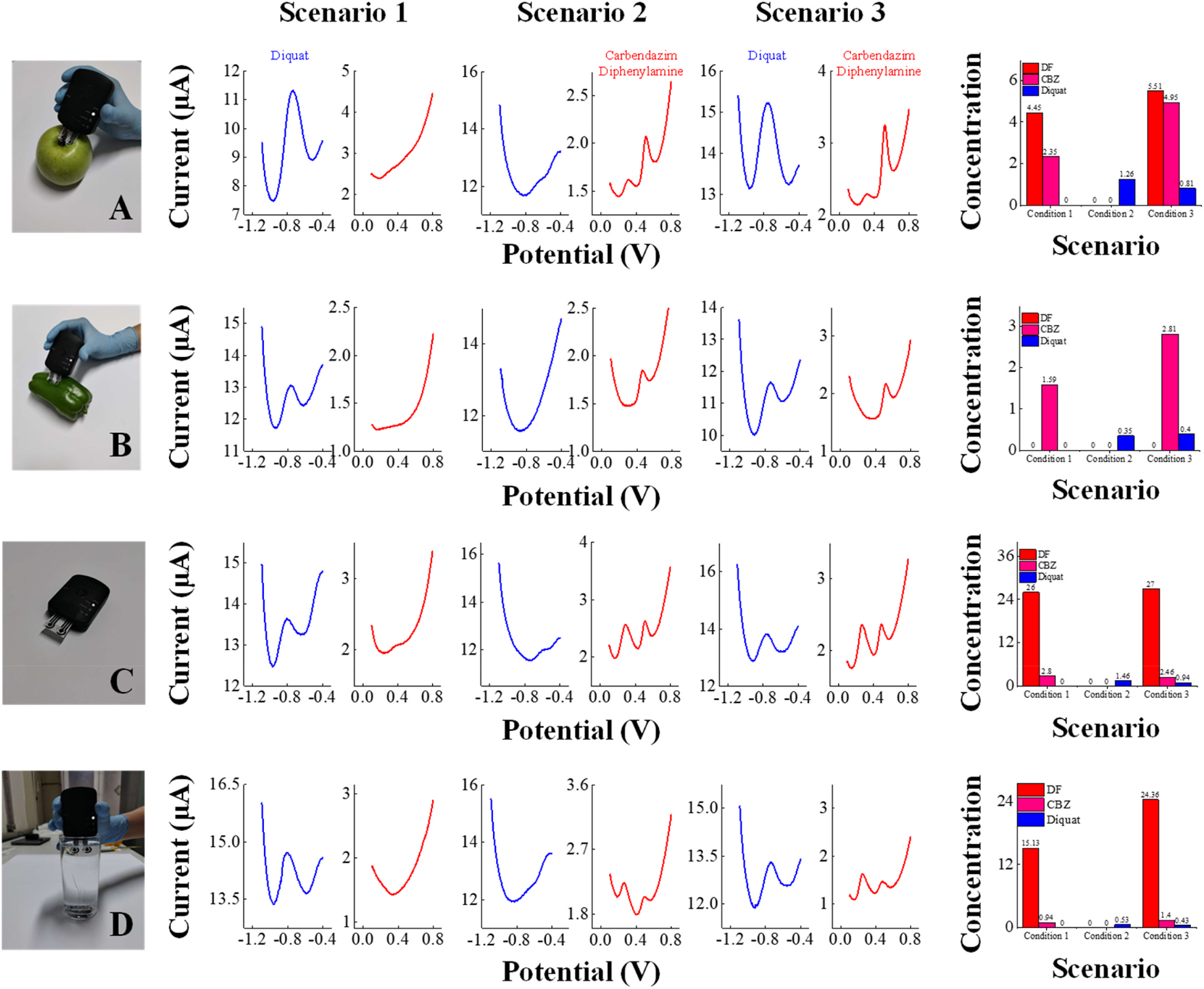
USP-led research couples flexible printed electrodes with a portable Bluetooth analyser to measure selected pesticides directly on fruit and vegetable surfaces.
Source Agência FAPESP
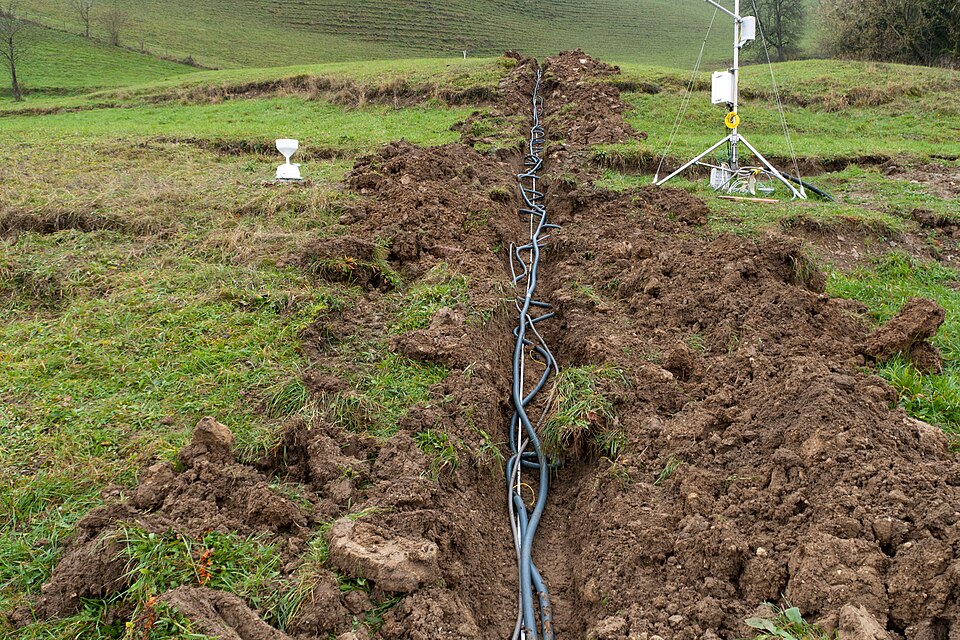
KNUST and international partners plan low-cost electrical resistivity monitoring to study how farming practices affect water beneath the soil surface.
Source KNUST Department of Physics
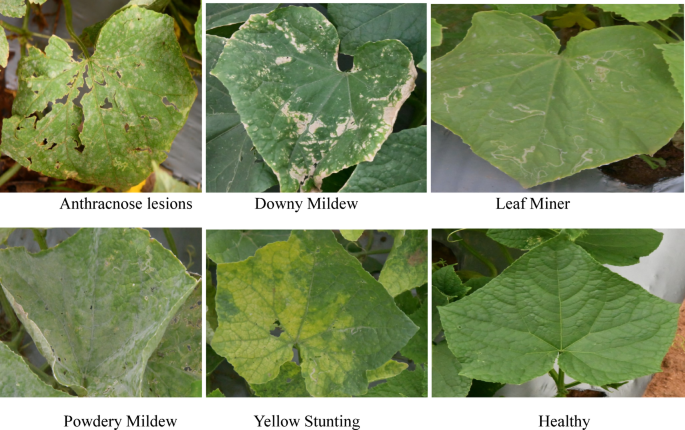
A published research system links field sensors, leaf photographs and a web dashboard to investigate cucumber crop-health monitoring in Karnataka.
Source Scientific Reports
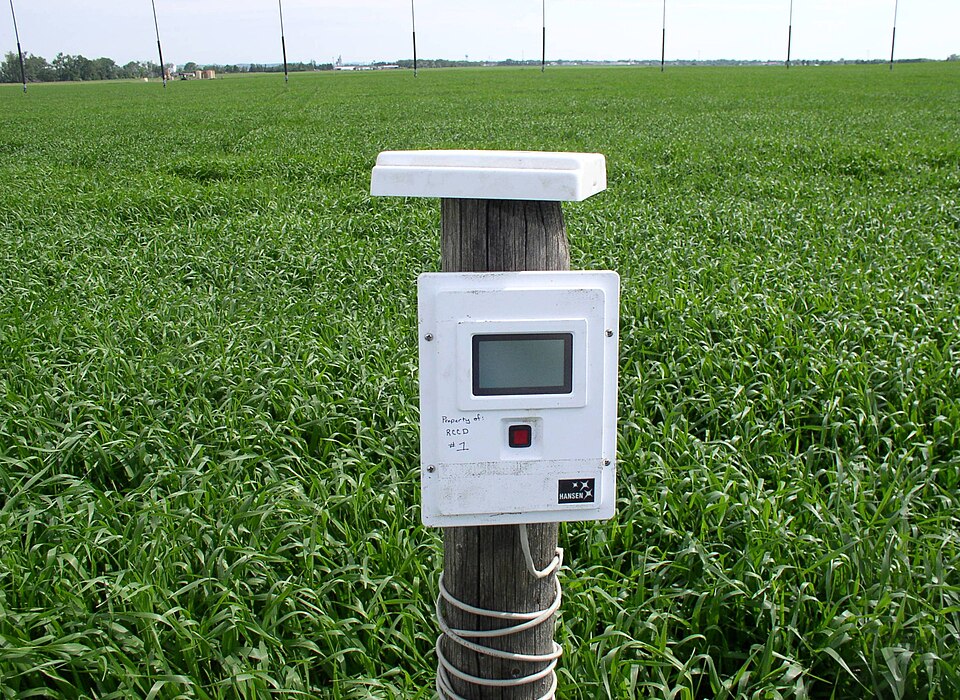
NDSU is connecting soil and microclimate measurements through LoRaWAN, supporting crop-disease, residue-management and irrigation research across its facilities.
Source North Dakota State University

Arkansas graduates won two competitions in Indianapolis, including a strawberry processing prototype combining vision, motion control and safety systems.
Source University of Arkansas

ISPA’s July conference report describes regional coordination in Brazil, including broader participation and closer links among research, industry and scientific associations.
Source International Society of Precision Agriculture
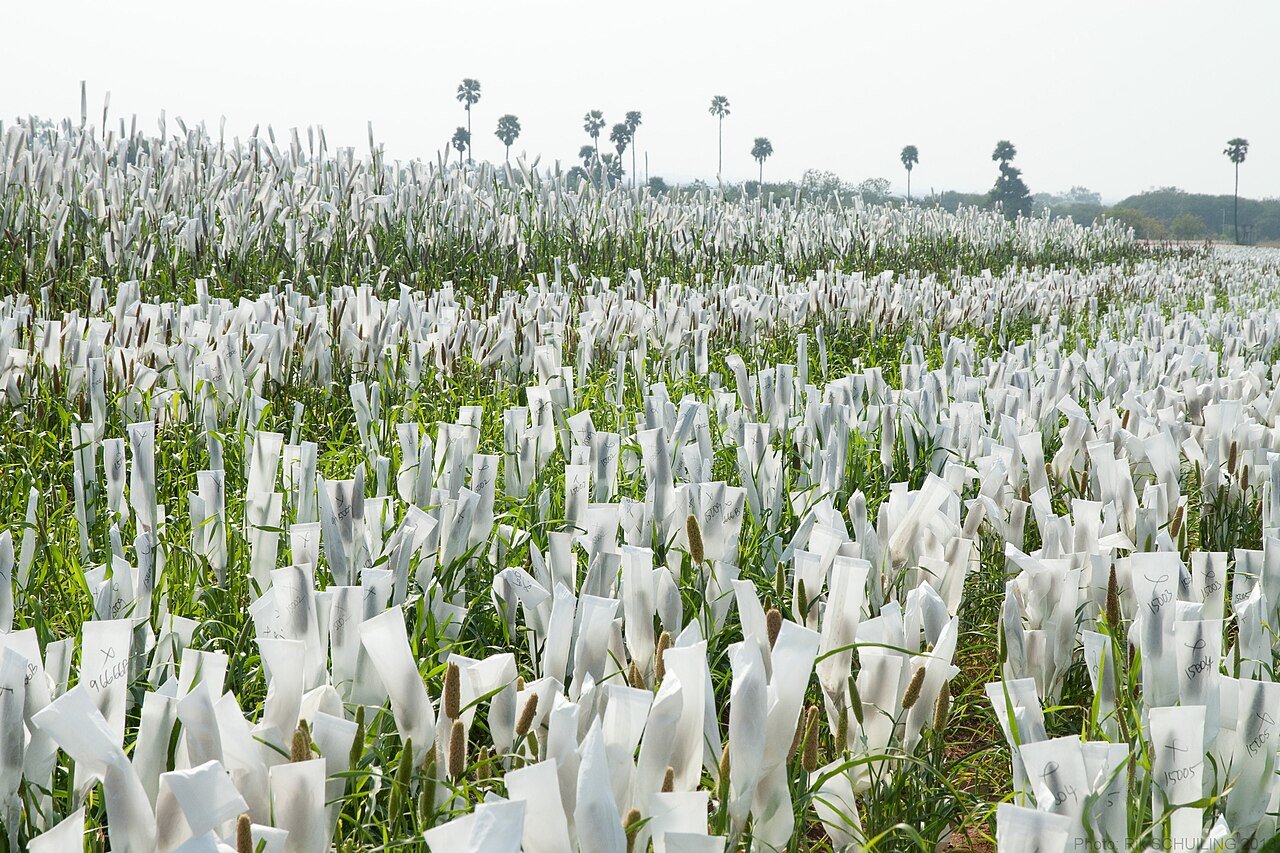
India’s Dryland Congress concluded with a shared cooperation agenda and recognition for innovations from across the Global South.
Source ICRISAT
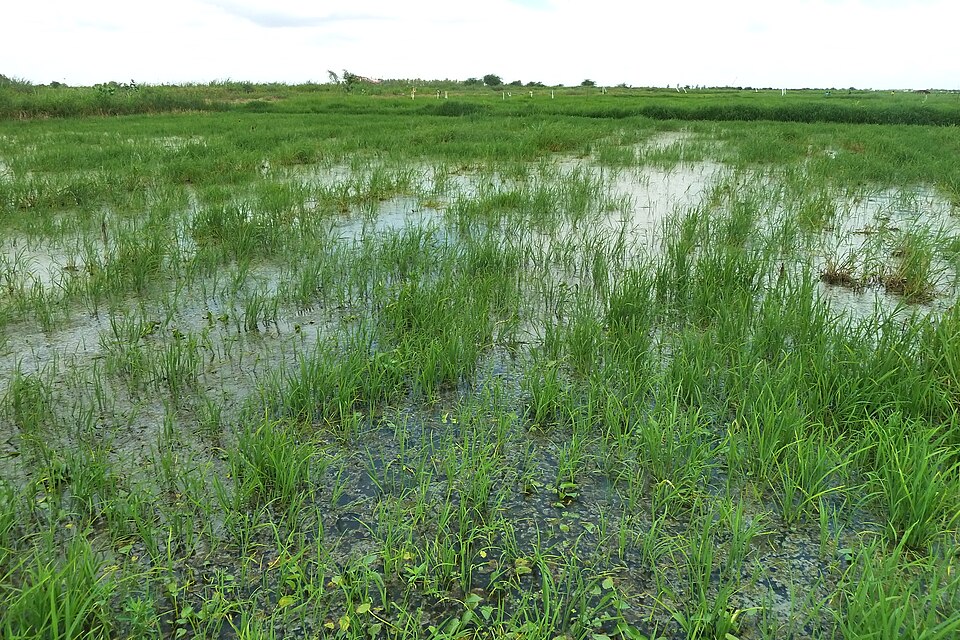
An Earth-observation demonstrator for RICOWAS is being designed around geolocated farm records and the realities of a West African adaptation programme.
Source ESA Global Development Assistance
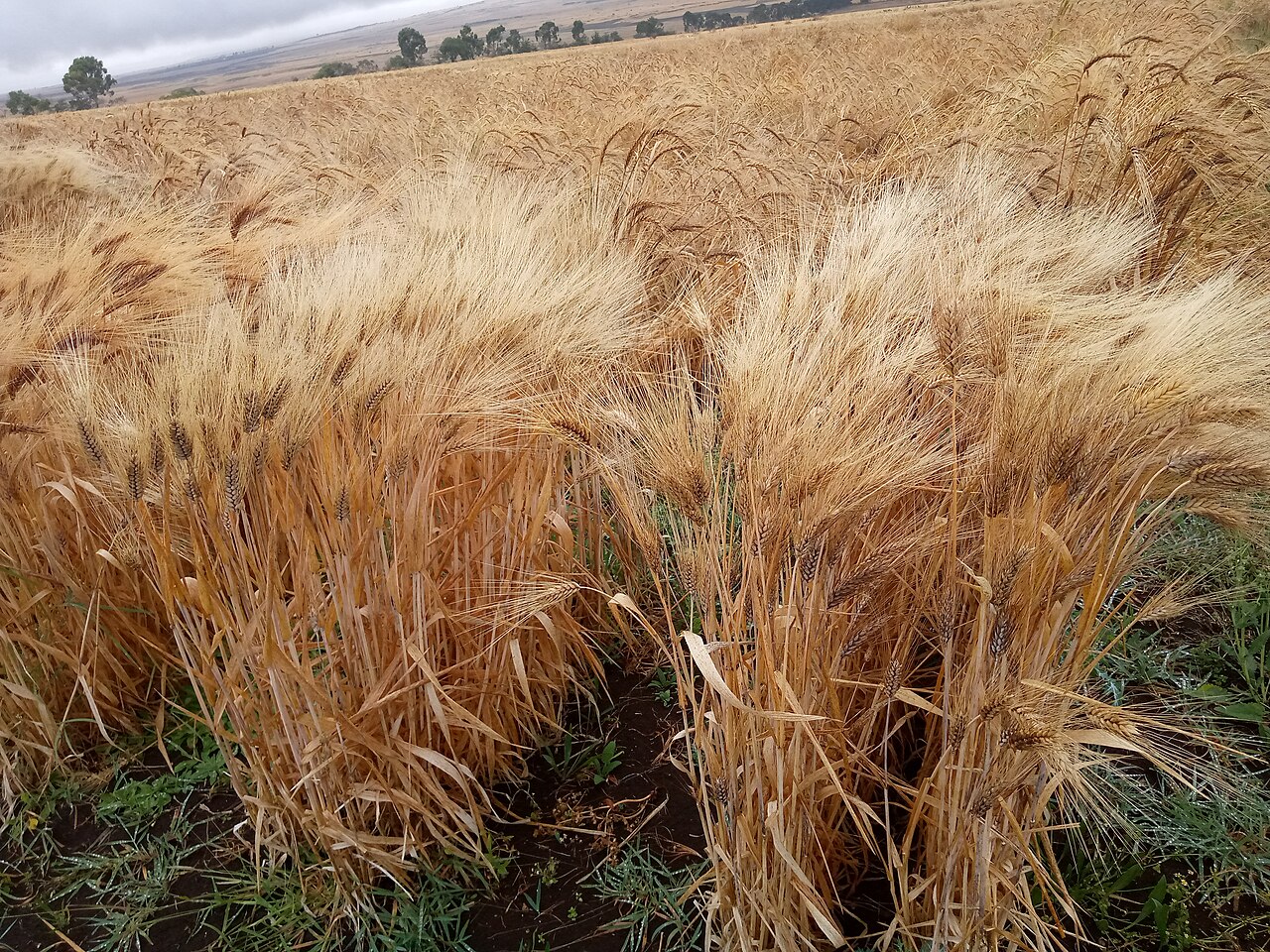
CGIAR reports that the HaFAS advisory system reached 49,000 Ethiopian farmers in 2025, combining field evidence, digital delivery and extension support.
Source CGIAR