9 stories matching “University of Cambridge”.
Cambridge researchers combined live imaging and gene-expression mapping to show that fungal structures inside rice roots differ in lifespan and nutrient-transfer activity, complicating simple measures of beneficial colonisation.
Source Crop Science Centre, University of Cambridge (publication day unspecified; checked 24 October 2026)
Cambridge and Berkeley researchers found that removing antenna protein CP26 changes photosynthetic behaviour through structural effects, challenging assumptions about its direct role in dissipating excess absorbed light energy.
Source Crop Science Centre, University of Cambridge (publication day unspecified; checked 24 October 2026)
A 56-hour microscopy sequence from Cambridge captures living mycorrhizal structures in motion, giving researchers a dynamic view of plant–fungal partnerships that static images could not previously provide.
Source Crop Science Centre, University of Cambridge (publication day unspecified; checked 24 October 2026)
A Cambridge–Solynta collaboration is developing virus-based delivery of gene-editing components in potatoes, aiming to reduce reliance on tissue culture while progressing towards stable, heritable edits in plants.
Source Crop Science Centre, University of Cambridge (publication day unspecified; checked 24 October 2026)
Cambridge and Copenhagen researchers found that elevated carbon dioxide strengthened rice reliance on beneficial fungi for phosphorus, with the PT11 transporter helping coordinate changes in root nutrient acquisition.
Source Crop Science Centre, University of Cambridge (publication day unspecified; checked 24 October 2026)
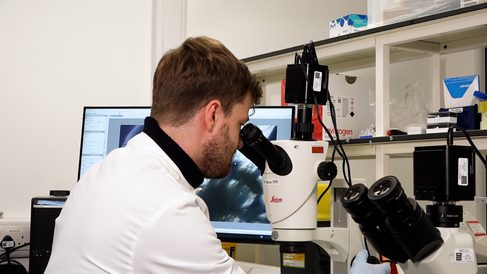
Cambridge researchers report faster plant–nematode screening using custom robots and computer vision, aiming to identify resistance genes before extending work from model plants to food crops such as potatoes.
Source University of Cambridge — Department of Plant Sciences
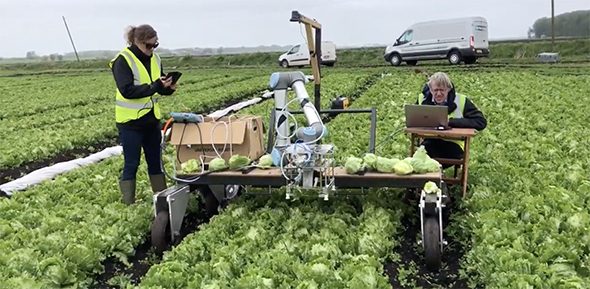
In July 2019, Cambridge reported field tests of a lettuce-harvesting prototype that identified suitable heads and controlled cutting and gripping, while openly acknowledging that human workers remained faster.
Source University of Cambridge Department of Engineering
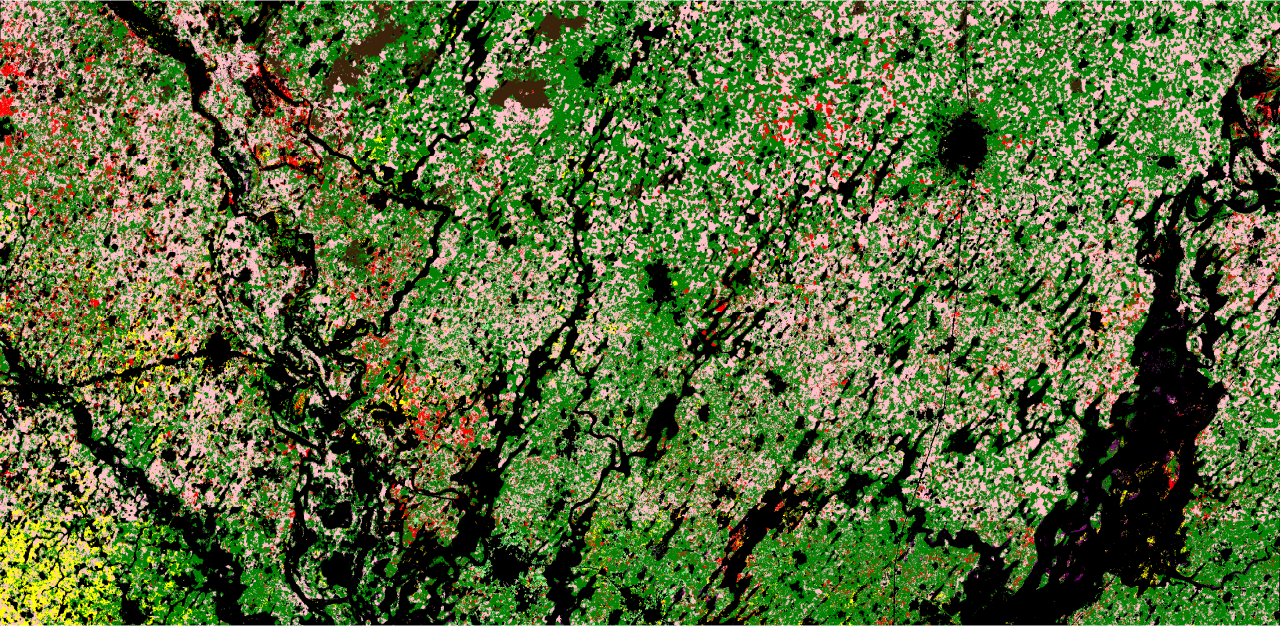
A study reports 84% crop-classification accuracy using an open-source satellite model, while highlighting limitations in ground data and mixed-crop evaluation.
Source University of Cambridge
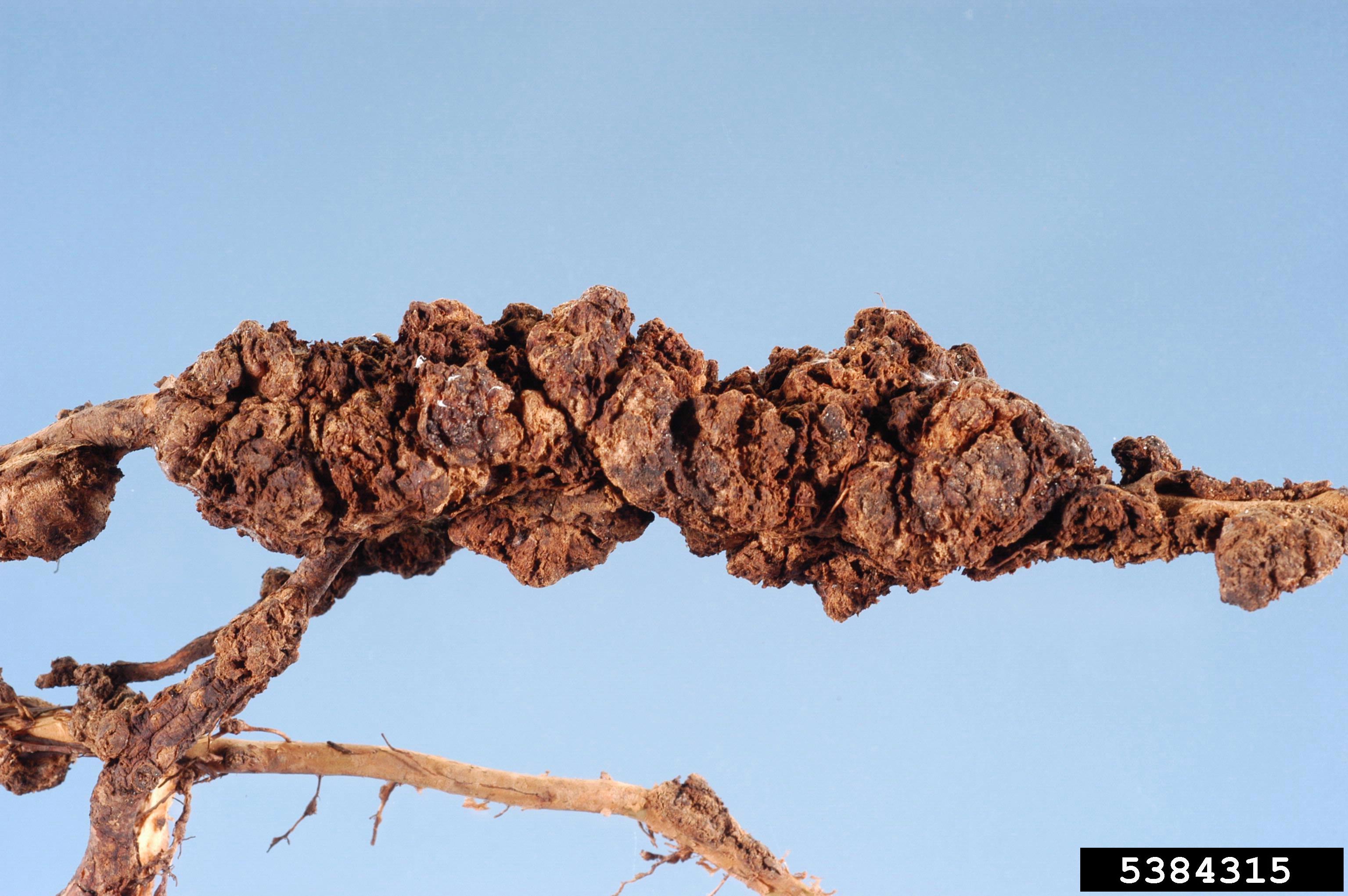
Cambridge researchers report a major increase in laboratory screening capacity by automating images of plant-parasitic nematodes, with crop applications still a next step.
Source King's College Cambridge