20 stories matching “Greenhouses”.
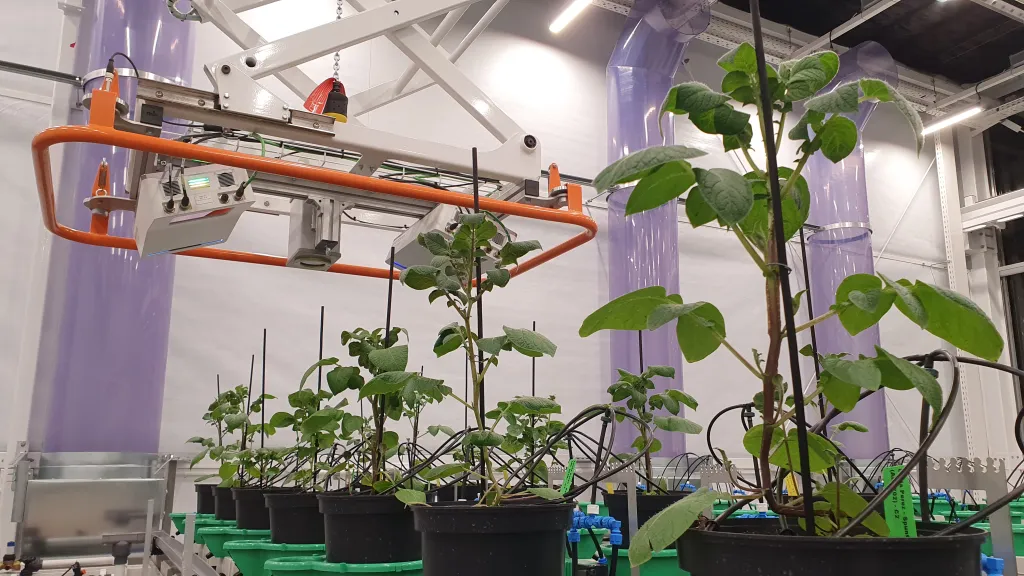
A Wageningen PhD project investigates robots that move their cameras and learn which viewpoint will provide better information about obscured plants.
Source Wageningen University & Research
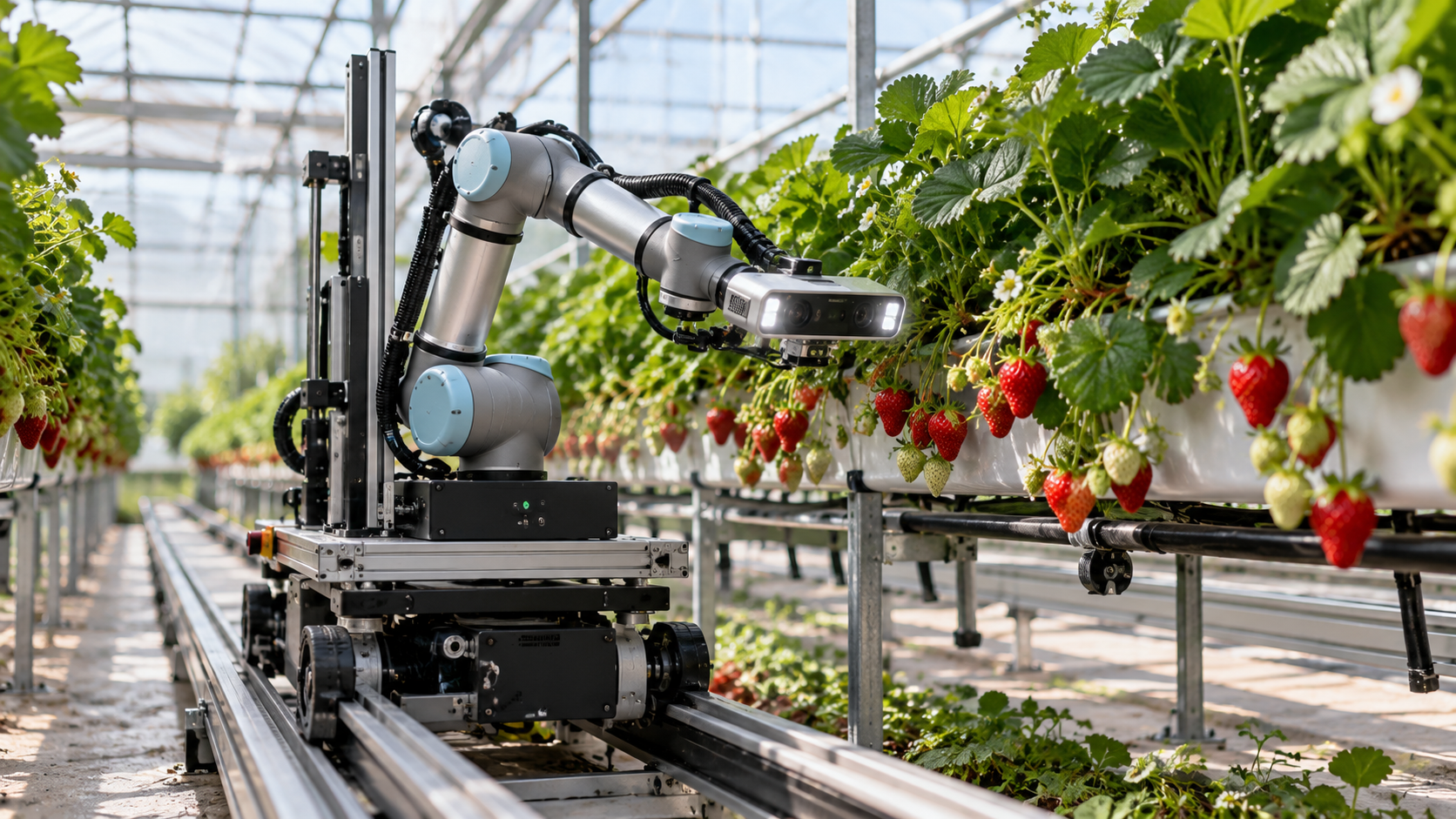
A 2026 research paper investigates a mobile data-collection robot designed to observe individual strawberry plants and support greenhouse harvesting decisions.
Source Cambridge University Press / Robotica
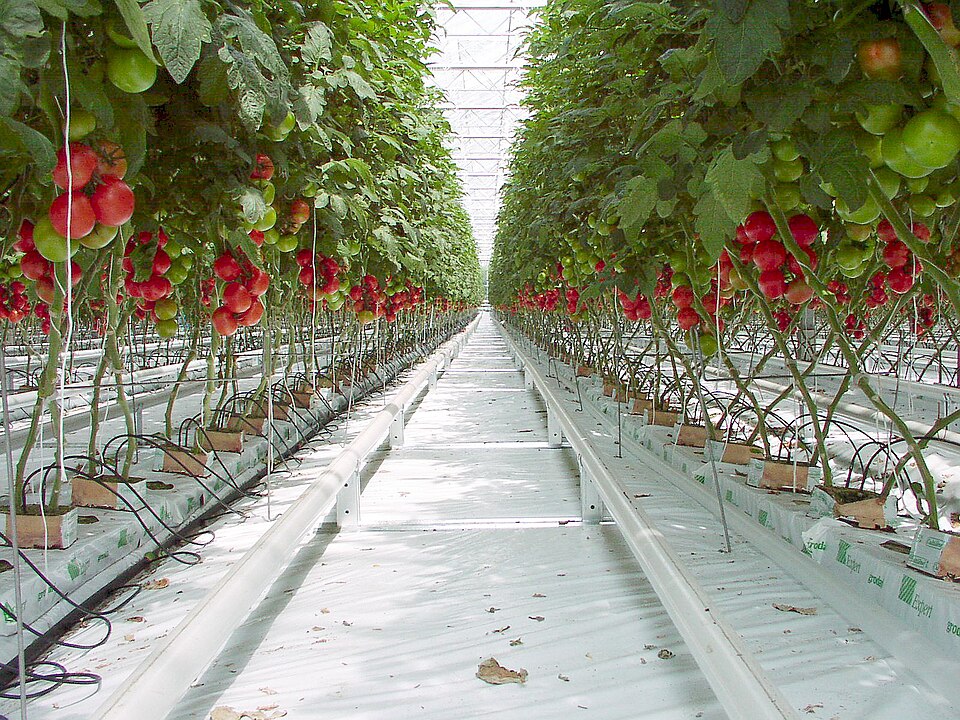
University of Arizona engineering students developed TOMI, a greenhouse robot prototype that moves along a defined route, uses fans for tomato pollination and captures images for automated pest recognition.
Source University of Arizona College of Engineering
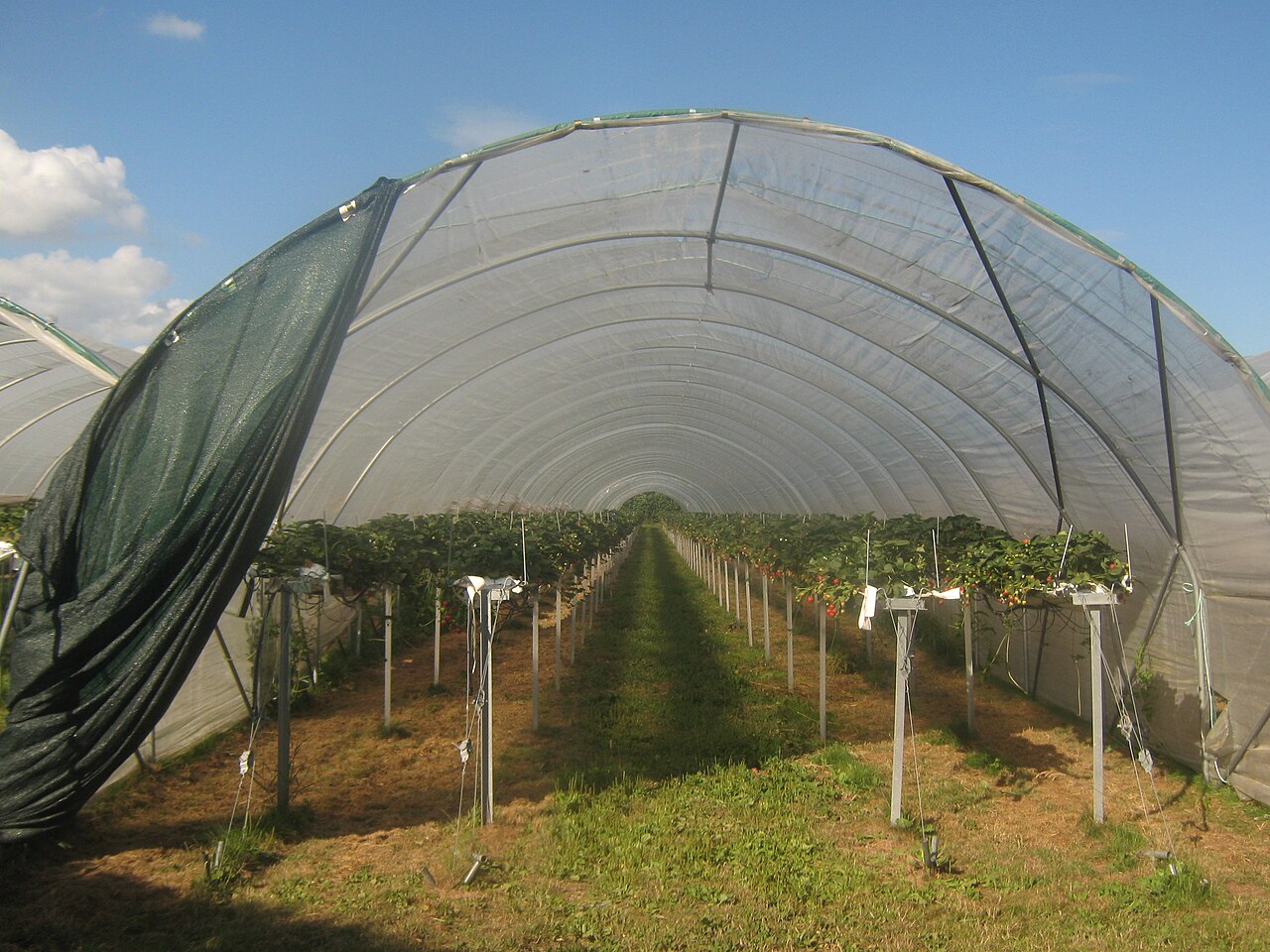
Blue Radix has launched strawberry support for Crop Controller, connecting greenhouse measurements and weather forecasts to existing climate computers for automated climate decisions throughout the growing cycle.
Source Blue Radix
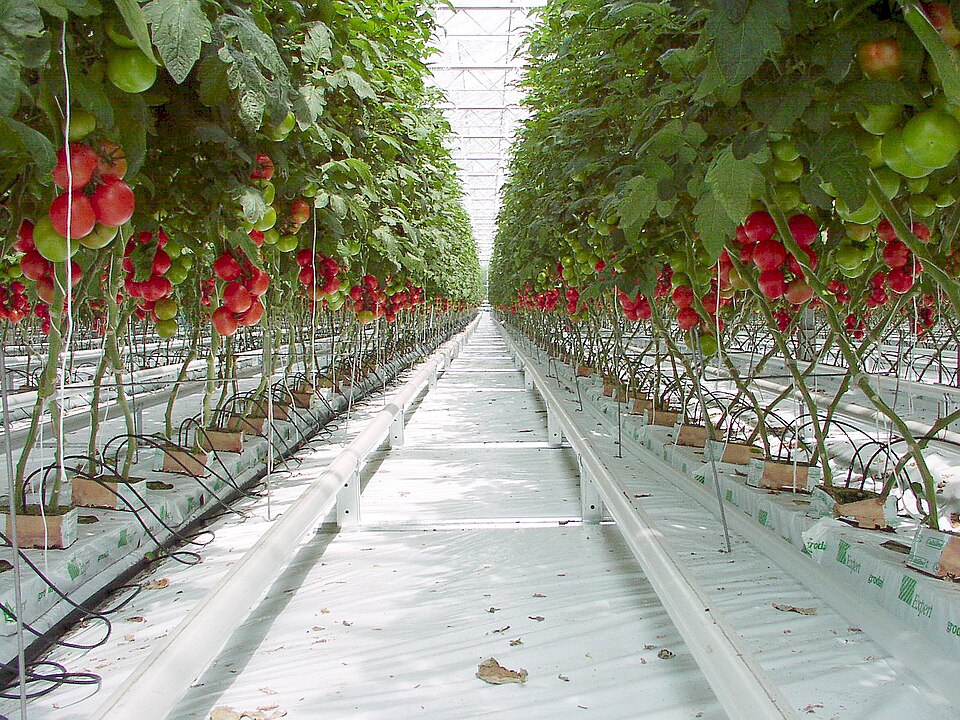
KU Leuven’s new greenhouse complex in Heverlee brings independent climate control, specialist containment and fossil-free heating to research on crop performance, plant diseases and resource-efficient growing systems.
Source KU Leuven Stories
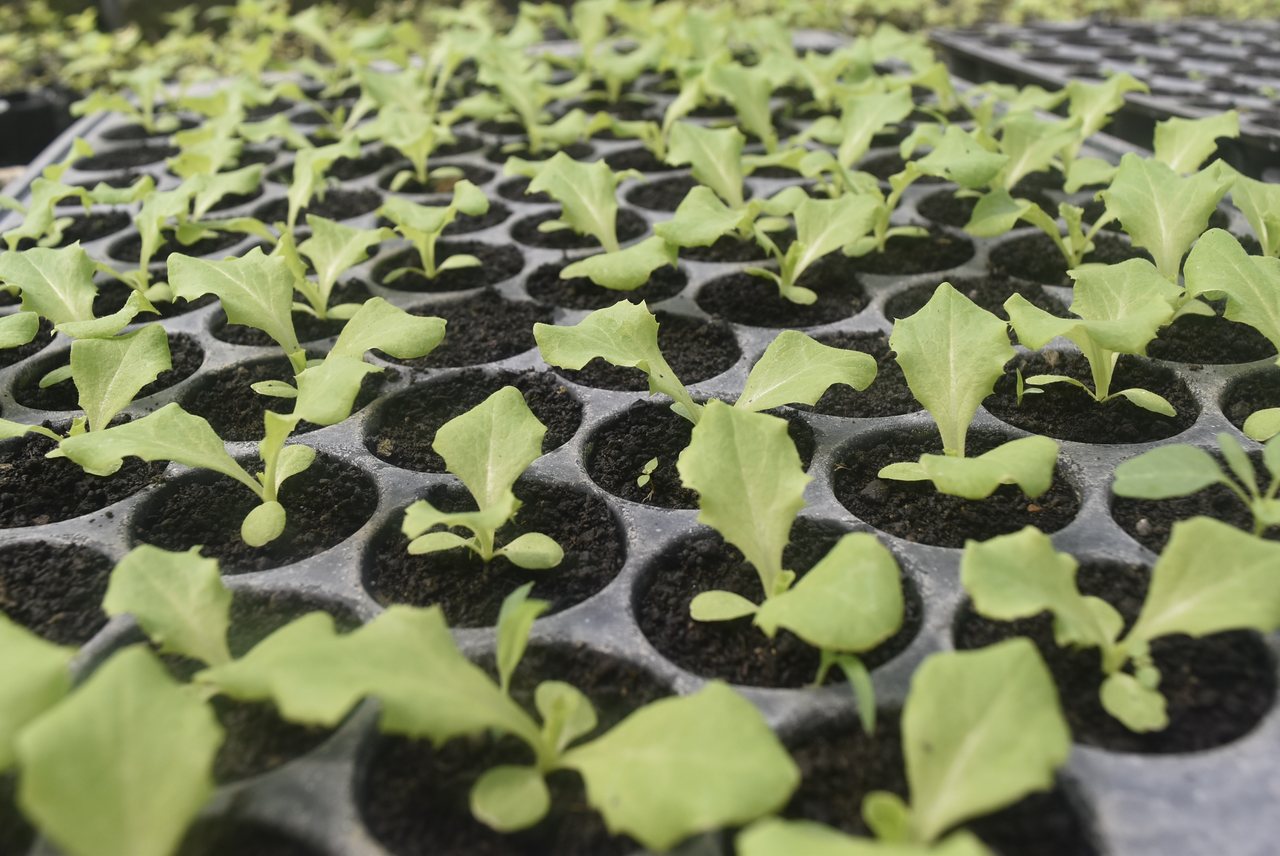
University of Florida, USDA and NASA researchers used hyperspectral imaging to identify early drought stress in lettuce, supporting development of non-destructive monitoring methods for greenhouses and other tightly controlled growing environments.
Source University of Florida
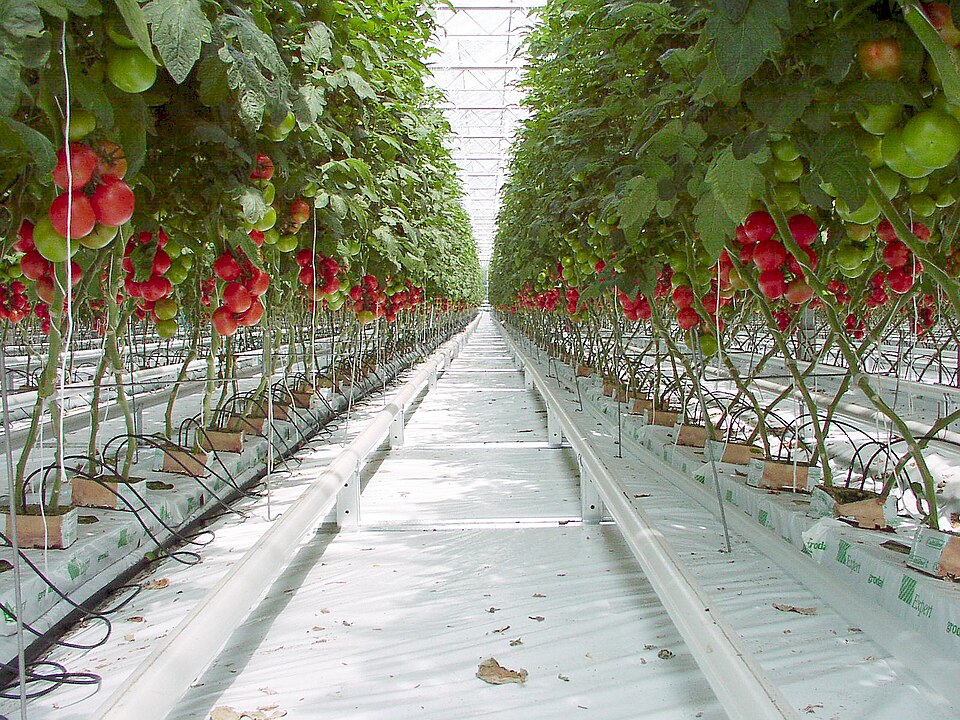
UC Merced researchers are developing materials that absorb ultraviolet light and emit visible wavelengths, exploring whether molecular design can improve greenhouse light management under the Central Valley’s demanding growing conditions.
Source University of California, Merced
Netafim announced GrowSphere FLEX in August 2026, positioning the irrigation and fertigation controller as an entry point to connected automation for smallholders and mid-sized agricultural operations.
Source Netafim
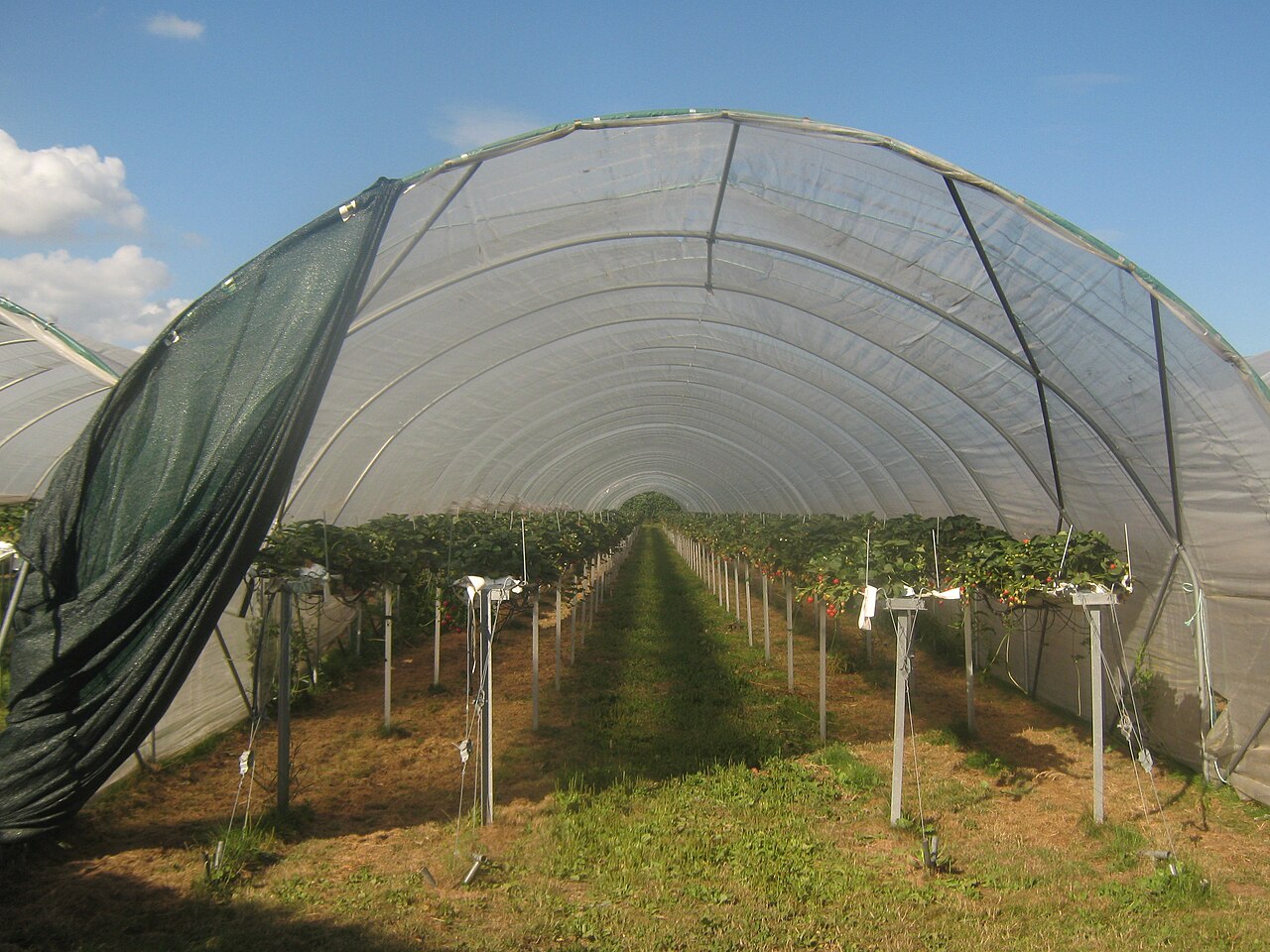
Southern Cross University found that a woodchip bioreactor reduced several pesticides in effluent from intensive horticulture, while warning that more soluble compounds could still pass through the treatment system.
Source Southern Cross University
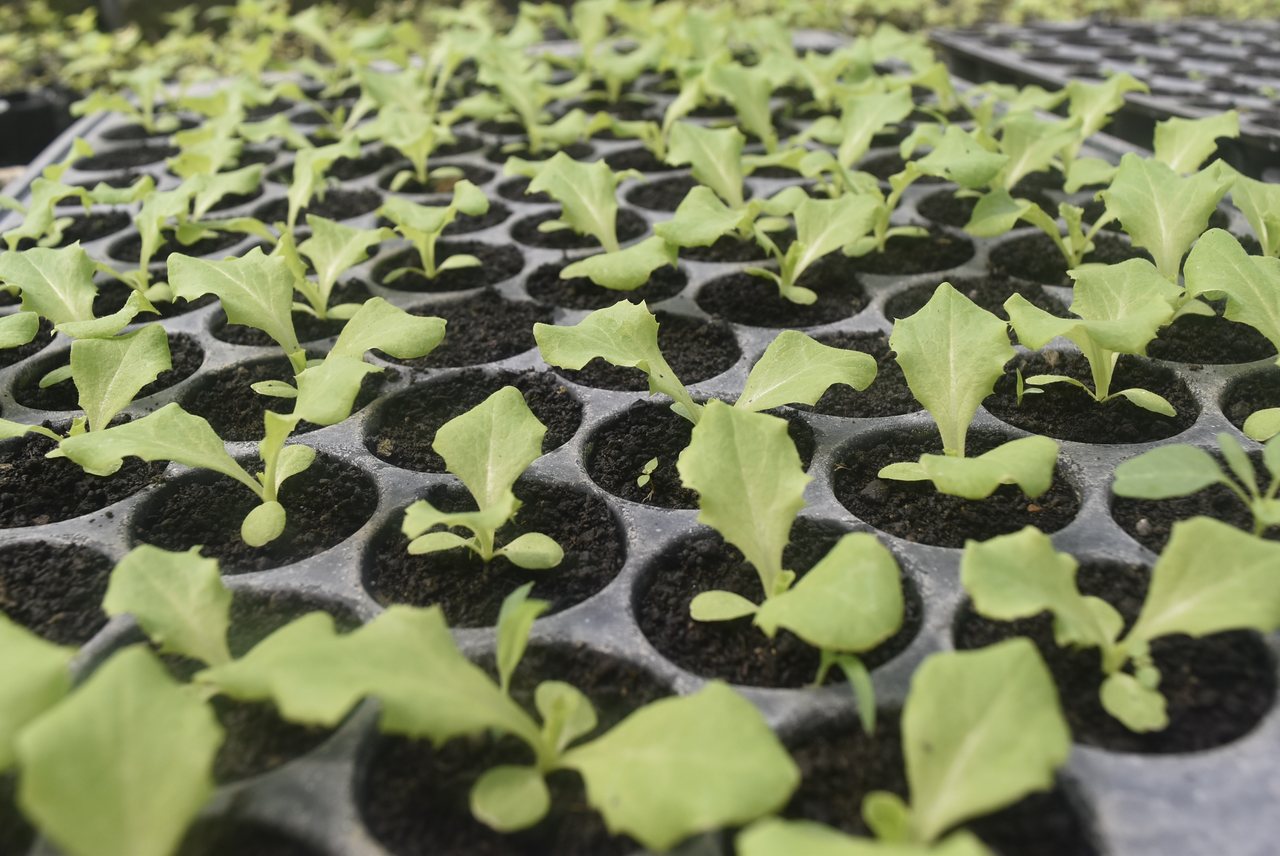
Wageningen’s 2026–2027 AGROS II project is developing crop sensing and control methods for autonomous greenhouses, comparing a digital-twin approach, trained AI and expert-led data-driven cultivation in cucumber crops.
Source Wageningen University & Research (undated page)
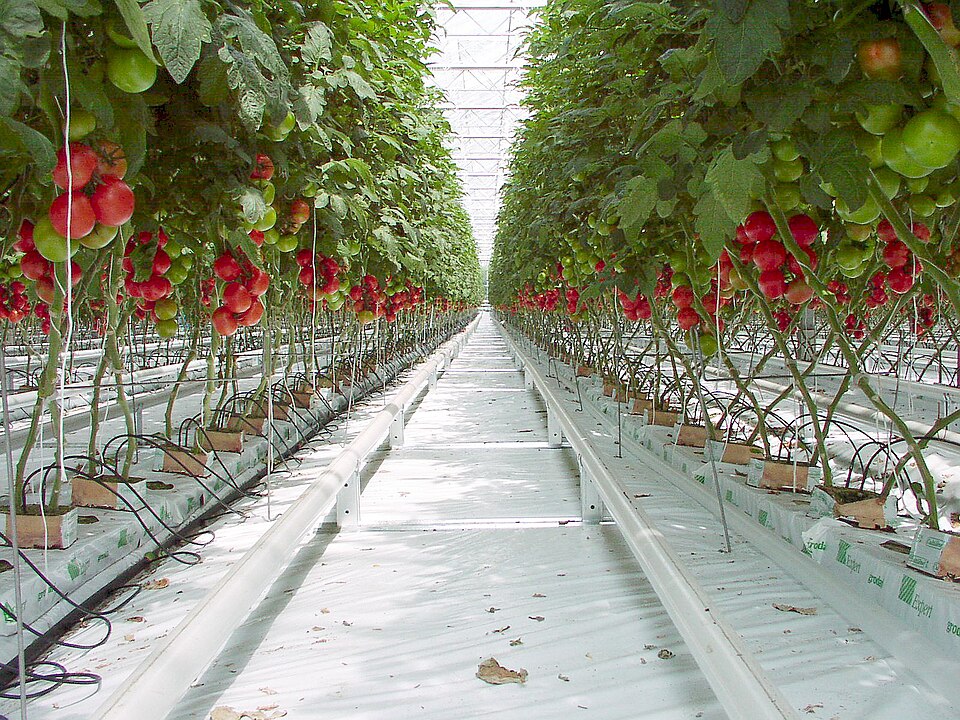
KAUST researchers combined a light-selective plastic cover with biodegradable mulch to reduce heat in miniature greenhouses, exploring a lower-energy approach to protected cultivation in Saudi Arabia’s arid conditions.
Source King Abdullah University of Science and Technology
Priva and Blue Radix signed a multiyear strategic cooperation agreement in January 2025, aiming to connect greenhouse process control with autonomous climate and irrigation software while retaining an open partner ecosystem.
Source Priva