44 stories matching “Tea”.
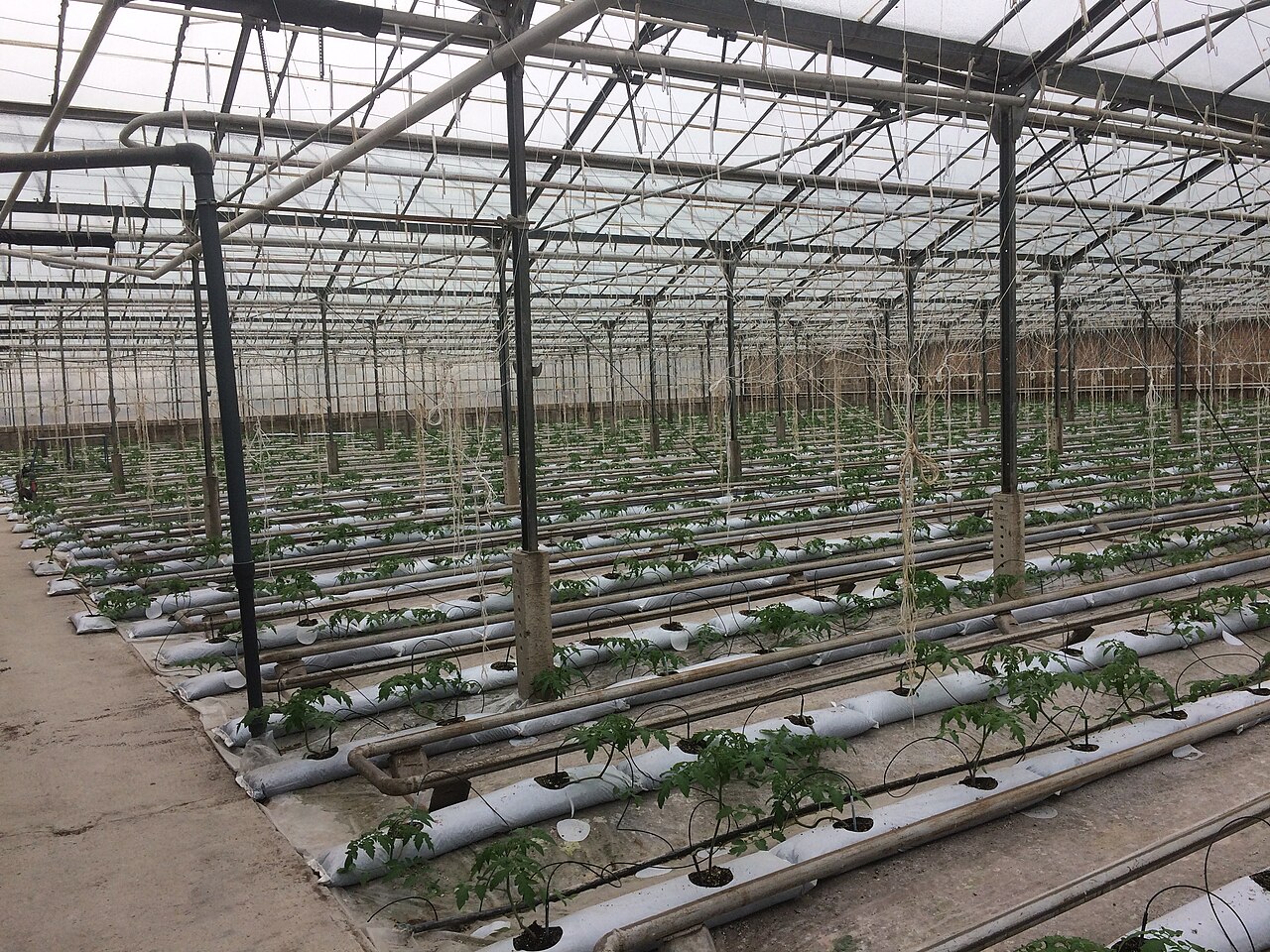
A Danish–German project aims to help growers retain irrigation water longer by measuring the nutrients that bulk salt readings cannot distinguish.
Source University of Southern Denmark
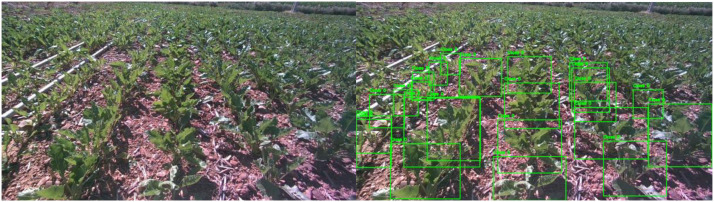
University of León researchers publish annotated field images collected by a ground robot, providing a reusable resource for crop-detection development.
Source Data in Brief / University of León
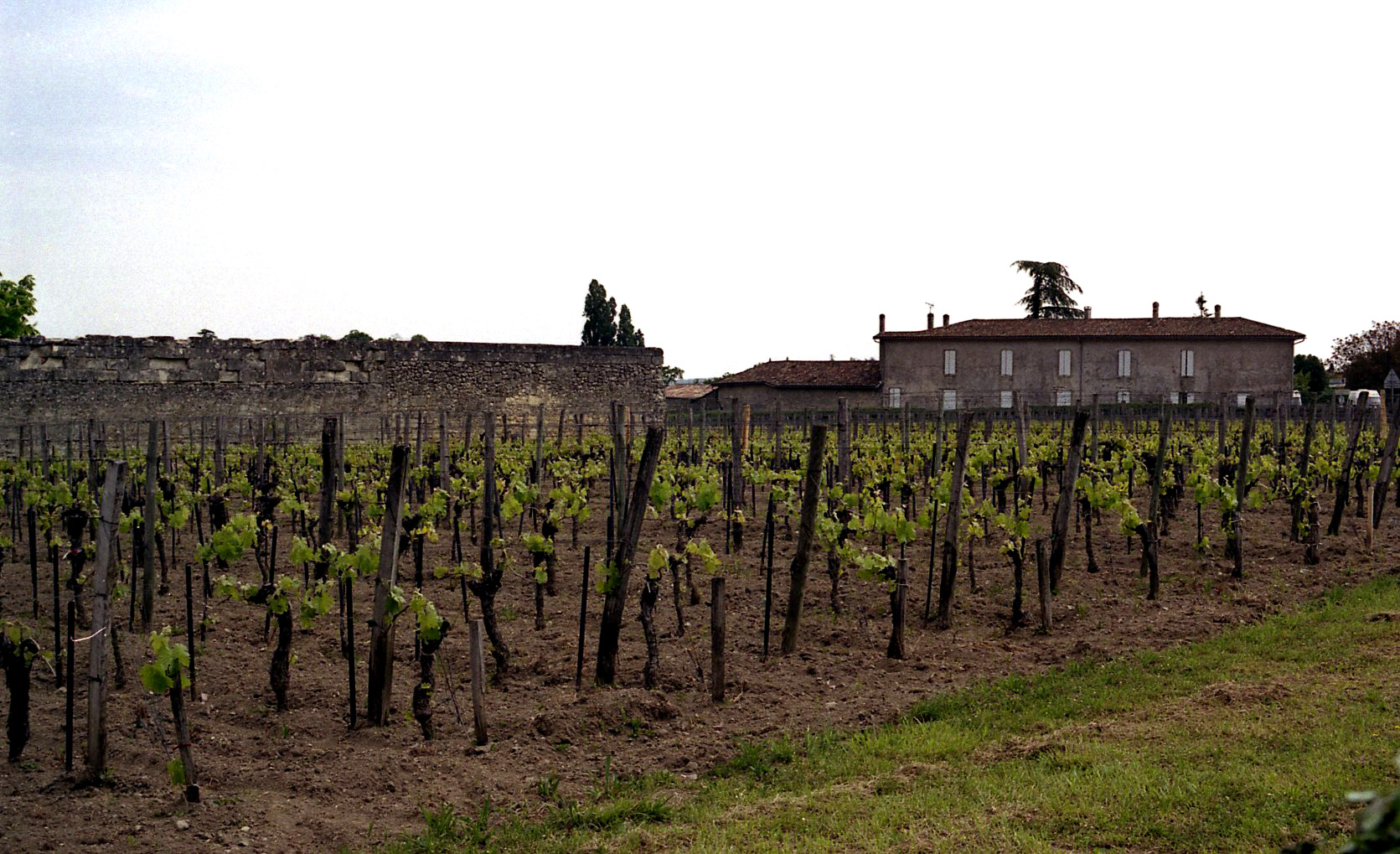
Promodis support gives INRAE’s experimental facility additional autonomous tractors for evaluating robotics in vegetable production and vineyards.
Source INRAE Roboterrium
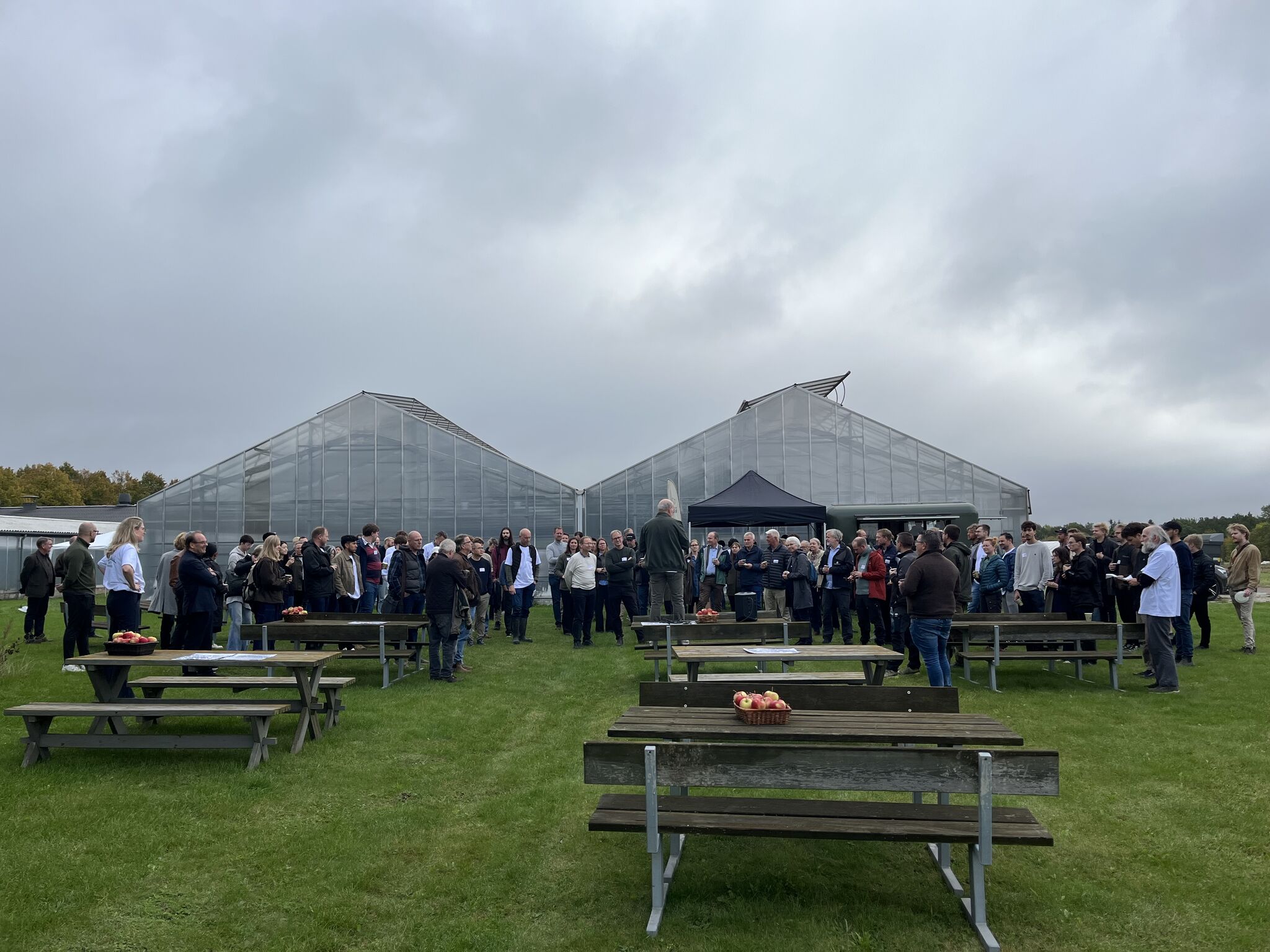
The RIC consortium reports more than 170 participants at its first field day, connecting diversified cropping systems with robotics research.
Source RIC – Robotic InterCropping
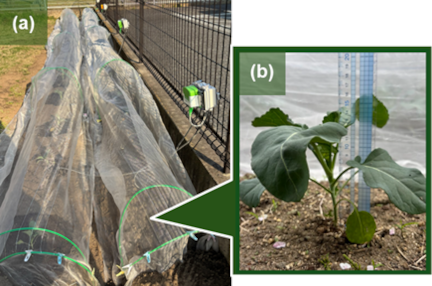
A low-cost monitoring module combines three-depth moisture measurements with weather variables to investigate broccoli growth in a small experimental plot.
Source Journal of Robotics and Mechatronics / Fuji Technology Press
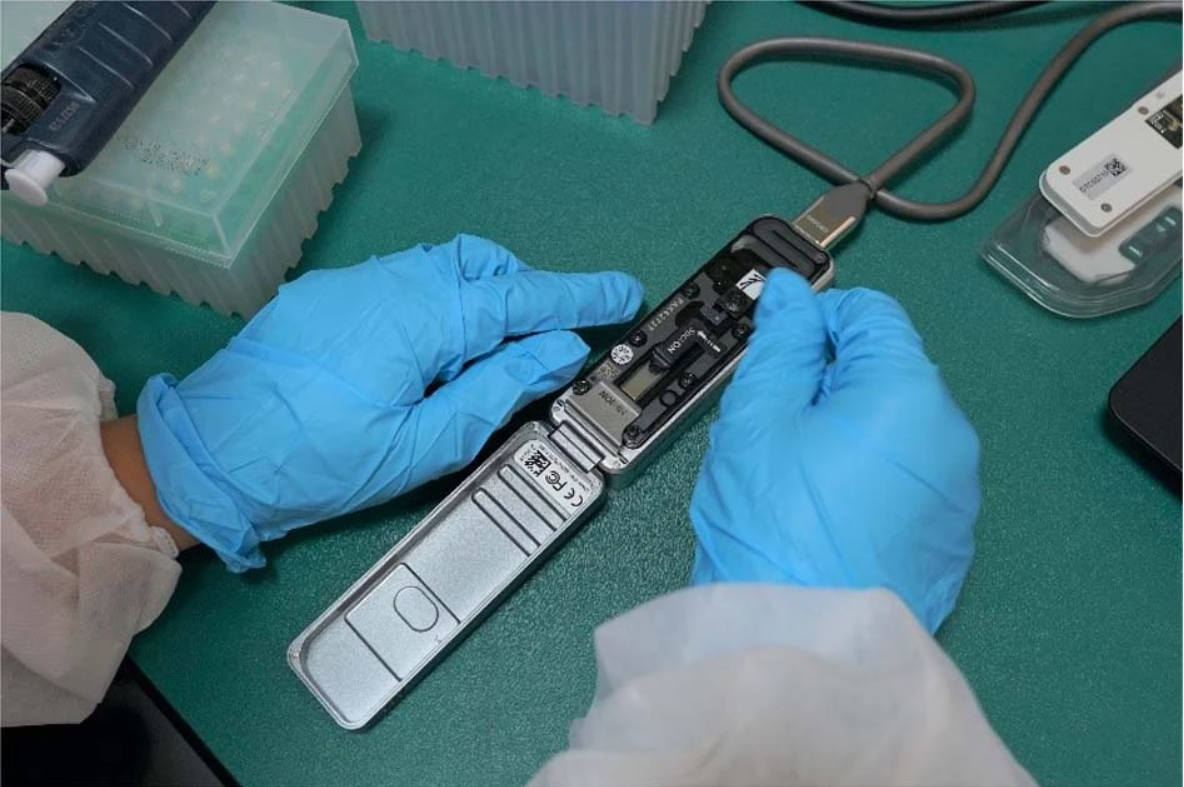
Curtin researchers are testing an approach to track fungicide-resistance mutations in grain pathogens, with partners across Australia and Europe.
Source Curtin University

The November engineering conference will examine autonomous machines, sensors, interoperability and powertrains alongside practical machinery design.
Source EurAgEng

Arkansas graduates won two competitions in Indianapolis, including a strawberry processing prototype combining vision, motion control and safety systems.
Source University of Arkansas
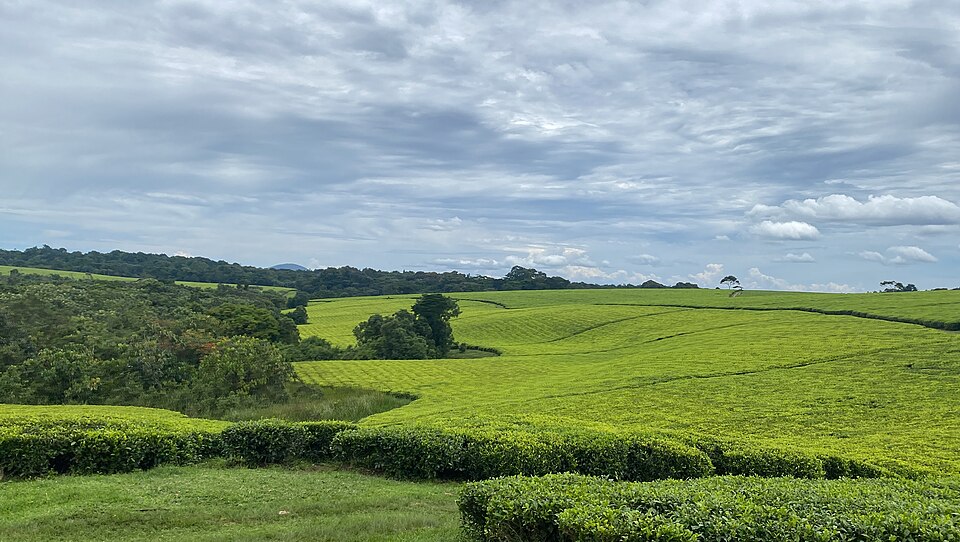
NbS4Tea introduced drone operations at Uganda’s Rwebitaba Tea Research Centre as part of a wider programme on resilient tea production and irrigation.
Source Makerere University
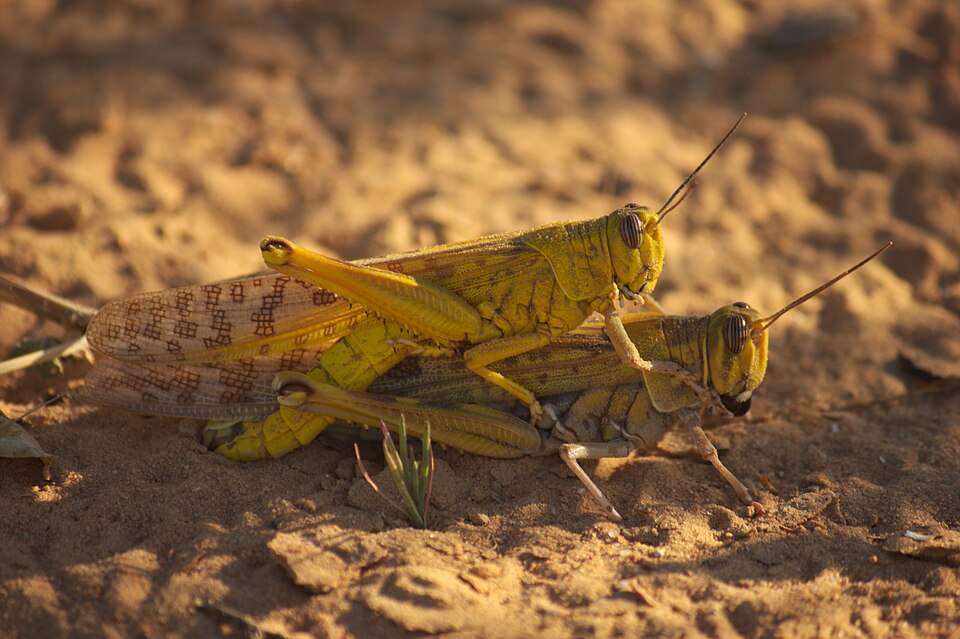
FAO’s Central and Western Region locust commissions launched a programme combining classroom, simulator and field instruction for national surveillance and response teams.
Source FAO
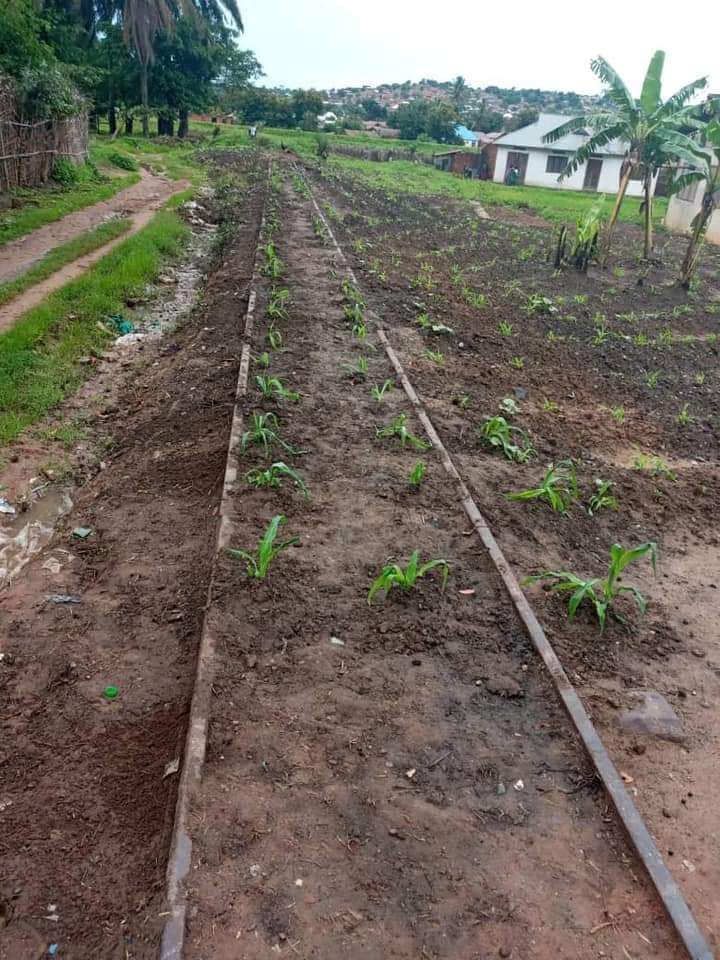
A Ghana–Belgium partnership is developing locally grounded maize-yield estimation while addressing the field-data mismatches that can undermine satellite models.
Source GEOGLAM
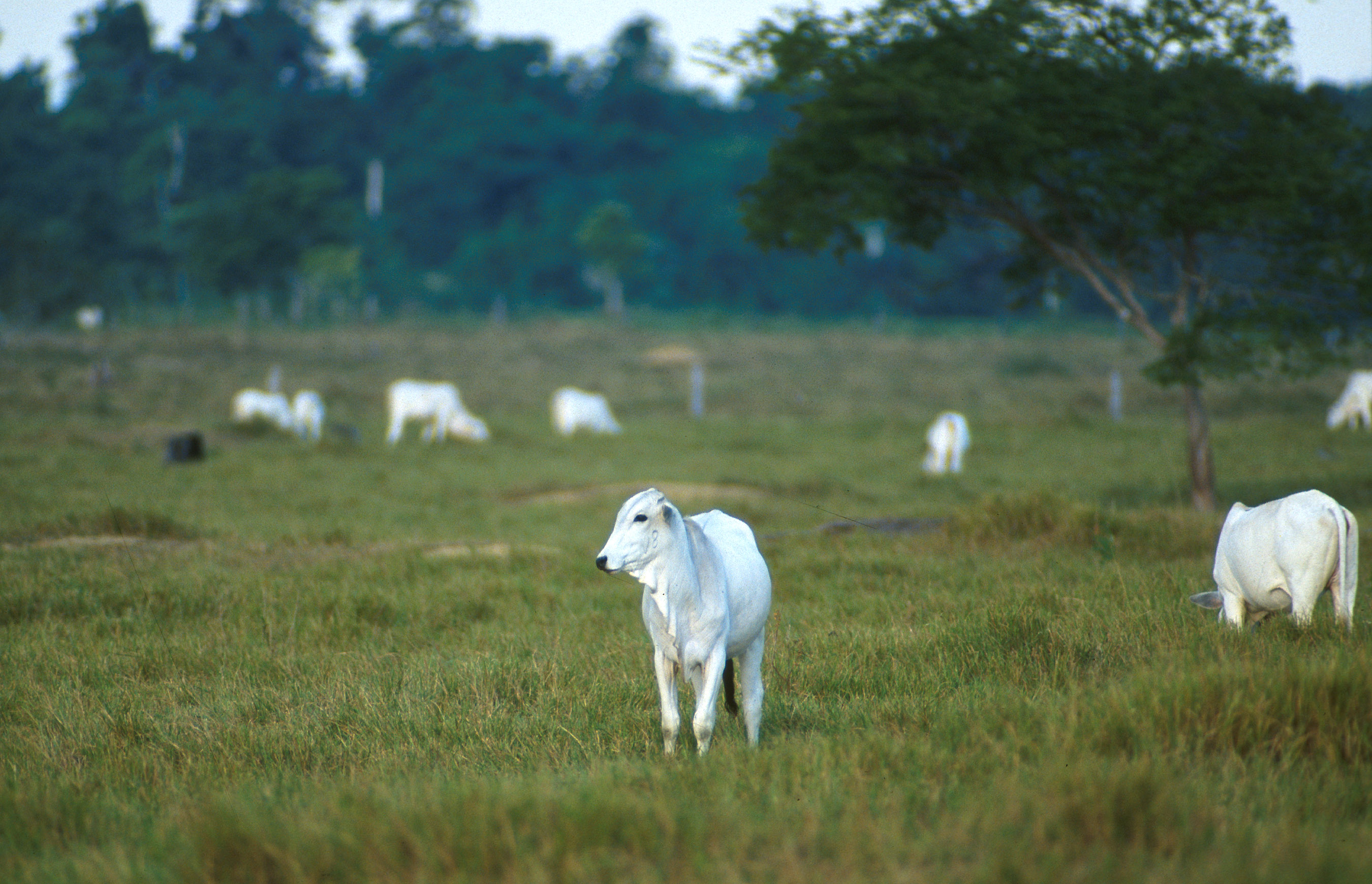
Embrapa-linked research follows cattle body measurements over time, exploring a less disruptive way to identify changes in growth rate.
Source Embrapa / Semear Digital