23 stories matching “Machine learning”.
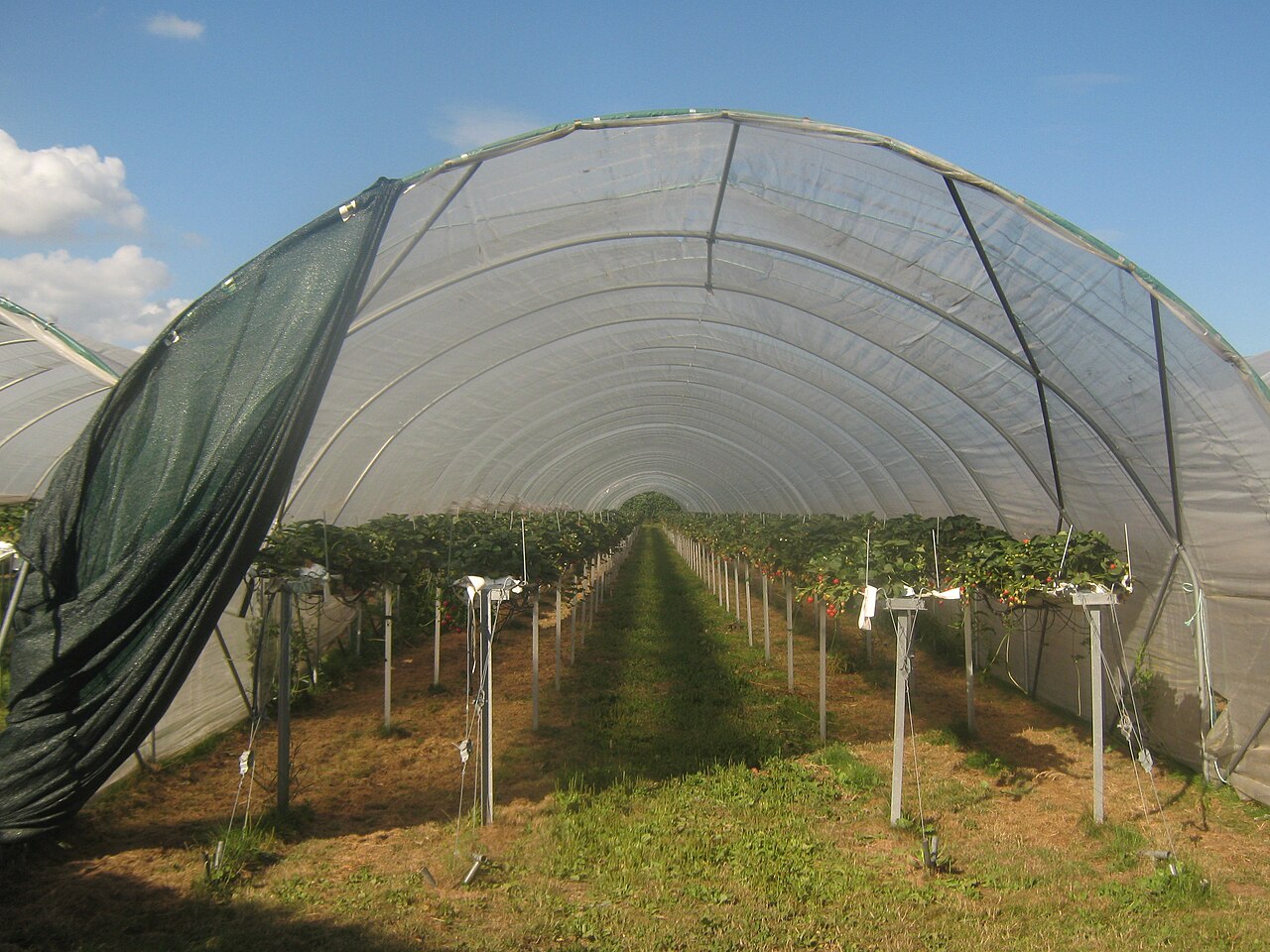
Ridder and MetoMotion reported that their GRoW robot was harvesting virus-resistant tomato varieties at Axia Vegetable Seeds, connecting robotic picking with the crop traits required for practical greenhouse deployment.
Source Ridder
A Wageningen–Viscon feasibility study combines plant imaging and machine learning to identify young plants suitable for greenhouse transplanting, including a camera arrangement that captures the sides and underside of root plugs.
Source WUR Vision+Robotics / Viscon
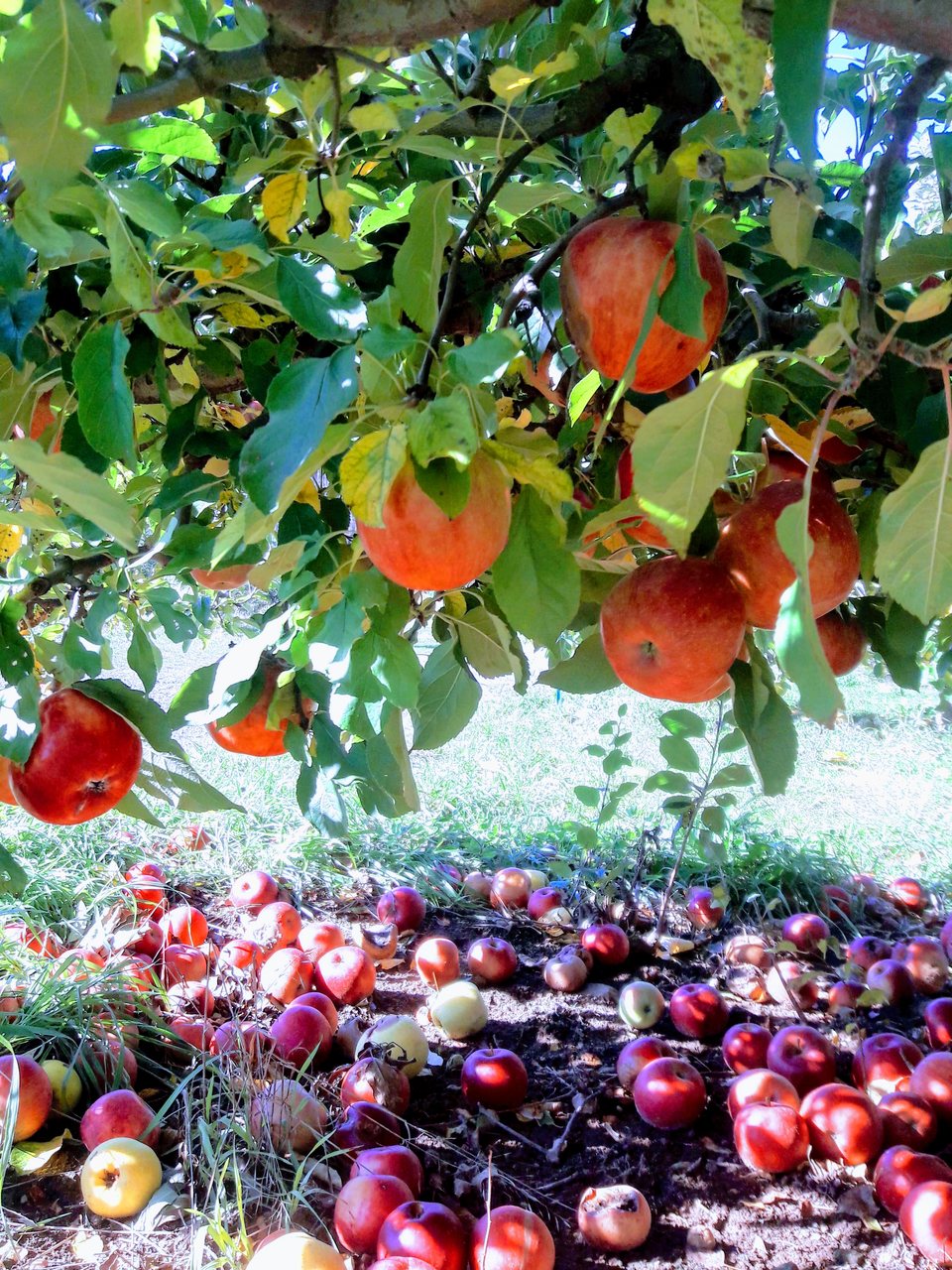
The AGRO research project described an autonomous ground rover for field data collection, combining machine learning, mapping and obstacle avoidance with an application in estimating pistachio yields from collected observations.
Source AGRO research authors — arXiv
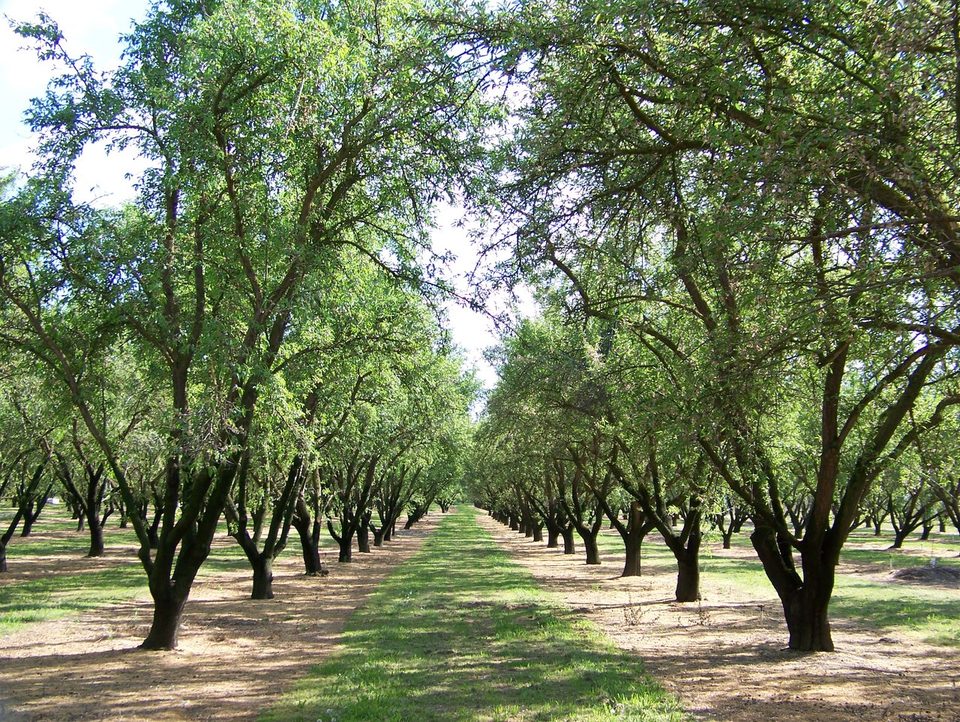
CNH announced a minority investment in California’s Advanced Farm Technologies in 2023, linking robotics research and commercial development for harvesting apples, strawberries and other high-value fruit crops.
Source CNH
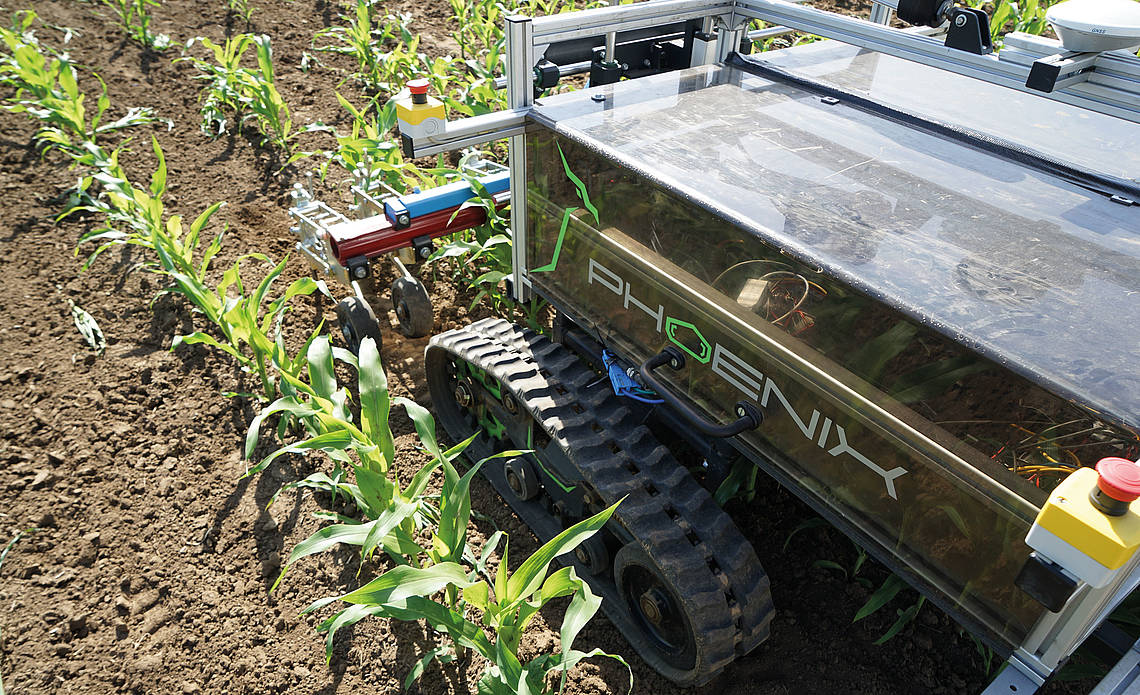
A QUT-led programme announced in February 2024 set out to automate banana de-handing with robot arms and computer vision, addressing a repetitive, physically demanding stage of postharvest processing.
Source Queensland University of Technology
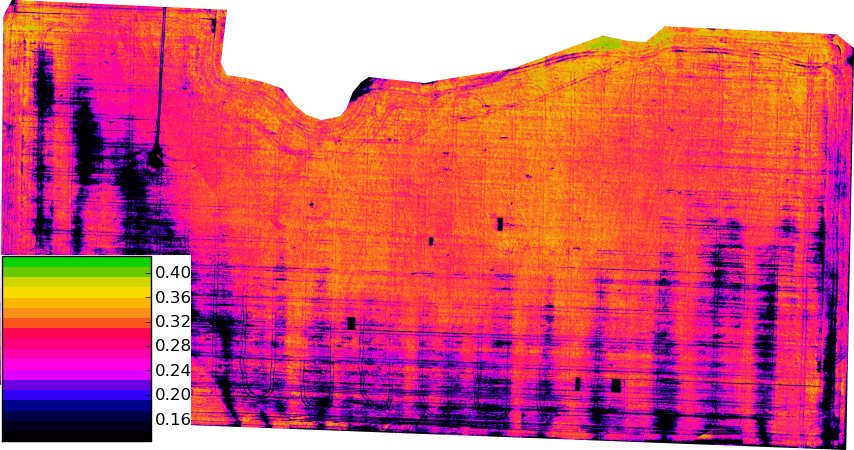
NASA announced a University of Maryland-led consortium in March 2023 to connect Earth observations with U.S. farmers’ decisions on water, fertilizer, crop health and resilience.
Source NASA
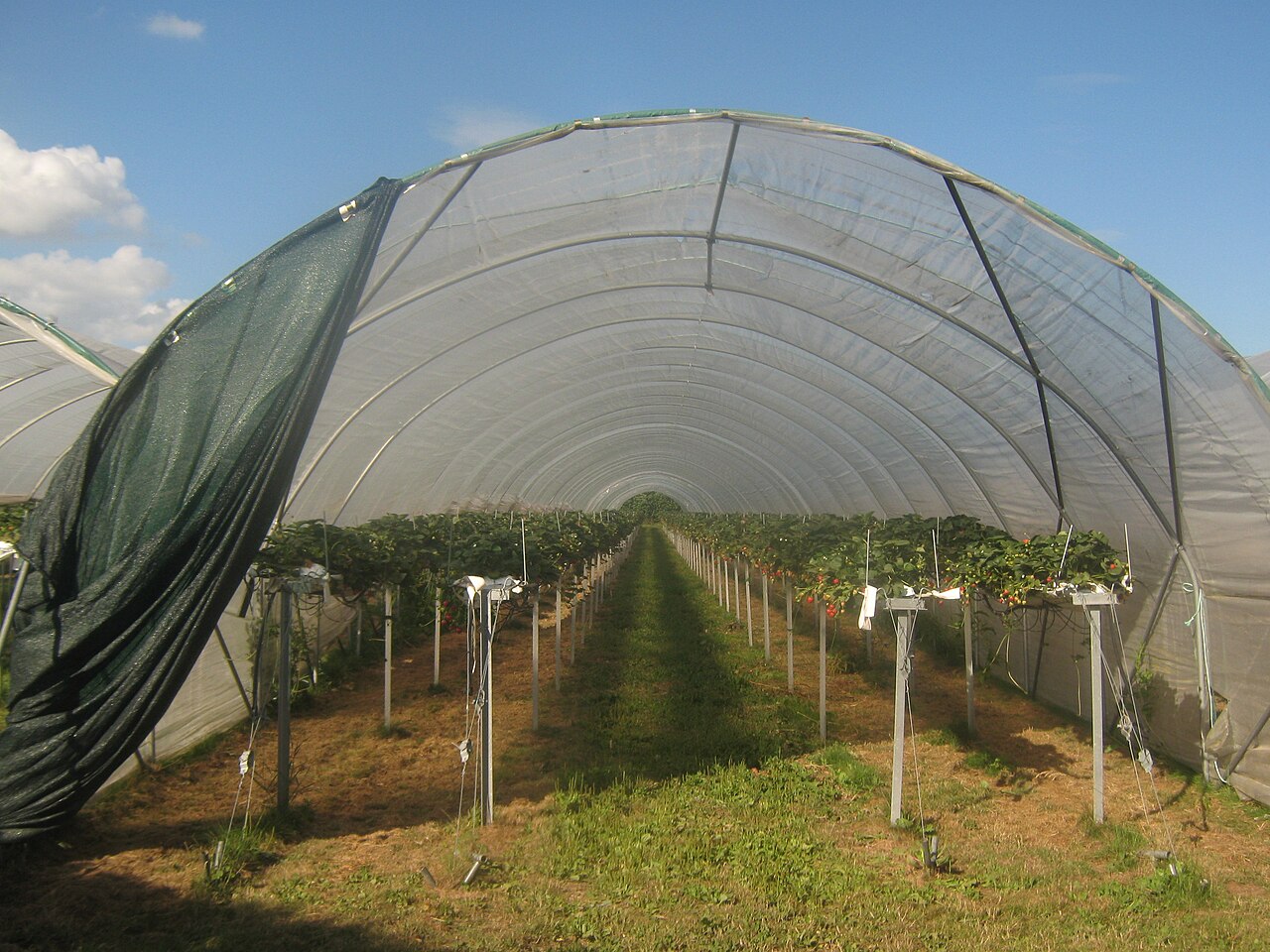
CAAIN highlighted ecoation’s ANT project in February 2024, supporting a greenhouse mobility platform inspired by coordinated ant colonies and combining robotics, artificial intelligence and machine learning.
Source Canadian Agri-Food Automation and Intelligence Network
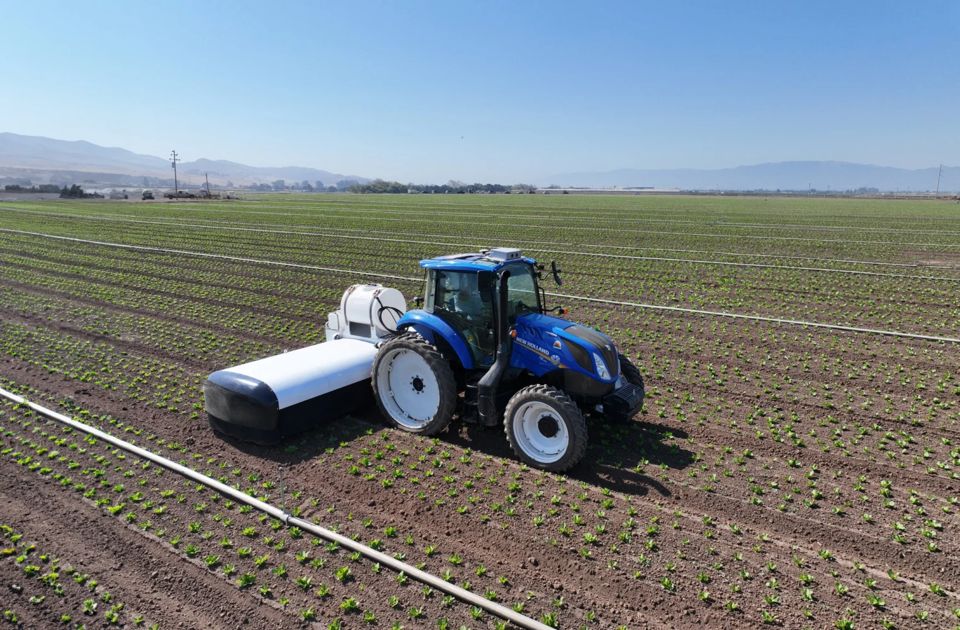
Verdant Robotics announced the 2025 Sharpshooter in October 2024, combining crop recognition with steerable spray targeting for weed control, thinning and other applications in specialty-crop production systems.
Source Verdant Robotics
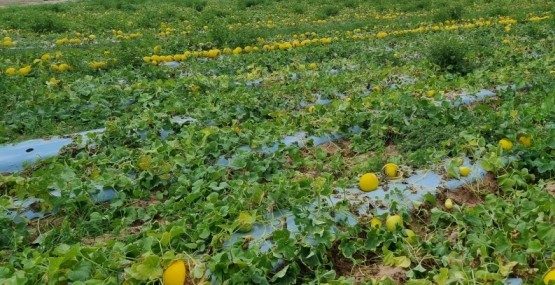
A FAPESP report published in February 2025 describes machine-learning detection of plastic-covered agricultural land, creating evidence that could support collection and recycling plans for used farm plastics.
Source Agência FAPESP
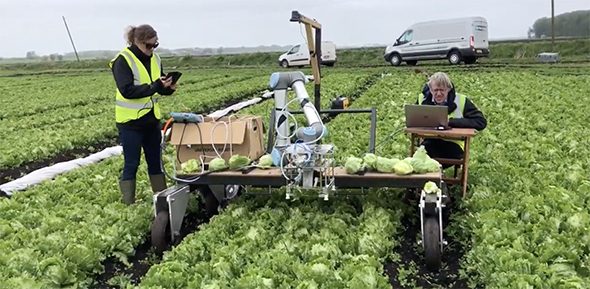
In July 2019, Cambridge reported field tests of a lettuce-harvesting prototype that identified suitable heads and controlled cutting and gripping, while openly acknowledging that human workers remained faster.
Source University of Cambridge Department of Engineering
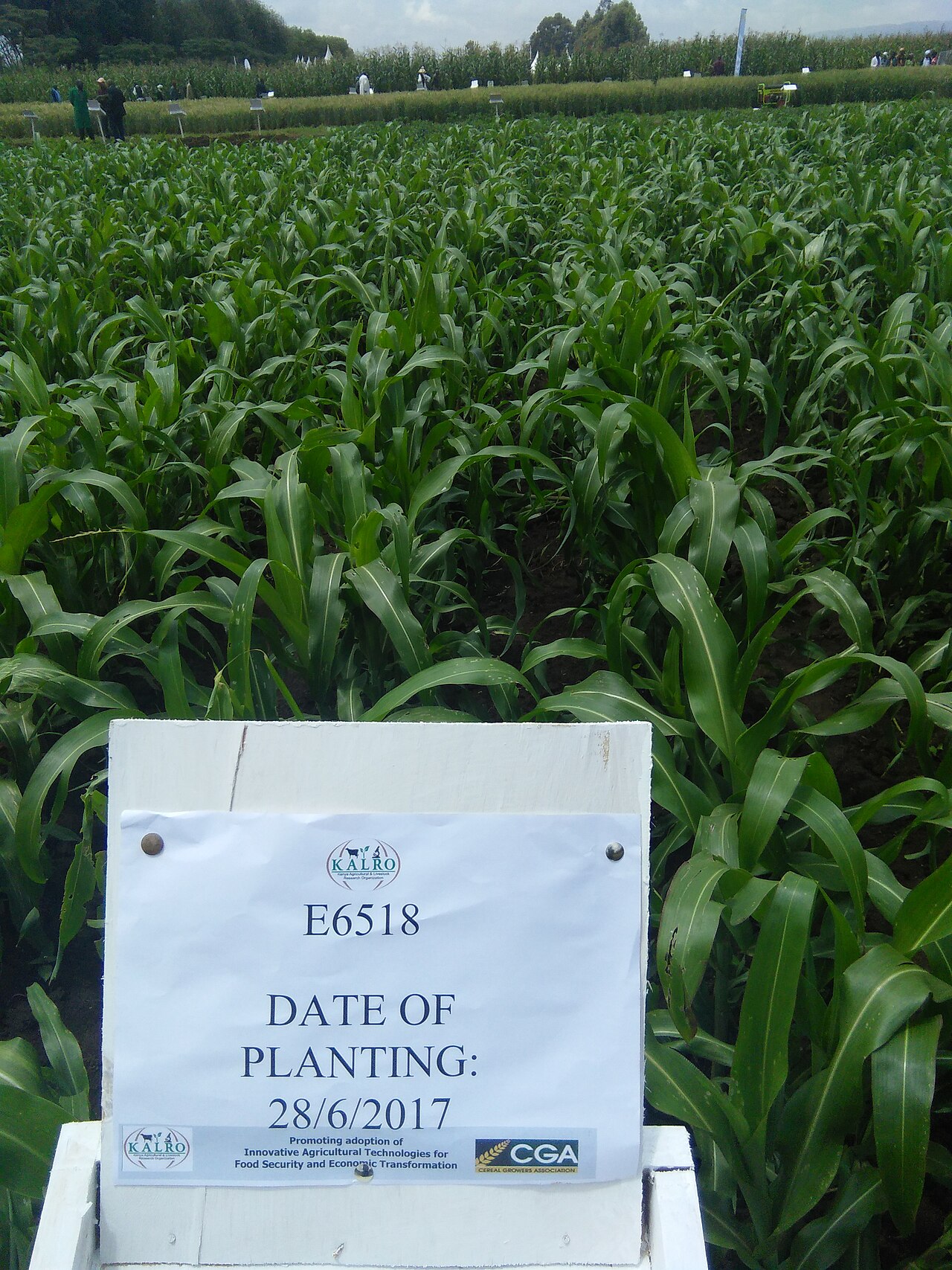
KALRO and CGIAR partners are combining historical trials and machine learning to develop maize nutrient recommendations adapted to local conditions.
Source Alliance of Bioversity International and CIAT