21 stories matching “Phenotyping”.
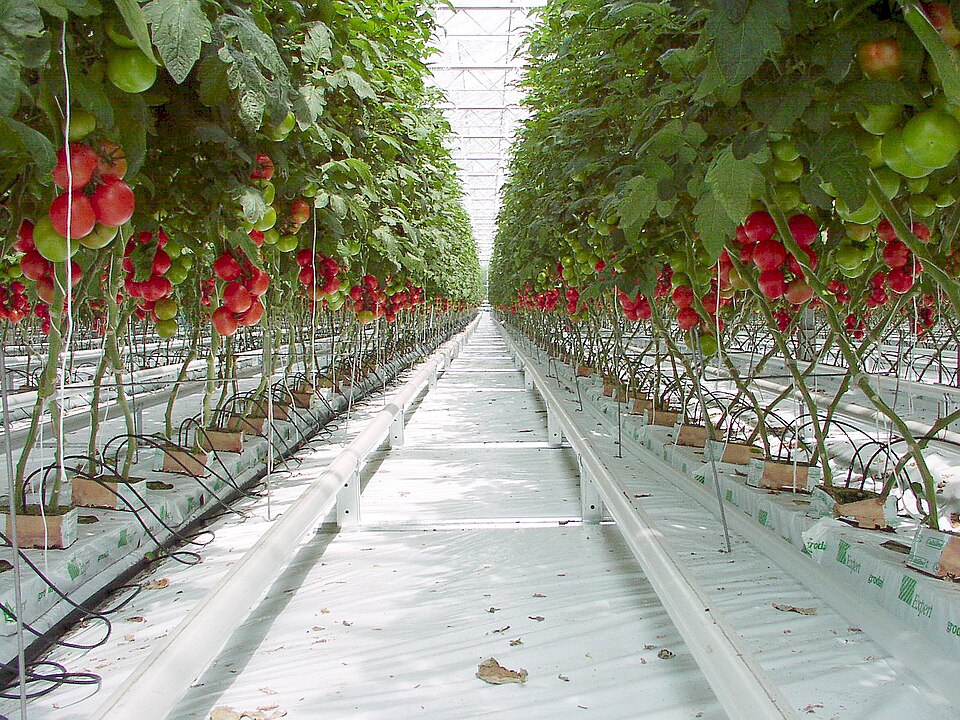
The University of Kentucky is evaluating diverse tomato material and combining field measurements with quality and consumer research to develop varieties suited to local growers and changing production needs.
Source University of Kentucky
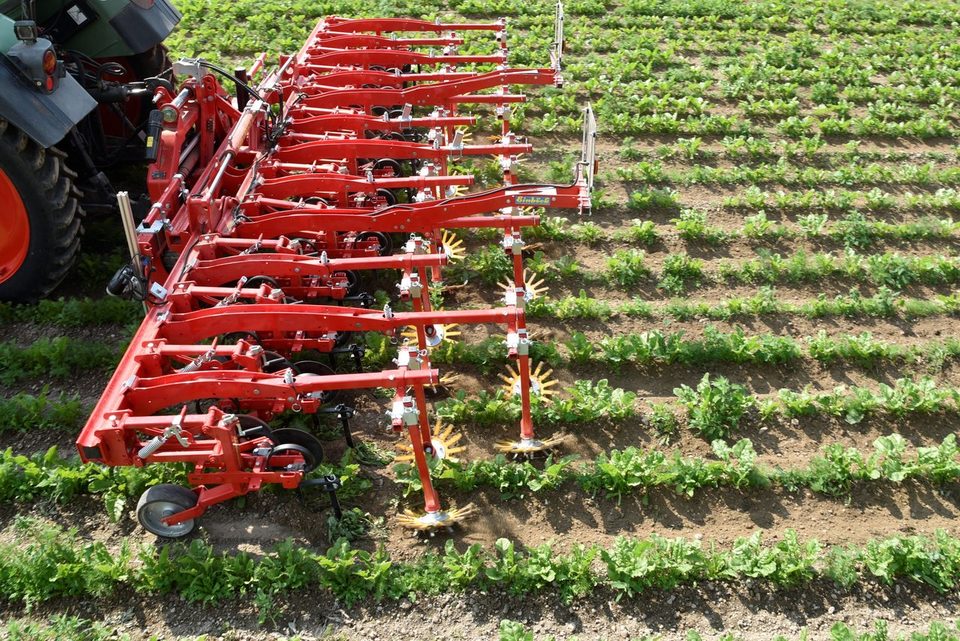
UC Davis hosted the 2025 IFAC agricultural-control conference, whose programme linked plant and soil sensing, machine vision, robotic operations and control of agricultural machinery and implements.
Source University of California, Davis / AGRICONTROL (undated page)
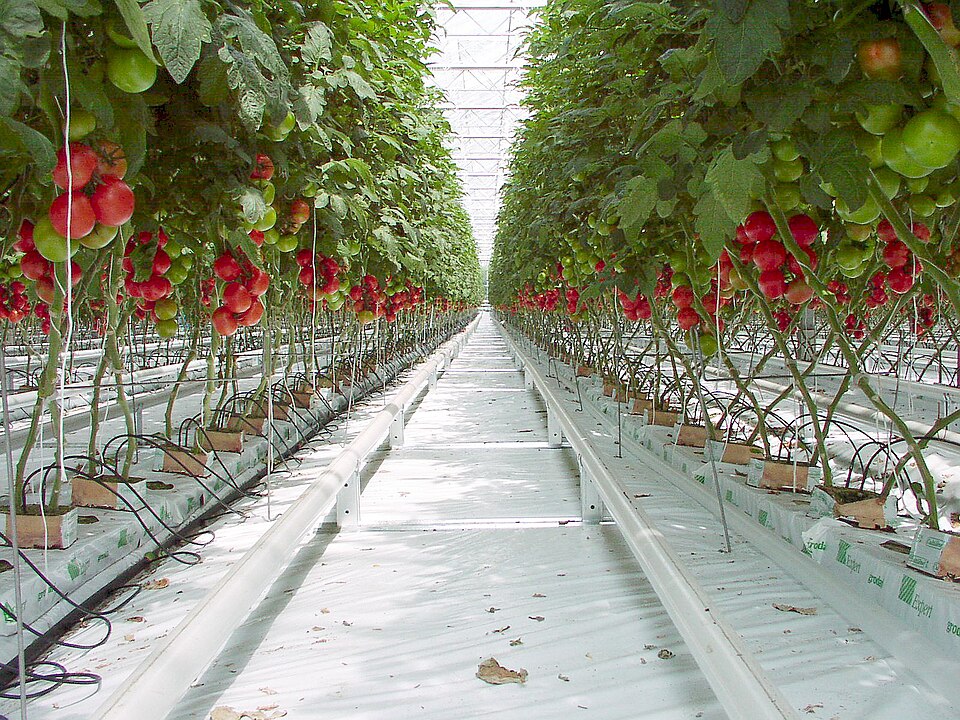
A University of Kentucky project supported by nearly US$1.2 million from NSF is developing a mobile greenhouse robot that combines active imaging, AI phenotyping and wireless charging for tomato monitoring.
Source University of Kentucky
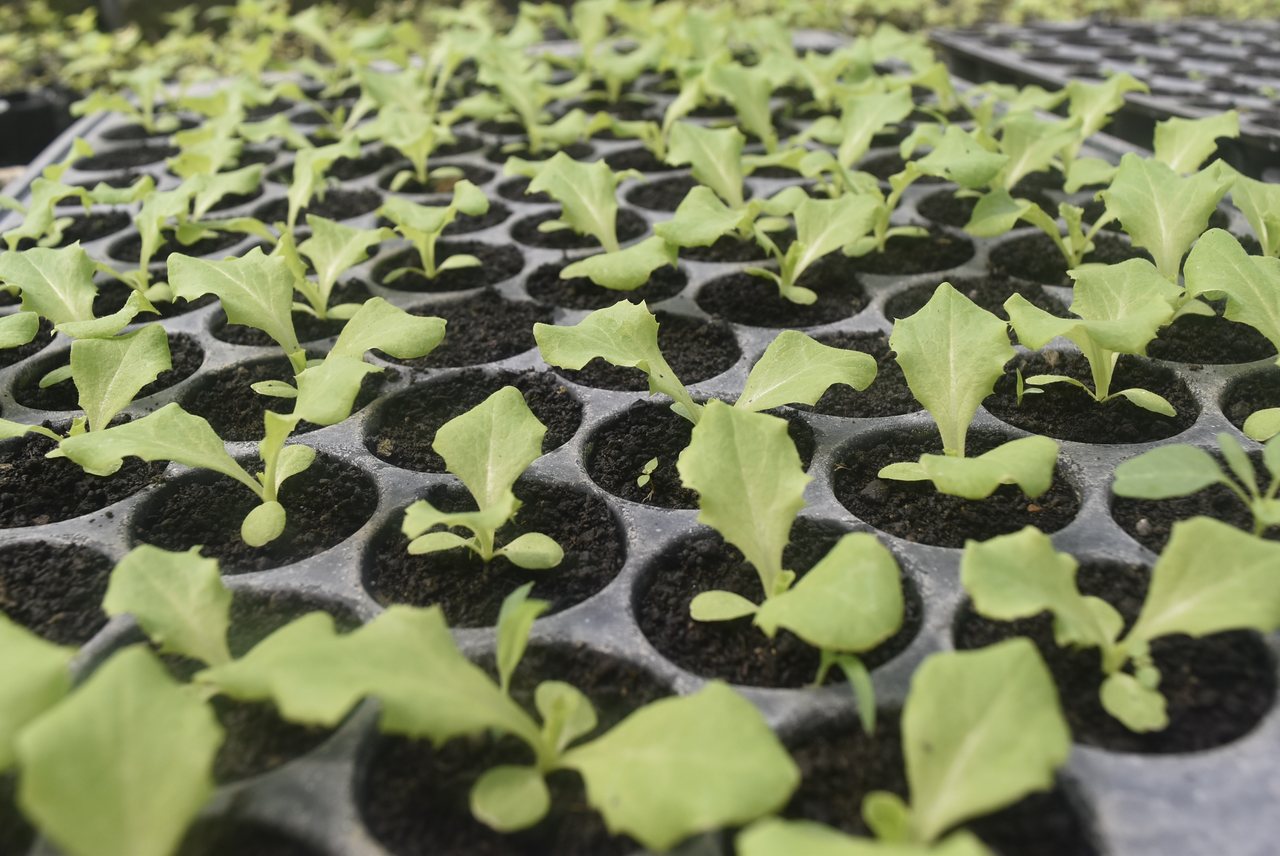
Purdue broke ground on a phenotyping greenhouse in September 2023, adding nearly 5,000 square feet of research space and linking living plants with existing systems for measuring crop health and stress.
Source Purdue University
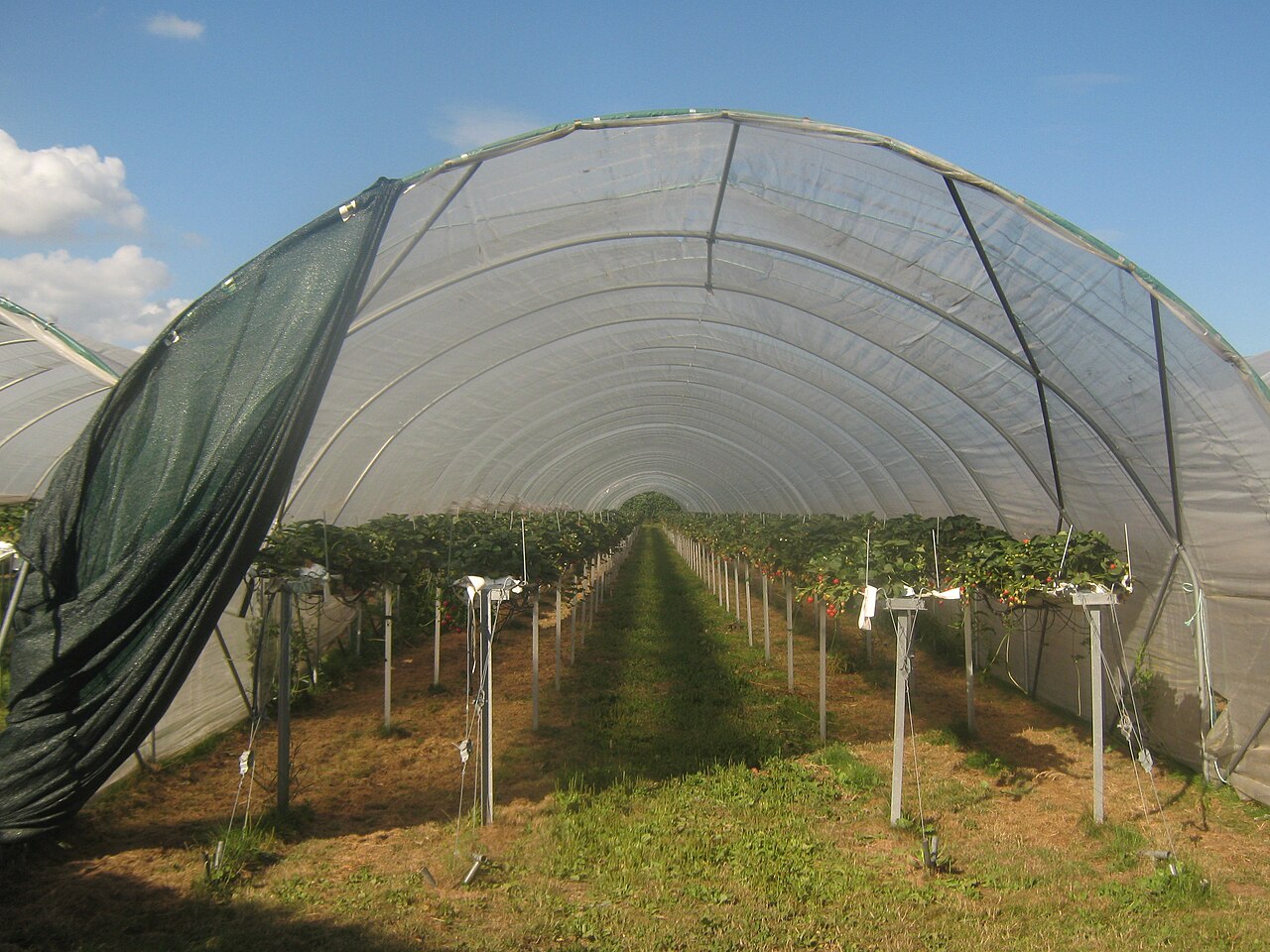
A Wageningen–Viscon feasibility study combines plant imaging and machine learning to identify young plants suitable for greenhouse transplanting, including a camera arrangement that captures the sides and underside of root plugs.
Source WUR Vision+Robotics / Viscon
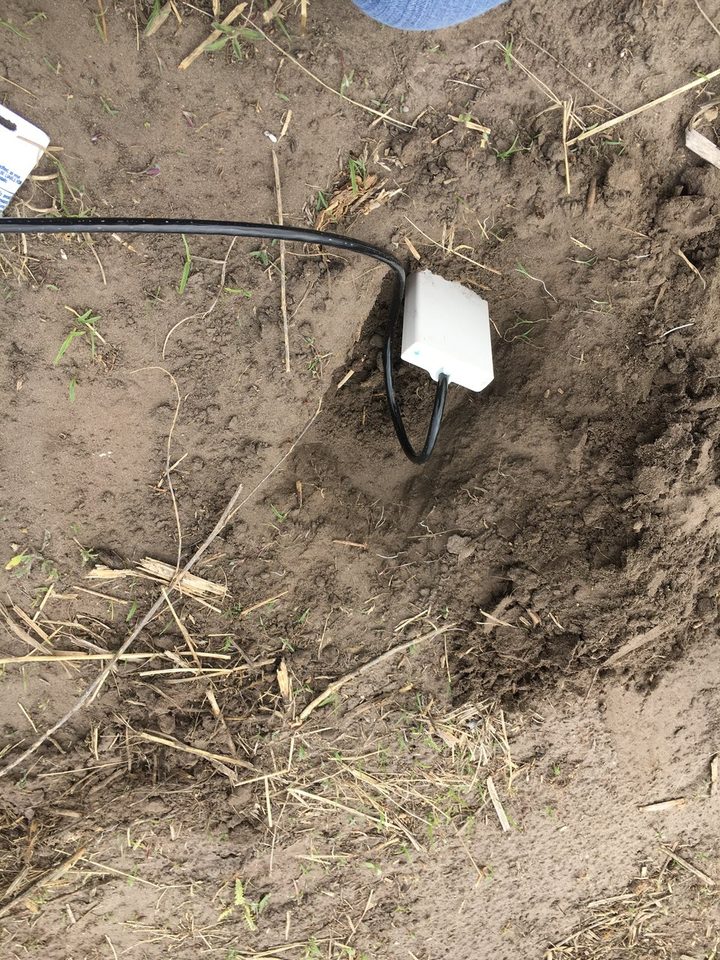
University of Queensland researchers reported a mobile root-sensing system in July 2025, combining an autonomous robot with electromagnetic measurements to investigate rooting traits, water access and crop performance.
Source University of Queensland
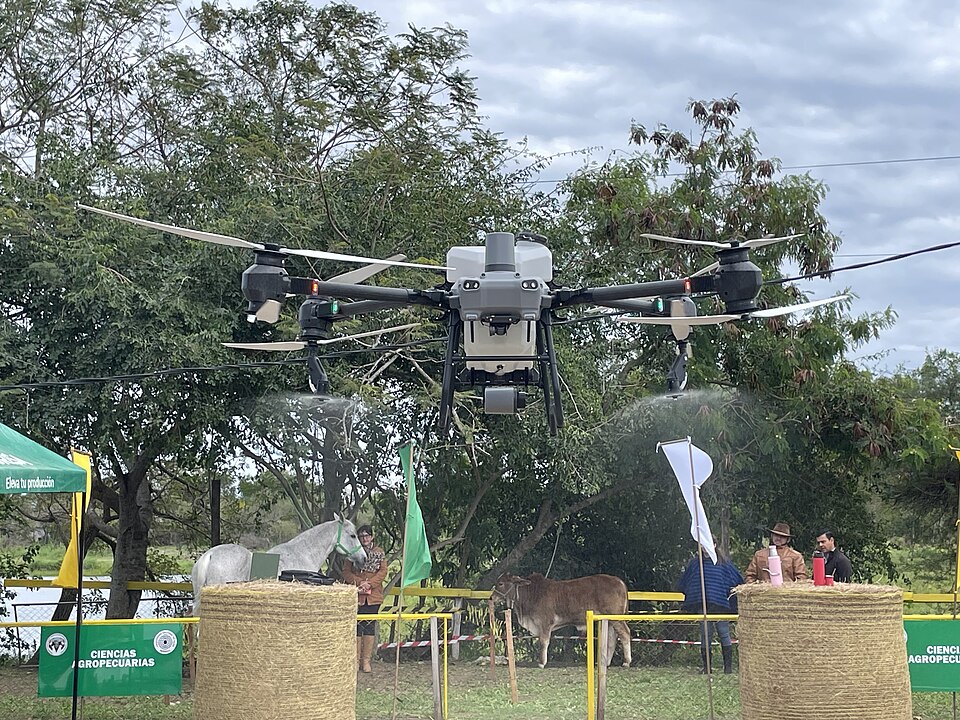
IRRI and XAG announced a research partnership in January 2025 to validate smart agricultural technologies in rice-based cropping systems, with drones donated through Philippine partner Agridom.
Source IRRI / CGIAR
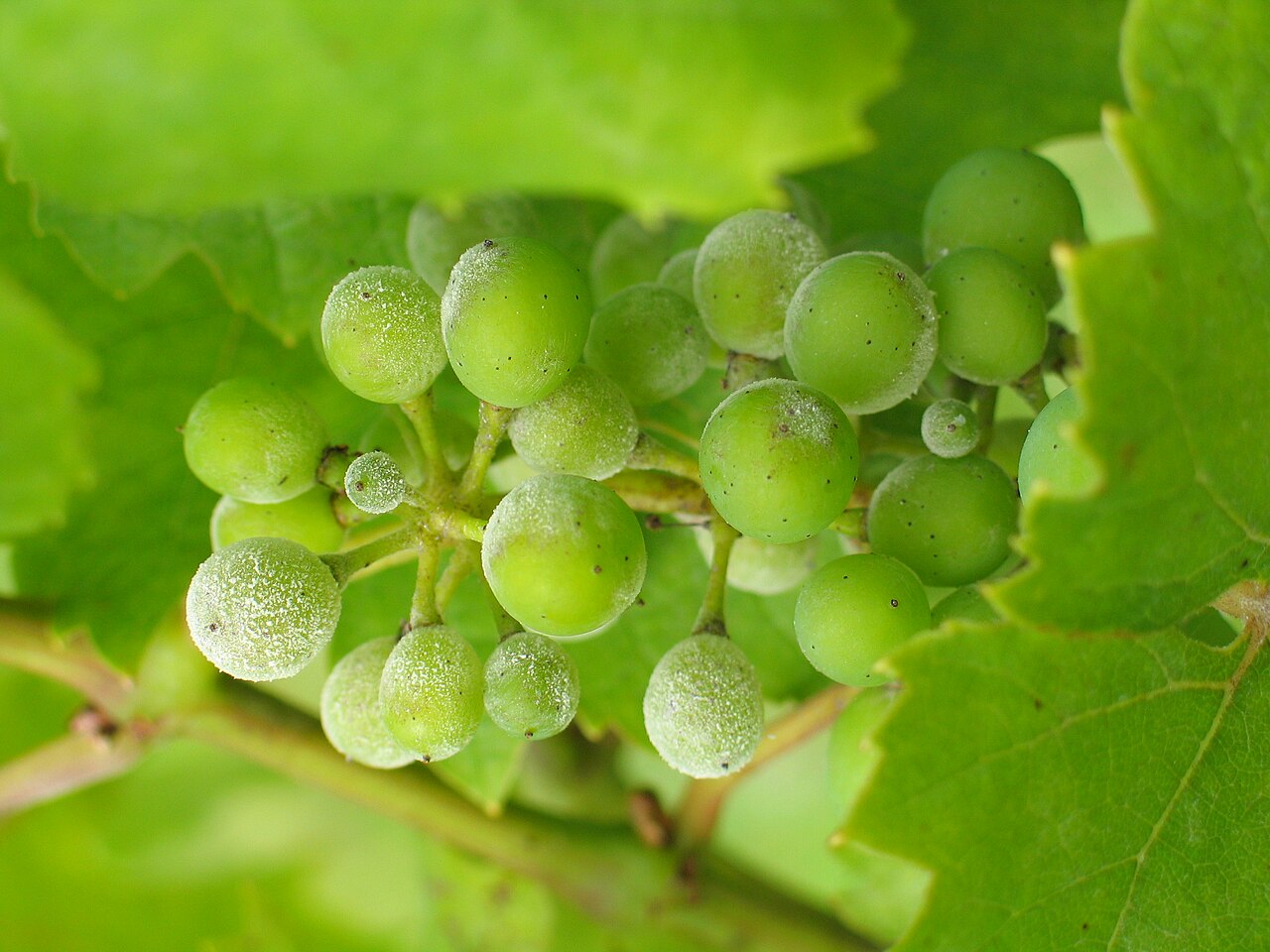
Cornell researchers report that HyperBird combines hyperspectral microscopy and automated sample imaging to reveal grape disease before visible symptoms, supporting studies of breeding and treatment effectiveness.
Source Cornell Chronicle
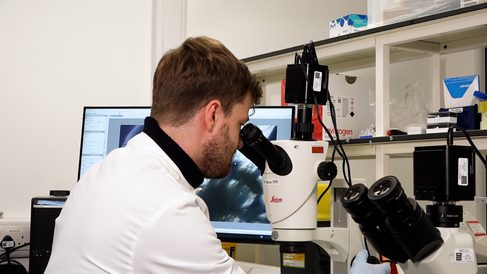
Cambridge researchers report faster plant–nematode screening using custom robots and computer vision, aiming to identify resistance genes before extending work from model plants to food crops such as potatoes.
Source University of Cambridge — Department of Plant Sciences
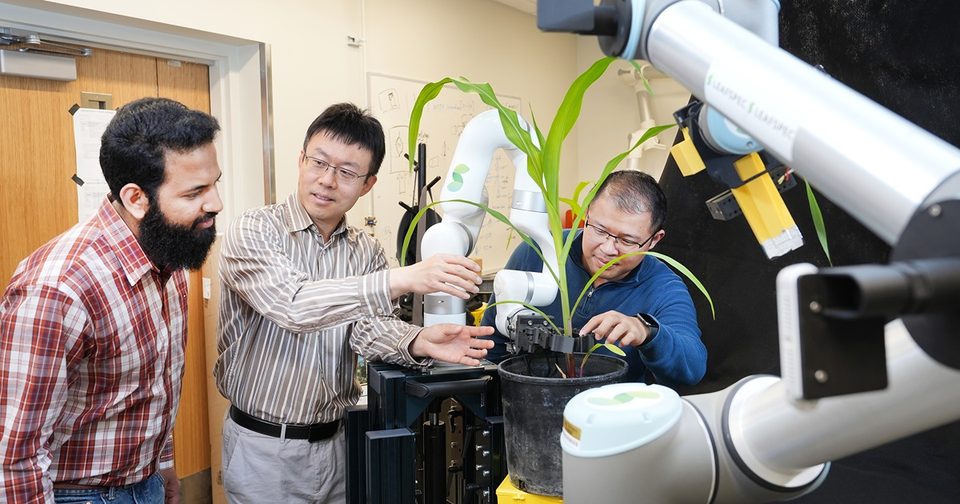
Purdue researchers linked LeafSpec imaging with a two-arm laboratory system in June 2024, using tactile feedback to steady corn plants and guide a scanner along their leaves.
Source Purdue College of Agriculture
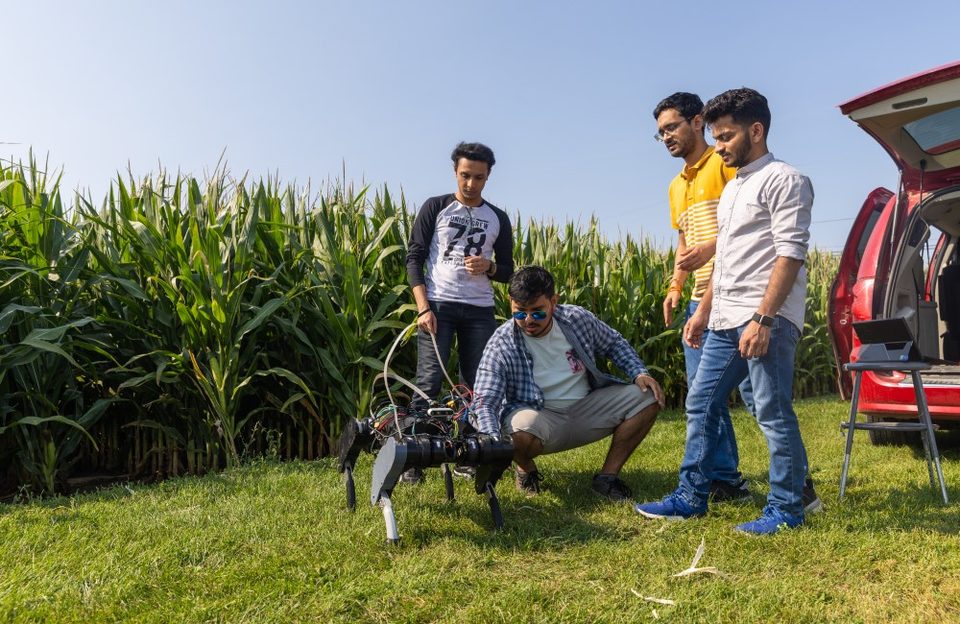
Ce Yang’s University of Minnesota laboratory presented a small quadruped prototype in October 2024, exploring how legged mobility could support wheat disease phenotyping where other observation platforms struggle.
Source University of Minnesota CFANS
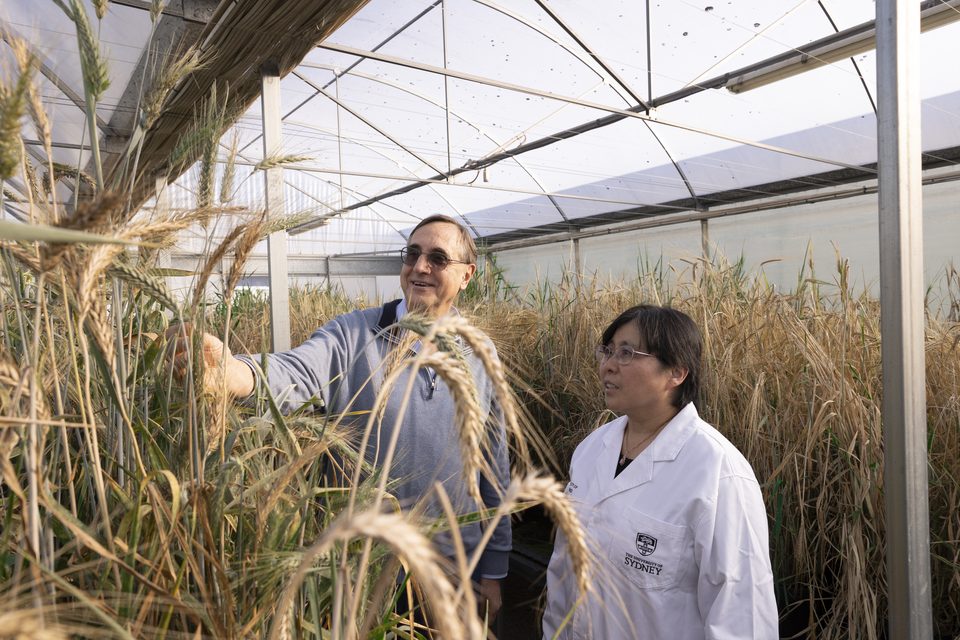
A November 2025 University of Sydney report connects Salah Sukkarieh’s farm-robot research with crop measurement and trials involving women and young farmers in Cambodia, emphasizing practical access to technology.
Source University of Sydney