146 stories matching “United States”.
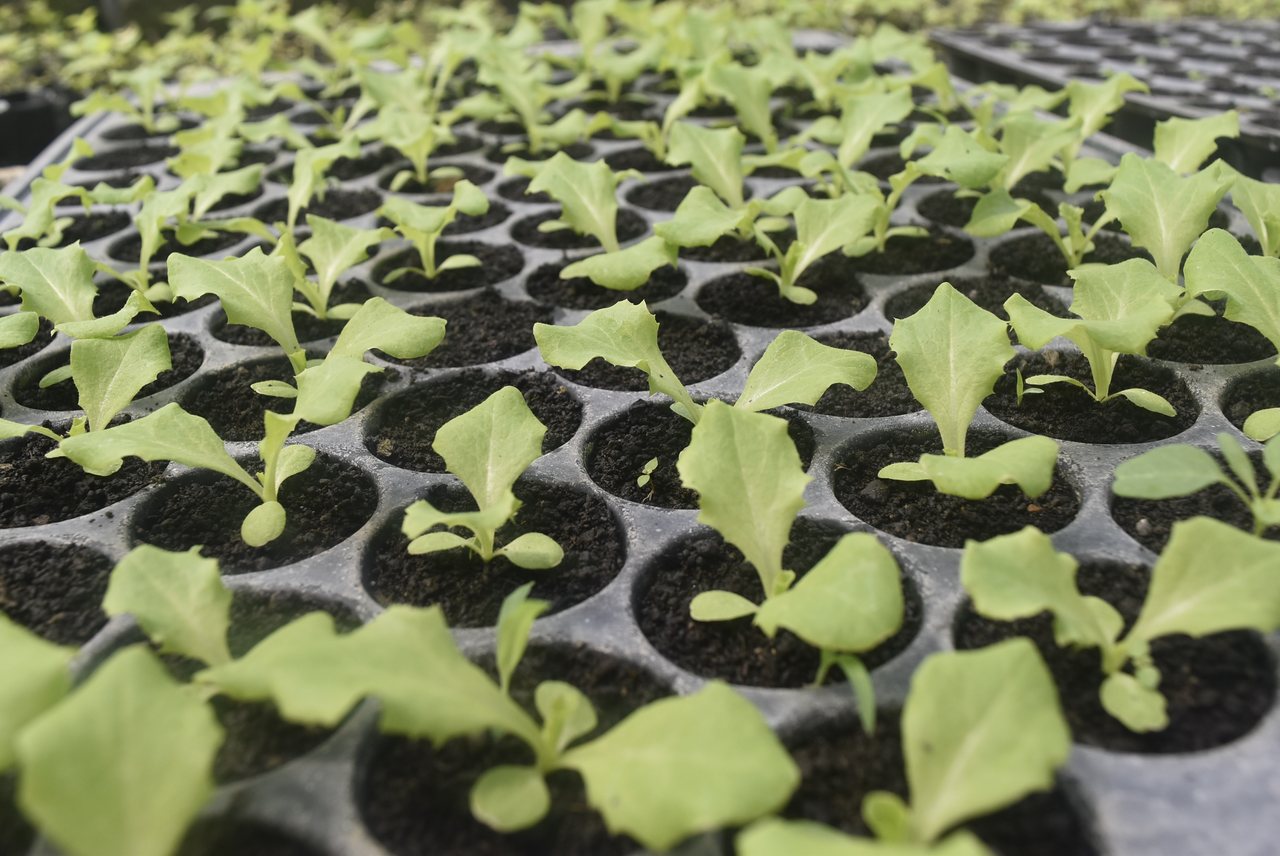
MIT researchers reported engineered bacteria whose optical signals could be detected remotely, opening a research route toward biological sensing read by hyperspectral cameras for agricultural and environmental monitoring.
Source MIT News
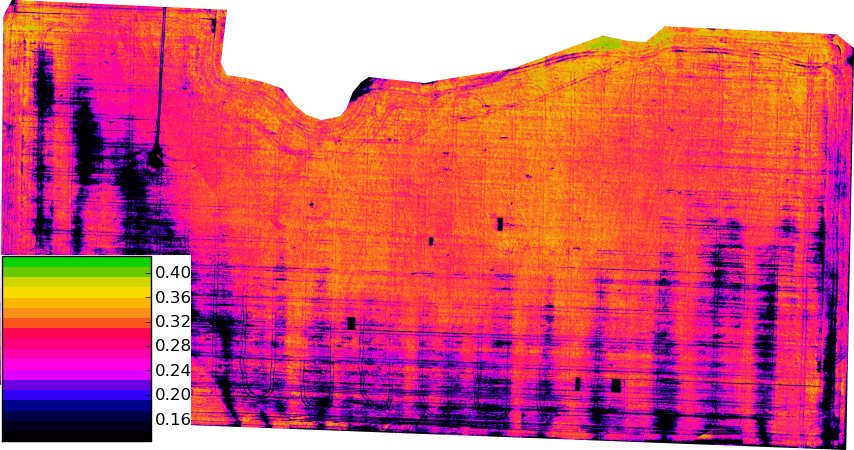
NASA announced a University of Maryland-led consortium in March 2023 to connect Earth observations with U.S. farmers’ decisions on water, fertilizer, crop health and resilience.
Source NASA
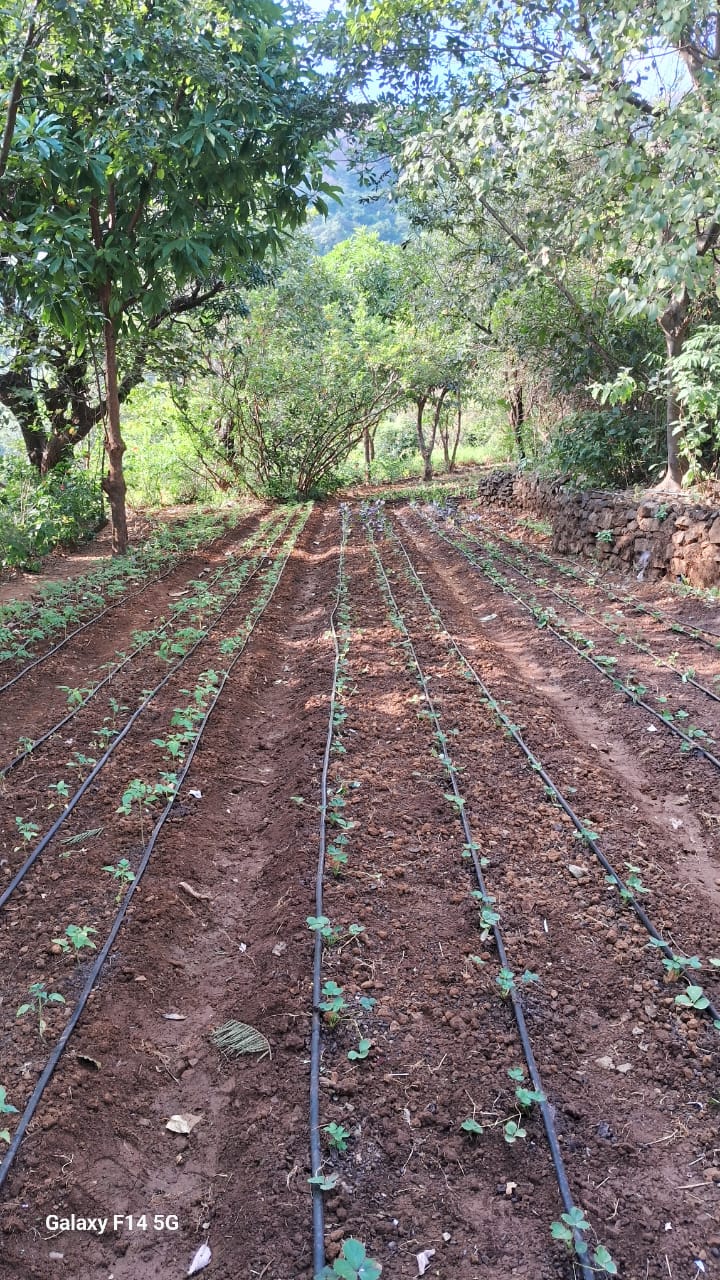
ASABE lists a free webinar on irrigation-uniformity benchmarking for 30 October 2026, with Reinke’s Mike Mills discussing methodological frameworks and their implications for irrigation efficiency.
Source American Society of Agricultural and Biological Engineers (undated page)
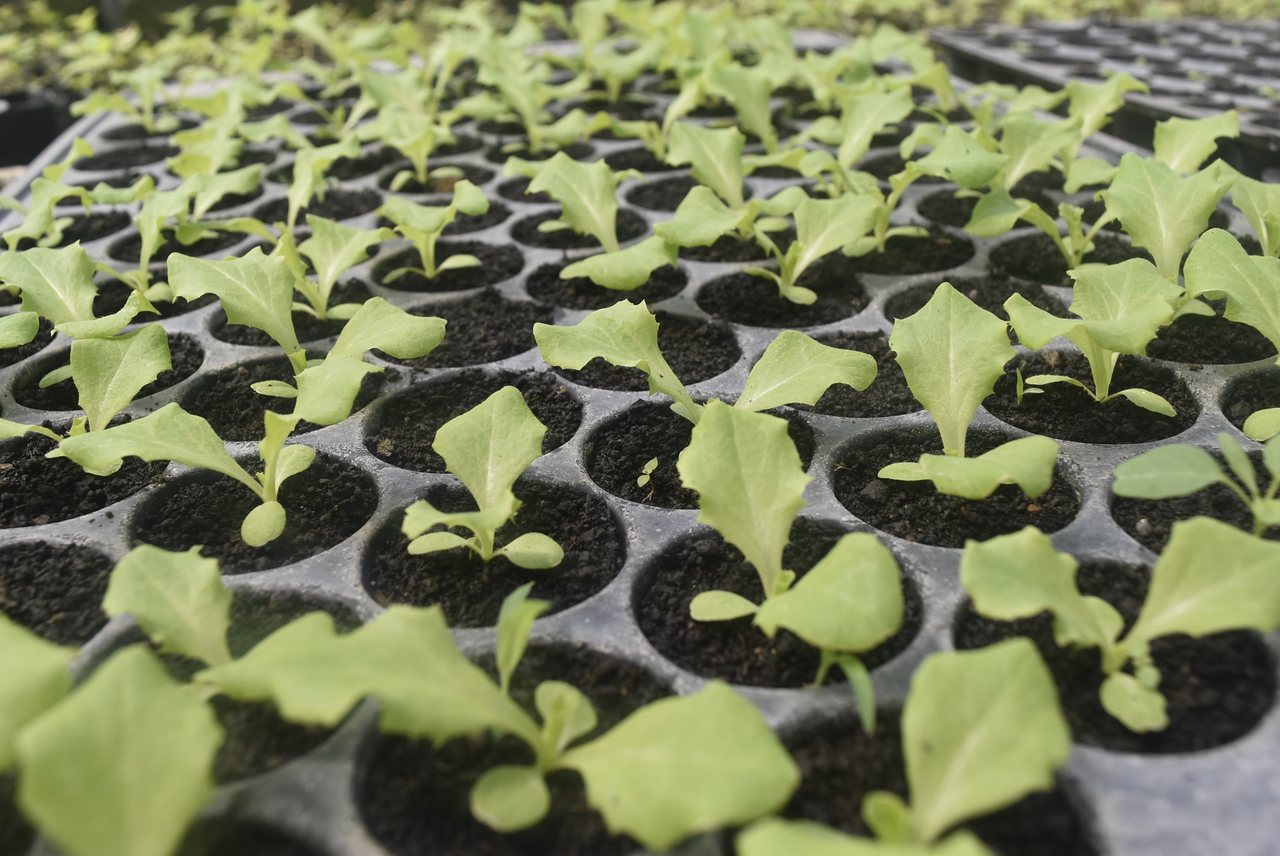
Bayer announced a March 2024 pilot trained on internal agronomic knowledge and trial information, working with Microsoft and EY to explore faster support for agricultural advisers and company teams.
Source Bayer
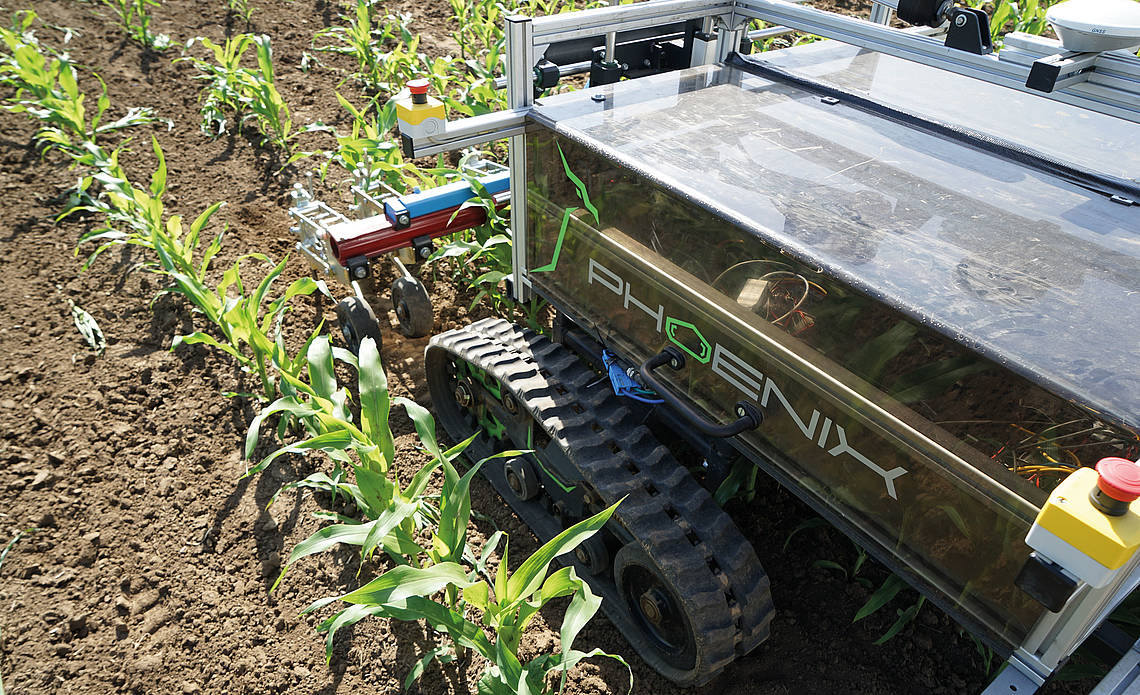
Syngenta announced Cropwise AI in September 2024, combining agronomic models and a multilingual language interface, initially serving selected customers in the United States and Brazil.
Source Syngenta Group
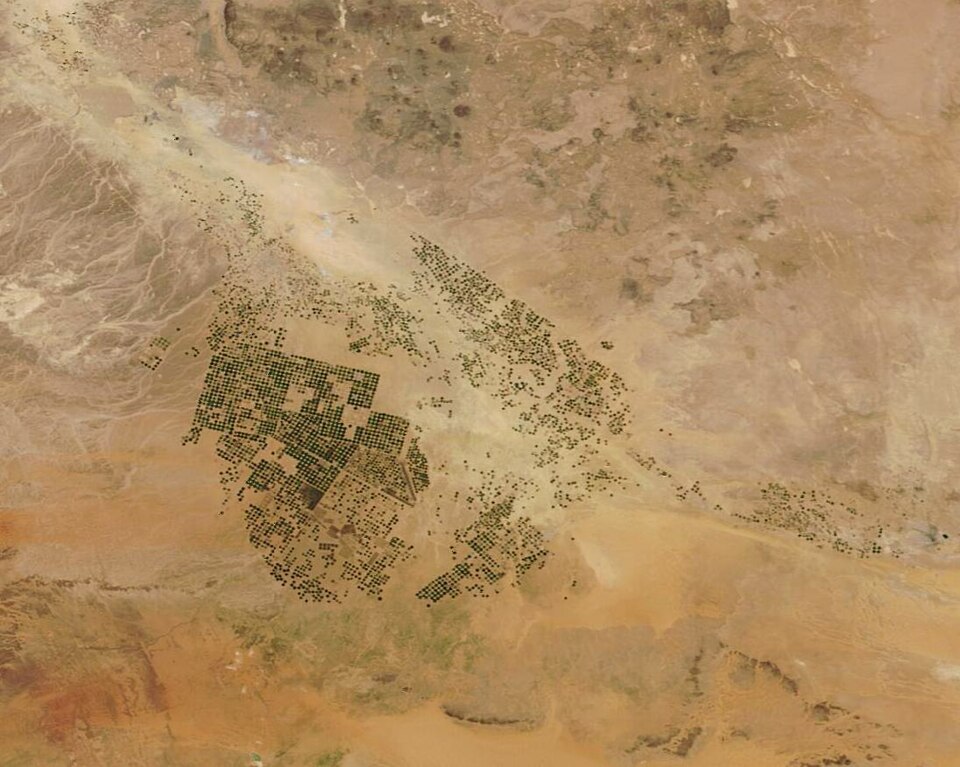
Microsoft Research presented FarmVibes.AI in October 2022, providing models and workflows that combine field sensors, weather and aerial imagery to support agricultural analysis and new research applications.
Source Microsoft Research
Wisconsin engineers reported protected electrochemical nitrate sensors in June 2024, with flexible sensing stickers and buried rods designed to follow nutrient and water movement through the soil profile.
Source UW–Madison News
A Northwestern-led team reported a microbial fuel-cell design in January 2024 that powered soil-moisture and touch sensors, exploring an alternative to replacing batteries in distributed monitoring systems.
Source Northwestern Now
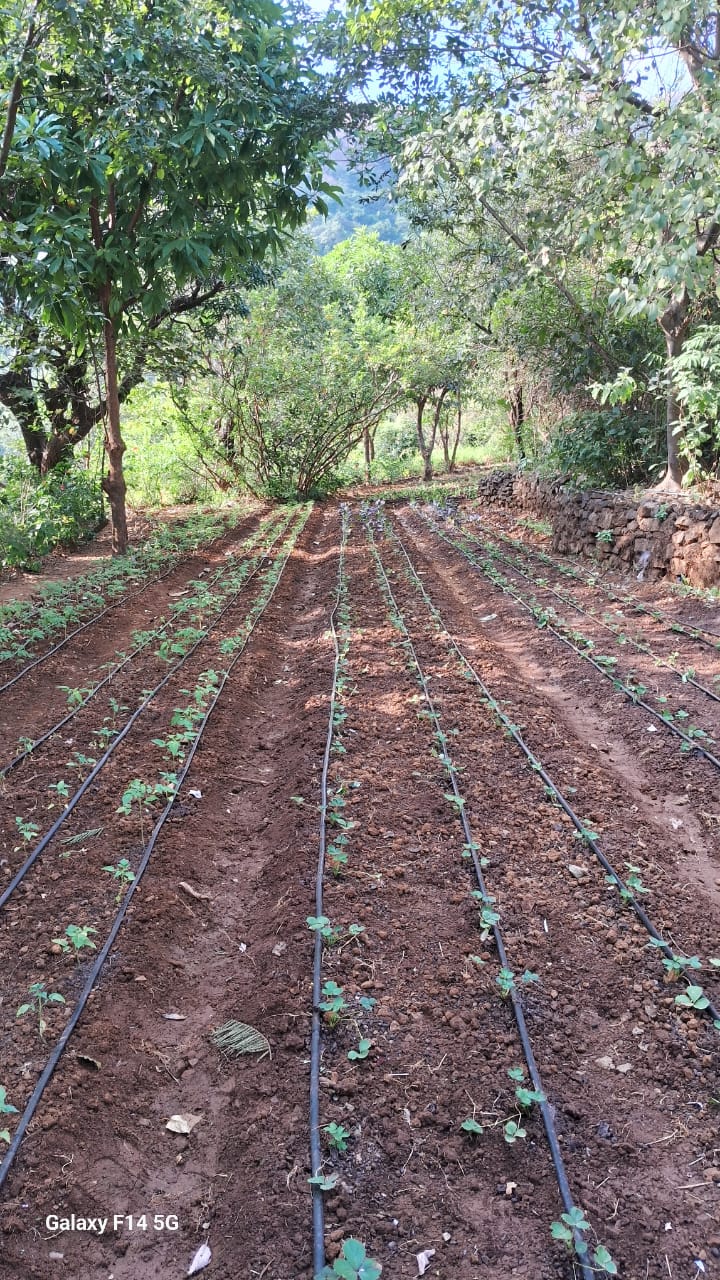
USDA’s 2023 irrigation survey, released in October 2024, reported lower total irrigated acreage and water use than in 2018, alongside significant spending on equipment, computer technology and pumping energy.
Source USDA National Agricultural Statistics Service
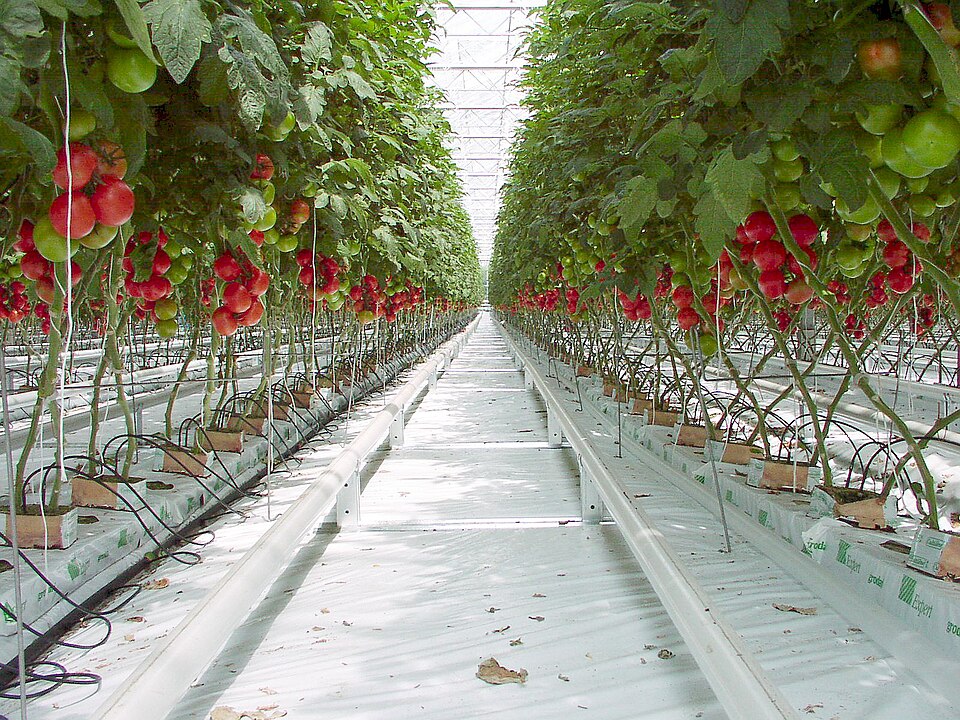
Cleveland State University expanded its Connected Gardens work with indoor hydroponics, giving engineering and health students a year-round platform to compare growing systems and supply produce to a campus food pantry.
Source Cleveland State University
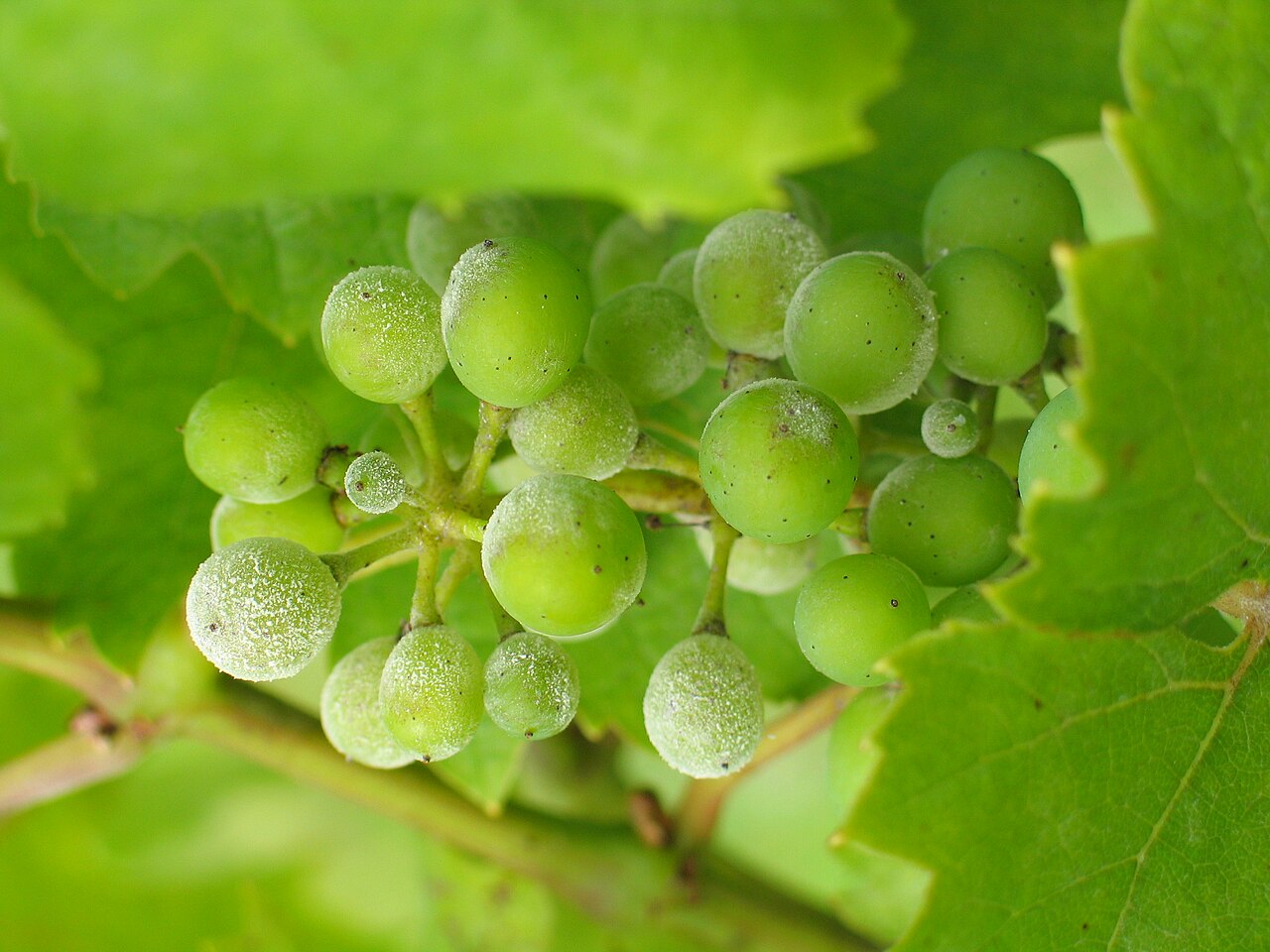
Cornell researchers report that HyperBird combines hyperspectral microscopy and automated sample imaging to reveal grape disease before visible symptoms, supporting studies of breeding and treatment effectiveness.
Source Cornell Chronicle
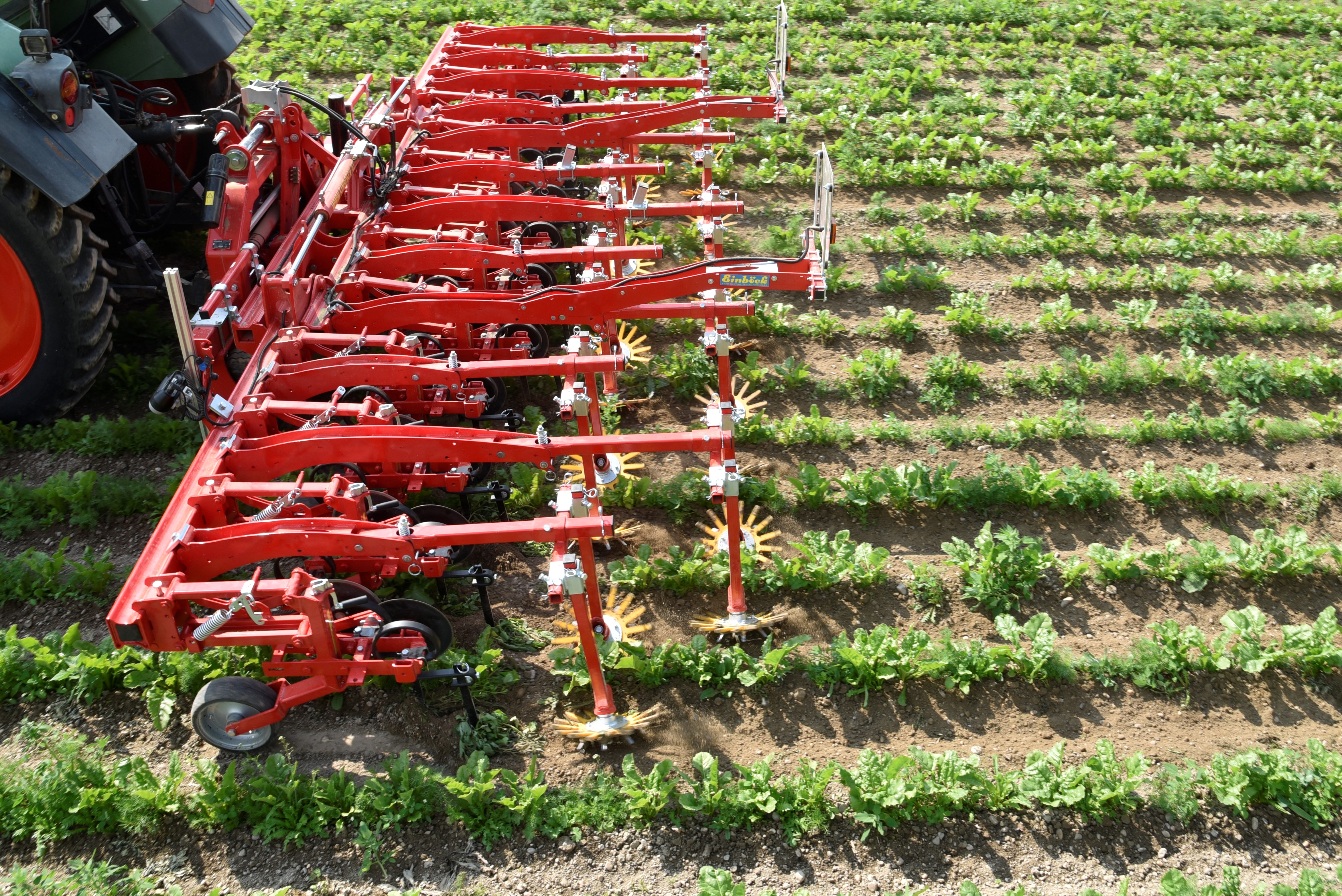
Aigen’s latest solar-powered robot adds four independently controlled weeding arms and field analytics, with the company offering coordinated fleets to growers for the 2027 season.
Source Aigen