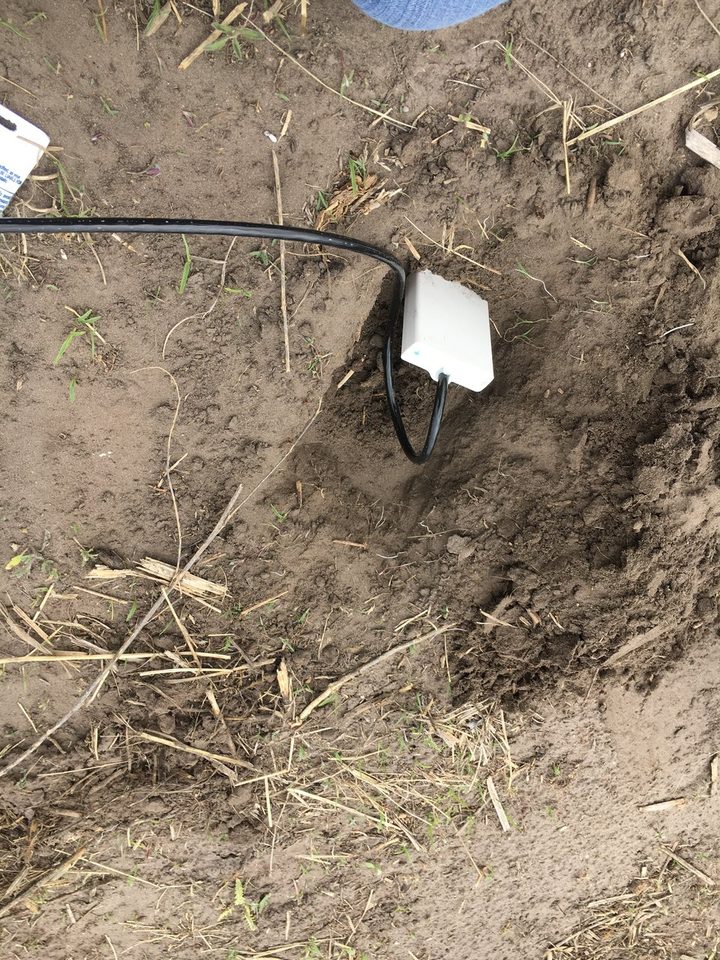
Northwestern University researchers developed a soil microbial fuel cell that captures small electrical currents from naturally occurring microbial activity. The team used it to power soil-moisture and touch sensing, with wireless communication achieved by reflecting existing radio signals to a nearby base station.
After comparing several designs, researchers tested the final version in an outdoor garden. Its perpendicular electrode arrangement helped maintain access to moisture and oxygen under changing conditions. Designs, tutorials and simulation tools were released publicly. The demonstration concerns very low-power electronics; it does not establish unlimited energy or guarantee permanent operation in every agricultural soil.