14 stories matching “Simulation”.
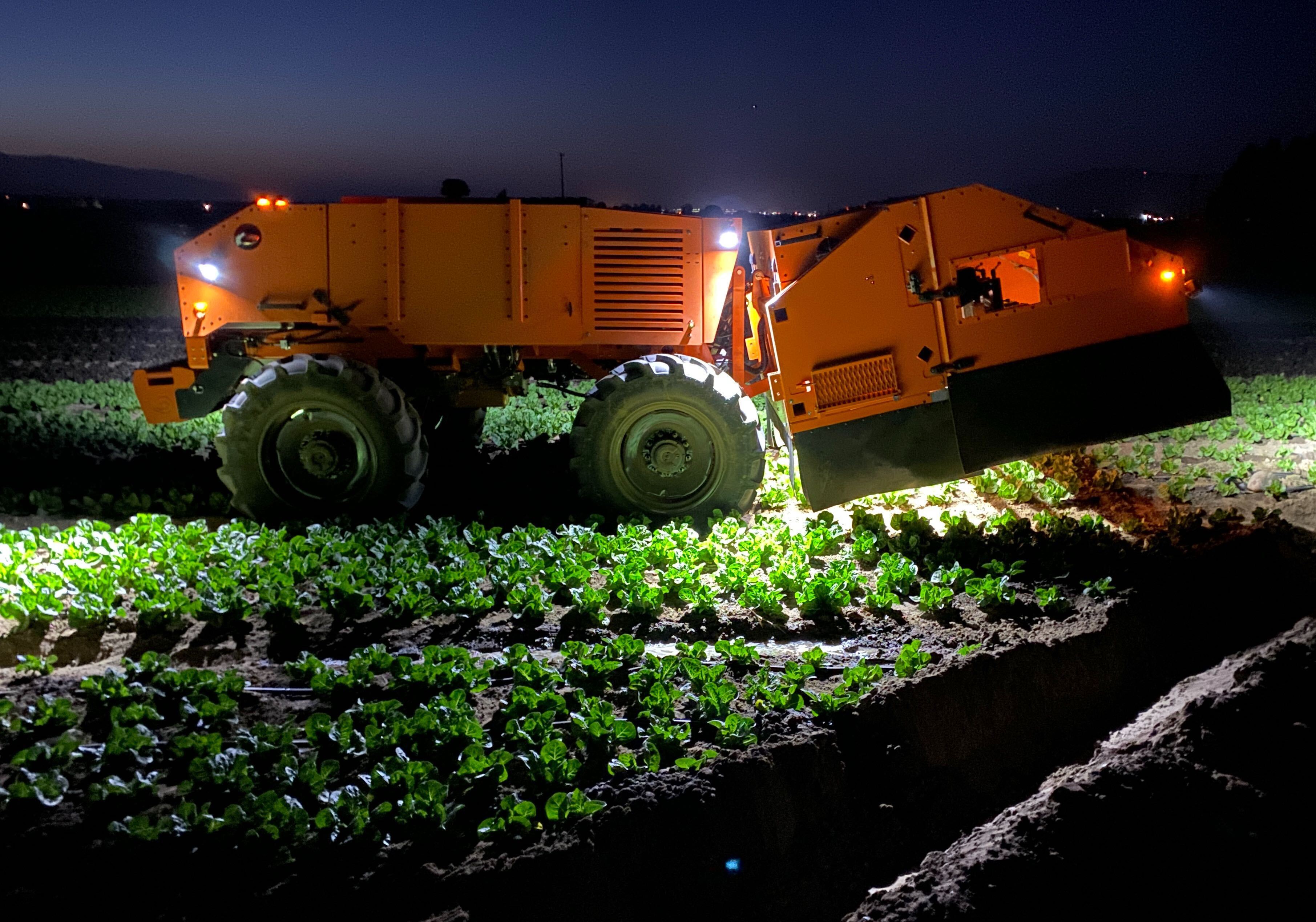
A site-specific cultivator study combines RTK-guided field operation with adaptive-control research and reports 96.5% efficacy measured by tillage length.
Source Precision Agriculture / NDSU and USDA-ARS researchers
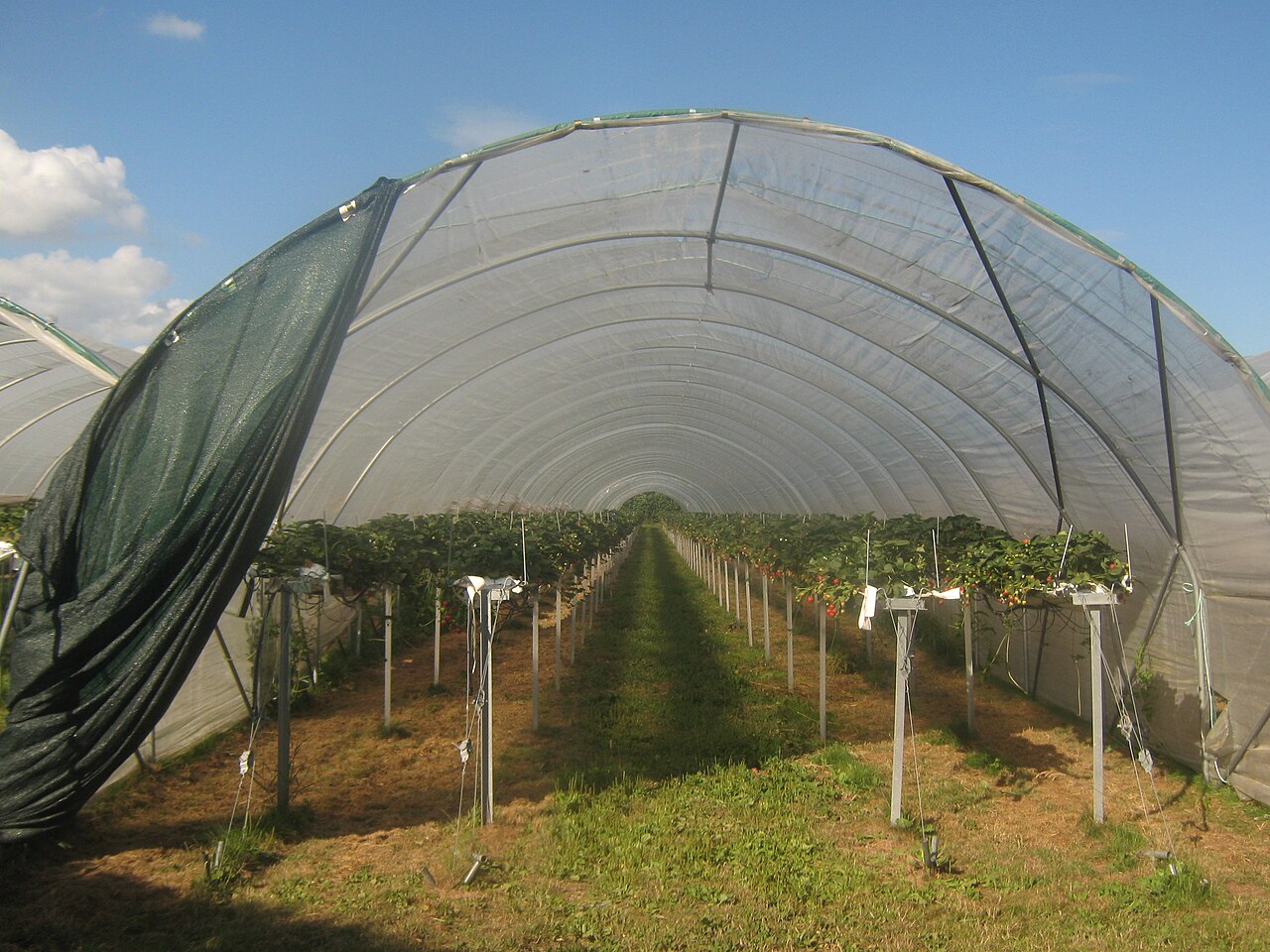
A research preprint combines tailored fruit vision with simulation-trained robot control, reporting 84.3% overall strawberry harvesting success in greenhouse evaluation and illustrating the remaining gap between reaching and completing a pick.
Source Bashir et al. — arXiv preprint
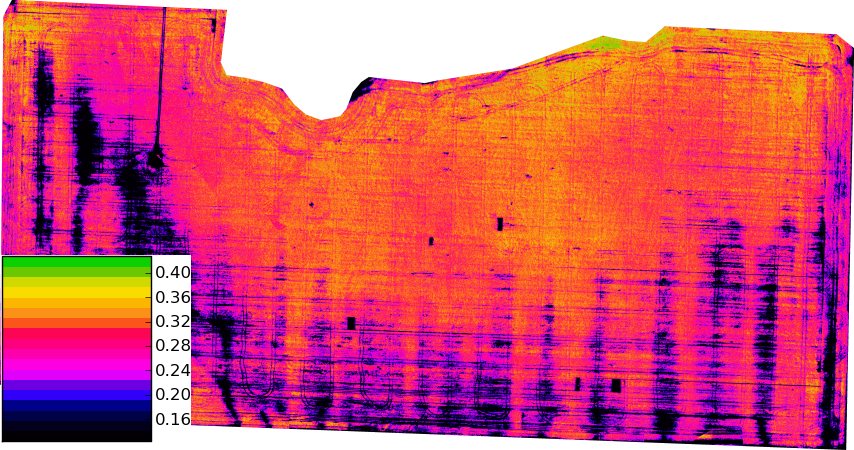
University of Missouri researchers developed FieldVision to allocate drone image-processing tasks across onboard, edge and cloud computers, reporting improvements in simulation as networking and computing conditions changed during missions.
Source University of Missouri
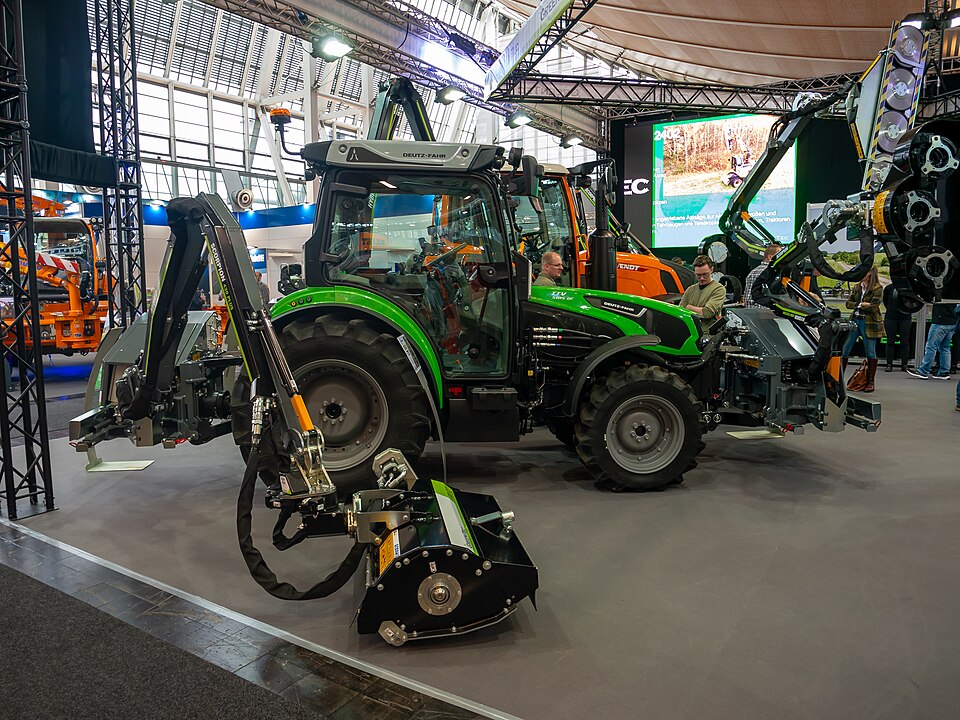
BioSC’s September 2026 summer school brought digital twins and soil sensing into discussions of circular agronomy, connecting engineering tools with nutrient management, biological processes and agricultural sustainability.
Source Bioeconomy Science Center (undated page)
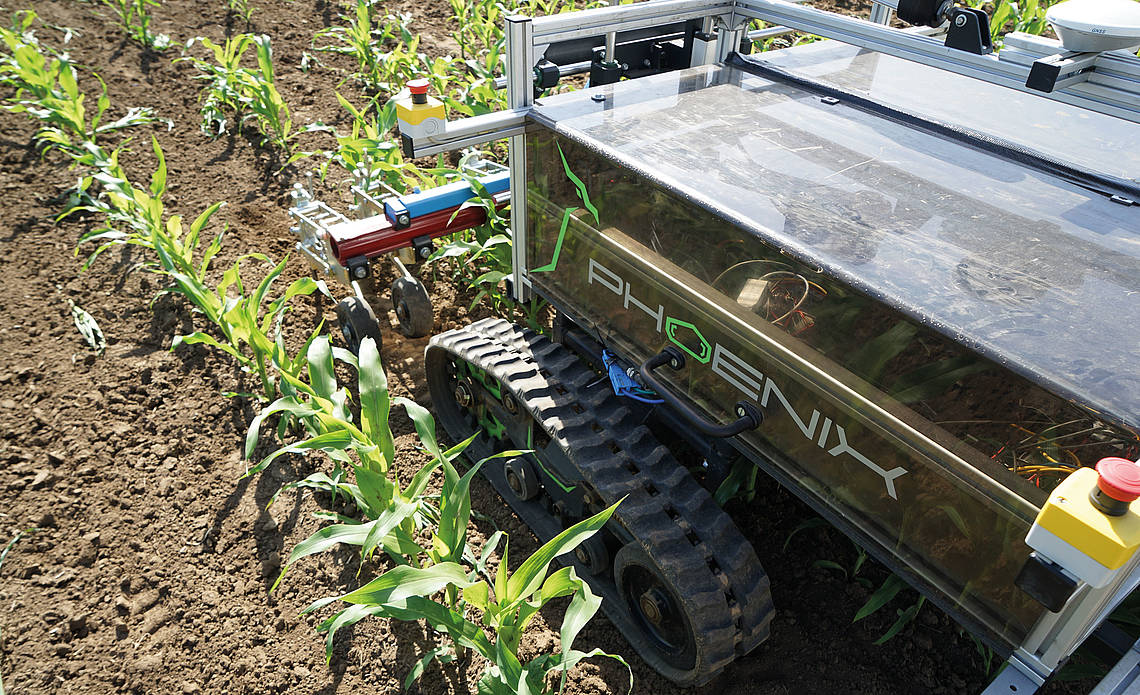
An October registration reminder brings LAND.TECHNIK’s Dresden programme into focus, with agricultural robotics, AI, sensing, machinery safety and electric drives among the themes planned for 10–11 November 2026.
Source EurAgEng
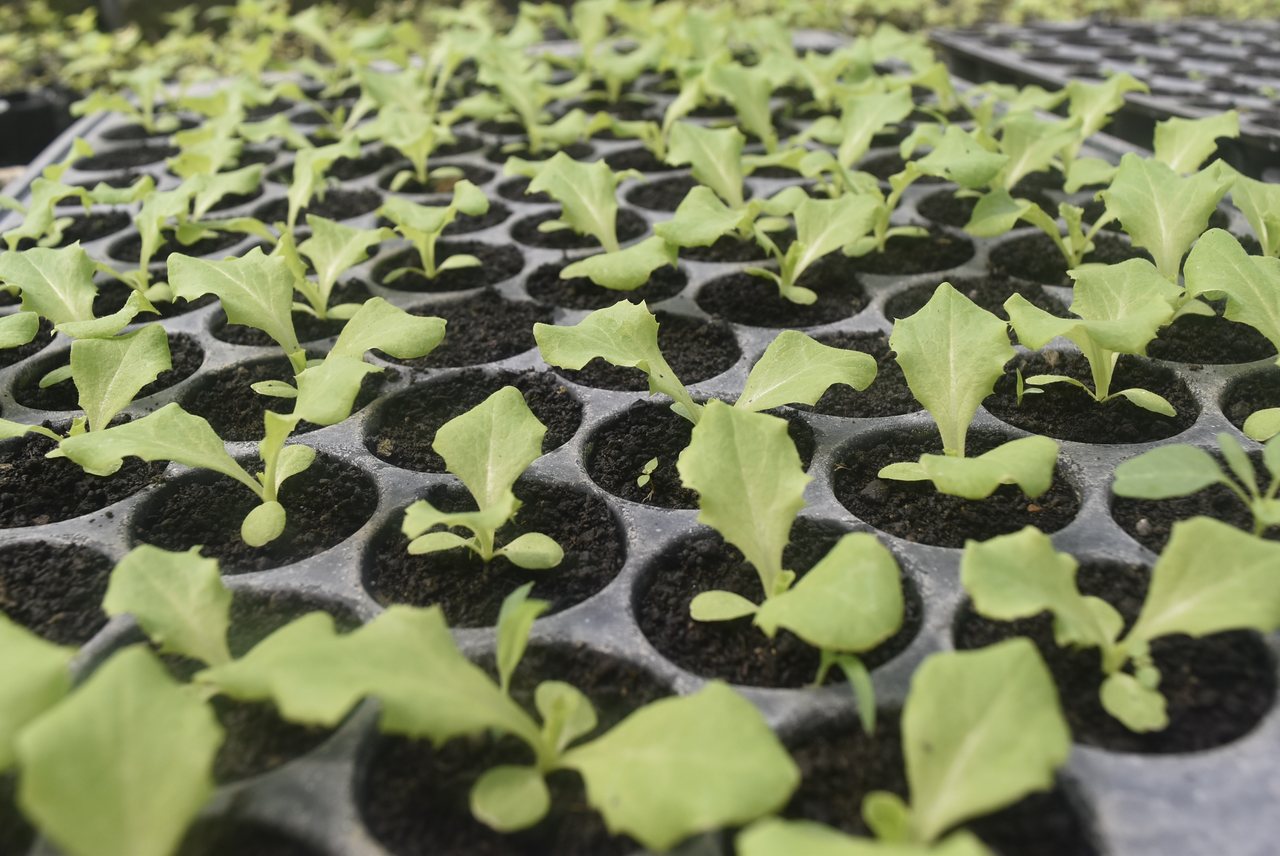
Wageningen’s 2026–2027 AGROS II project is developing crop sensing and control methods for autonomous greenhouses, comparing a digital-twin approach, trained AI and expert-led data-driven cultivation in cucumber crops.
Source Wageningen University & Research (undated page)
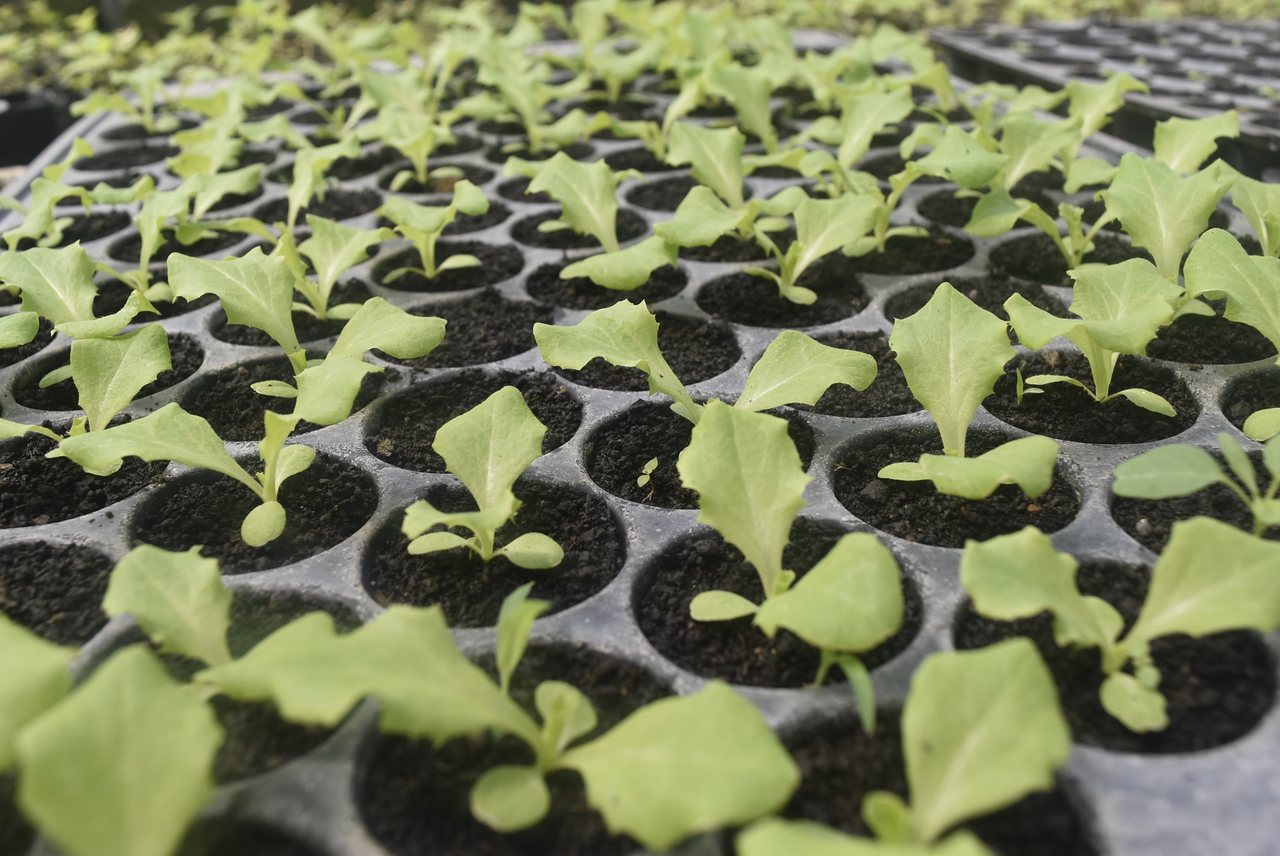
A Northwestern-led team reported a microbial fuel-cell design in January 2024 that powered soil-moisture and touch sensors, exploring an alternative to replacing batteries in distributed monitoring systems.
Source Northwestern Now
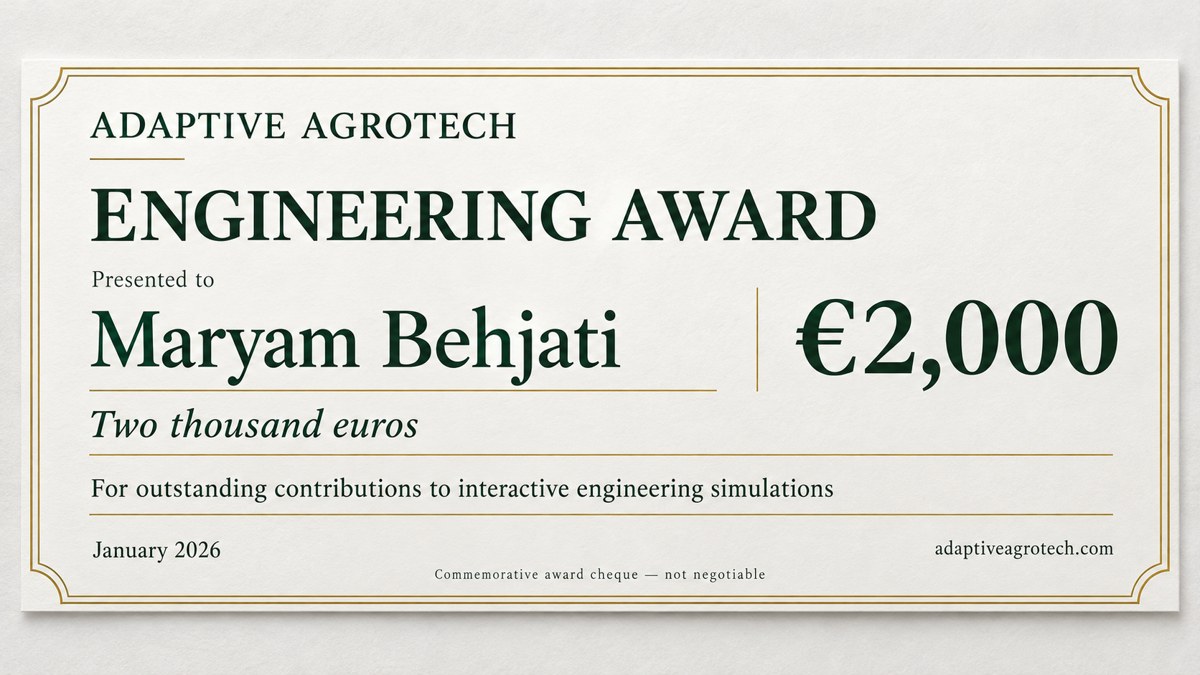
Adaptive AgroTech recognised engineer Maryam Behjati in January 2026 with a €2,000 Engineering Award for her significant contribution to the network and its interactive simulation demonstrations.
Source Adaptive AgroTech — company announcement
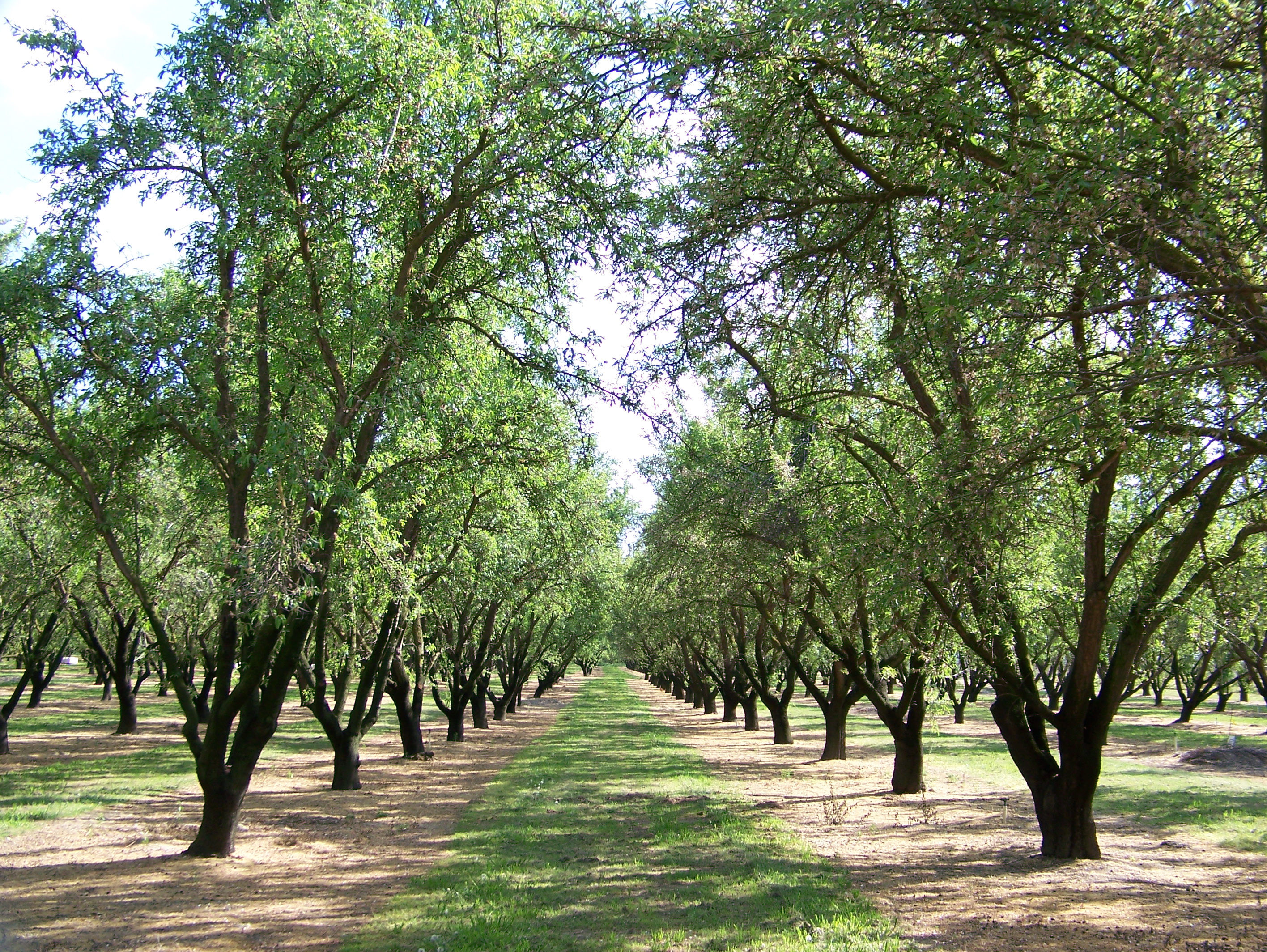
Bonsai Robotics has launched Bonsai World, a simulation application that turns satellite imagery into virtual environments to help train autonomous machines before deployment in unfamiliar conditions.
Source Bonsai Robotics
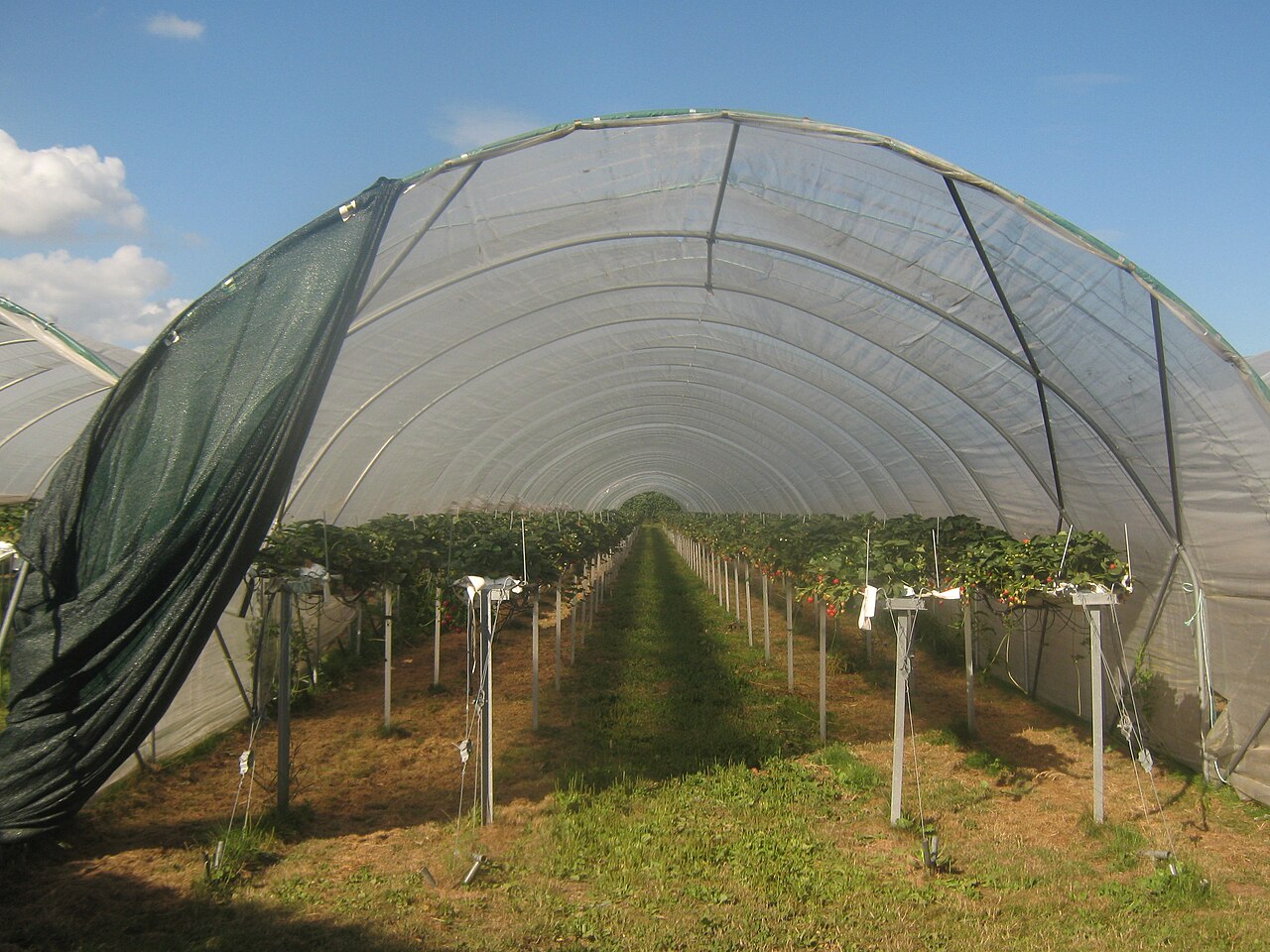
The UK consortium has completed its agricultural robotics programme, leaving reusable software, navigation tools and simulation environments designed to reduce development effort for harvesting systems across different crops and farms.
Source Agri-OpenCore
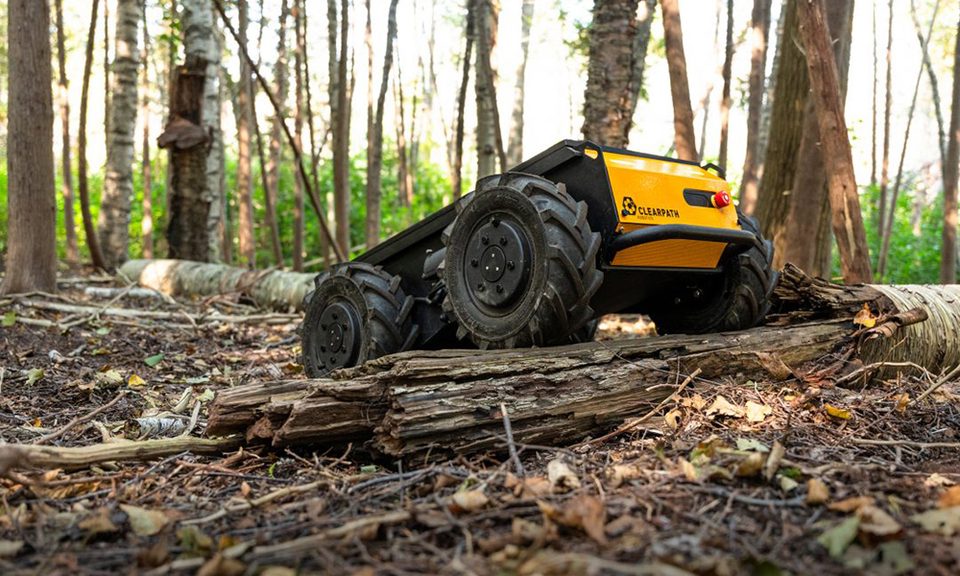
UBC Okanagan researchers received a Husky A300 platform for real-world autonomy experiments, with agricultural work involving field mapping and targeted interventions alongside a separate wildfire-research programme.
Source UBC Okanagan News
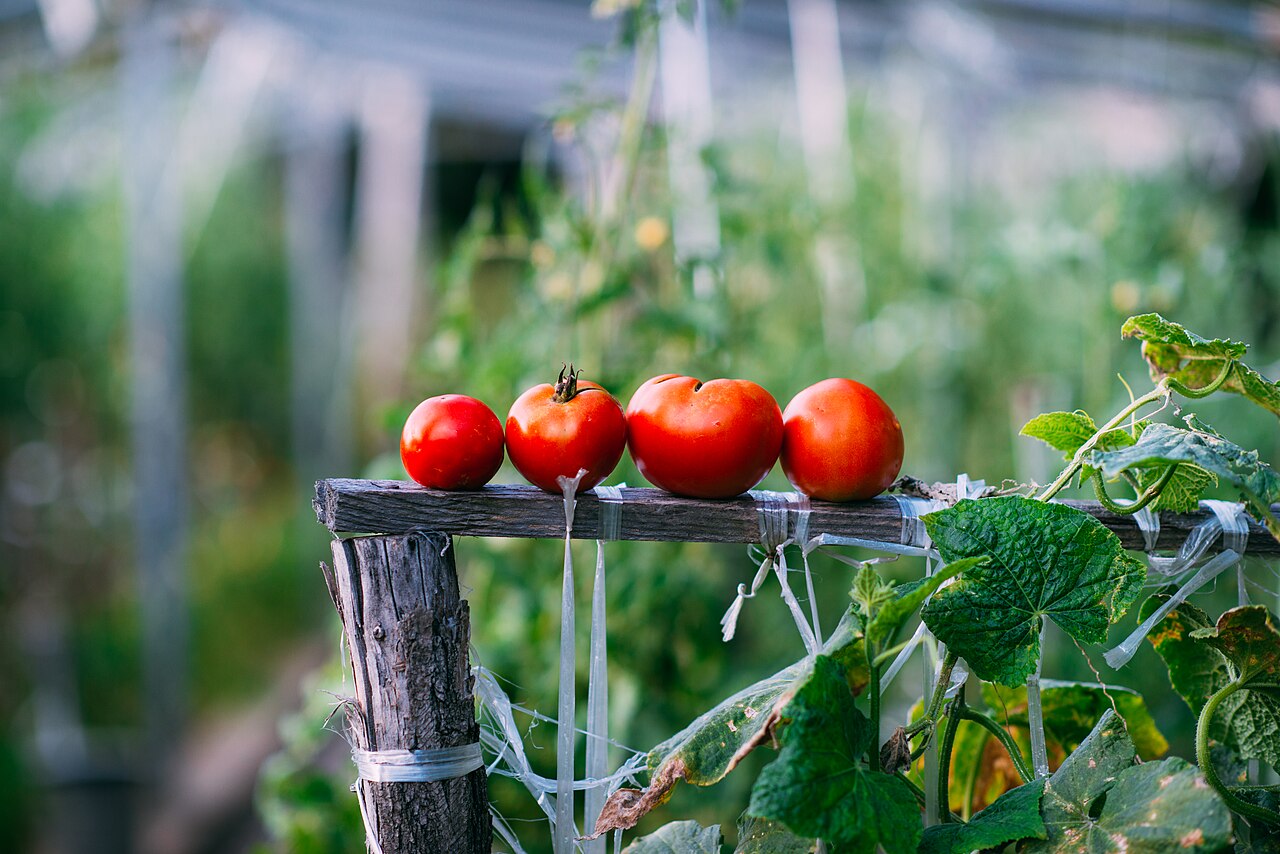
Measured plant models and synthetic vision data are helping researchers compare robot designs in a greenhouse environment that can be reset.
Source Wageningen University & Research