14 stories matching “LiDAR”.
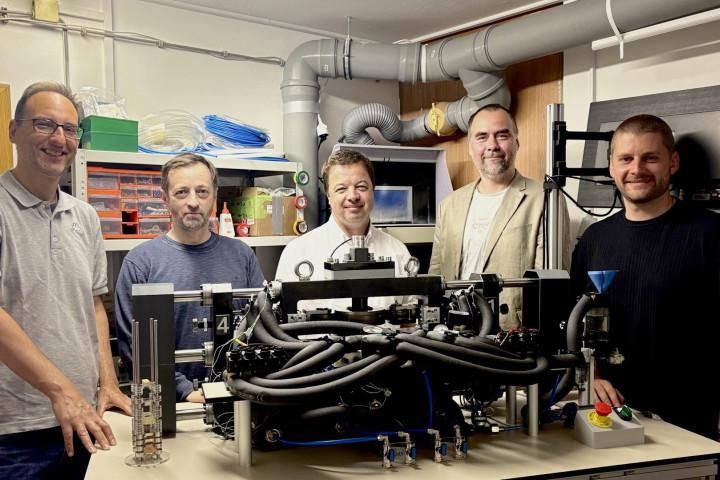
University researchers report that a LiDAR-based retrofit adapts individual sprayer nozzles to vegetation density and has been used by three vineyard growers.
Source University of Ljubljana
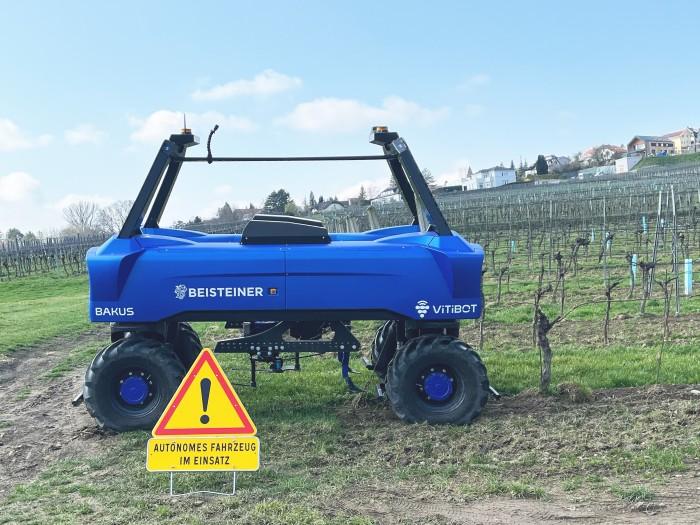
Researchers are using repeated LiDAR and panoramic mapping to build a vineyard digital twin that reflects seasonal changes affecting autonomous navigation.
Source JOANNEUM RESEARCH
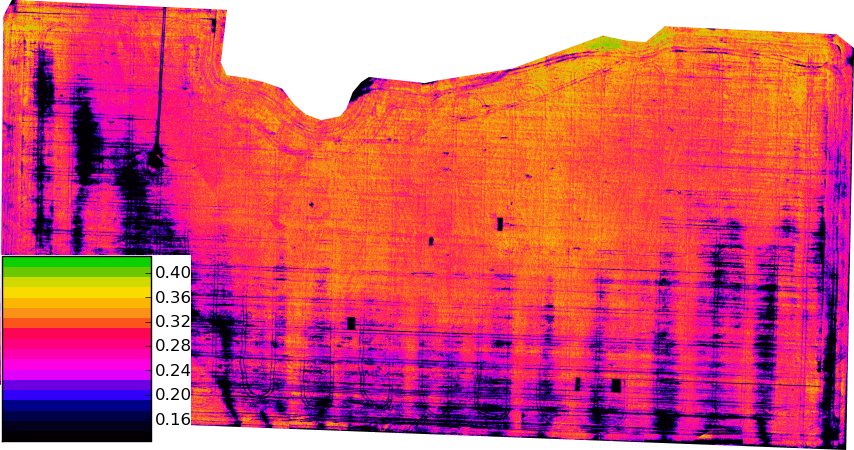
Montana State University combined satellite observations, drone LiDAR and field sampling to map wheat stem sawfly damage, reporting useful pre-harvest predictions in two commercial spring-wheat fields during 2025.
Source Montana State University (publication day unspecified; checked 24 October 2026)
Southern Illinois University brought drone mapping and agricultural AI demonstrations to its July field day, showing growers how aerial observations can support scouting and discussion of site-specific crop management practices.
Source Southern Illinois University Carbondale
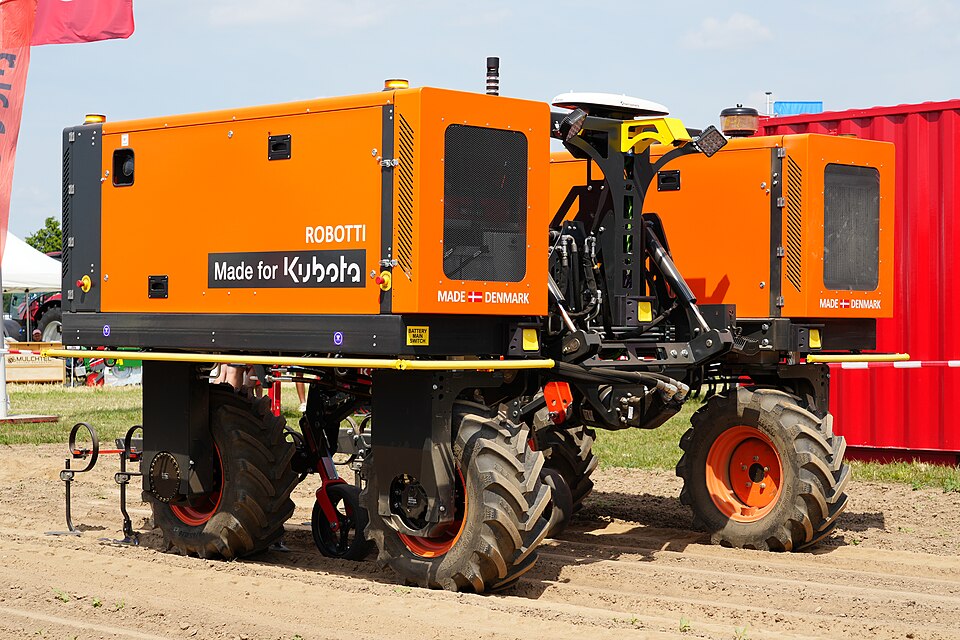
The CropNav research preprint proposed switching between lidar row following and waypoint navigation to help small agricultural robots move through crop canopies where satellite positioning becomes unreliable or unavailable.
Source CropNav research authors — arXiv
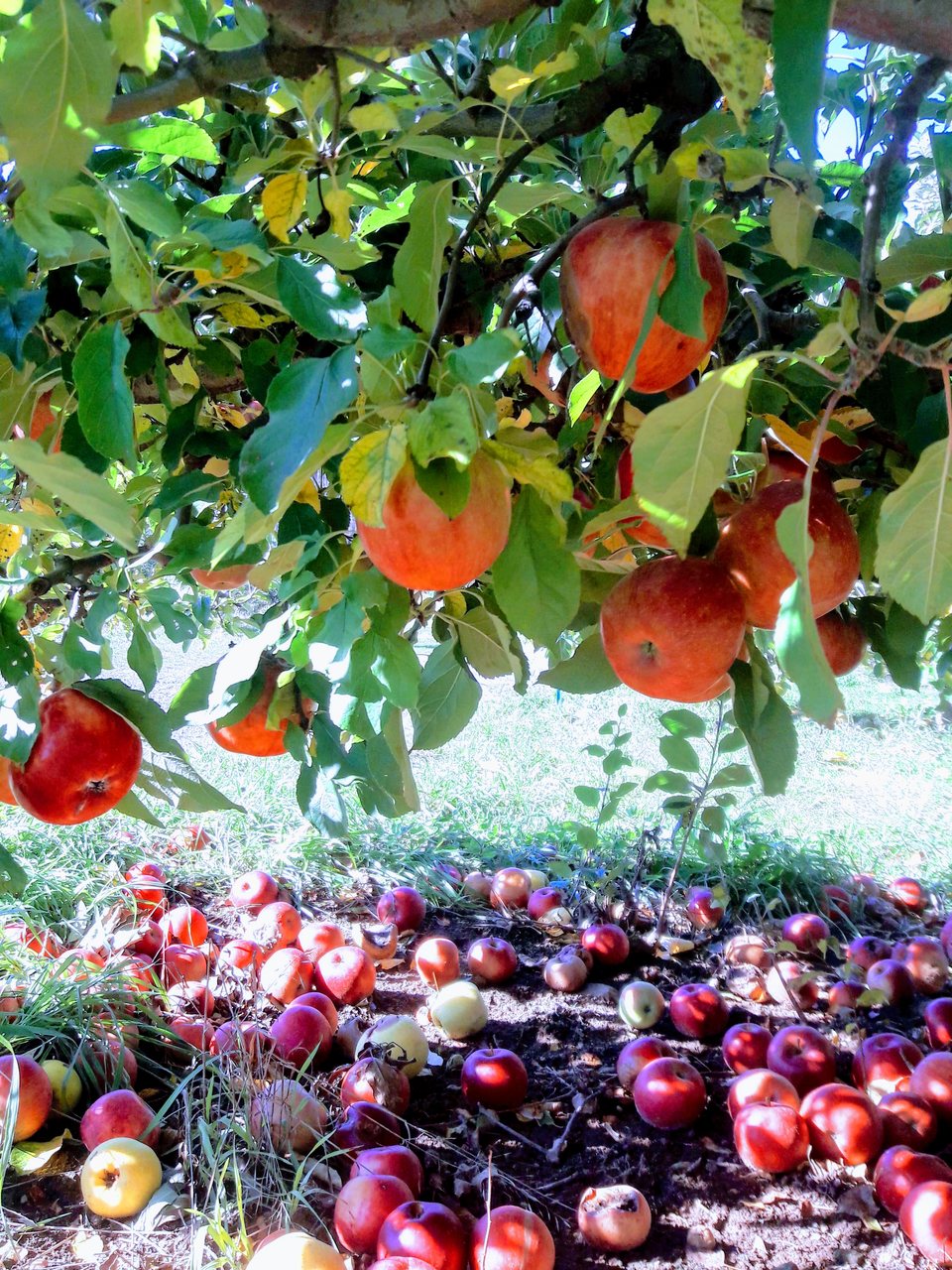
John Deere and GUSS introduced an electric autonomous orchard herbicide sprayer in 2024, combining battery operation with weed detection and remote oversight of multiple machines by one operator.
Source John Deere Australia / GUSS Automation
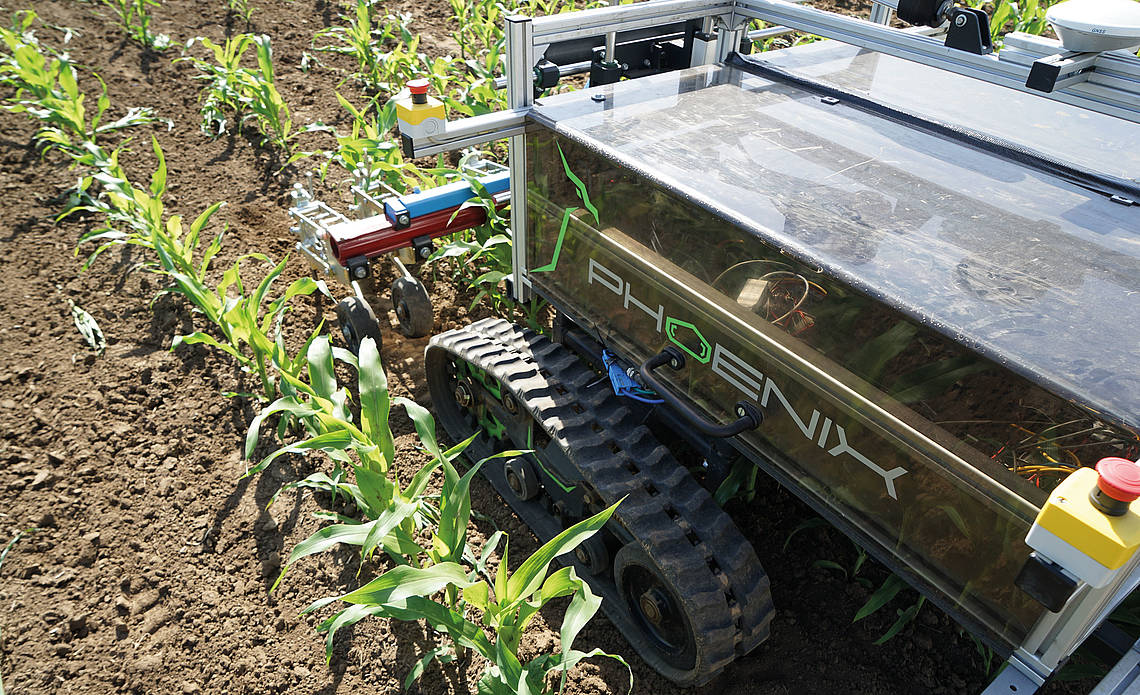
Burro announced general availability of Grande 44, an outdoor autonomous platform for towing, transport and vegetation management, extending its agricultural robot range to heavier-duty work in farms and nurseries.
Source Burro
John Deere’s CES 2025 announcement expanded its autonomy programme to the 9RX and 5ML orchard tractor, combining new perception hardware with remote supervision through Operations Center Mobile.
Source John Deere
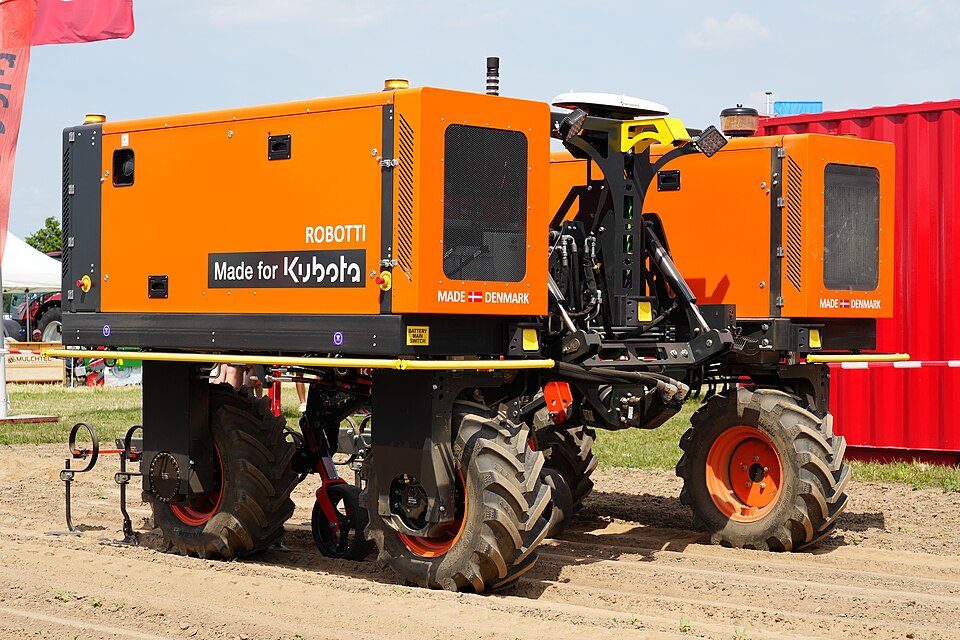
Malaysia’s Meraque outlined a plan to train more than 500 people in 2024 as it expanded facilities and demonstrated locally developed robots for agriculture and plantation management.
Source Malaysian Technology Development Corporation
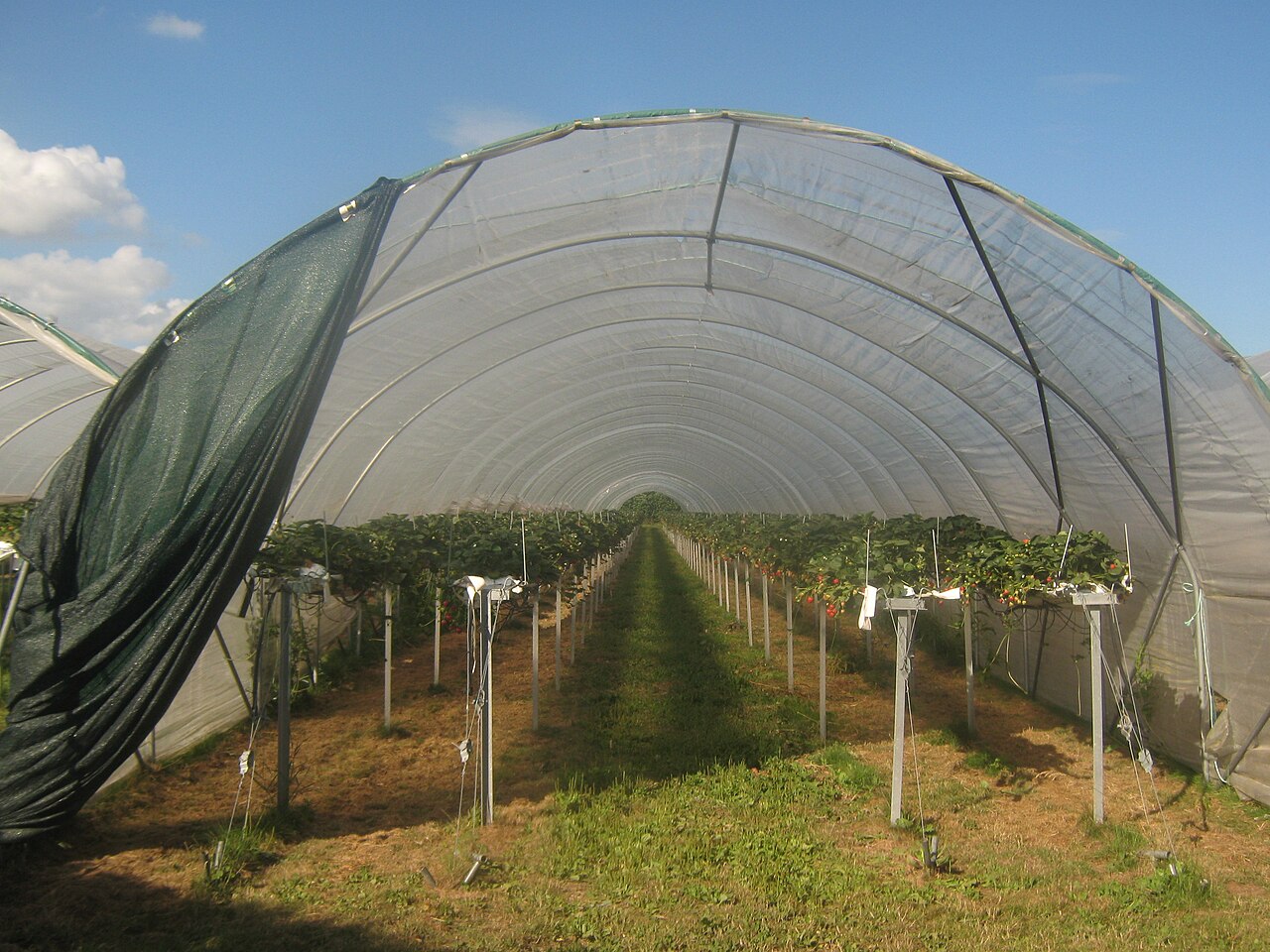
University of Almería researchers released GREENBOT data combining lidar, stereo imagery and inertial measurements from a tomato greenhouse, creating a research resource for localisation and mapping under changing crop conditions.
Source University of Almería researchers / arXiv
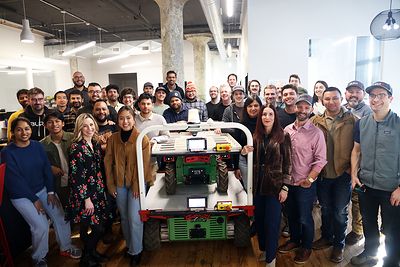
Burro announced a $24 million Series B in January 2024 and introduced Grande, extending its outdoor carrier concept from worker-scale loads toward pallets, trailer towing and navigation between indoor and outdoor areas.
Source Burro via PR Newswire
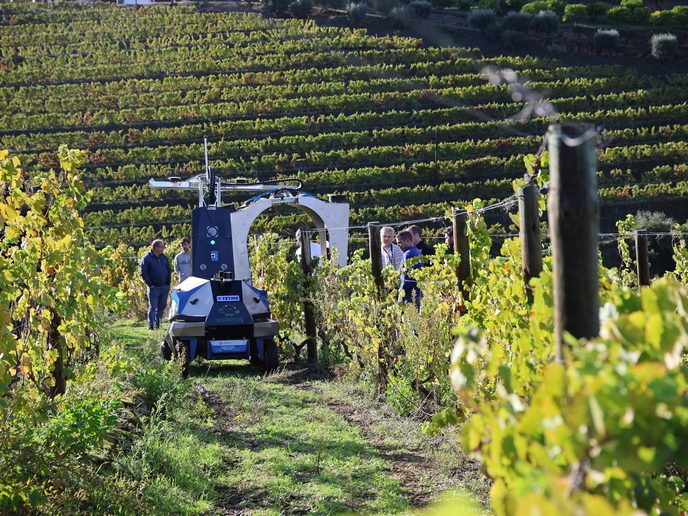
A European research project integrated positioning, perception and variable-rate spraying into the WETA robot, addressing the difficulties of moving and applying treatments in narrow, sloping vineyard environments.
Source European Commission — CORDIS