8 stories matching “Plant phenotyping”.
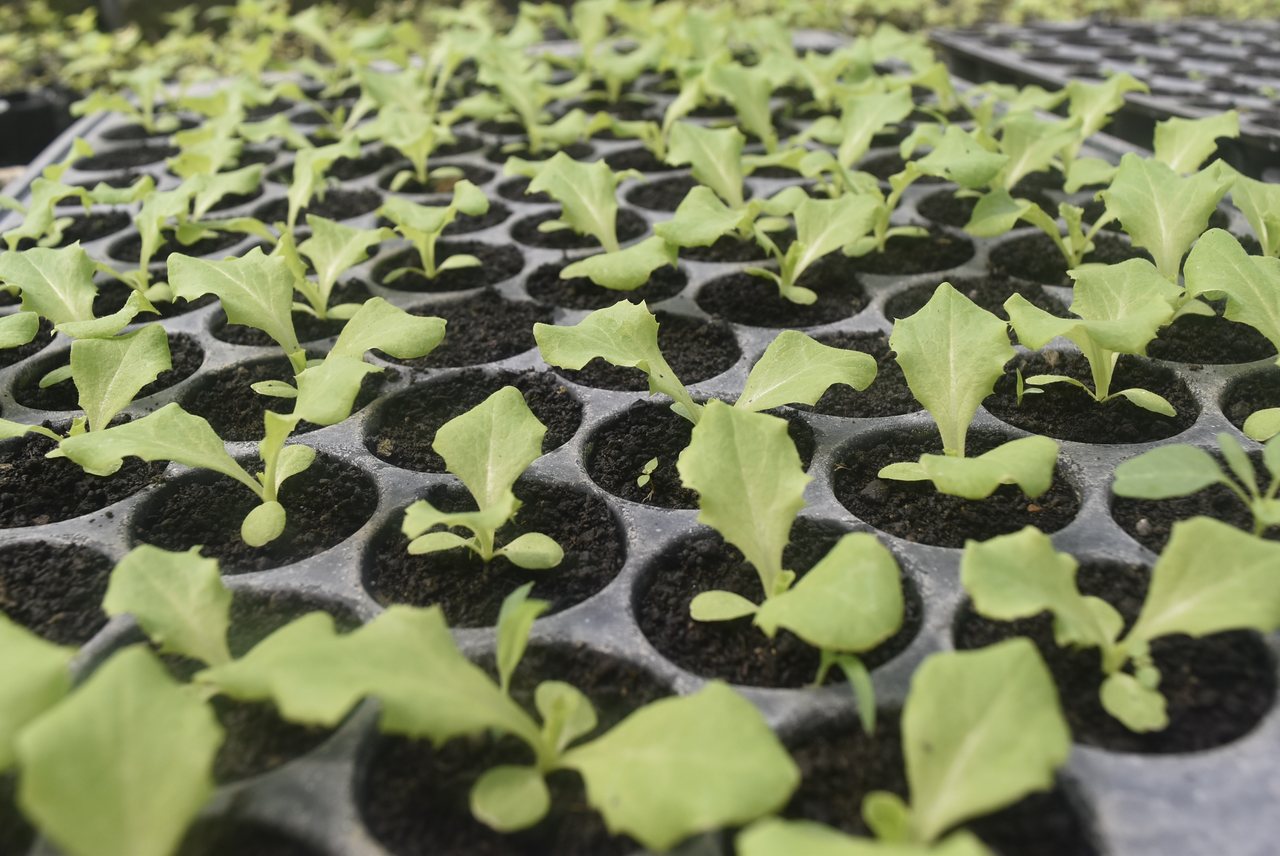
Purdue broke ground on a phenotyping greenhouse in September 2023, adding nearly 5,000 square feet of research space and linking living plants with existing systems for measuring crop health and stress.
Source Purdue University
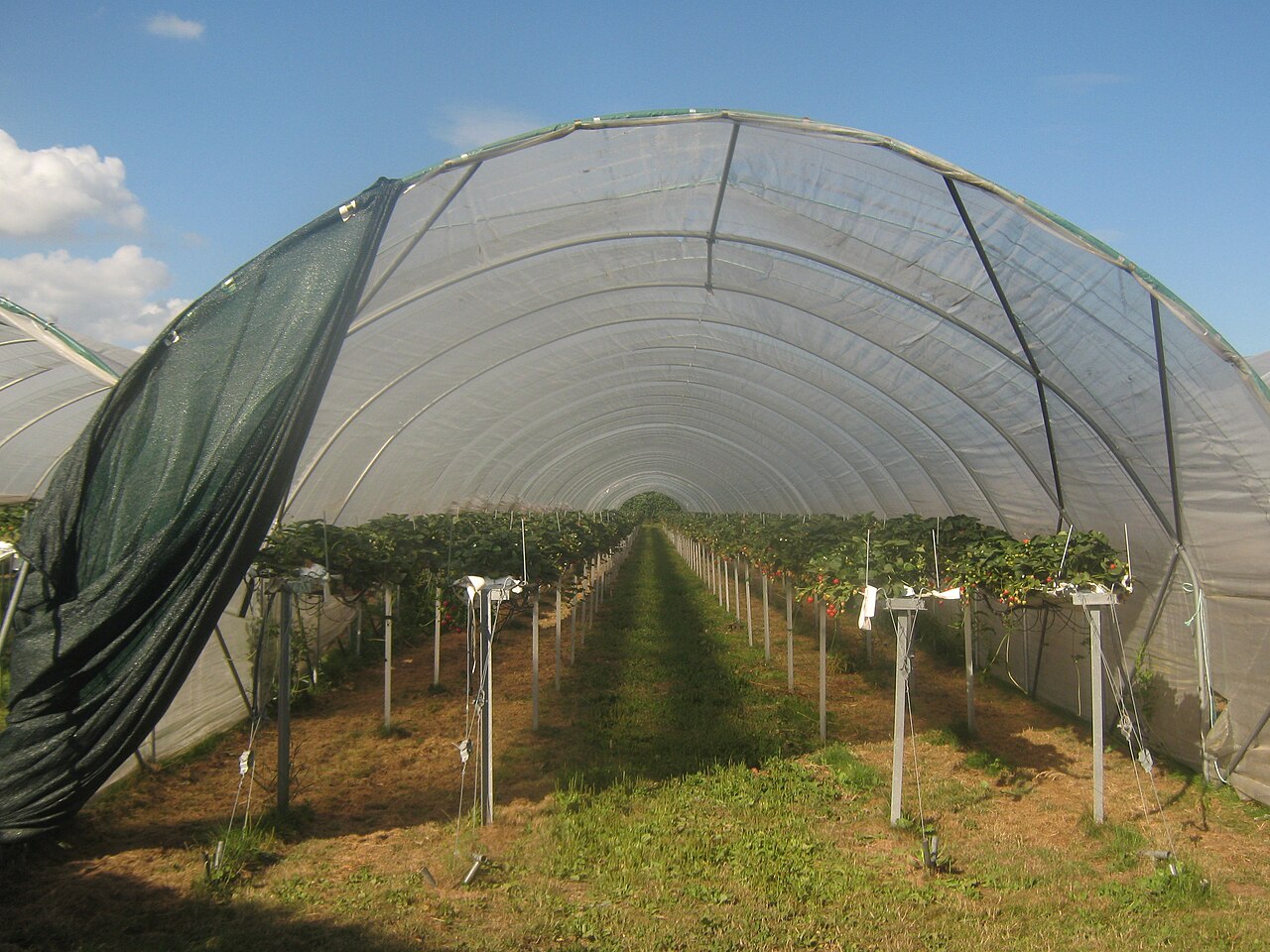
A Wageningen–Viscon feasibility study combines plant imaging and machine learning to identify young plants suitable for greenhouse transplanting, including a camera arrangement that captures the sides and underside of root plugs.
Source WUR Vision+Robotics / Viscon
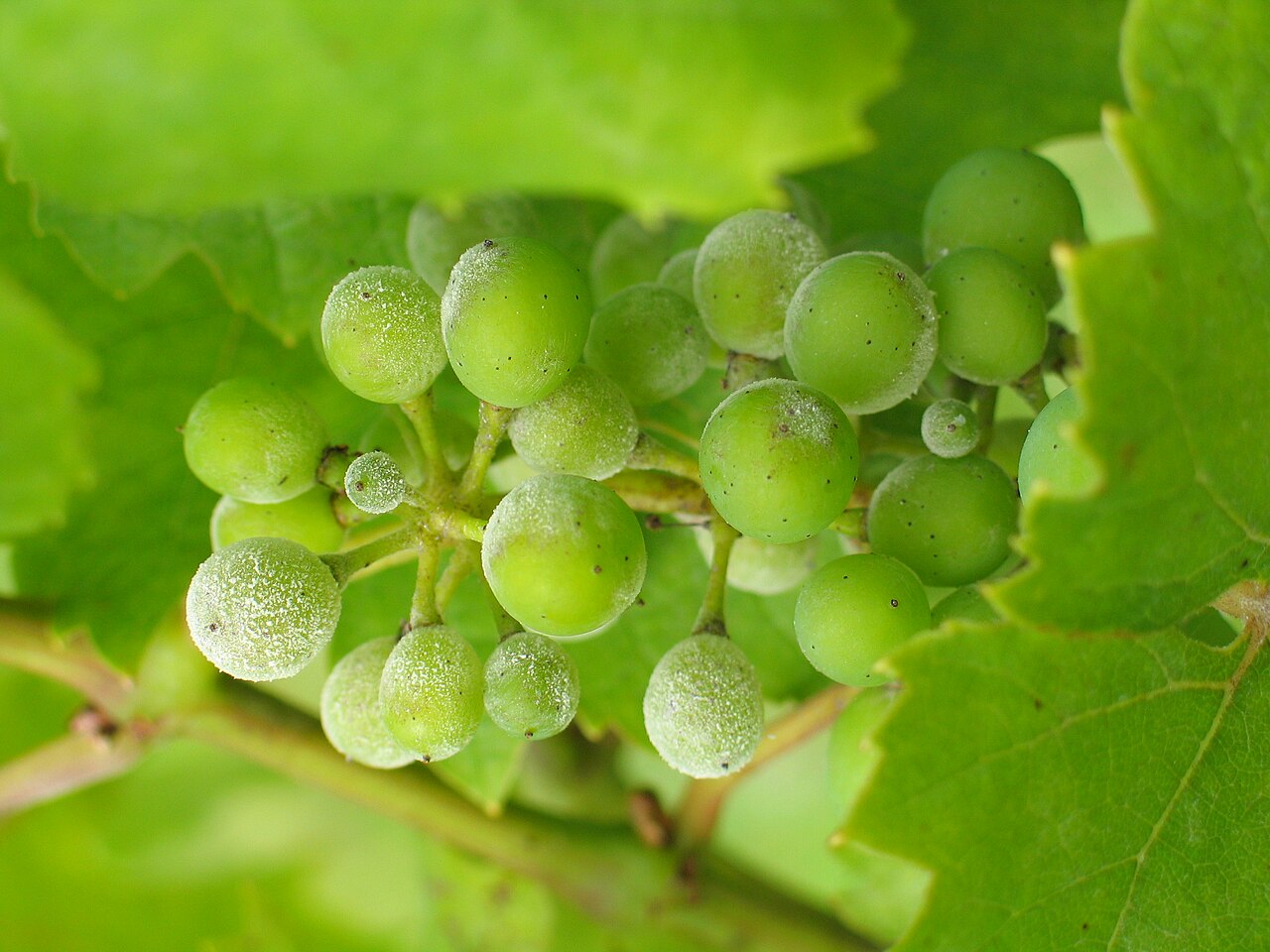
Cornell researchers report that HyperBird combines hyperspectral microscopy and automated sample imaging to reveal grape disease before visible symptoms, supporting studies of breeding and treatment effectiveness.
Source Cornell Chronicle
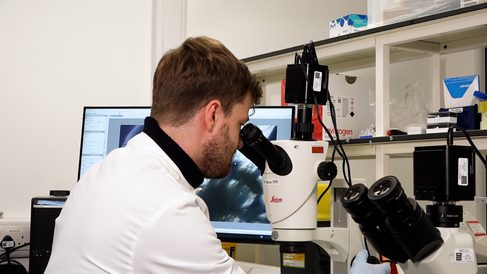
Cambridge researchers report faster plant–nematode screening using custom robots and computer vision, aiming to identify resistance genes before extending work from model plants to food crops such as potatoes.
Source University of Cambridge — Department of Plant Sciences
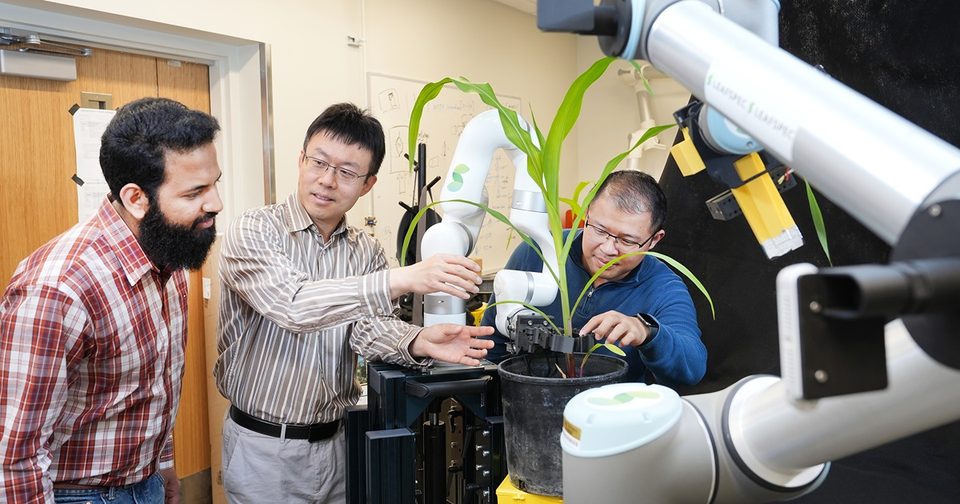
Purdue researchers linked LeafSpec imaging with a two-arm laboratory system in June 2024, using tactile feedback to steady corn plants and guide a scanner along their leaves.
Source Purdue College of Agriculture

New Macdonald Campus infrastructure combines hands-on greenhouse teaching with a joint plant-phenotyping platform involving Université de Sherbrooke.
Source McGill University
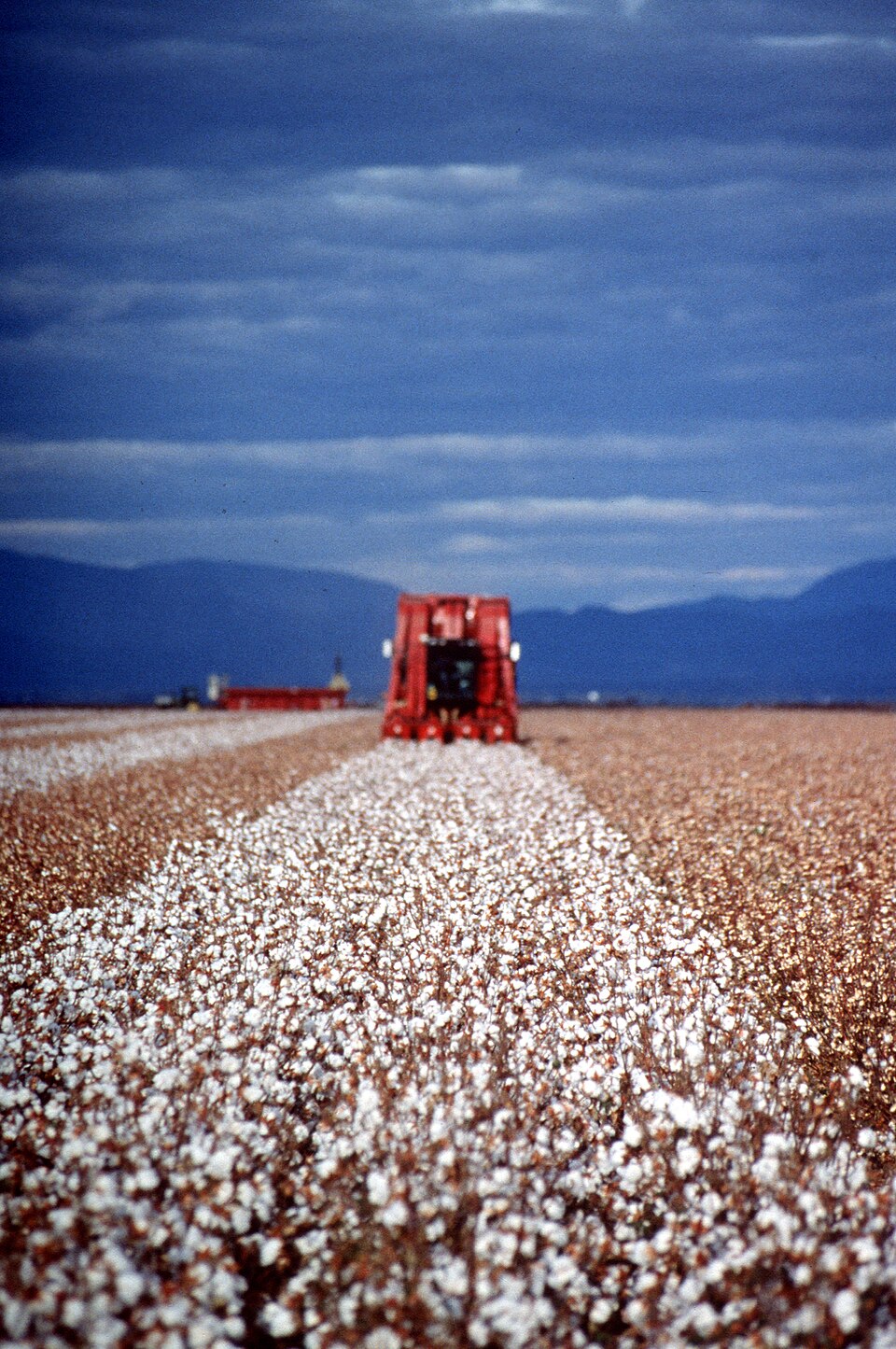
Australian cotton researchers are combining aerial sensing methods to distinguish crop performance and disease stress that ordinary photographs can miss.
Source CSIRO
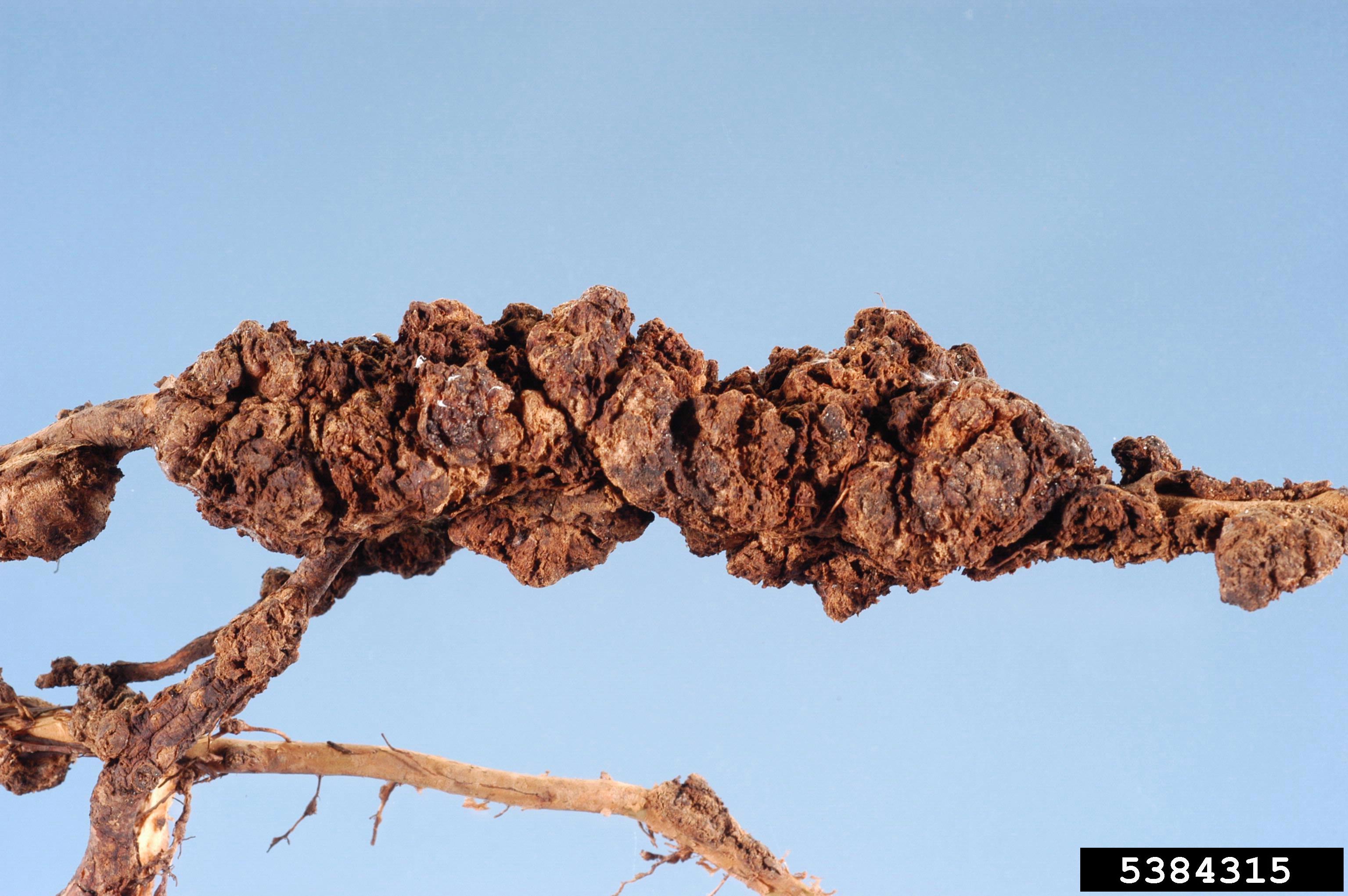
Cambridge researchers report a major increase in laboratory screening capacity by automating images of plant-parasitic nematodes, with crop applications still a next step.
Source King's College Cambridge