144 stories matching “ARA”.
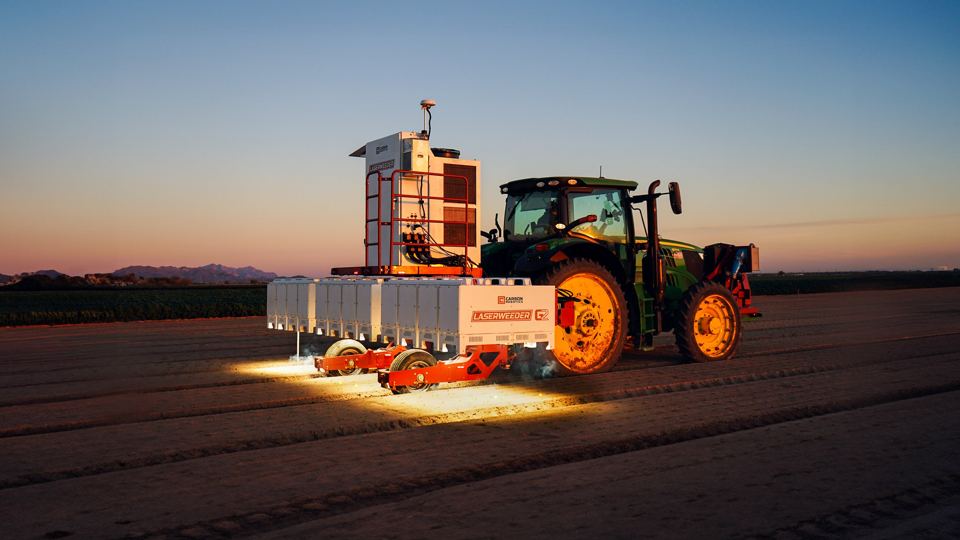
Carbon Robotics introduced LaserWeeder G2 in February 2025, offering multiple working widths and revised lasers, cameras, computing and cooling to extend its tractor-mounted weeding approach across different farm layouts.
Source Carbon Robotics via Business Wire
Field robotics
TYM has introduced an autonomous paddy robot in South Korea that suppresses weeds by stirring water and sediment rather than applying herbicide.
Source TYM announcement reported by The Korea Herald
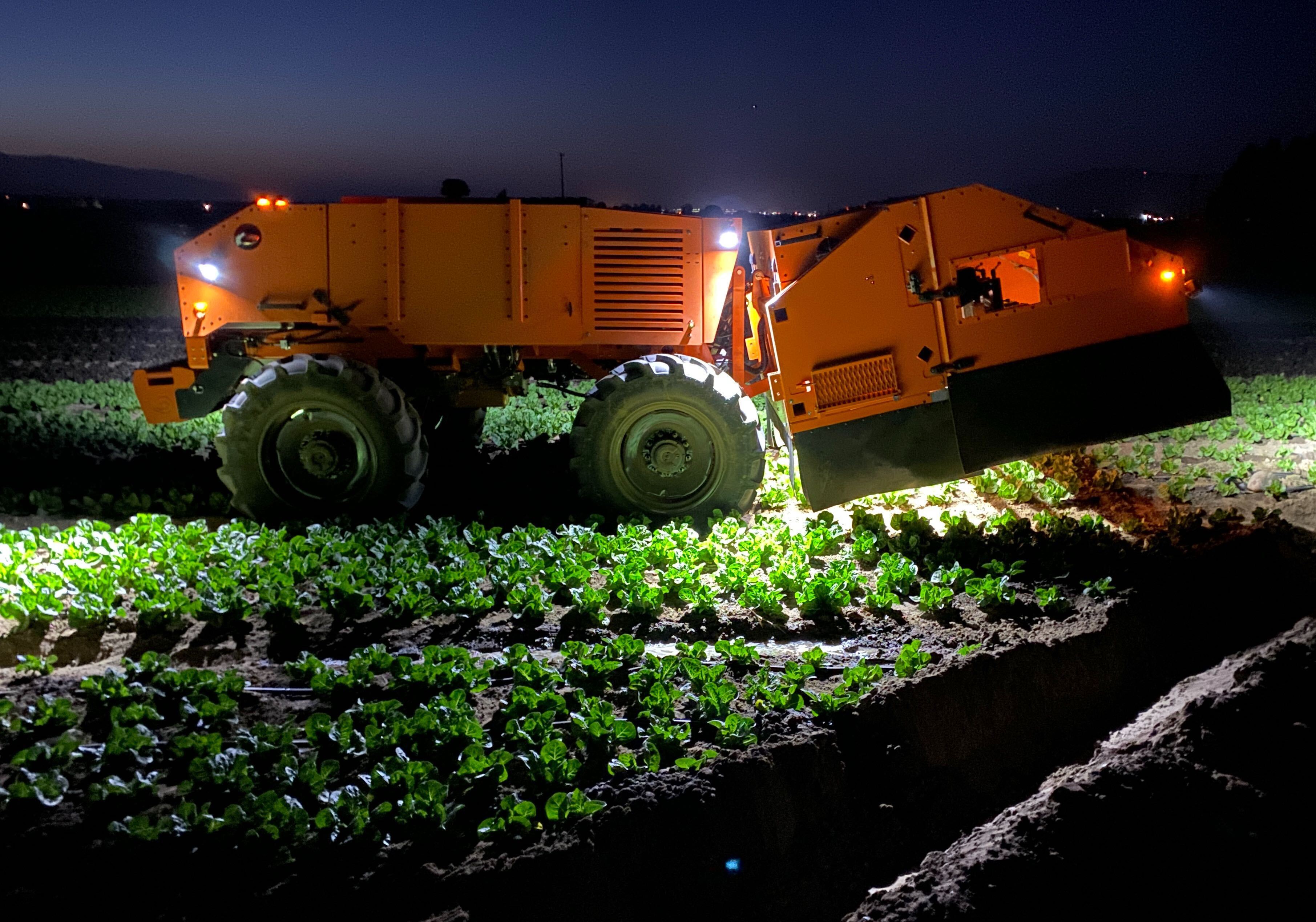
A site-specific cultivator study combines RTK-guided field operation with adaptive-control research and reports 96.5% efficacy measured by tillage length.
Source Precision Agriculture / NDSU and USDA-ARS researchers
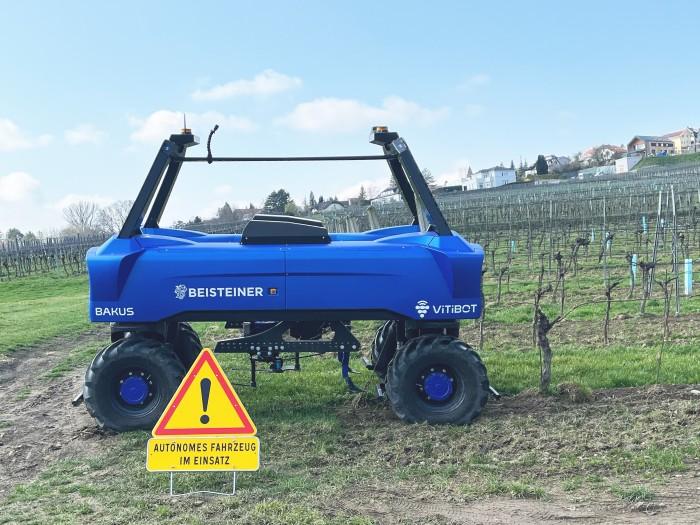
Researchers are using repeated LiDAR and panoramic mapping to build a vineyard digital twin that reflects seasonal changes affecting autonomous navigation.
Source JOANNEUM RESEARCH
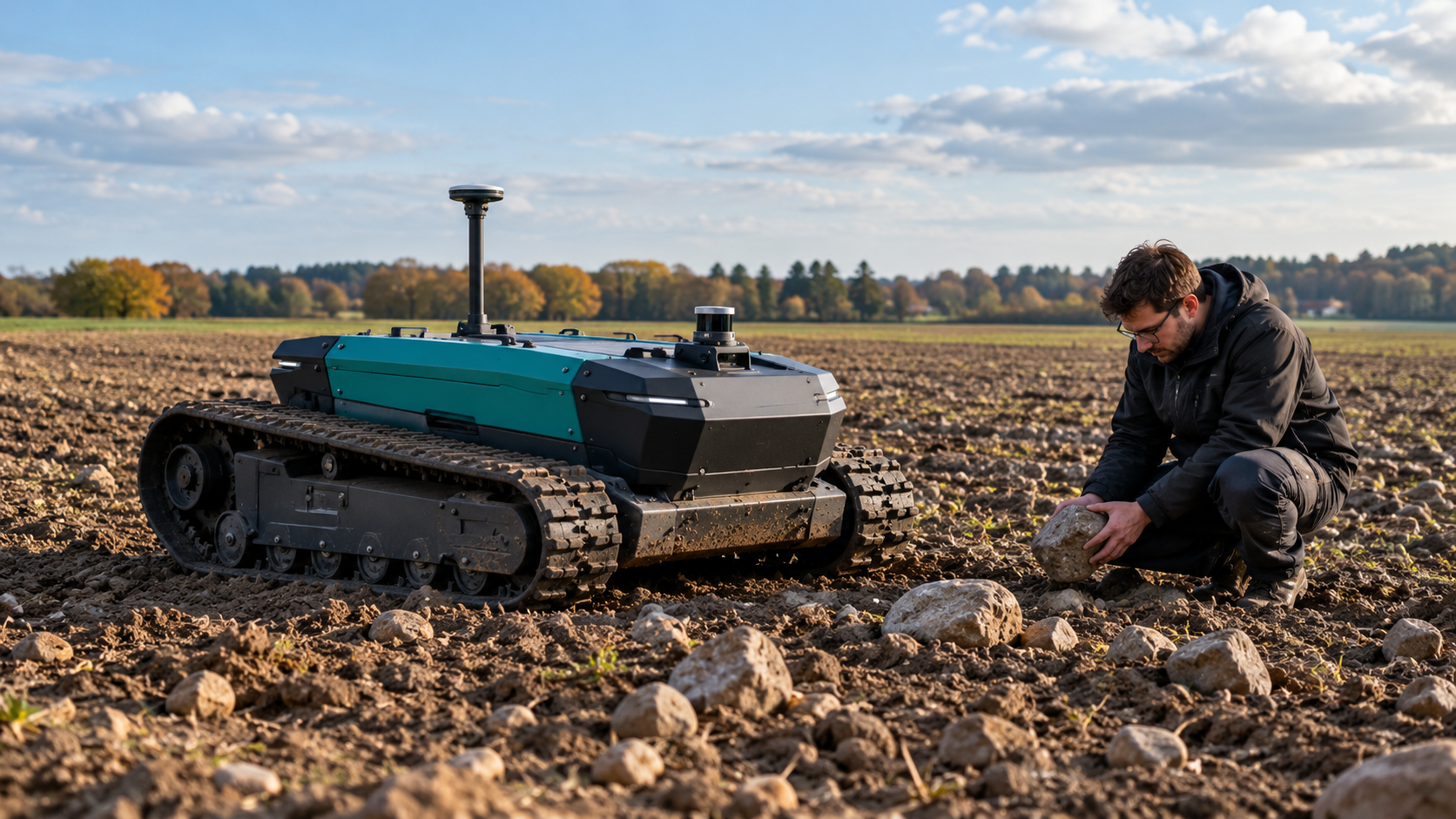
A German university has received and begun adapting a remotely controlled tracked machine for a planned stone-collecting agricultural robot.
Source Hochschule Stralsund
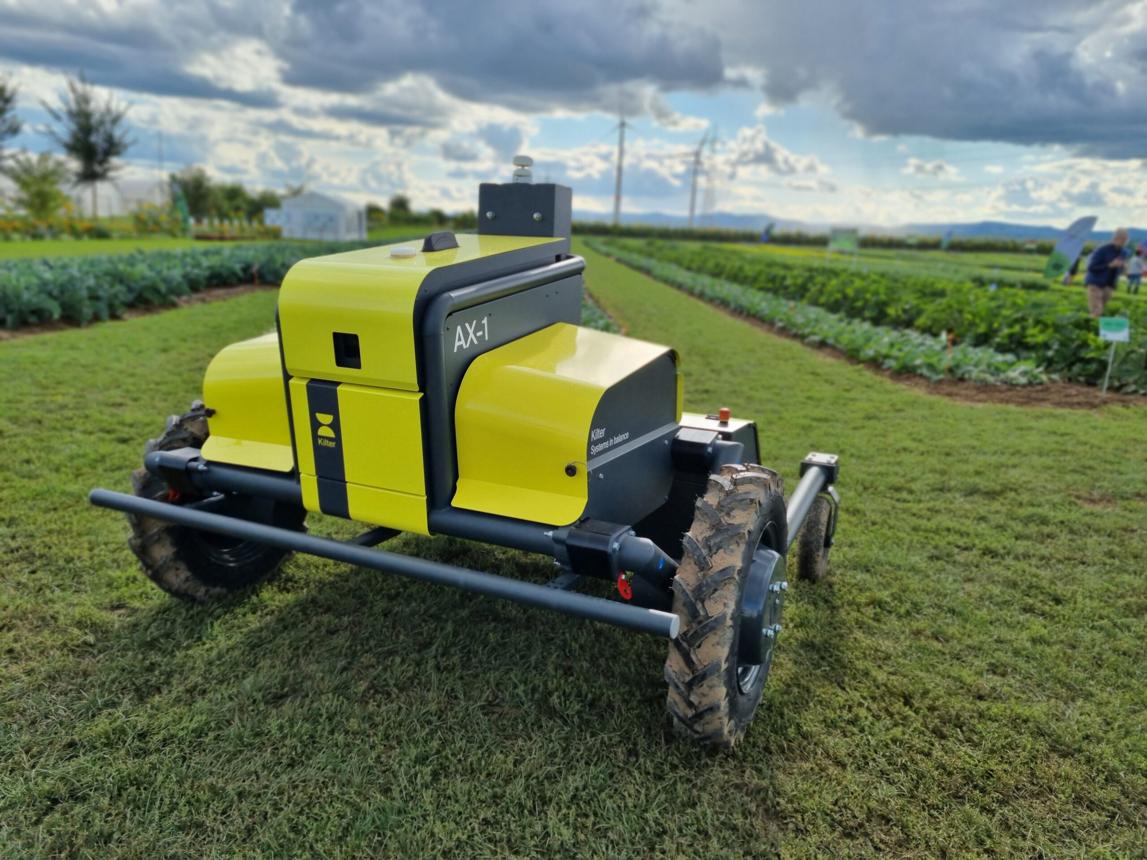
Researchers from NTNU and Kilter developed and simulated a multi-robot approach to precision weed treatment. Their results suggest that distributing fieldwork among several AX-1 robots could reduce completion times.
Source Artificial Life and Robotics / NTNU and Kilter researchers
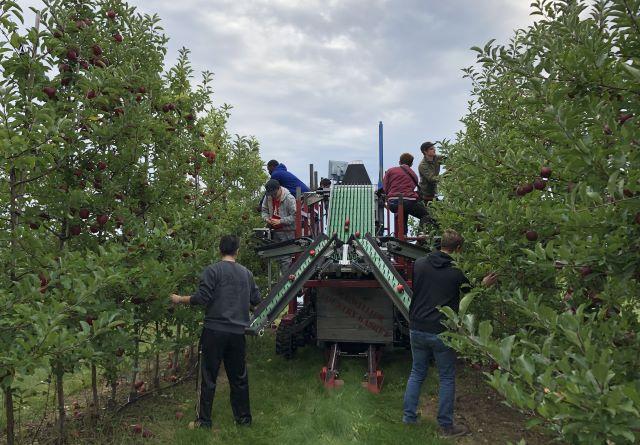
Ficio’s FieldSorter system uses machine vision to assess apple defects in orchard rows and connect grade information to the trees where fruit was grown.
Source Cornell Chronicle
Greenhouse automation
A new study reports that plant architecture—including stalk length and fruit position—can markedly affect cucumber-harvesting robot performance.
Source Smart Agricultural Technology / research authors
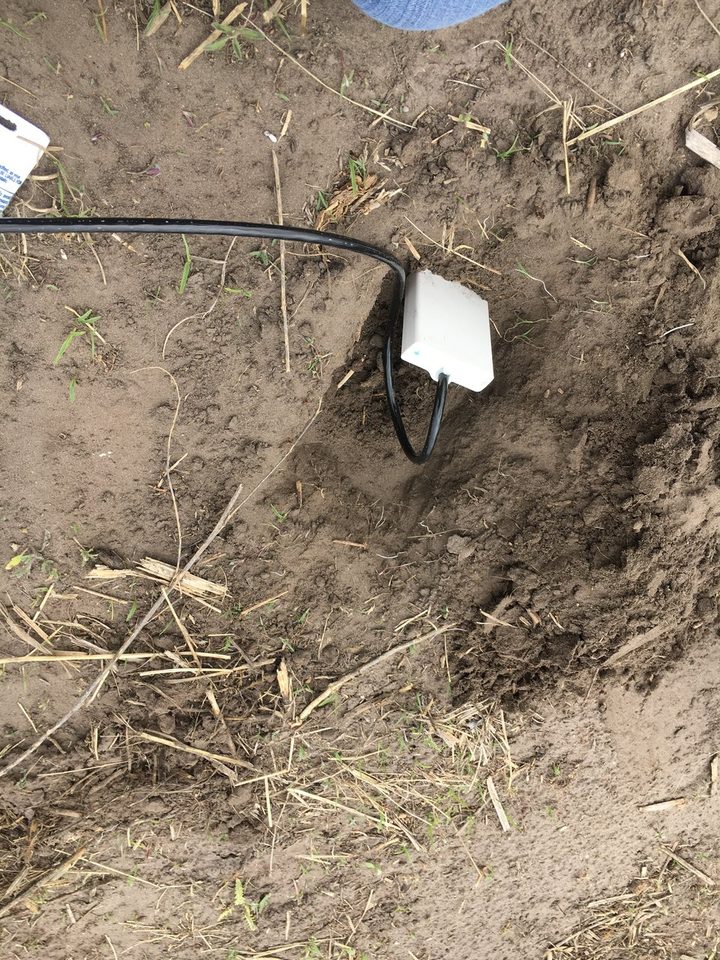
Brazilian researchers compared several soil-sensing methods across three farms, finding that carefully chosen combinations could retain useful predictive performance while avoiding the complexity of adding redundant measurements.
Source Precision Agriculture
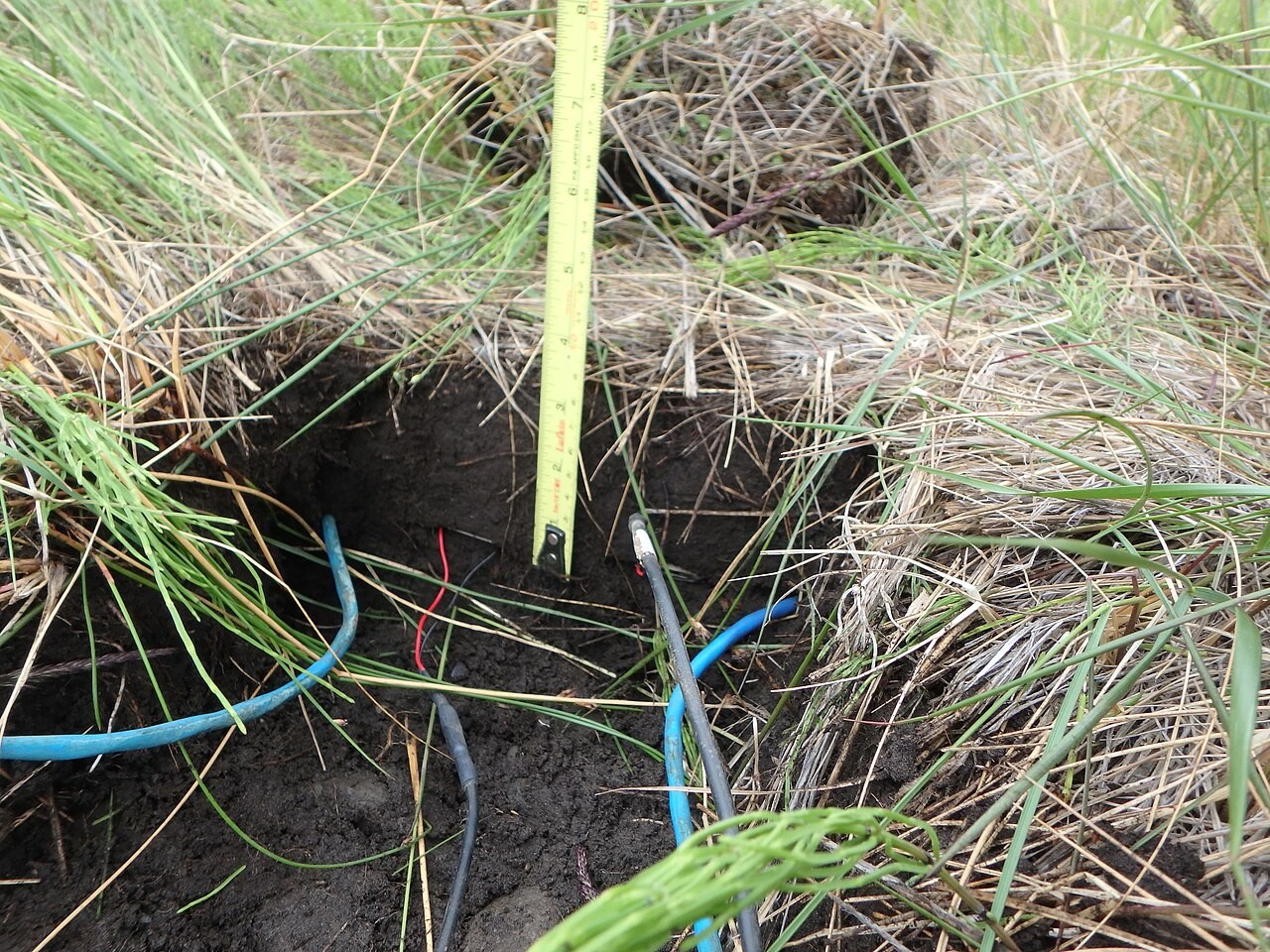
CropX will supply soil, weather and water-use monitoring to an eight-year New Zealand programme comparing regenerative and conventional farming through a full potato rotation at Lincoln University.
Source CropX
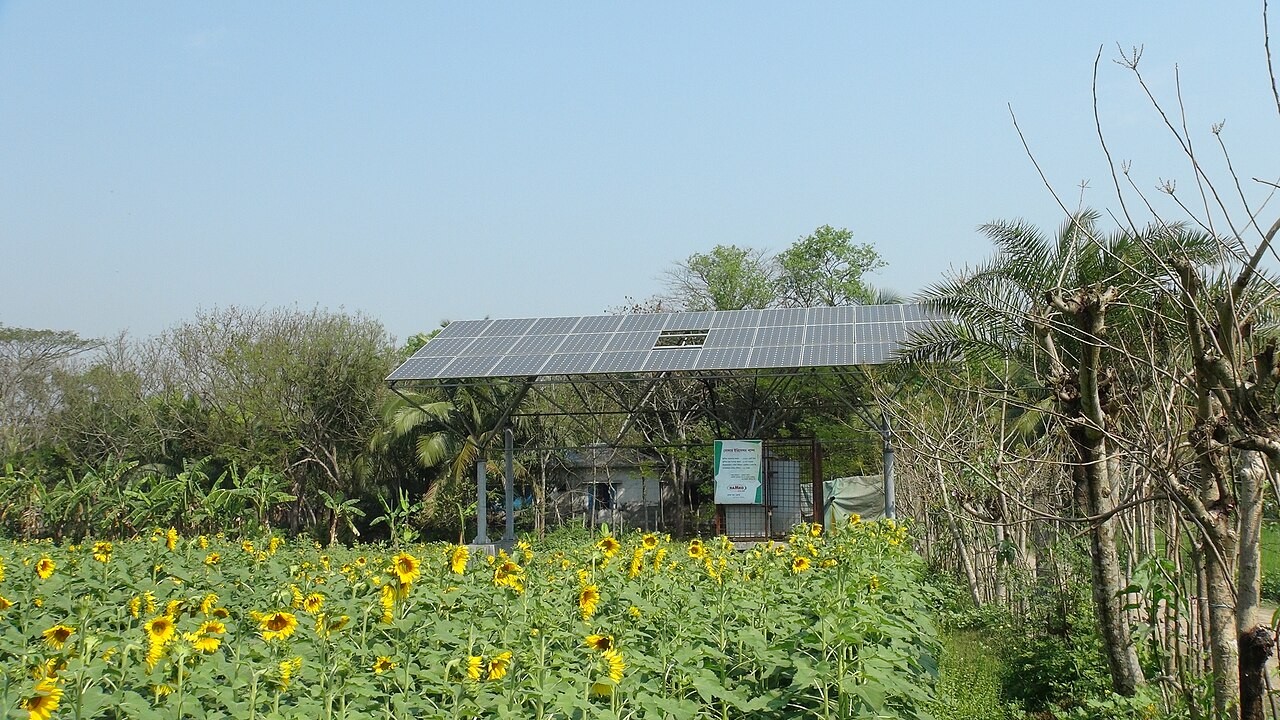
University of Washington researchers combined a global canal map with SWOT satellite observations to assess water levels across extensive Asian irrigation networks, testing a new approach to monitoring agricultural infrastructure.
Source University of Washington News
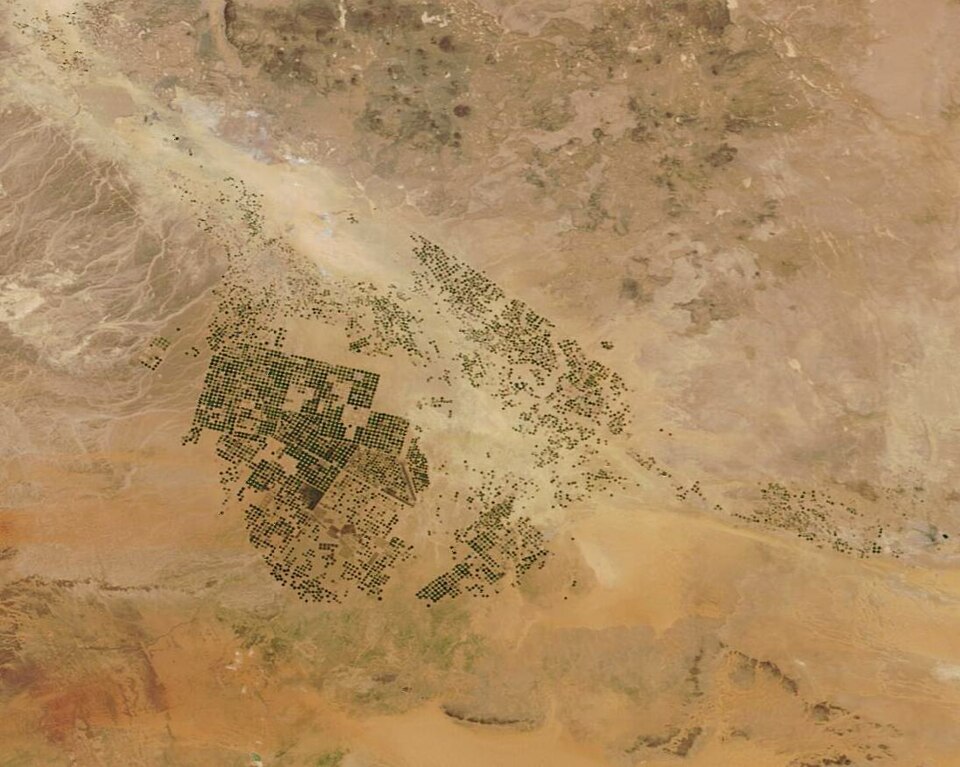
The Australian Bureau of Statistics introduced experimental irrigation-water estimates combining satellite observations and environmental models, with a methodological break from earlier survey-based figures that limits direct historical comparisons.
Source Australian Bureau of Statistics