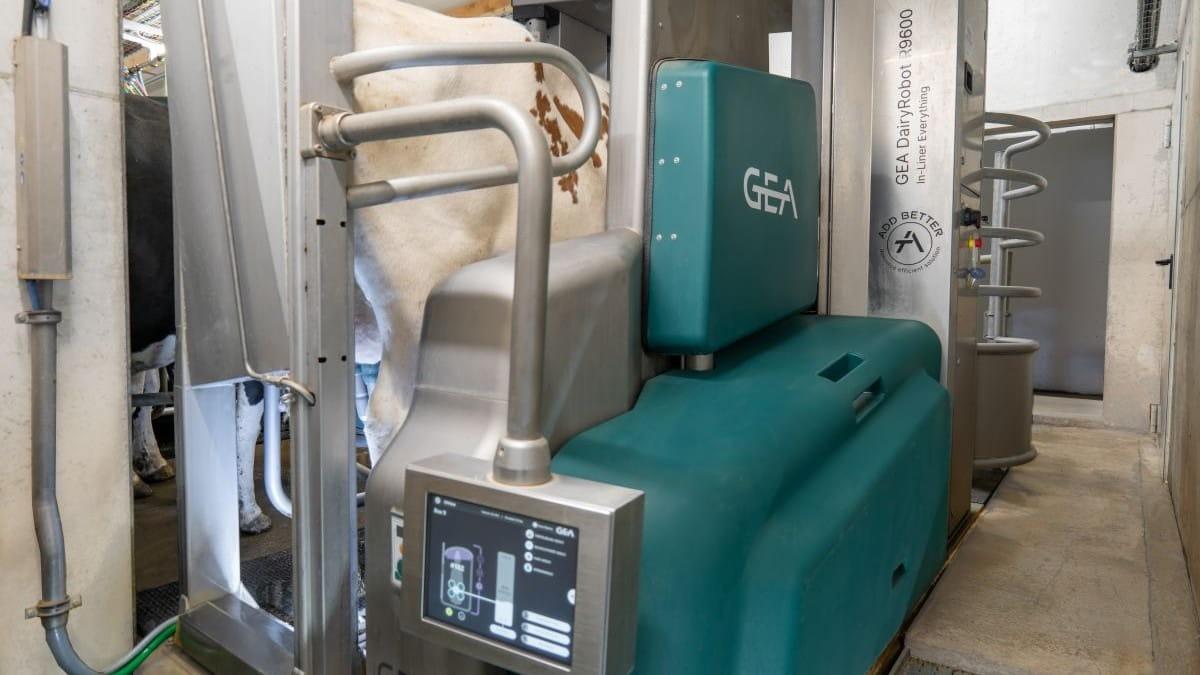
GEA adds semi-subway R9600 option for automated batch milking
GEA is expanding robotic batch milking with an installation arrangement intended to make retrofitting existing dairy facilities more flexible.
Source GEA
Following the machines, people and ideas shaping agriculture. Selected developments, clear context and a link to the original source.
Robotics. Intelligence. Agriculture.
GEA is expanding robotic batch milking with an installation arrangement intended to make retrofitting existing dairy facilities more flexible.
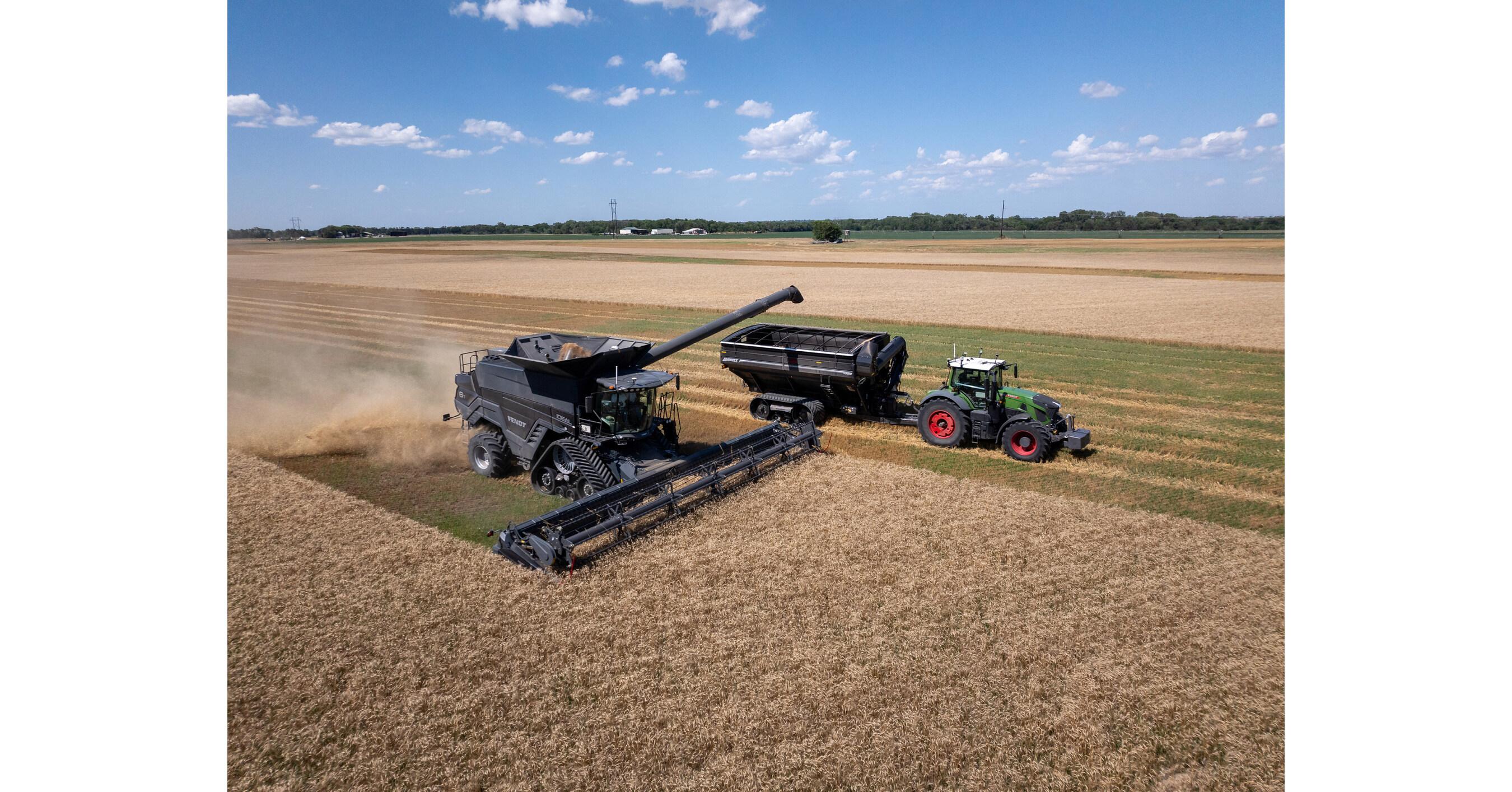
AGCO used its 2026 field technology event to show how autonomous operations, AI tools and equipment from different brands could work in a connected farm workflow.
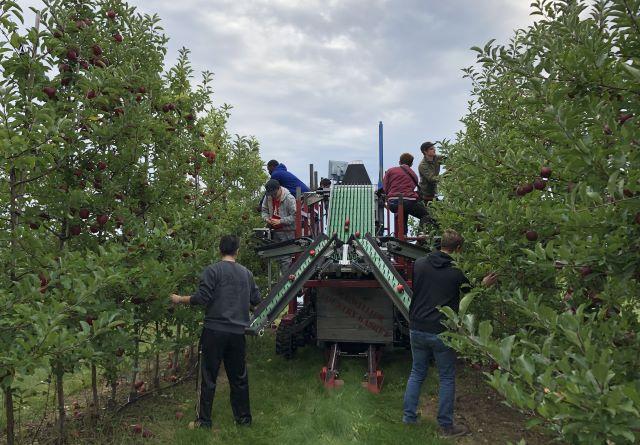
Ficio’s FieldSorter system uses machine vision to assess apple defects in orchard rows and connect grade information to the trees where fruit was grown.
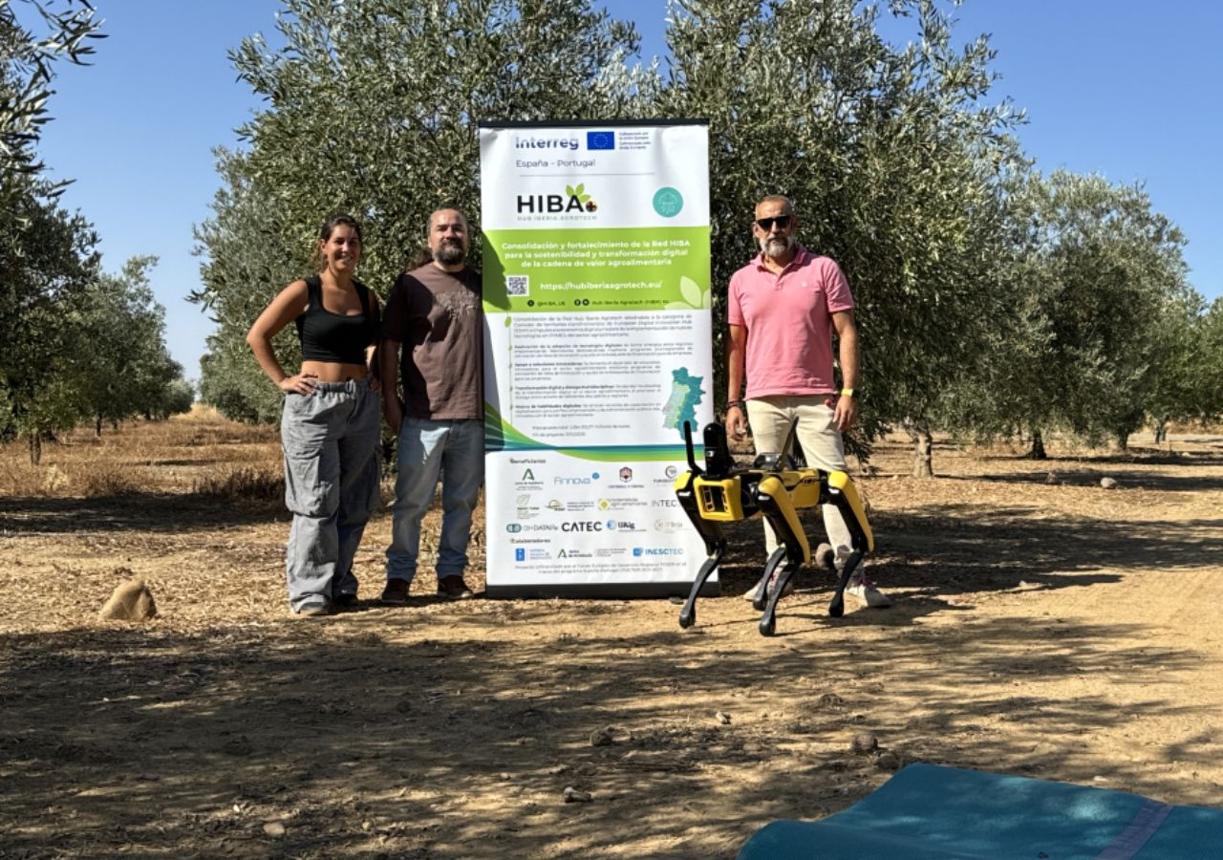
Spanish food-technology centre CTAEX demonstrated a four-legged autonomous platform intended for crop monitoring in vineyards and protected berry production.
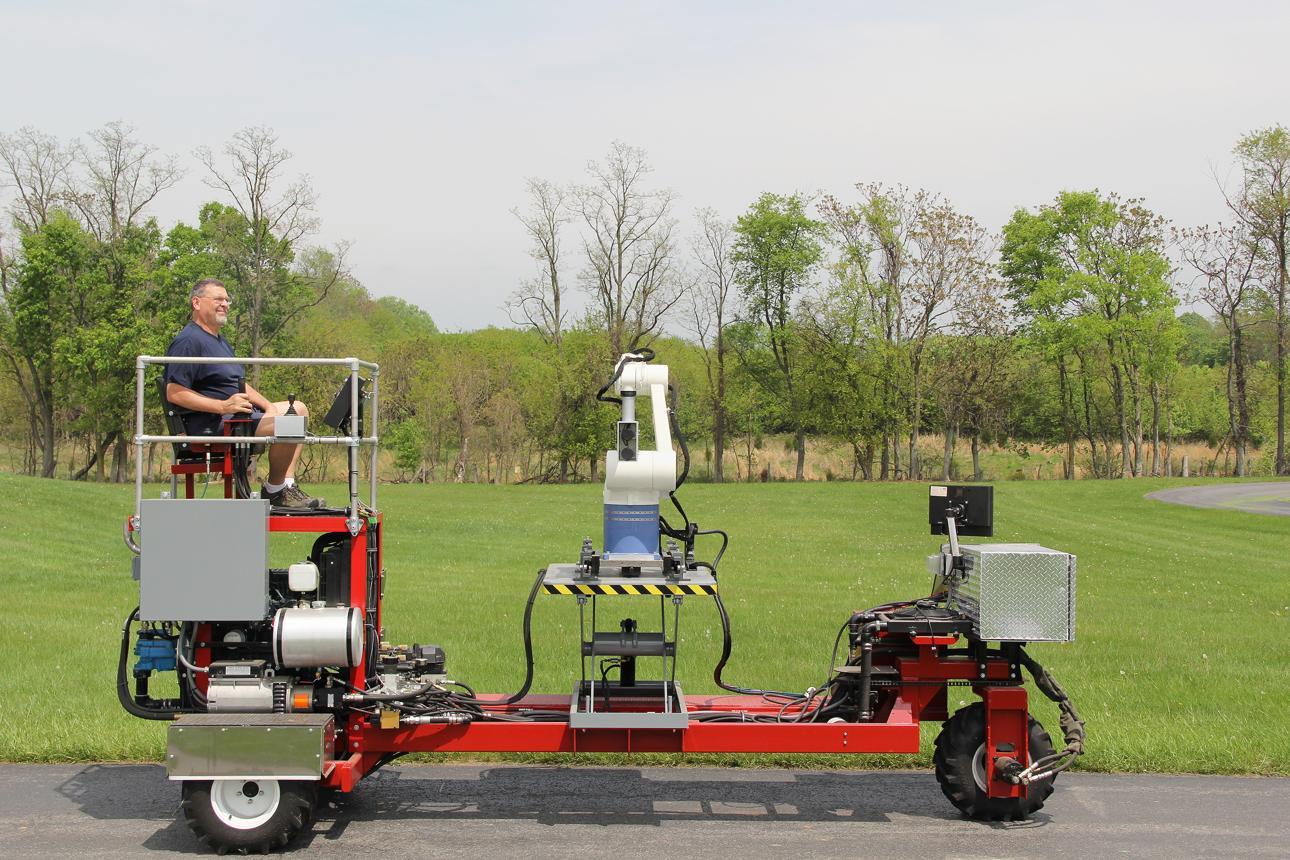
A new study reports that plant architecture—including stalk length and fruit position—can markedly affect cucumber-harvesting robot performance.
A three-year study of fruit-growing operations finds that AI-enabled machinery changes agricultural work rather than simply removing the need for skilled people.
Brazilian researchers compared several soil-sensing methods across three farms, finding that carefully chosen combinations could retain useful predictive performance while avoiding the complexity of adding redundant measurements.
CropX will supply soil, weather and water-use monitoring to an eight-year New Zealand programme comparing regenerative and conventional farming through a full potato rotation at Lincoln University.
CropX launched a smartphone-based vineyard tool that interprets canopy photographs for water-stress assessment and combines the resulting estimates with other agronomic information in its existing farm-management application.
DJI announced the Agras T55 and a dual-battery spraying configuration for the T100, expanding its agricultural drone range with updated sensing and application hardware whose availability varies by region.
NASA reported that OpenET expanded its evapotranspiration data and tools across the contiguous United States, extending a service originally focused on western states to support broader agricultural water assessment.
University of Washington researchers combined a global canal map with SWOT satellite observations to assess water levels across extensive Asian irrigation networks, testing a new approach to monitoring agricultural infrastructure.