38 stories matching “NSF”.
Greenhouse automation
A new study reports that plant architecture—including stalk length and fruit position—can markedly affect cucumber-harvesting robot performance.
Source Smart Agricultural Technology / research authors

NASA reported that OpenET expanded its evapotranspiration data and tools across the contiguous United States, extending a service originally focused on western states to support broader agricultural water assessment.
Source NASA Science
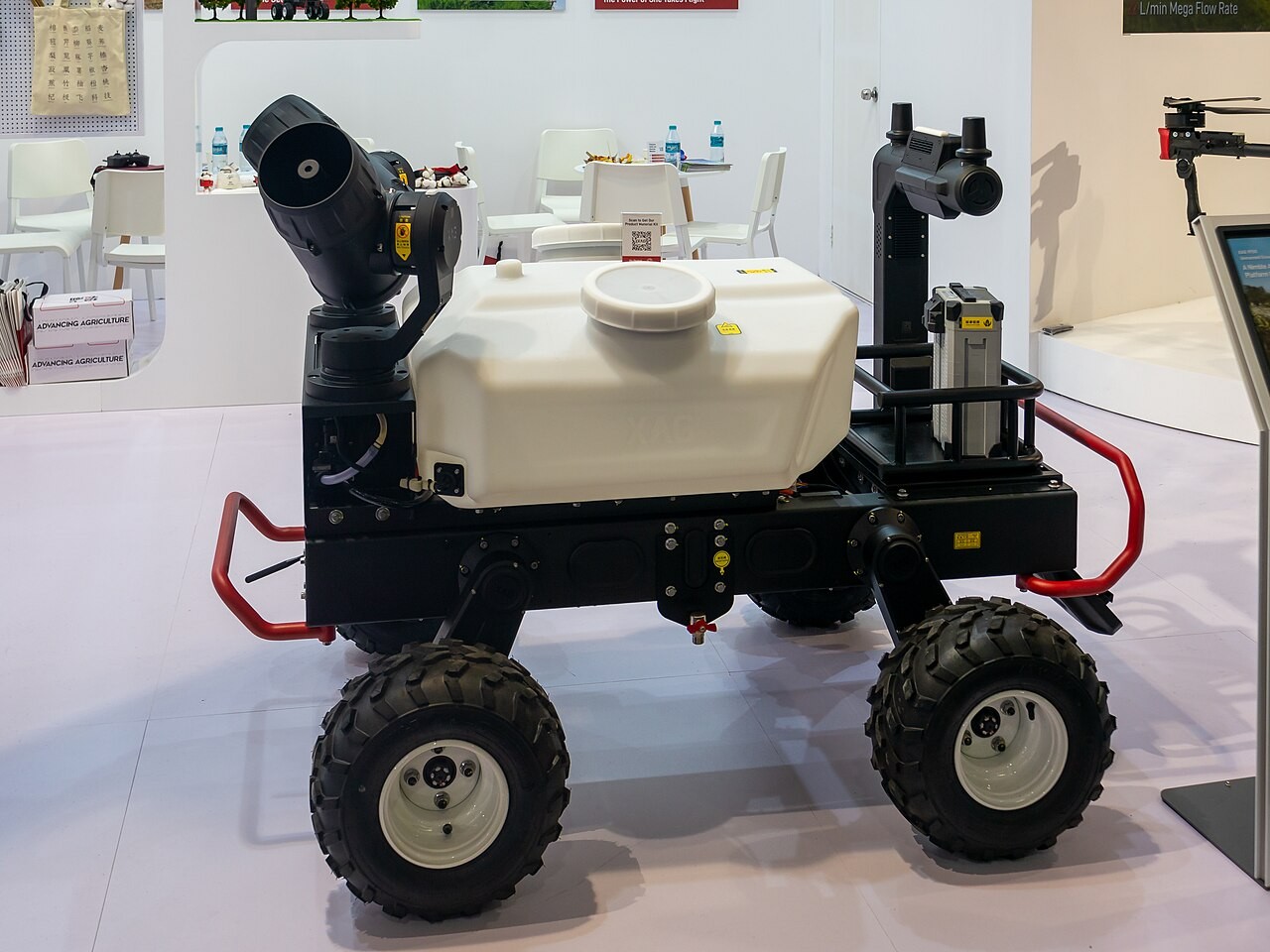
KUHN introduced the KARAN trailed sprayer with active boom-height control and optional pulse-width-modulated spraying, combining attention to application geometry, individual nozzle control and filling workflows for larger field operations under variable conditions.
Source KUHN
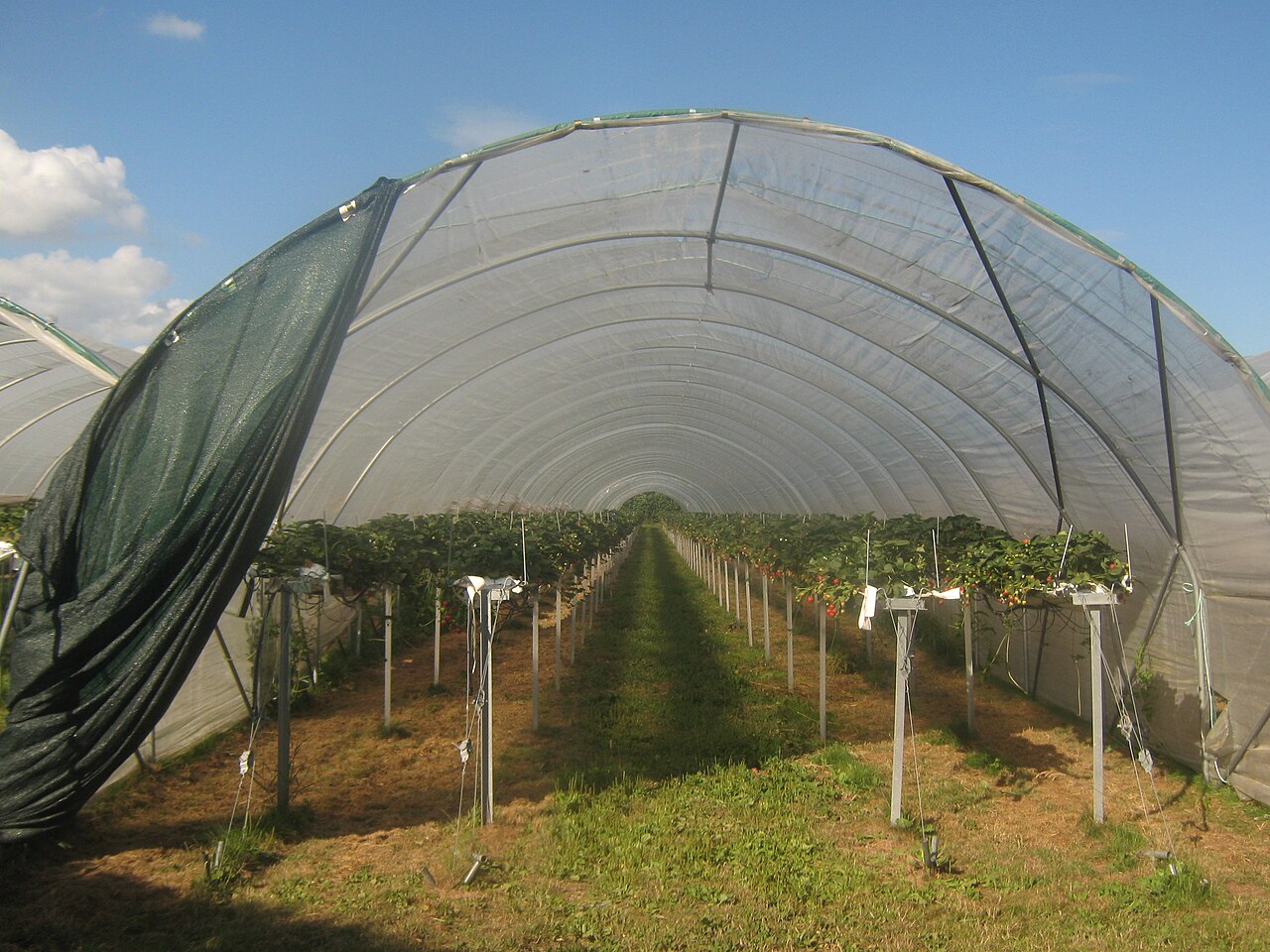
A research preprint combines tailored fruit vision with simulation-trained robot control, reporting 84.3% overall strawberry harvesting success in greenhouse evaluation and illustrating the remaining gap between reaching and completing a pick.
Source Bashir et al. — arXiv preprint
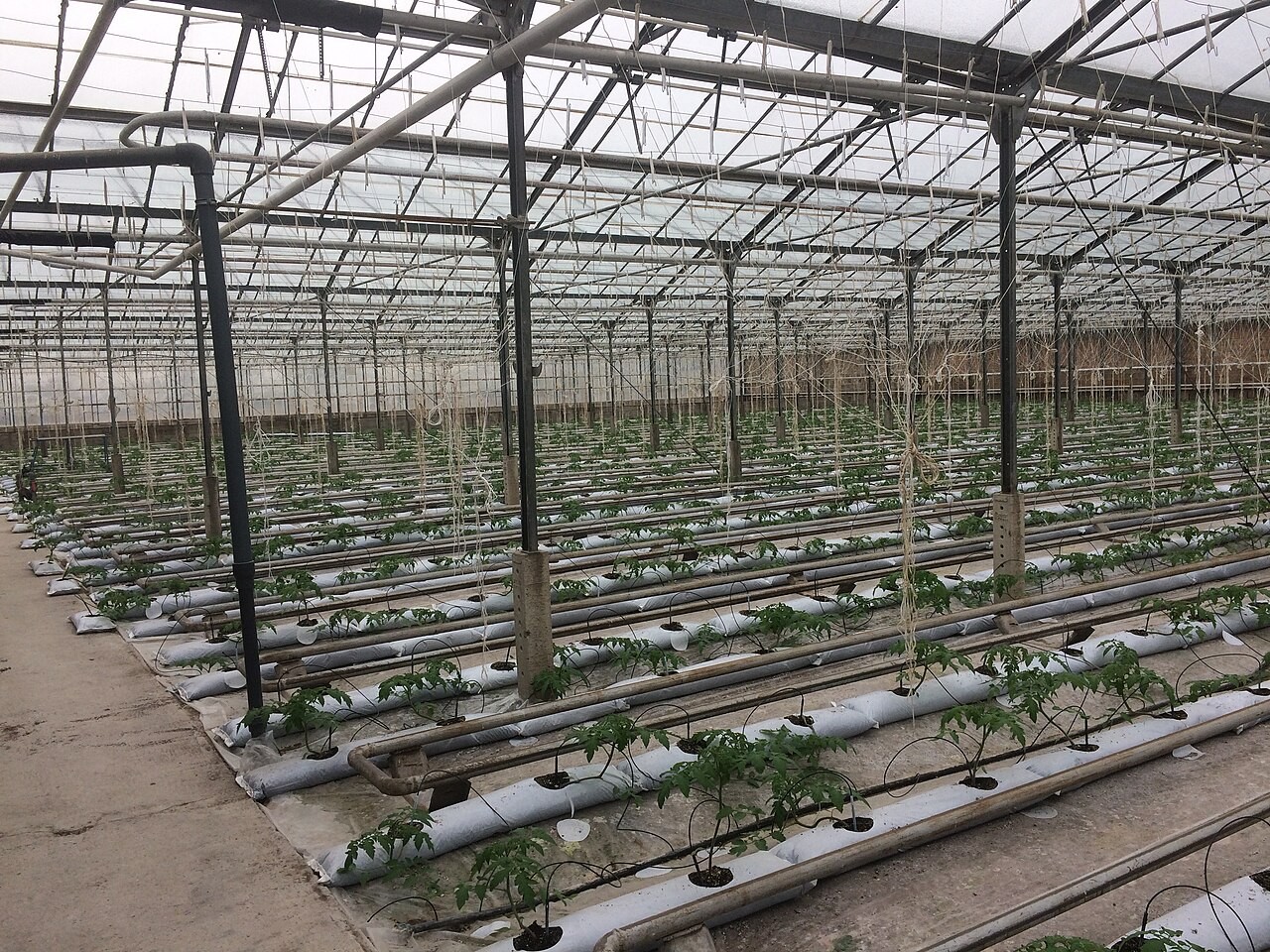
Source.ag’s Cloud Modules connect normalized greenhouse data with business intelligence tools and event-driven applications, aiming to simplify information exchange across facilities with different measurement and reporting conventions.
Source Source.ag via GreenTech
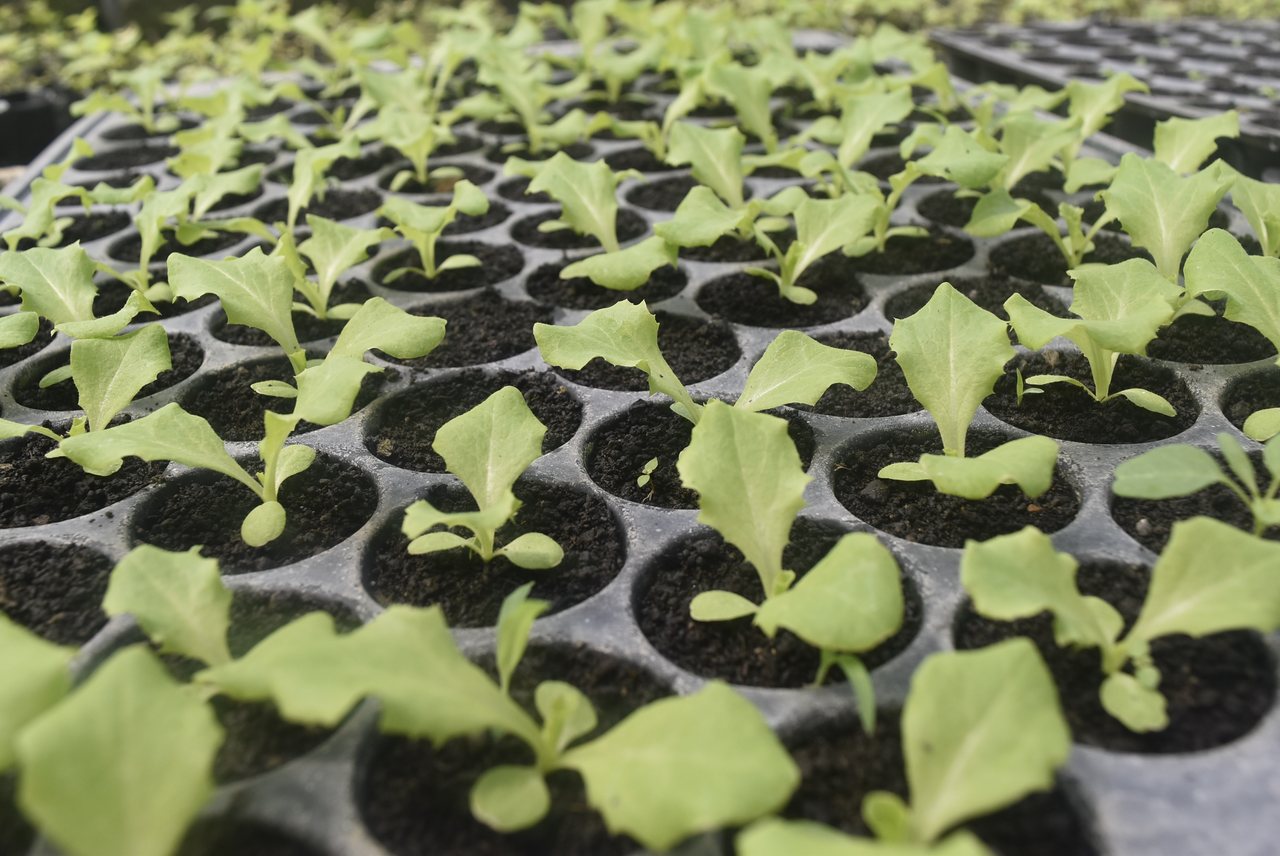
Cambridge researchers combined live imaging and gene-expression mapping to show that fungal structures inside rice roots differ in lifespan and nutrient-transfer activity, complicating simple measures of beneficial colonisation.
Source Crop Science Centre, University of Cambridge (publication day unspecified; checked 24 October 2026)
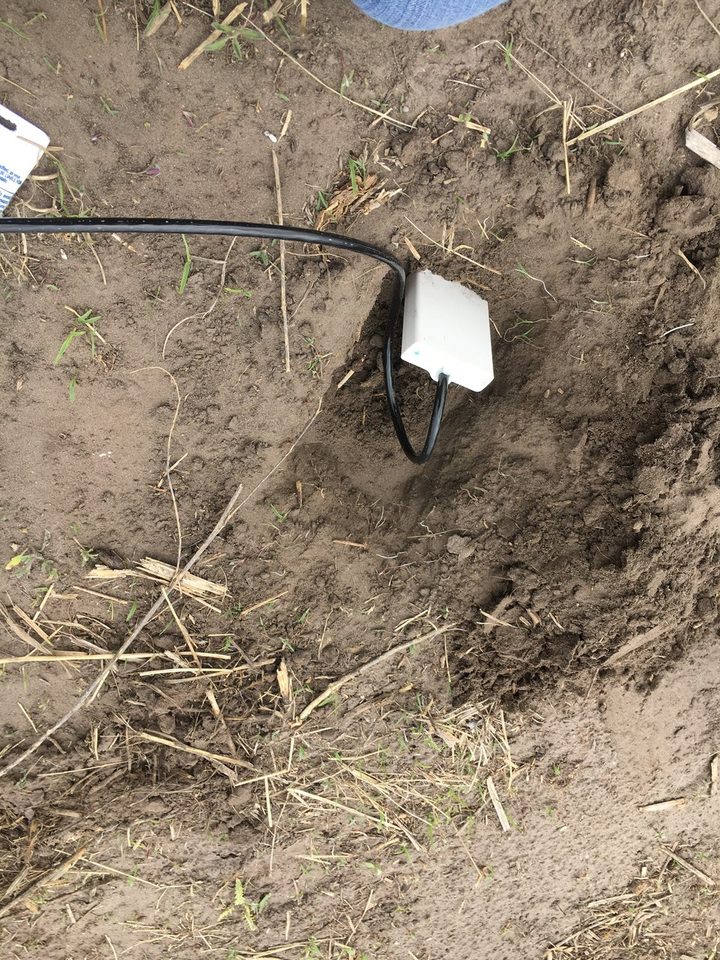
Eight Wageningen researchers received Vidi awards, including projects on soil fungi and crop PFAS contamination, recycled phosphorus availability during drought, and groundwater protection for food production.
Source Wageningen University & Research
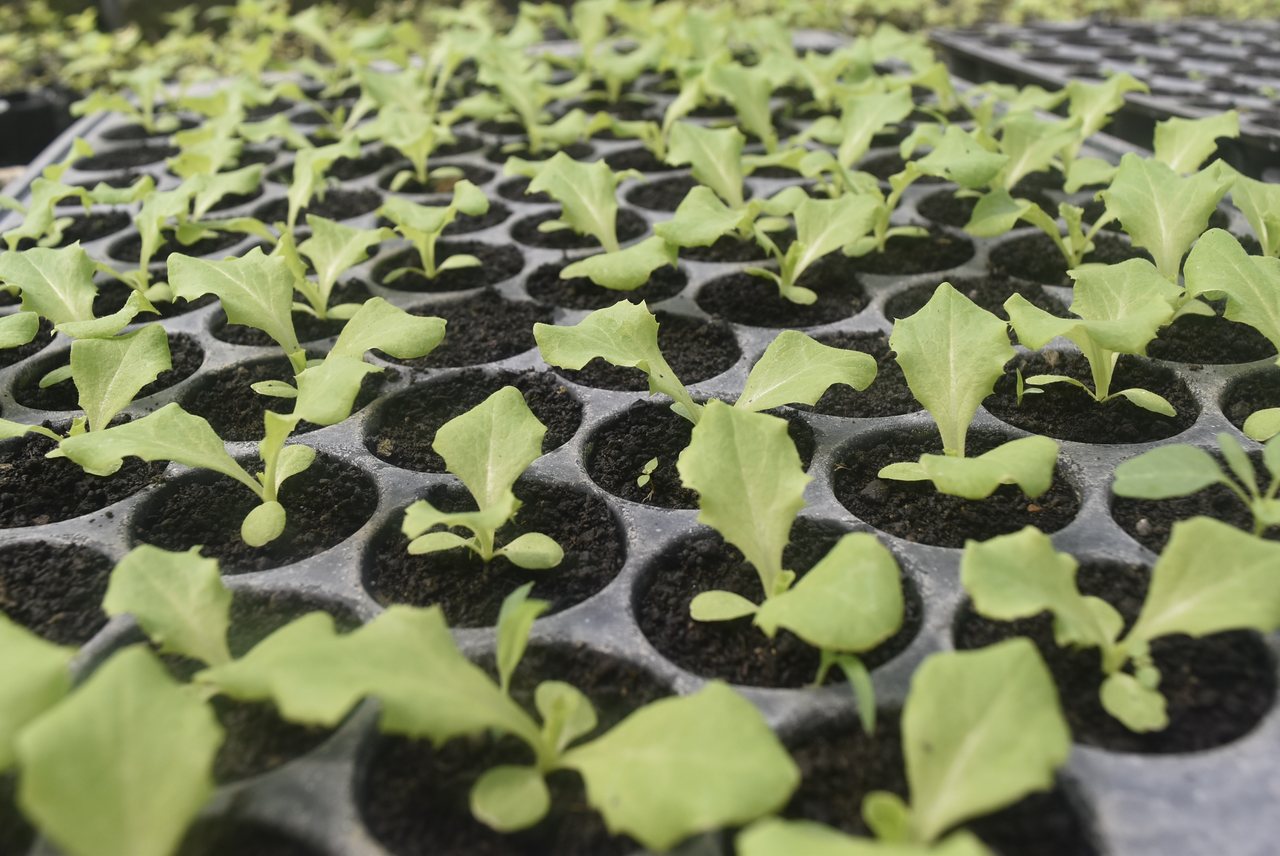
A University of Idaho-led research collaboration is developing harvest-integrated measurements and AI models to connect crop genetics with stalk strength, aiming to improve breeding for resistance to bending and breakage.
Source University of Idaho
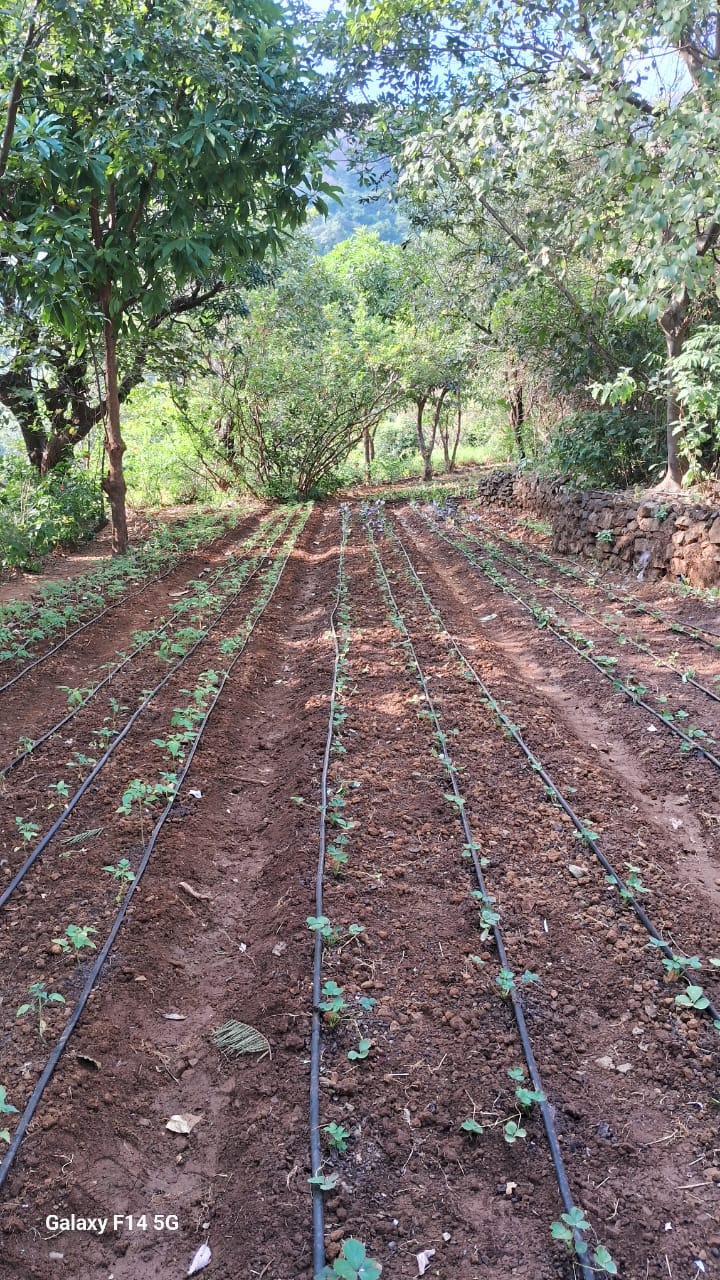
MATE and TERRA-COOP completed a cotton-focused project combining neural-network growth-stage recognition with fuzzy decision support, aiming to improve the timing and selection of crop-protection treatments under practical farming conditions.
Source Hungarian University of Agriculture and Life Sciences (MATE)
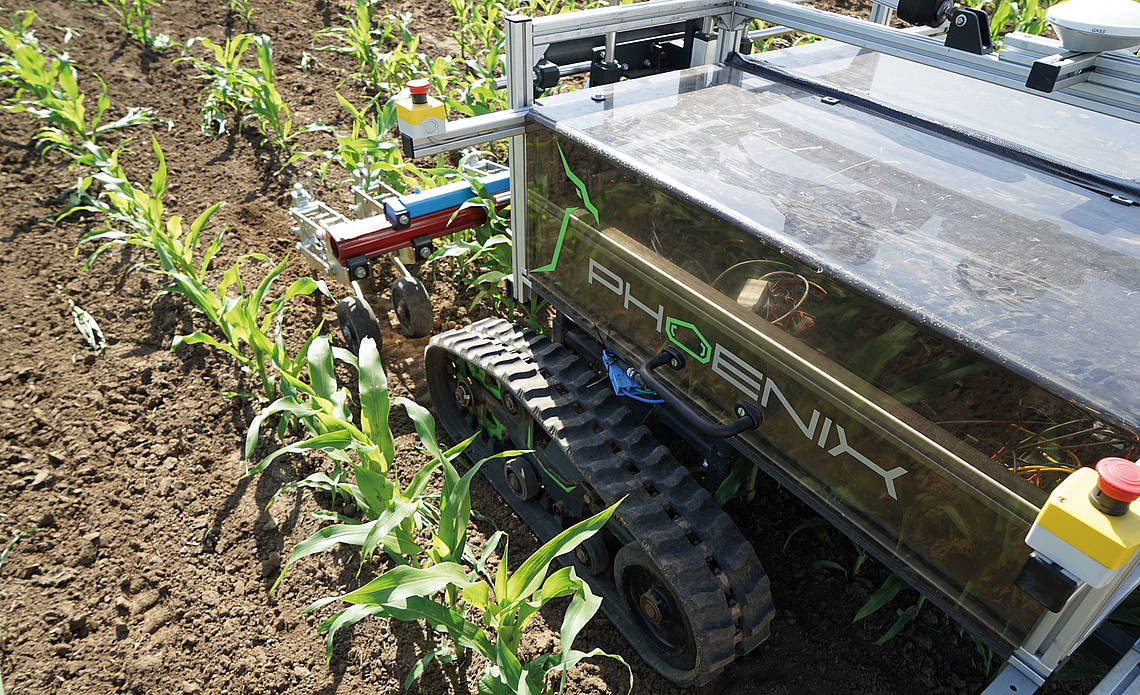
University of Texas at Austin researchers are developing FarmBrain, a system that keeps immediate robot reactions onboard while sharing more demanding AI processing through nearby computing and private wireless networks.
Source University of Texas at Austin
ICICLE outlined connected agricultural AI demonstrations for Farm Science Review 2026, combining drone scouting, geospatial data, edge computing and tools that help users inspect labels and explore field information.
Source The Ohio State University — ICICLE AI Institute
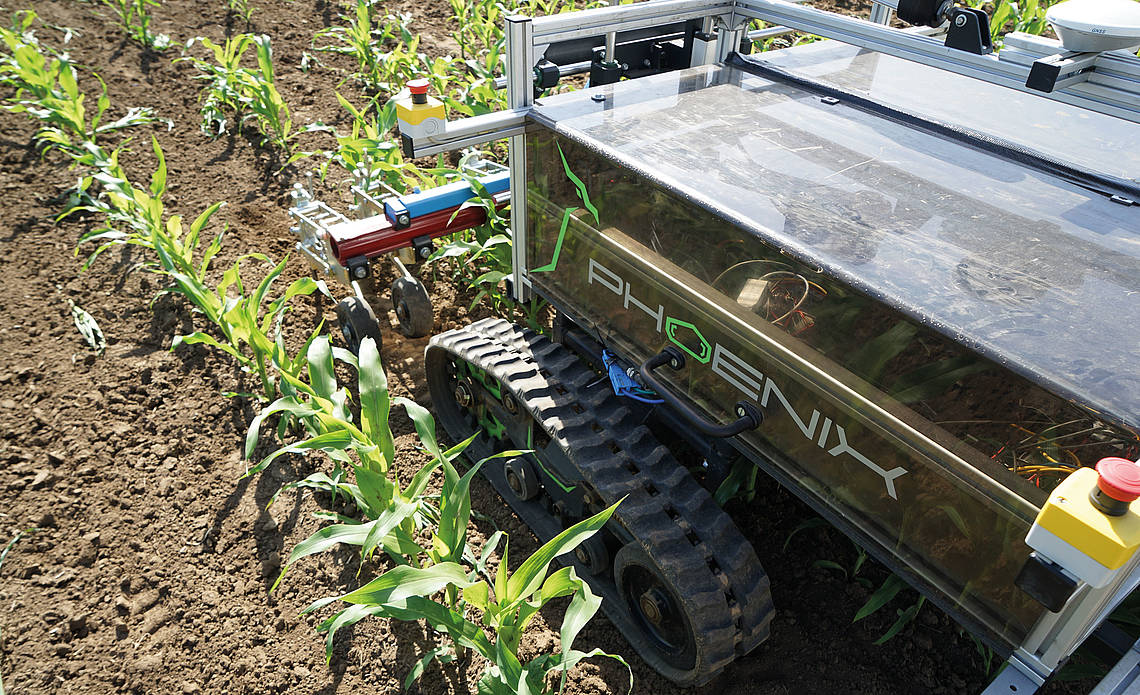
An October registration reminder brings LAND.TECHNIK’s Dresden programme into focus, with agricultural robotics, AI, sensing, machinery safety and electric drives among the themes planned for 10–11 November 2026.
Source EurAgEng