61 stories in Greenhouse automation.
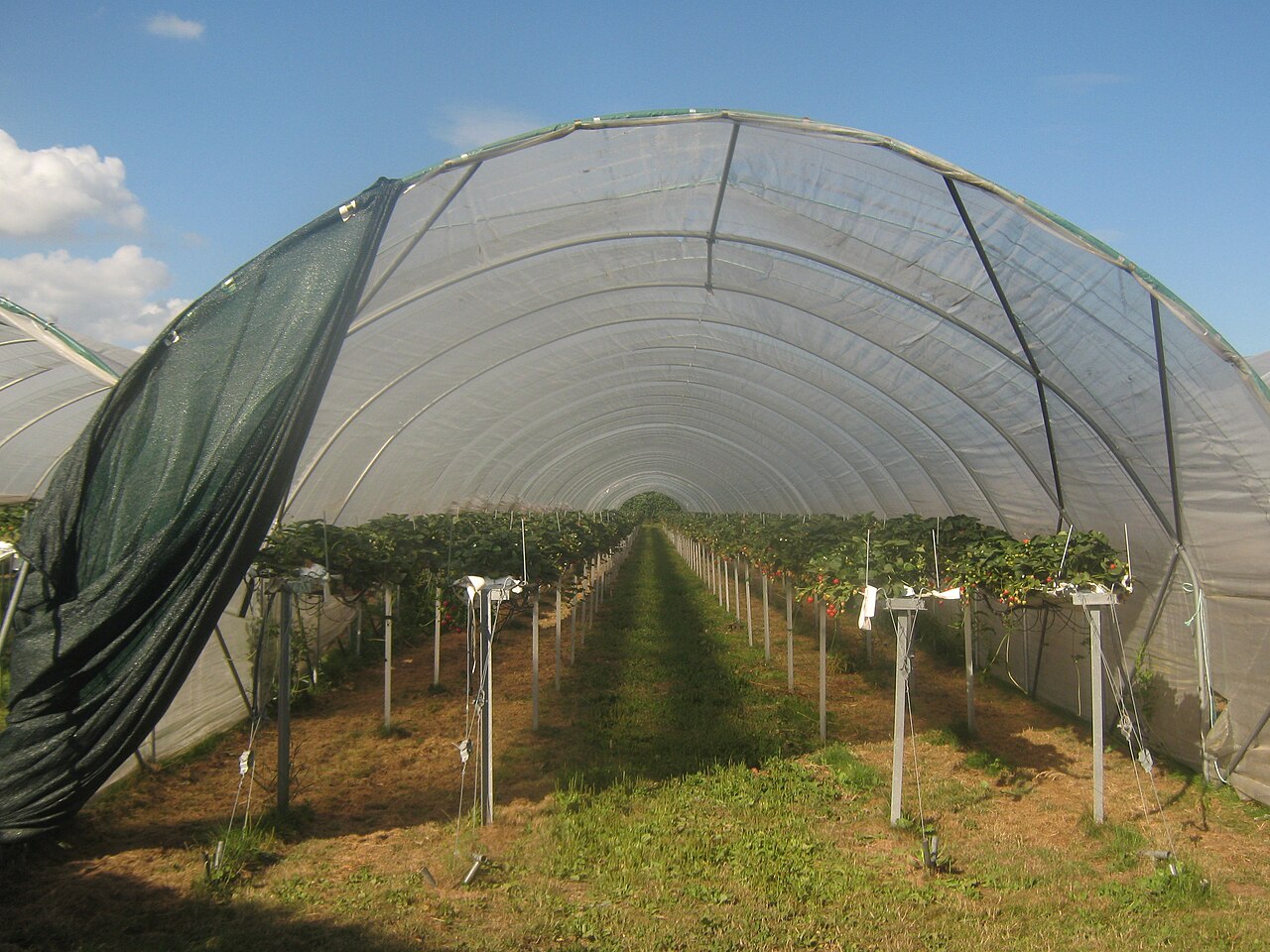
Southern Cross University found that a woodchip bioreactor reduced several pesticides in effluent from intensive horticulture, while warning that more soluble compounds could still pass through the treatment system.
Source Southern Cross University
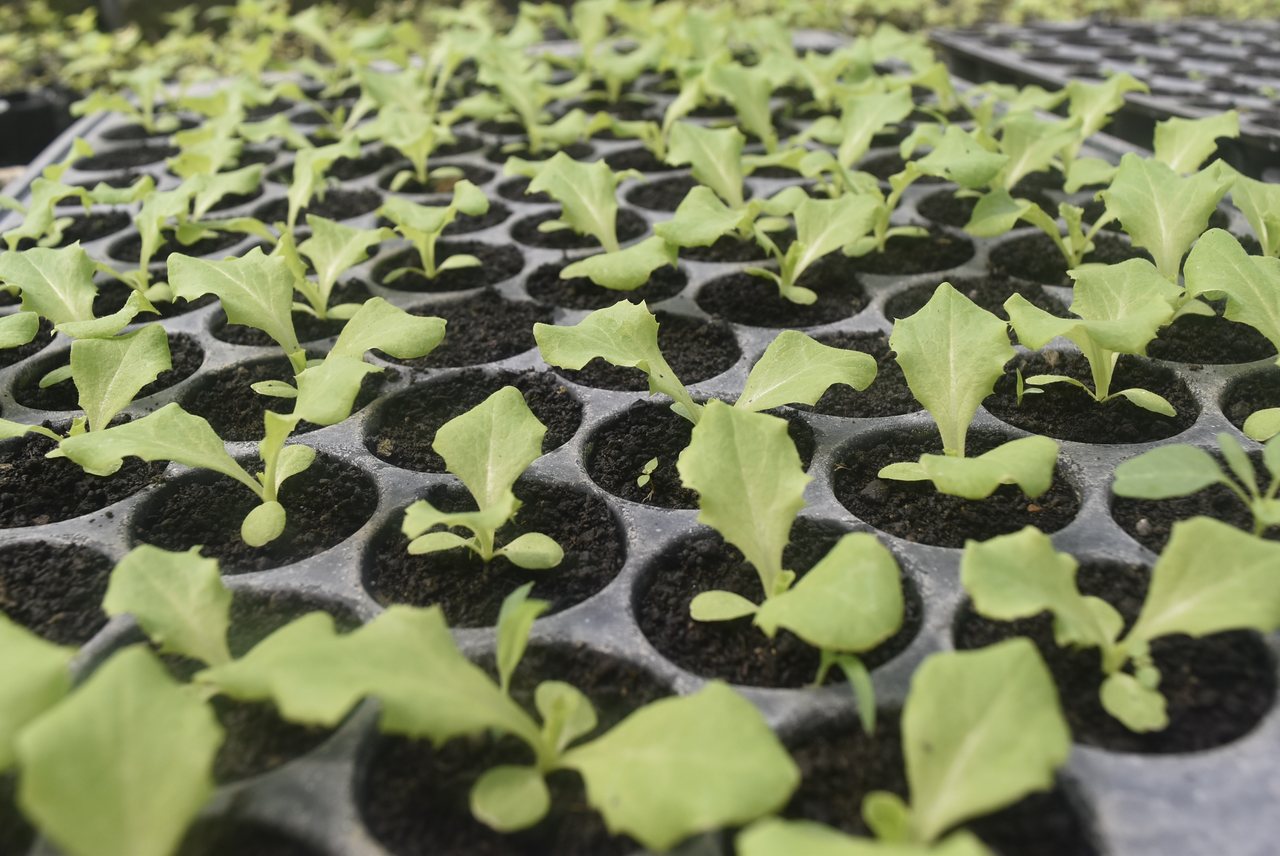
Wageningen’s 2026–2027 AGROS II project is developing crop sensing and control methods for autonomous greenhouses, comparing a digital-twin approach, trained AI and expert-led data-driven cultivation in cucumber crops.
Source Wageningen University & Research (undated page)
An Australian research team fitted a pollination fan to a self-guiding greenhouse robot, demonstrating autonomous operation across more than 30 crop rows at P’Petual Holdings’ commercial production facility.
Source Future Food Systems CRC
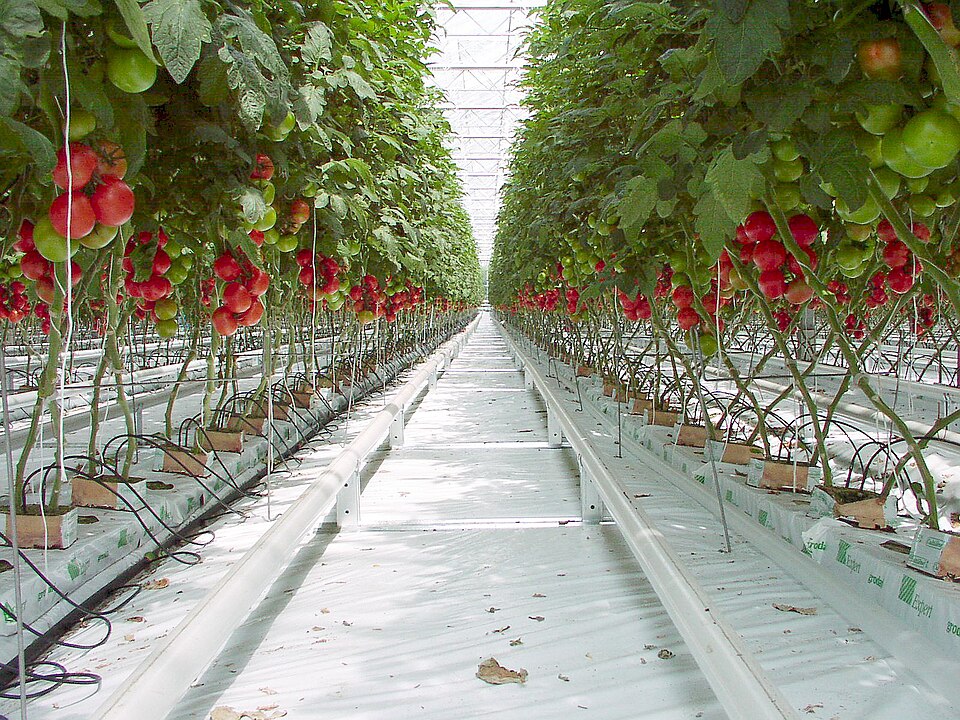
KAUST researchers combined a light-selective plastic cover with biodegradable mulch to reduce heat in miniature greenhouses, exploring a lower-energy approach to protected cultivation in Saudi Arabia’s arid conditions.
Source King Abdullah University of Science and Technology
Purdue broke ground on a phenotyping greenhouse in September 2023, adding nearly 5,000 square feet of research space and linking living plants with existing systems for measuring crop health and stress.
Source Purdue University
RED Horticulture described a Wageningen trial examining dynamic LED lighting for cherry tomatoes, combining crop physiology, technical evaluation, plant biosignals and irrigation expertise in one cultivation experiment.
Source RED Horticulture
Priva and Blue Radix signed a multiyear strategic cooperation agreement in January 2025, aiming to connect greenhouse process control with autonomous climate and irrigation software while retaining an open partner ecosystem.
Source Priva
Source.ag launched Irrigation Control in March 2024, using historical data, predictive models and live measurements to turn growers’ irrigation targets into settings for existing greenhouse climate computers.
Source Source.ag
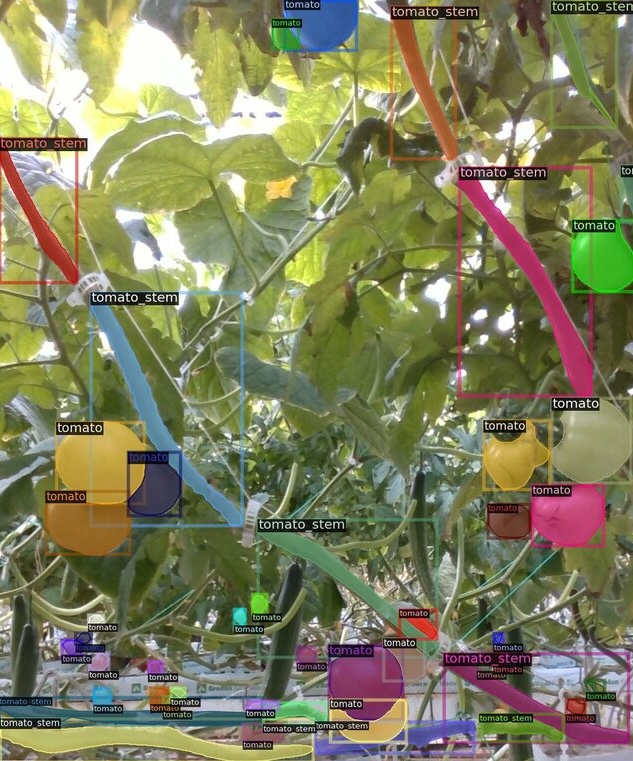
The University of Guelph’s GIGAS system uses deep learning to identify tomatoes and guide a specialised gripper, with longer greenhouse trials identified as the next step toward commercial viability.
Source University of Guelph
Ridder and MetoMotion reported that their GRoW robot was harvesting virus-resistant tomato varieties at Axia Vegetable Seeds, connecting robotic picking with the crop traits required for practical greenhouse deployment.
Source Ridder
A Wageningen–Viscon feasibility study combines plant imaging and machine learning to identify young plants suitable for greenhouse transplanting, including a camera arrangement that captures the sides and underside of root plugs.
Source WUR Vision+Robotics / Viscon
Cornell University’s controlled-environment researchers and startup Koidra formed Team Koala, which won the third Autonomous Greenhouse Challenge at Wageningen’s research facilities in the Netherlands in 2022.
Source Cornell University