24 stories matching “Wageningen”.
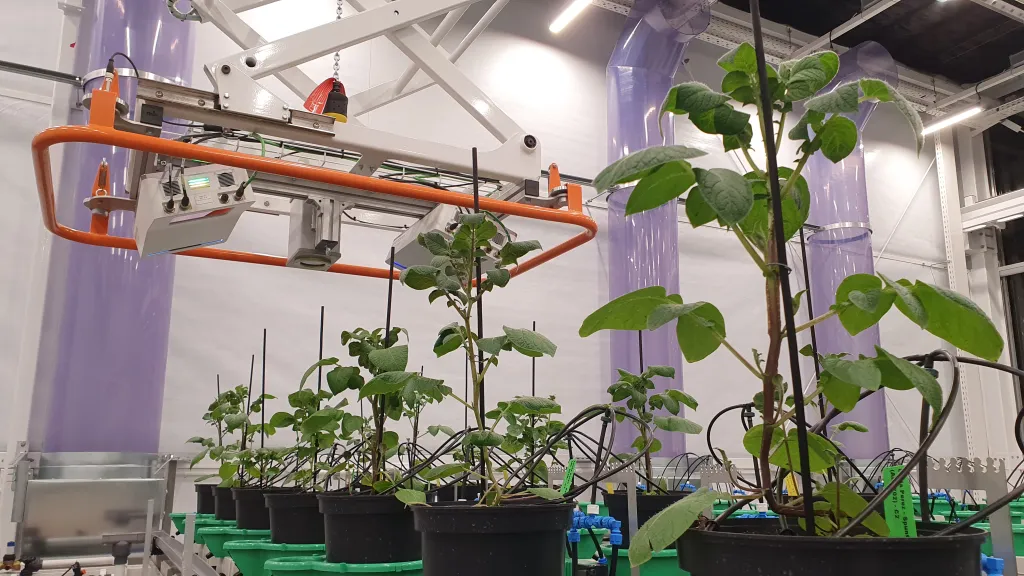
A Wageningen PhD project investigates robots that move their cameras and learn which viewpoint will provide better information about obscured plants.
Source Wageningen University & Research
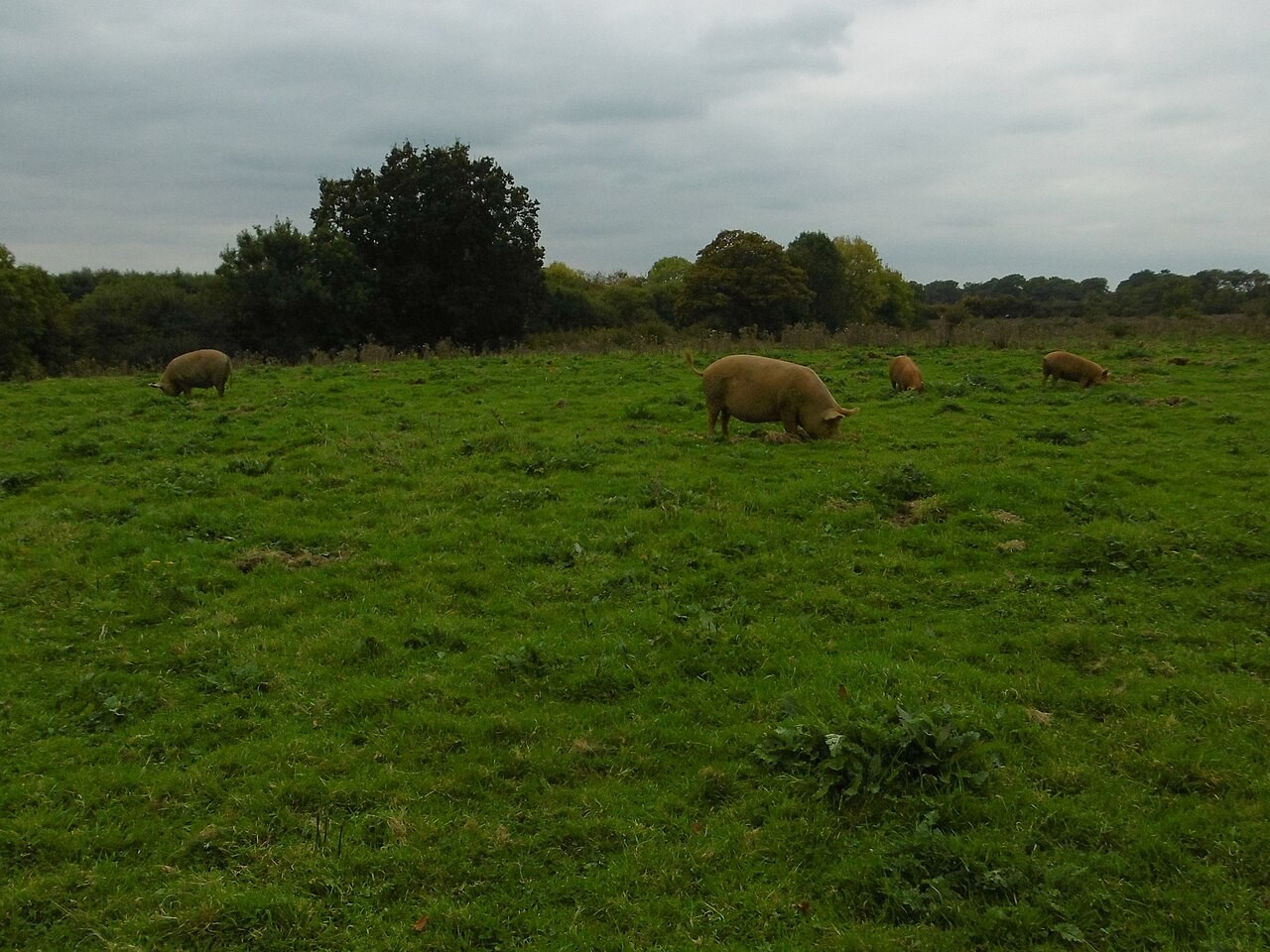
A Wageningen-led partnership will test integrated approaches to pig-house emissions, combining nutrition, manure management and pen engineering with sensors that track gases and animal welfare inside and outside housing.
Source Wageningen University & Research
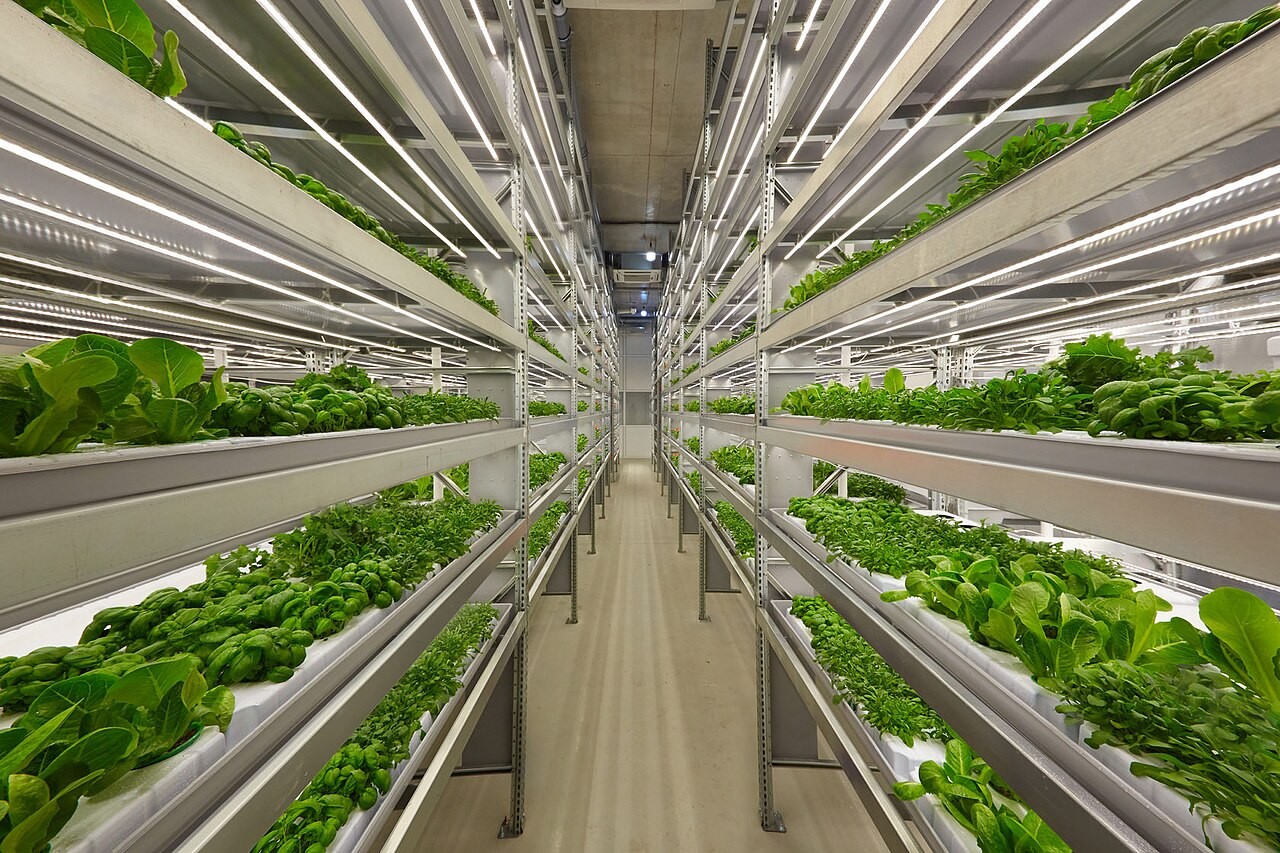
A Wageningen doctoral study examines vertical farming from crop layout to urban adoption, connecting tomato spacing and lighting experiments with carbon-footprint analysis and the importance of cleaner electricity supplies.
Source Wageningen University & Research
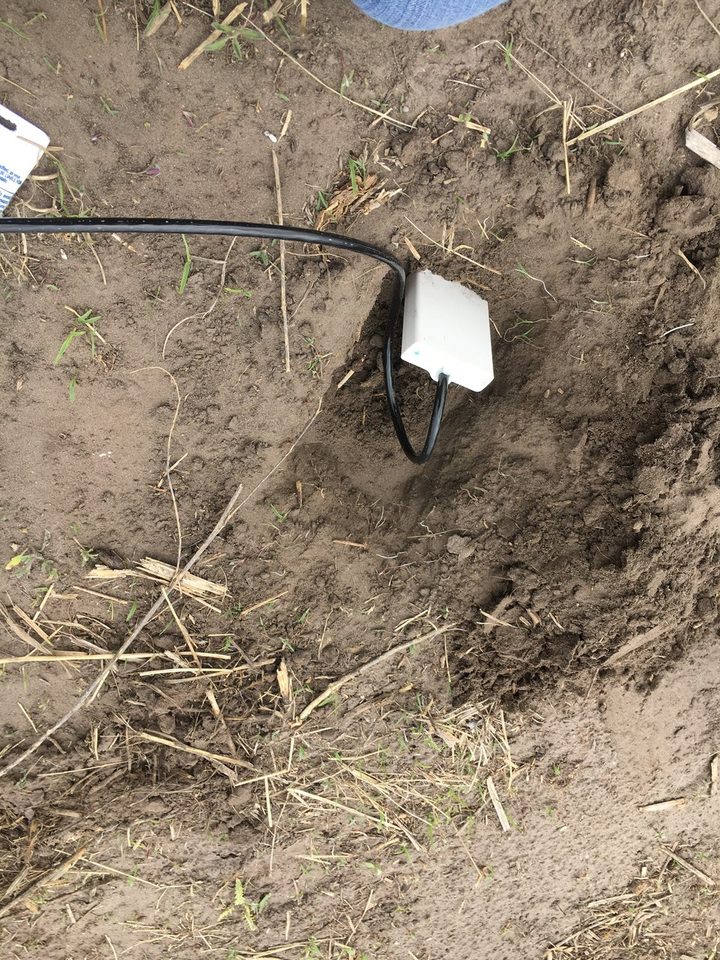
Eight Wageningen researchers received Vidi awards, including projects on soil fungi and crop PFAS contamination, recycled phosphorus availability during drought, and groundwater protection for food production.
Source Wageningen University & Research
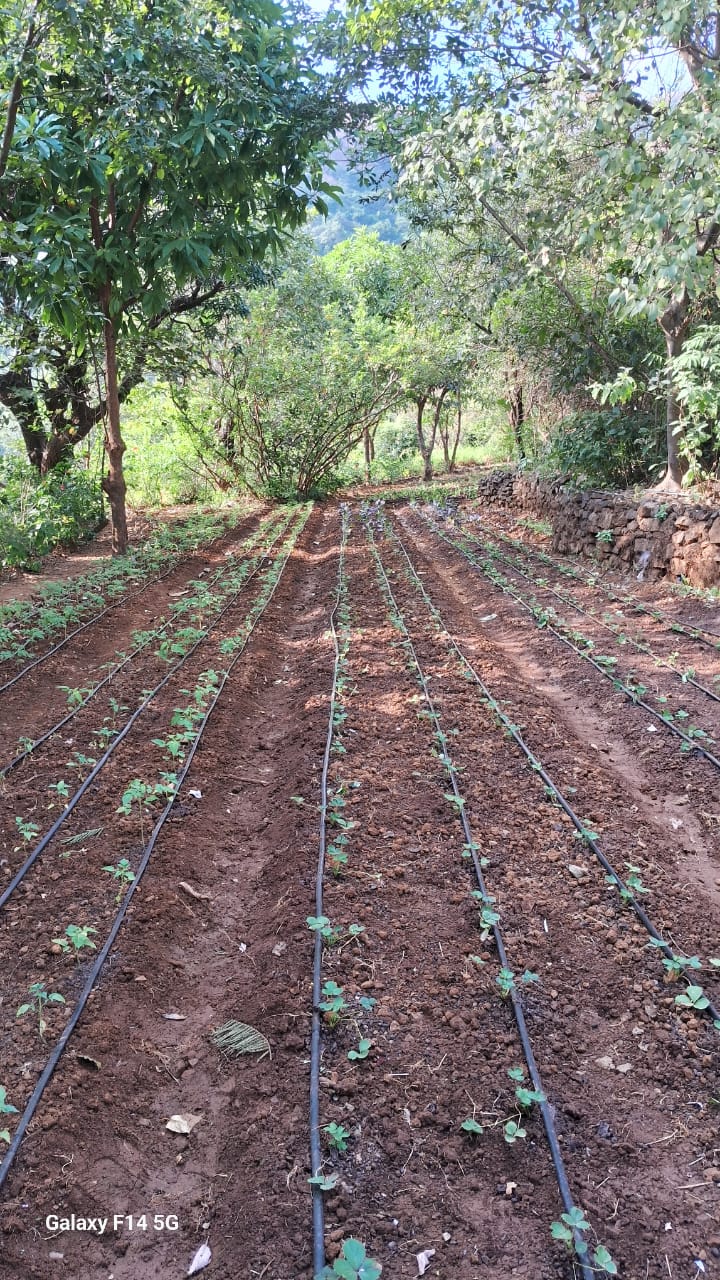
Wageningen researcher Inge de Graaf received a Vidi grant for SAFE-GROUND, a modelling project examining how climate extremes and water demand connect groundwater stress with food production and ecosystems.
Source Wageningen University & Research
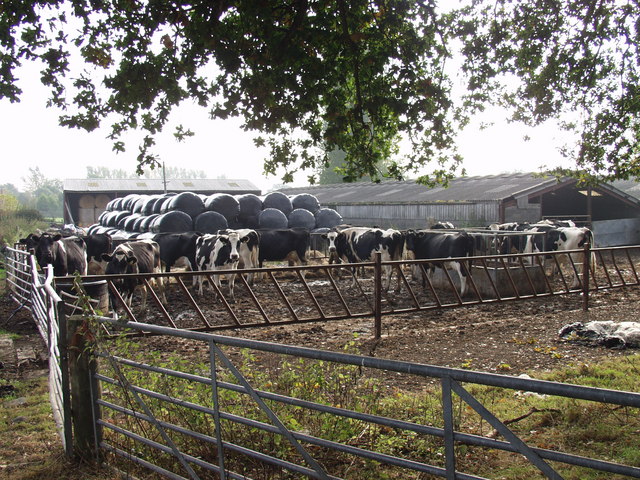
Wageningen researchers found changes in slurry composition after applying Kopros, suggesting possible emission benefits while stressing that ammonia reductions were inferred rather than measured directly in the cattle house.
Source Wageningen Livestock Research
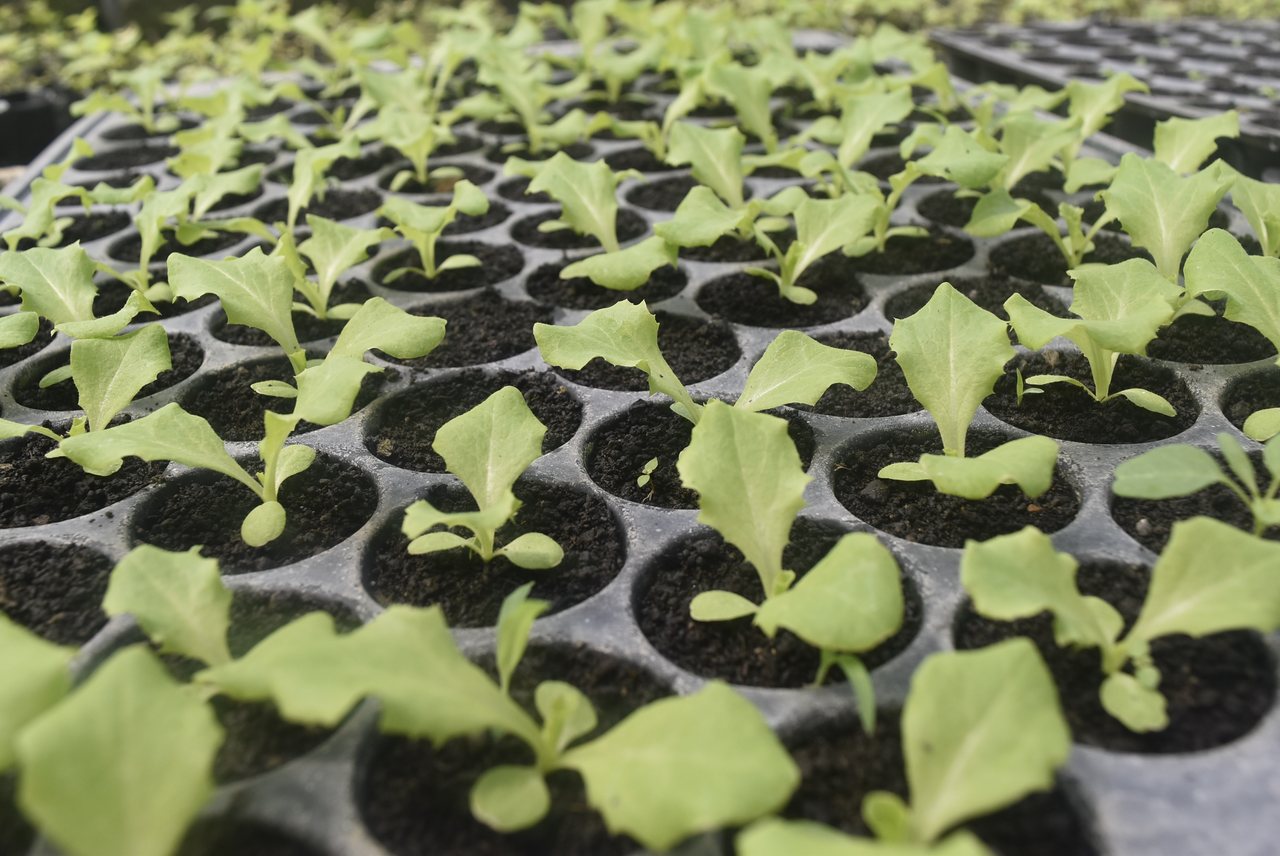
The four-year TRITON programme will combine artificial intelligence, crop modelling and gene editing to accelerate breeding for climate resilience, with an emphasis on making research tools accessible internationally.
Source Wageningen University & Research
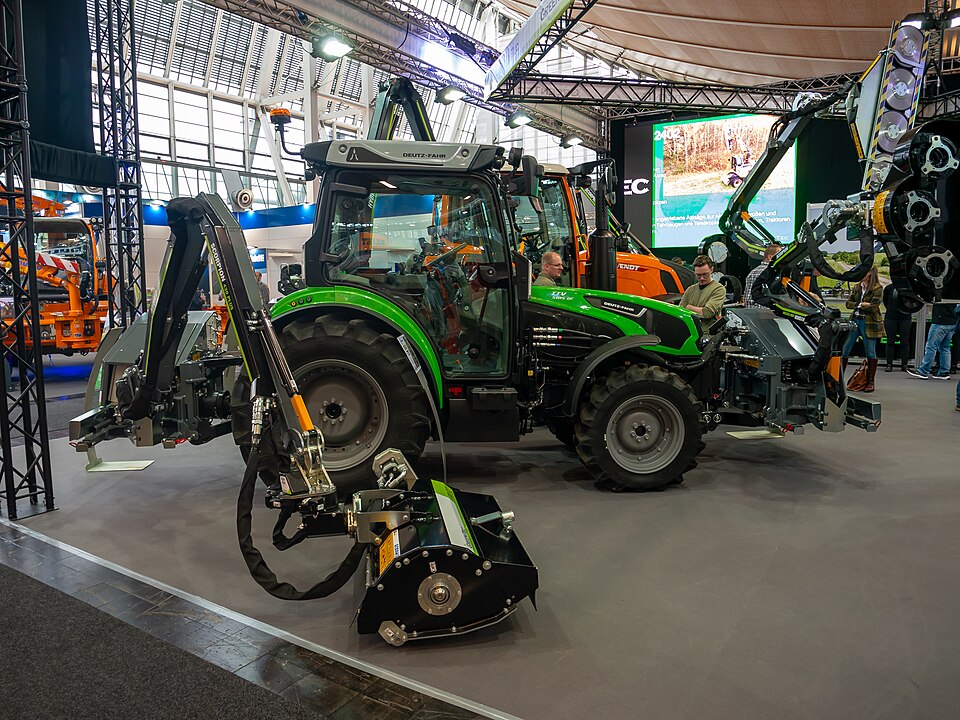
Wageningen’s planned July 2027 Intelligent Agriculture summer school combines classroom learning with hands-on technology workshops, field visits and a collaborative project for students and early-career researchers.
Source Wageningen University & Research (undated page)
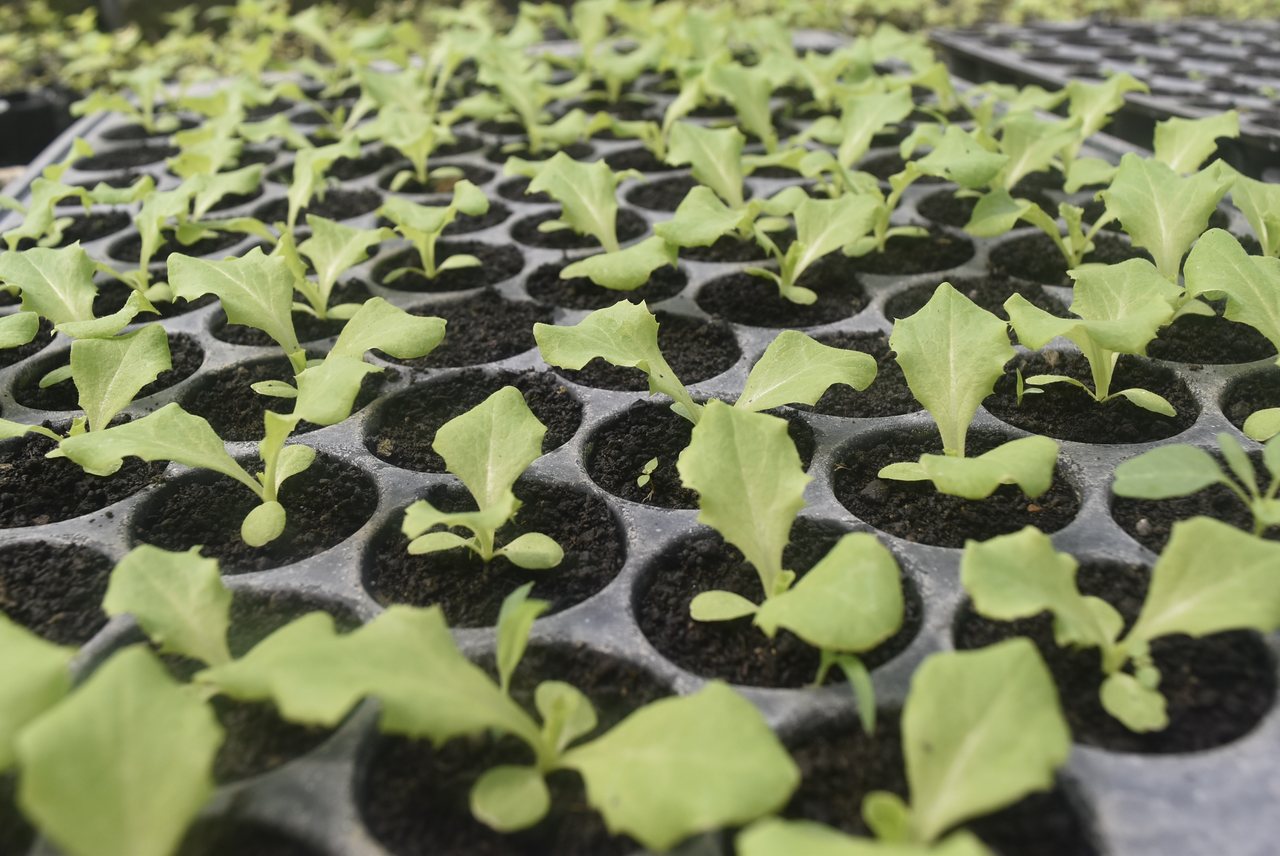
Wageningen’s 2026–2027 AGROS II project is developing crop sensing and control methods for autonomous greenhouses, comparing a digital-twin approach, trained AI and expert-led data-driven cultivation in cucumber crops.
Source Wageningen University & Research (undated page)
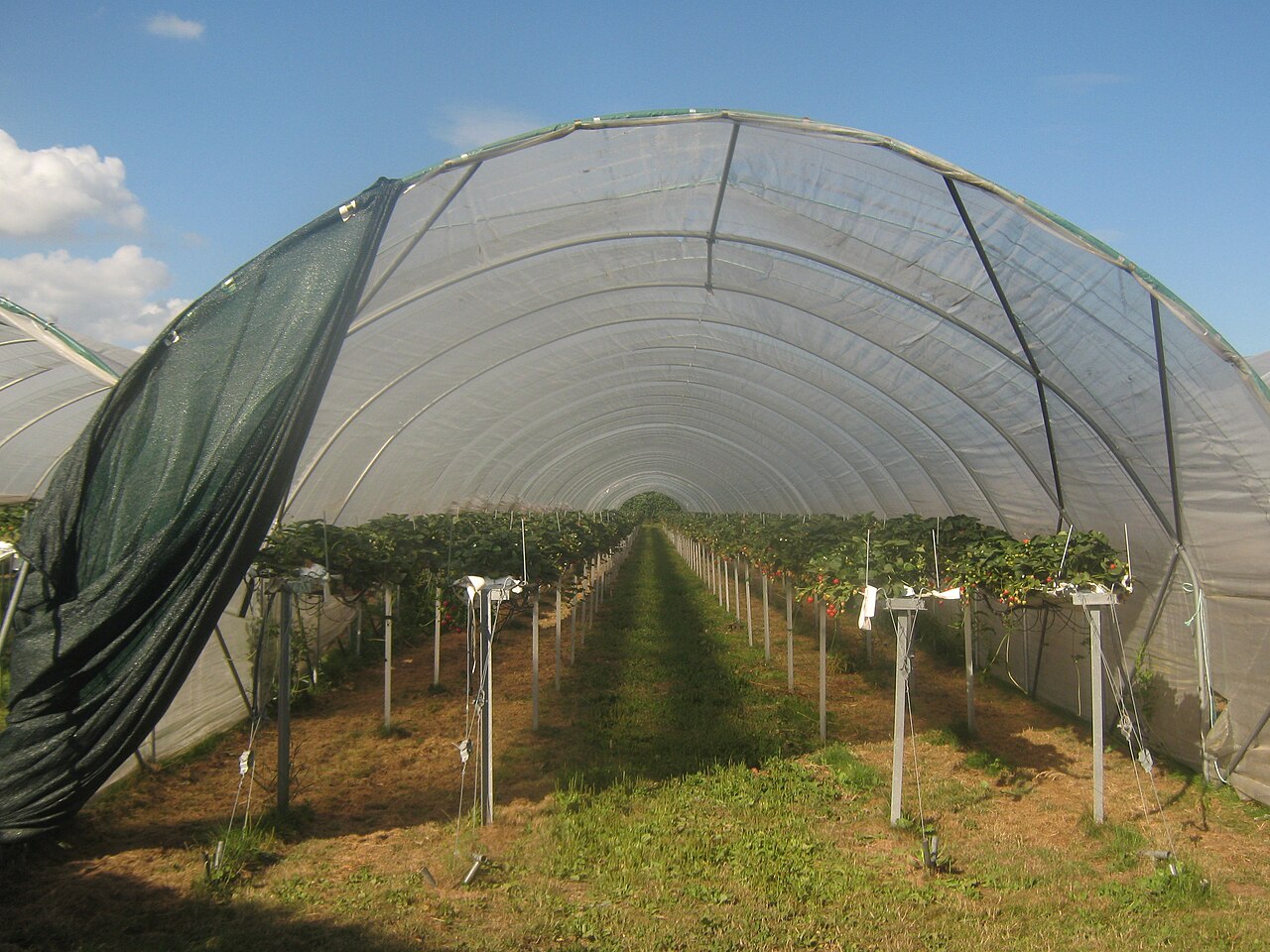
RED Horticulture described a Wageningen trial examining dynamic LED lighting for cherry tomatoes, combining crop physiology, technical evaluation, plant biosignals and irrigation expertise in one cultivation experiment.
Source RED Horticulture
A Wageningen–Viscon feasibility study combines plant imaging and machine learning to identify young plants suitable for greenhouse transplanting, including a camera arrangement that captures the sides and underside of root plugs.
Source WUR Vision+Robotics / Viscon
Cornell University’s controlled-environment researchers and startup Koidra formed Team Koala, which won the third Autonomous Greenhouse Challenge at Wageningen’s research facilities in the Netherlands in 2022.
Source Cornell University