6 stories matching “RIPE”.
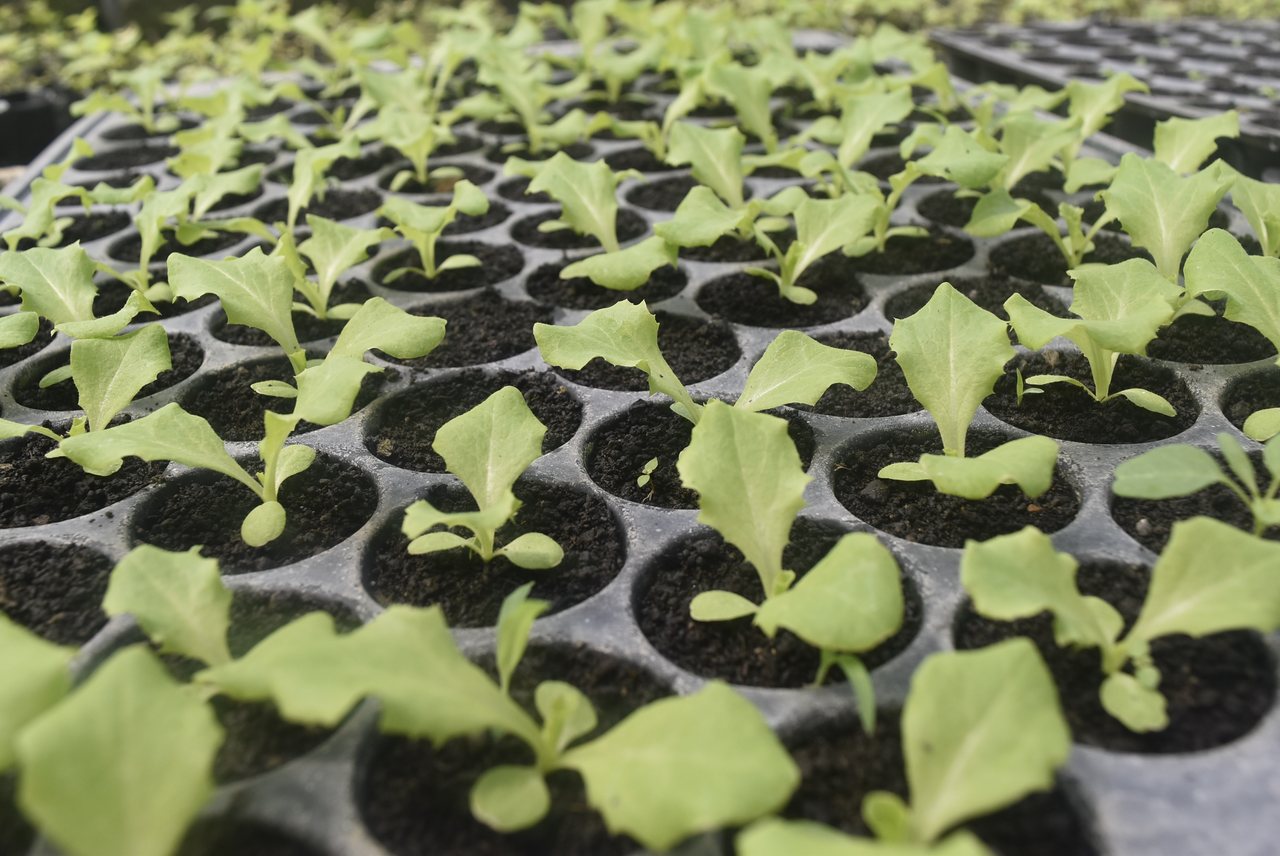
Cambridge and Berkeley researchers found that removing antenna protein CP26 changes photosynthetic behaviour through structural effects, challenging assumptions about its direct role in dissipating excess absorbed light energy.
Source Crop Science Centre, University of Cambridge (publication day unspecified; checked 24 October 2026)
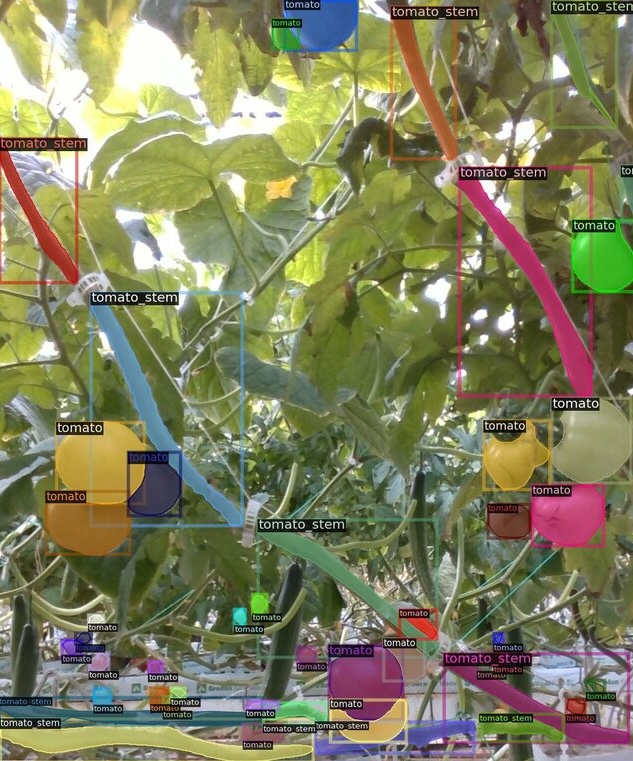
The University of Guelph’s GIGAS system uses deep learning to identify tomatoes and guide a specialised gripper, with longer greenhouse trials identified as the next step toward commercial viability.
Source University of Guelph
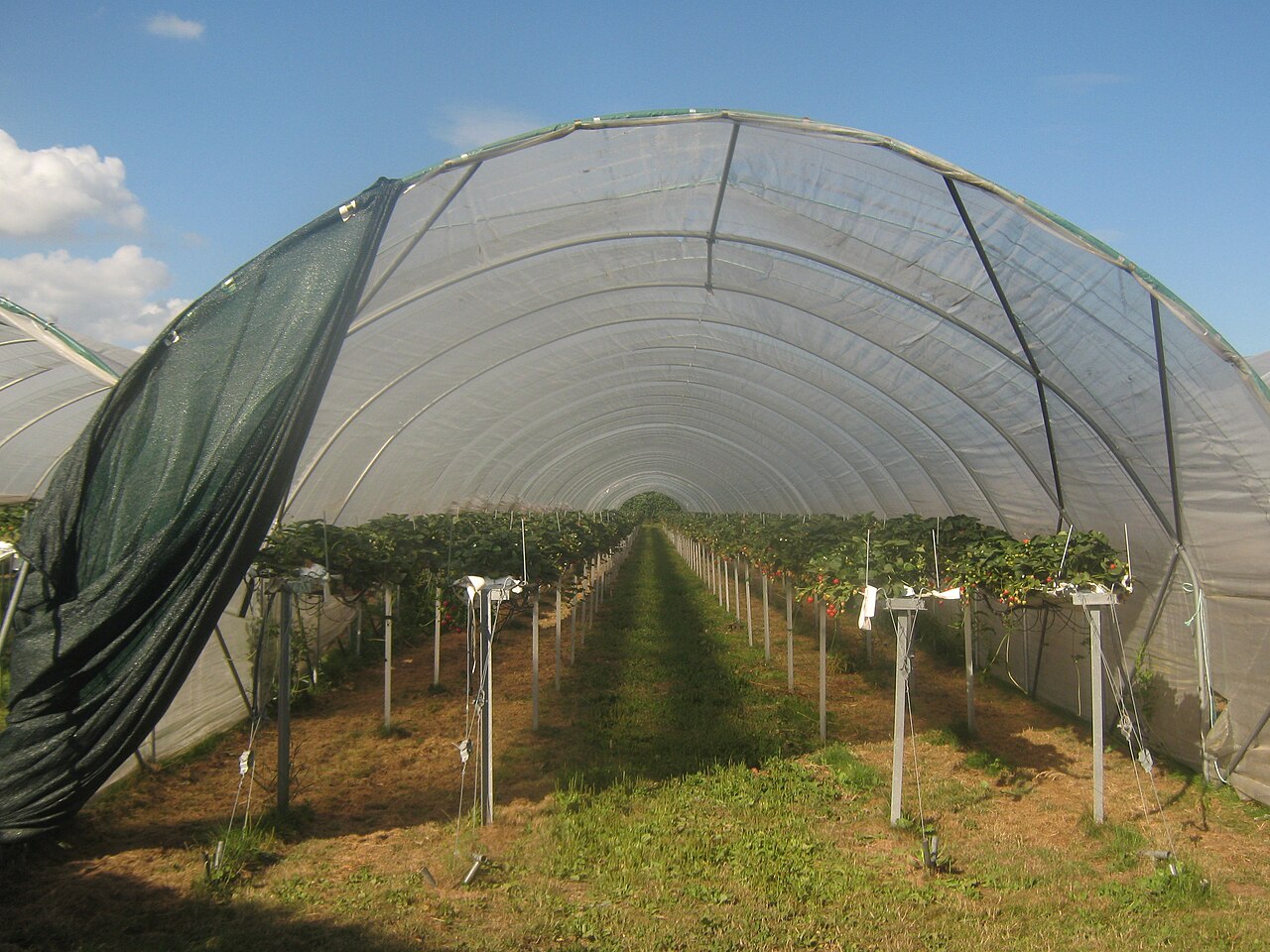
Ridder and MetoMotion reported that their GRoW robot was harvesting virus-resistant tomato varieties at Axia Vegetable Seeds, connecting robotic picking with the crop traits required for practical greenhouse deployment.
Source Ridder
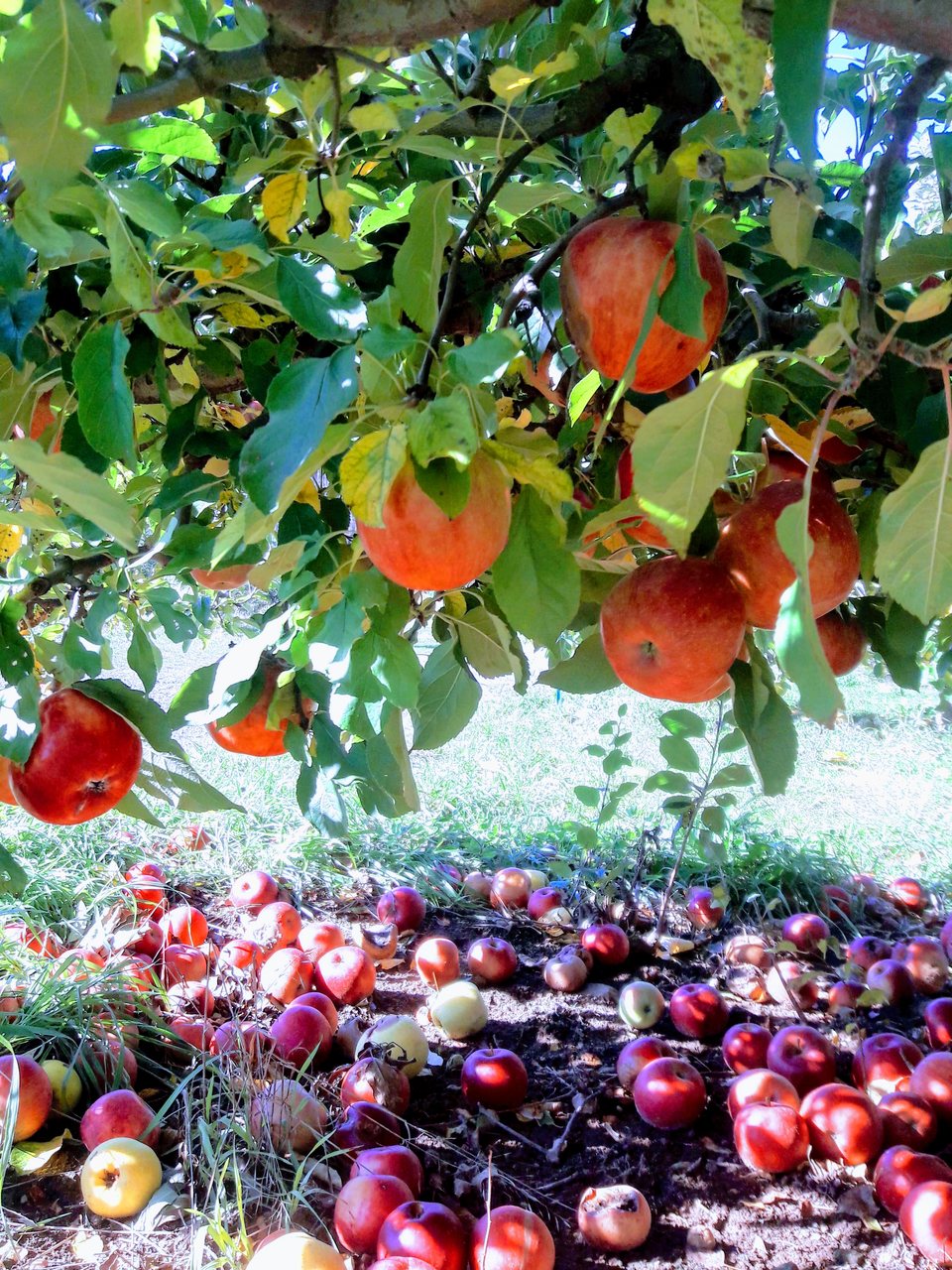
Queen Mary researchers, Extend Robotics and Saffron Grange investigated robotic grape picking using optical analysis, pressure-sensitive handling and remote interfaces, aiming to improve decisions about fruit ripeness and harvest timing.
Source Queen Mary University of London
Fieldwork Robotics introduced the Fieldworker 1 raspberry harvester and announced collaboration with Australia’s Costa Group, aiming to improve ripeness detection and make harvesting costs more predictable for growers.
Source Fieldwork Robotics
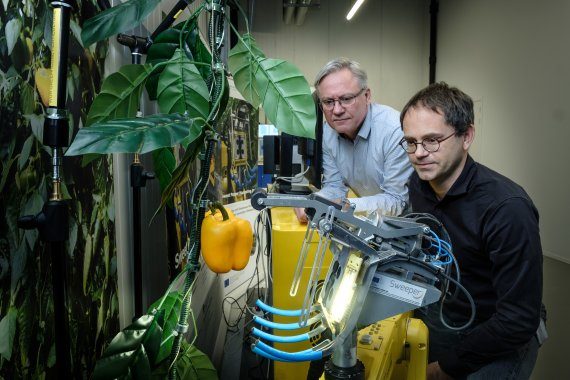
A Wageningen report on the European harvesting robot documented faster pepper picking while highlighting the continuing limits imposed by cycle time, foliage, clustered fruit and access within greenhouse rows.
Source Resource — Wageningen University & Research