305 stories matching “Research”.
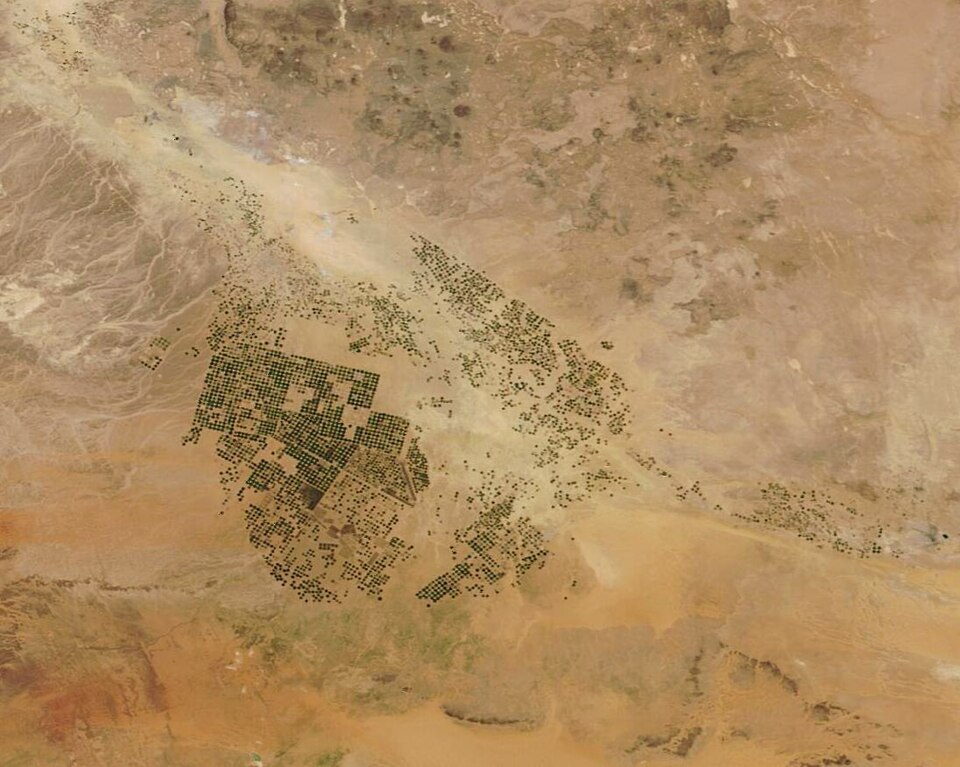
Rothamsted modelling suggests better nitrogen management could reduce energy-related farm carbon impacts in England, highlighting fertiliser production as an important source of emissions beyond fuel used directly on farms.
Source Rothamsted Research
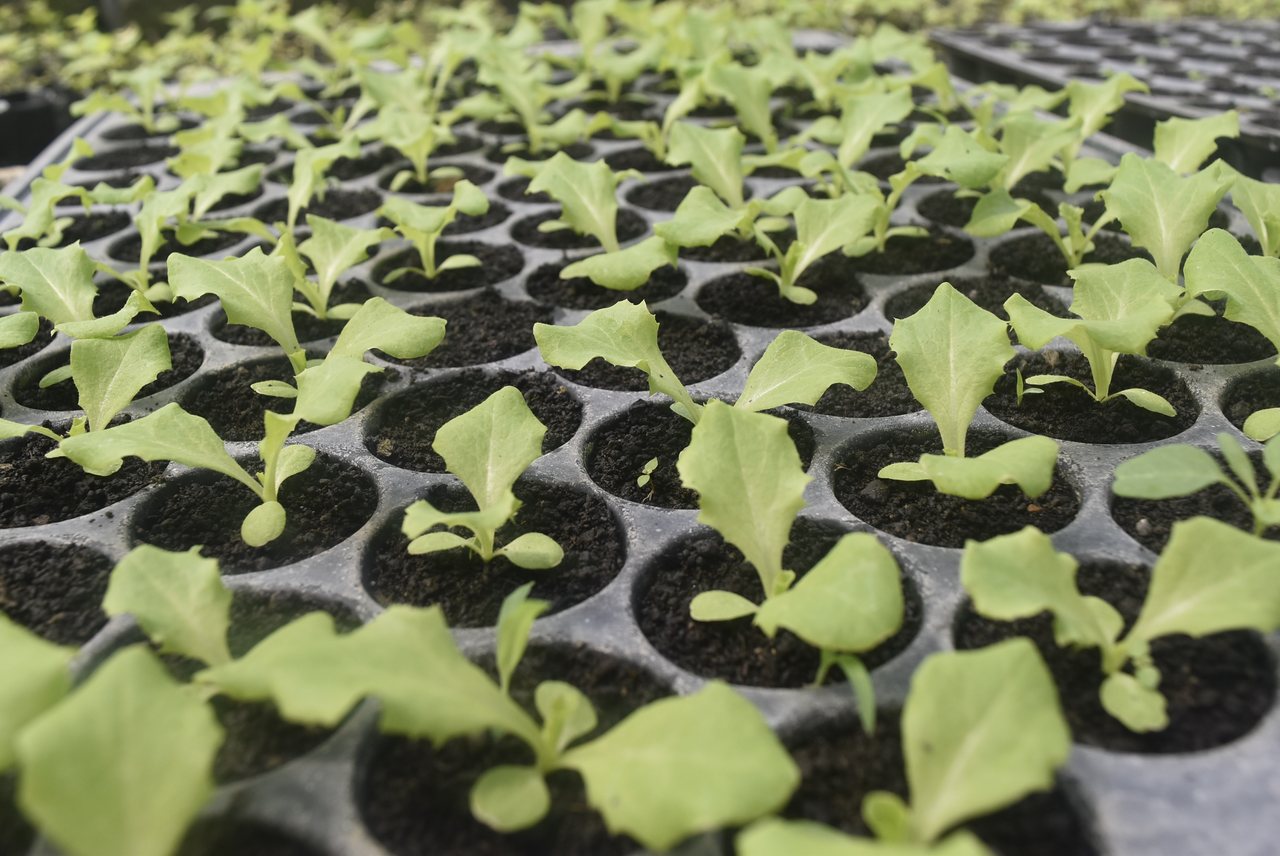
Cambridge researchers combined live imaging and gene-expression mapping to show that fungal structures inside rice roots differ in lifespan and nutrient-transfer activity, complicating simple measures of beneficial colonisation.
Source Crop Science Centre, University of Cambridge (publication day unspecified; checked 24 October 2026)
Cambridge and Berkeley researchers found that removing antenna protein CP26 changes photosynthetic behaviour through structural effects, challenging assumptions about its direct role in dissipating excess absorbed light energy.
Source Crop Science Centre, University of Cambridge (publication day unspecified; checked 24 October 2026)
A 56-hour microscopy sequence from Cambridge captures living mycorrhizal structures in motion, giving researchers a dynamic view of plant–fungal partnerships that static images could not previously provide.
Source Crop Science Centre, University of Cambridge (publication day unspecified; checked 24 October 2026)
Cambridge and Copenhagen researchers found that elevated carbon dioxide strengthened rice reliance on beneficial fungi for phosphorus, with the PT11 transporter helping coordinate changes in root nutrient acquisition.
Source Crop Science Centre, University of Cambridge (publication day unspecified; checked 24 October 2026)
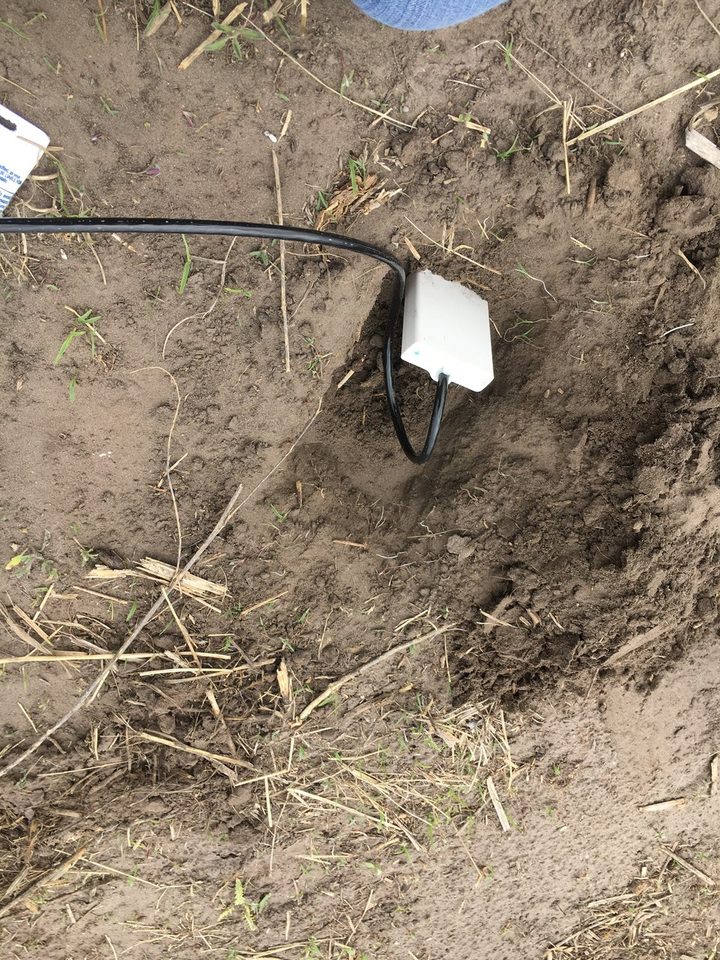
Eight Wageningen researchers received Vidi awards, including projects on soil fungi and crop PFAS contamination, recycled phosphorus availability during drought, and groundwater protection for food production.
Source Wageningen University & Research
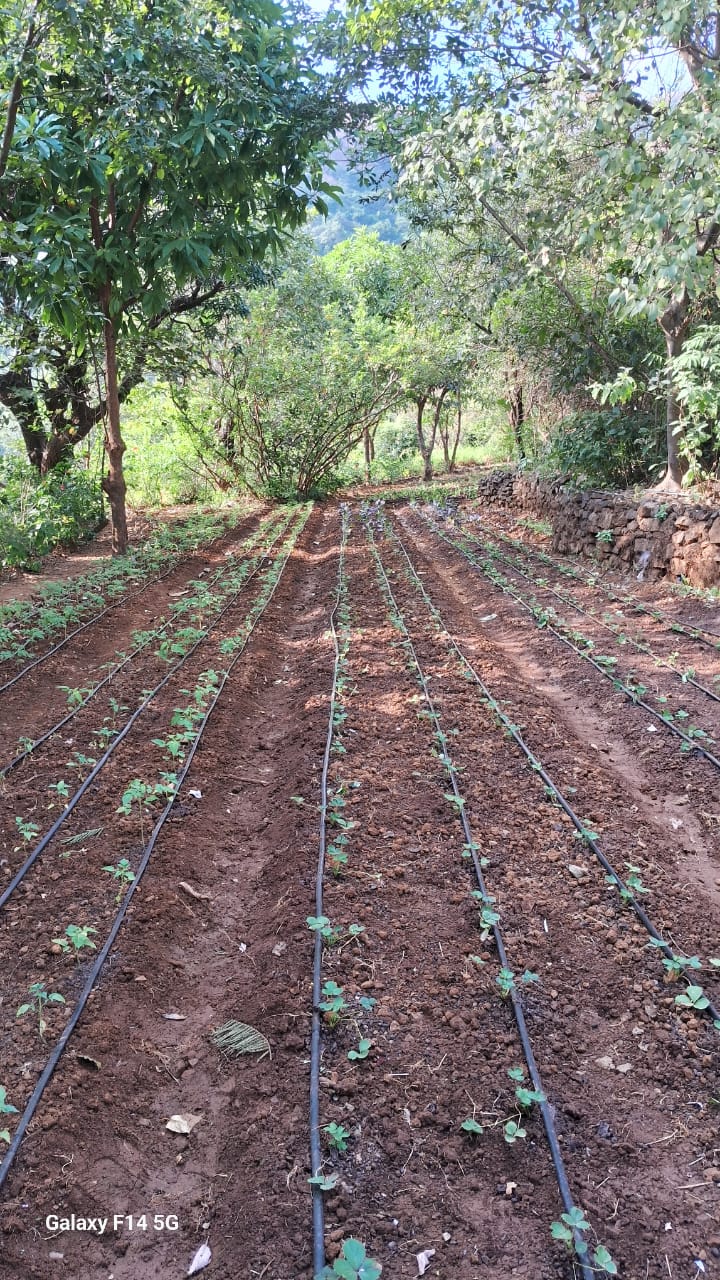
Wageningen researcher Inge de Graaf received a Vidi grant for SAFE-GROUND, a modelling project examining how climate extremes and water demand connect groundwater stress with food production and ecosystems.
Source Wageningen University & Research
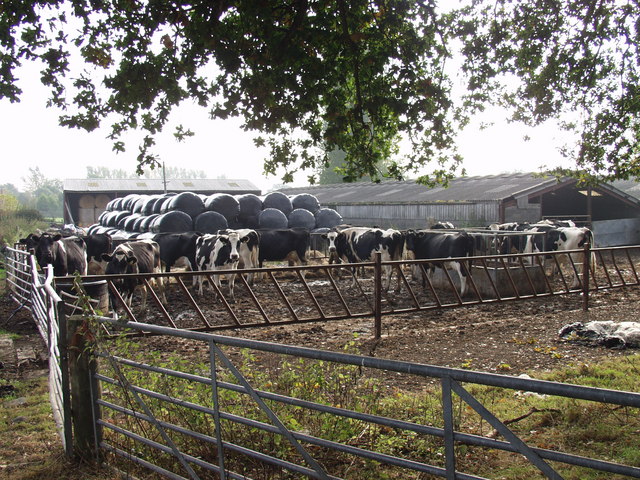
Wageningen researchers found changes in slurry composition after applying Kopros, suggesting possible emission benefits while stressing that ammonia reductions were inferred rather than measured directly in the cattle house.
Source Wageningen Livestock Research
Defra and Innovate UK announced £20 million for collaborative development of agricultural robots and automation, covering crop production and extending the competition to livestock and selected forestry applications.
Source Defra and Innovate UK
University of Canterbury researchers and Australian partners are developing a platform that combines reflected navigation-satellite signals, ground sensors and environmental models to estimate soil moisture across entire farms.
Source University of Canterbury
The four-year TRITON programme will combine artificial intelligence, crop modelling and gene editing to accelerate breeding for climate resilience, with an emphasis on making research tools accessible internationally.
Source Wageningen University & Research
The EU-funded EVOLVE project will investigate whether signals released by wheat roots can influence beneficial microorganisms, potentially opening routes to improved nutrient use and drought resilience through future breeding.
Source Aarhus University Department of Food Science