139 stories matching “EY”.
A 56-hour microscopy sequence from Cambridge captures living mycorrhizal structures in motion, giving researchers a dynamic view of plant–fungal partnerships that static images could not previously provide.
Source Crop Science Centre, University of Cambridge (publication day unspecified; checked 24 October 2026)
Wageningen researcher Inge de Graaf received a Vidi grant for SAFE-GROUND, a modelling project examining how climate extremes and water demand connect groundwater stress with food production and ecosystems.
Source Wageningen University & Research
University of Canterbury researchers and Australian partners are developing a platform that combines reflected navigation-satellite signals, ground sensors and environmental models to estimate soil moisture across entire farms.
Source University of Canterbury
University of Georgia researcher Hongwoo Lee is studying how deep learning could decode and design regulatory DNA, helping scientists alter when and where useful plant traits are expressed.
Source University of Georgia
UGA Grand Farm is developing a 250-acre site in Perry, Georgia, for agricultural technology trials, pairing irrigation and crop infrastructure with industry partnerships intended to support practical evaluation and grower adoption.
Source University of Georgia
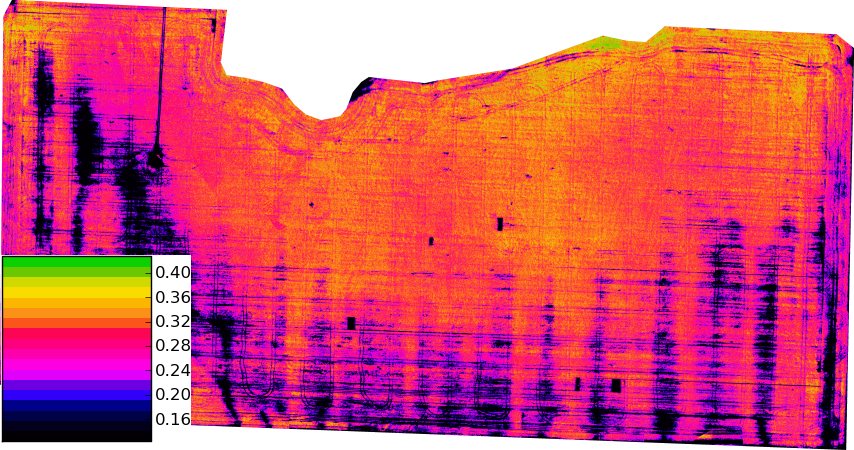
Charles Sturt University has developed SkyEye, a drone-based monitoring system that analyses farm imagery and provides alerts intended to help growers identify crop stress, pests and irrigation problems.
Source Charles Sturt University
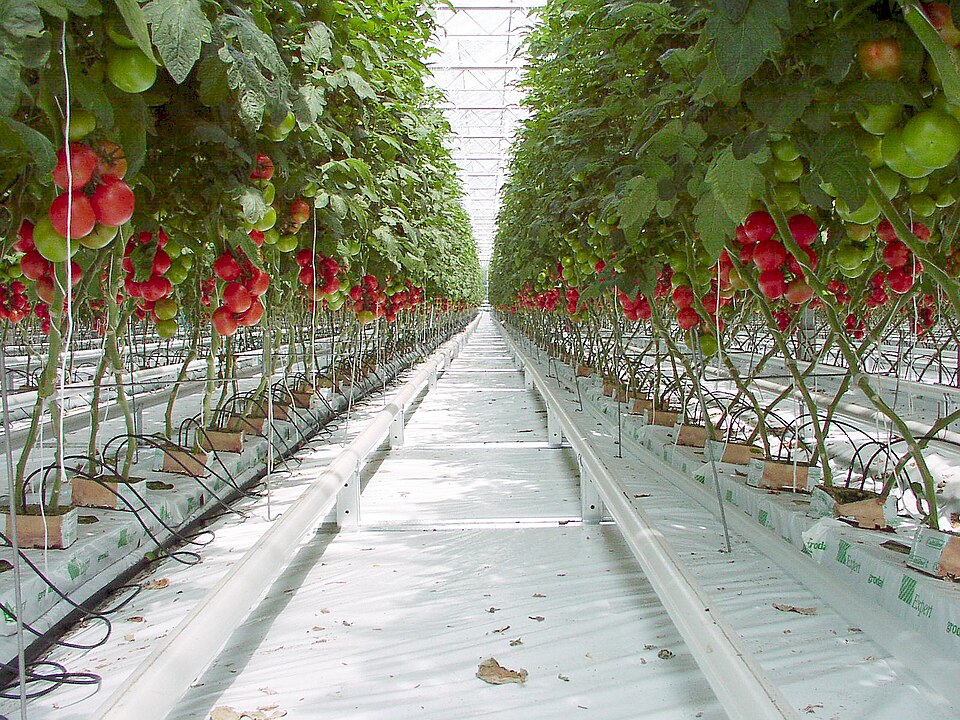
UC Merced researchers are developing materials that absorb ultraviolet light and emit visible wavelengths, exploring whether molecular design can improve greenhouse light management under the Central Valley’s demanding growing conditions.
Source University of California, Merced
UC Merced has introduced mobile greenhouse and agricultural-technology trailers to bring practical demonstrations of plant production, sensing, drones and automation to schools, communities and agricultural workplaces across the Central Valley.
Source University of California, Merced
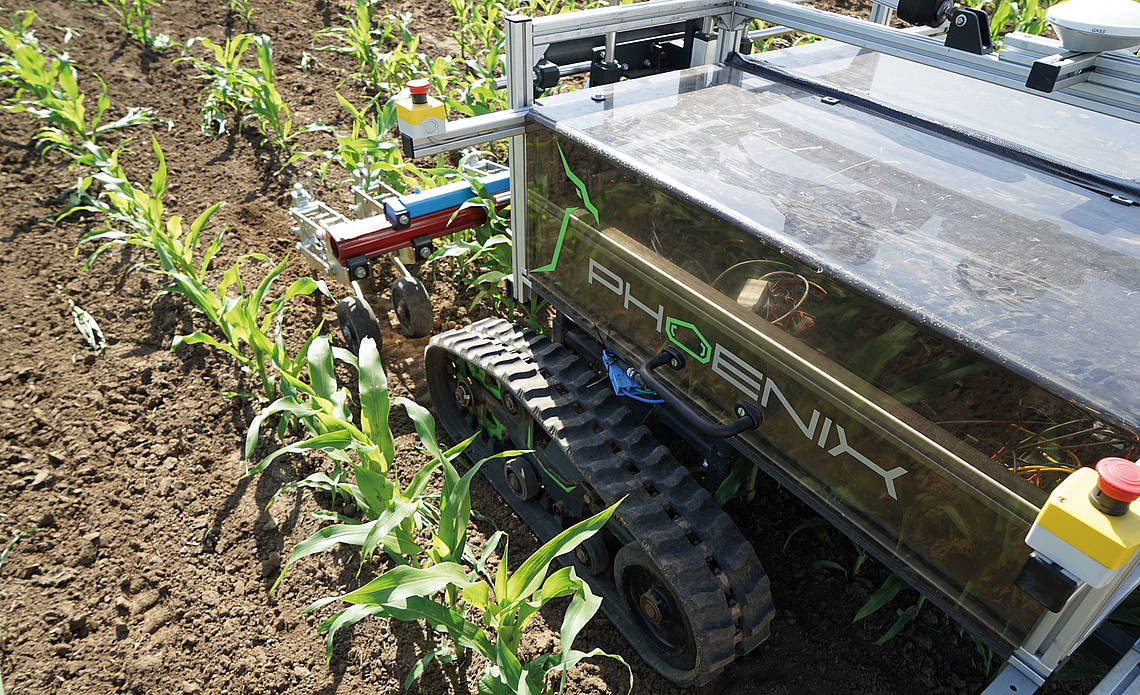
Arkansas field trials tested a camera-guided push-cart sprayer for green weeds in dormant bermudagrass, reporting lower herbicide volume than broadcast treatment while exposing the importance of detection conditions and field variability.
Source University of Arkansas System Division of Agriculture
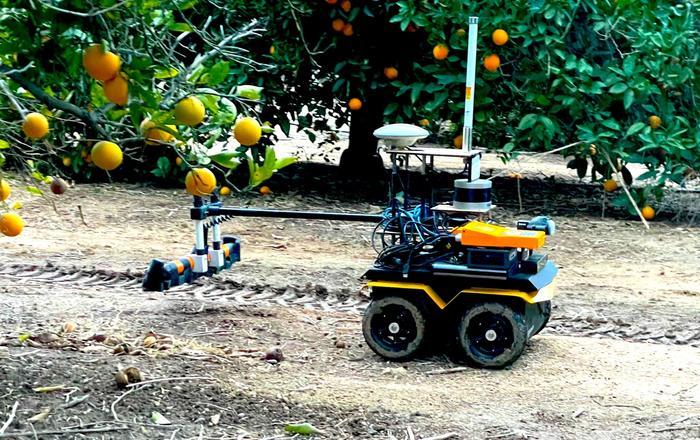
A UC Riverside research team combined mobile soil electrical-conductivity measurements with fixed moisture sensors to estimate spatial water variability across an orchard and inform targeted irrigation decisions.
Source University of California
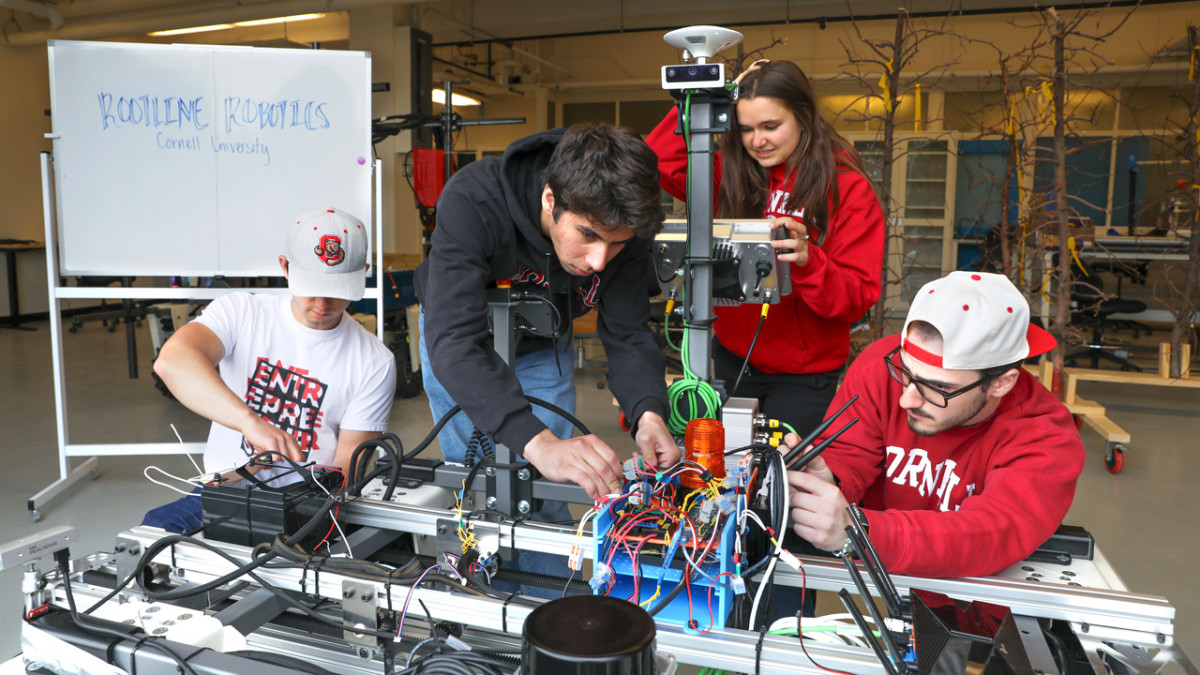
Cornell undergraduates won the 2026 Farm Robotics Challenge with Rootline, a prototype autonomous weeder for orchards and vineyards that uses targeted electric pulses rather than conventional herbicide spraying.
Source Cornell Chronicle
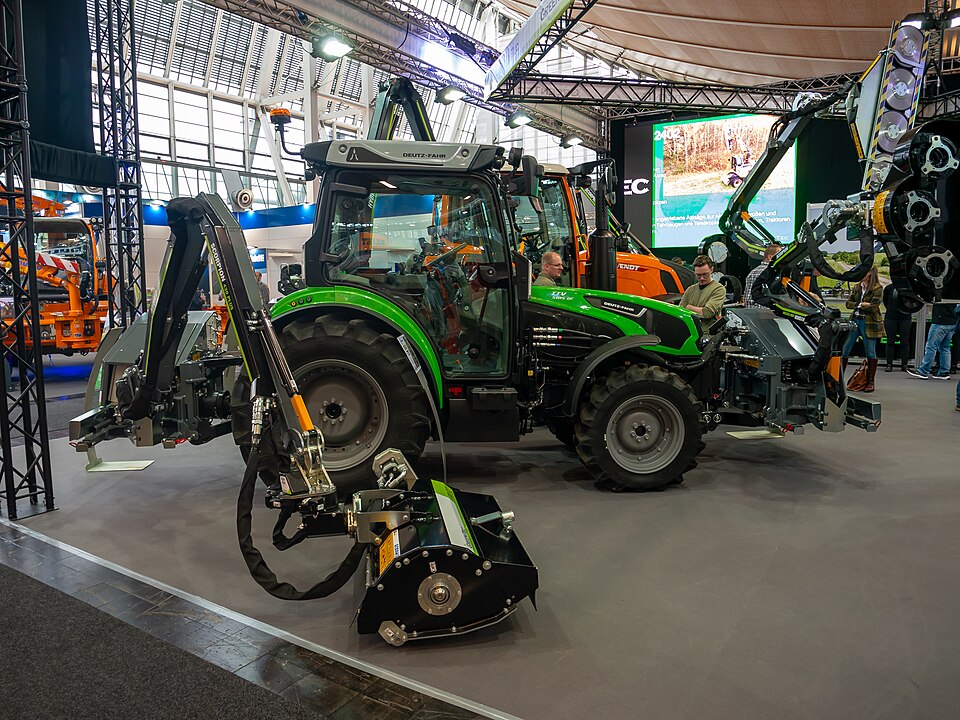
A 2025 IIPA seminar by agricultural equipment specialist Noel Anderson explored how digital farming moved toward finer spatial control—and why the required level of precision deserves scrutiny.
Source University of Georgia — IIPA