89 stories matching “HARVEST”.
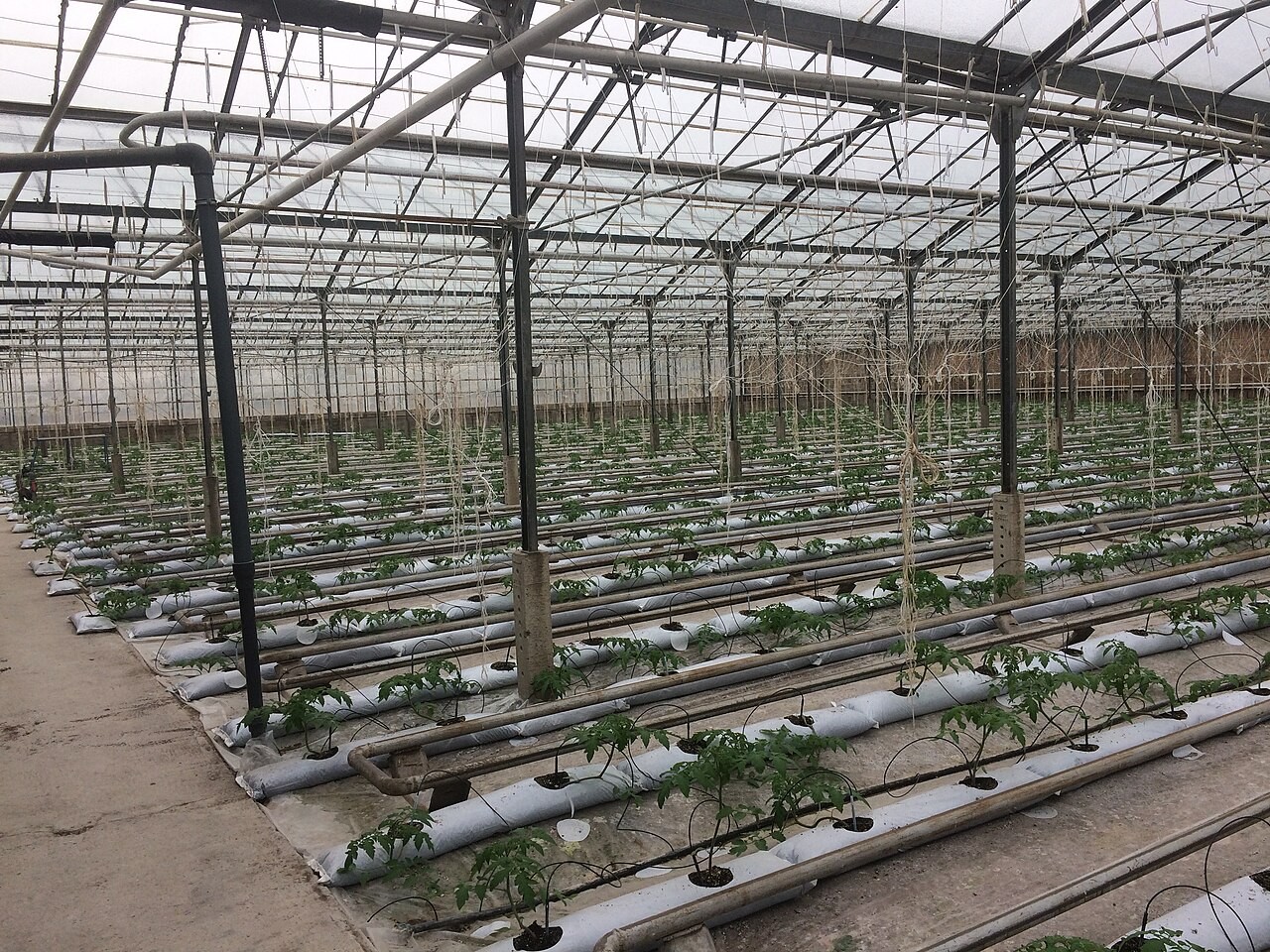
Source.ag’s Cloud Modules connect normalized greenhouse data with business intelligence tools and event-driven applications, aiming to simplify information exchange across facilities with different measurement and reporting conventions.
Source Source.ag via GreenTech
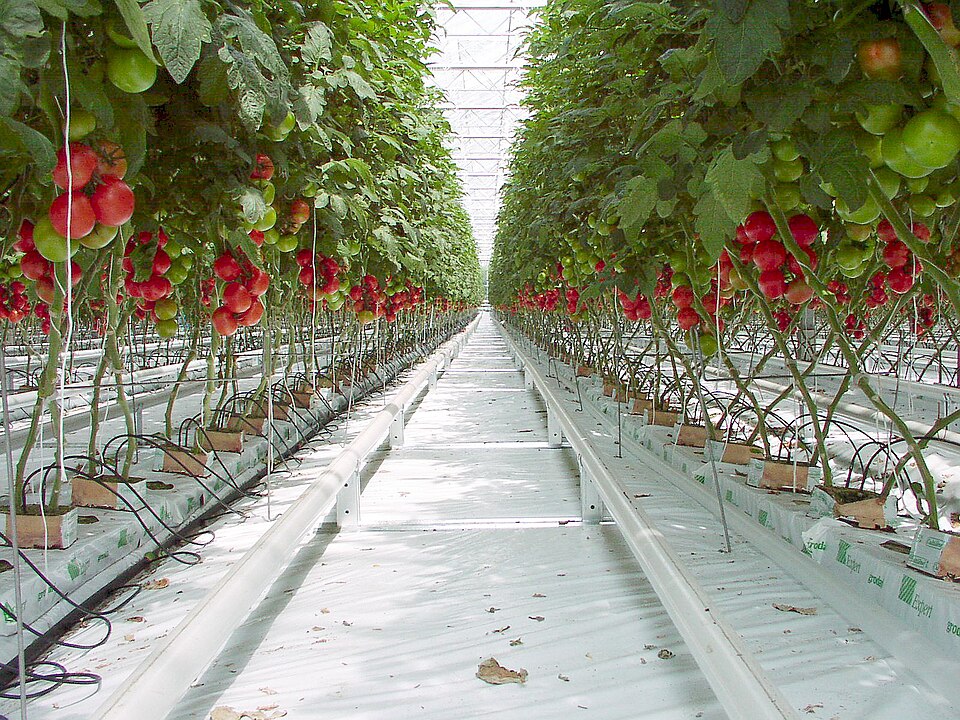
Priva and IUNU have integrated climate records and plant observations to produce rolling yield forecasts, giving greenhouse teams an earlier view of changing harvest volumes and operational requirements.
Source Priva
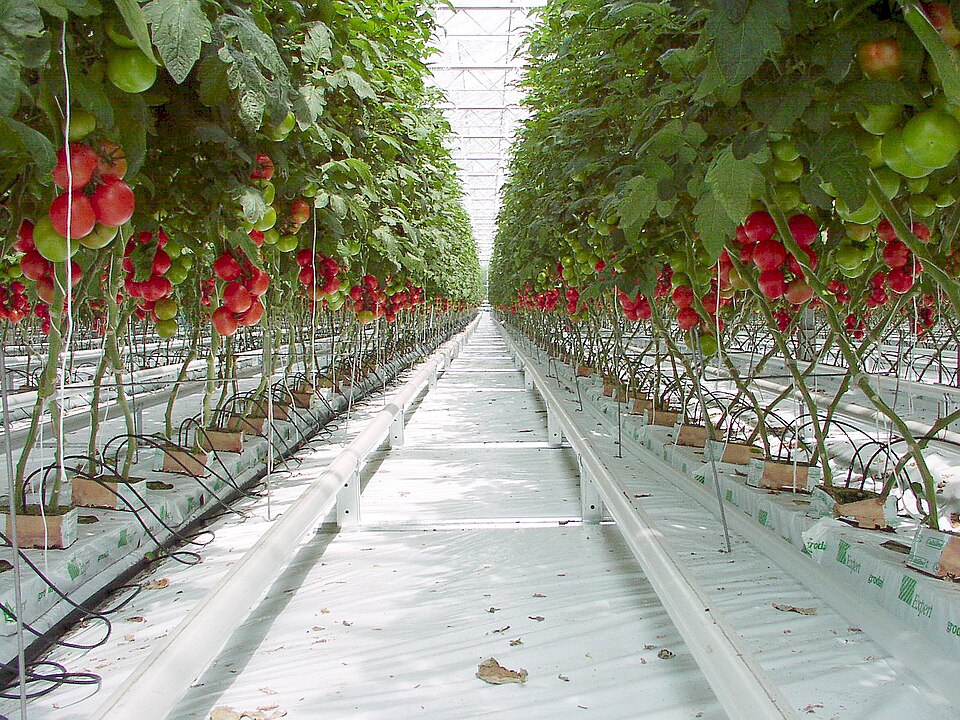
The University of Kentucky is evaluating diverse tomato material and combining field measurements with quality and consumer research to develop varieties suited to local growers and changing production needs.
Source University of Kentucky
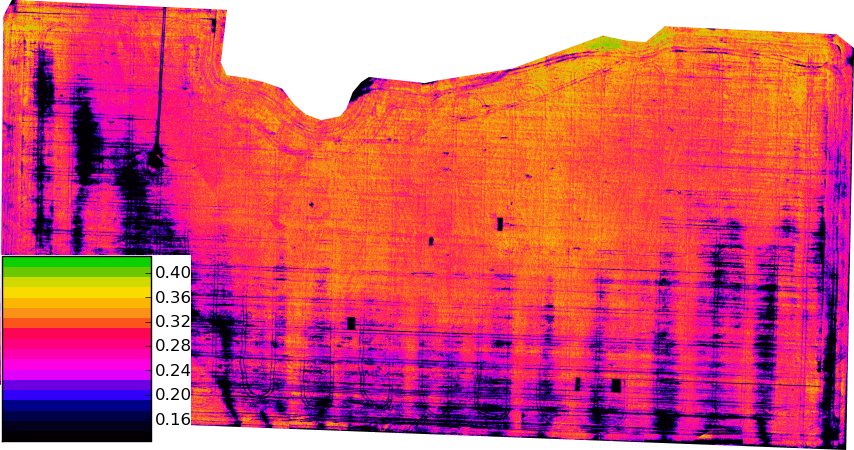
Montana State University combined satellite observations, drone LiDAR and field sampling to map wheat stem sawfly damage, reporting useful pre-harvest predictions in two commercial spring-wheat fields during 2025.
Source Montana State University (publication day unspecified; checked 24 October 2026)
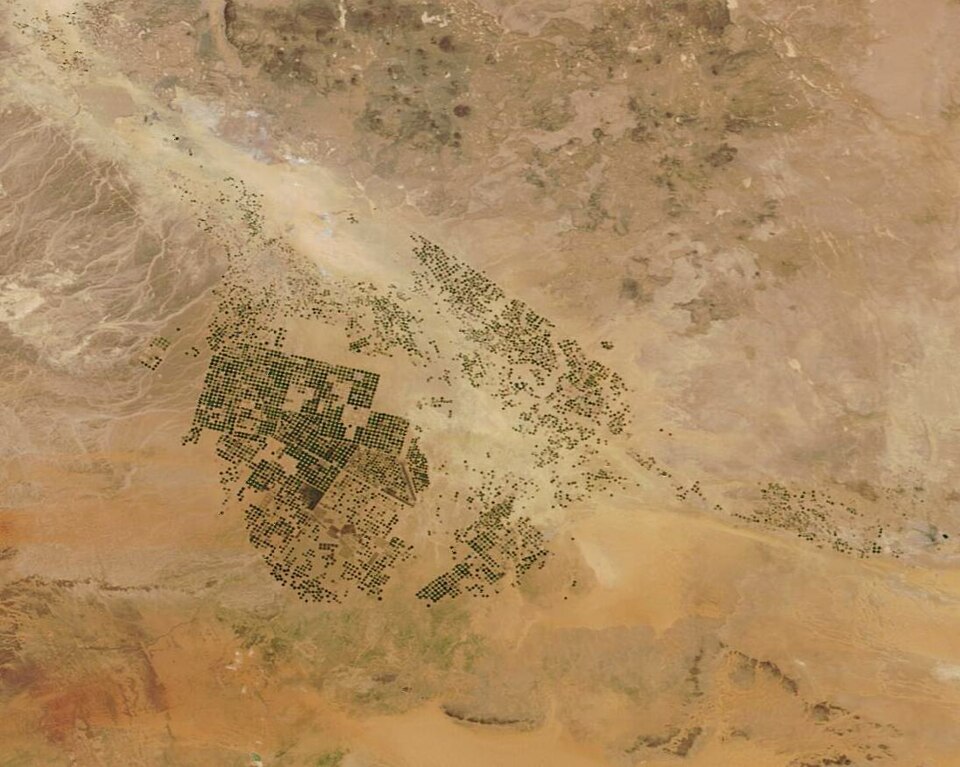
Two open-source models from NASA Harvest and Agmatix interpret vegetation-index time series to estimate current crop stages and separate successive growing cycles, supporting satellite-based agricultural monitoring across different crops.
Source NASA Harvest
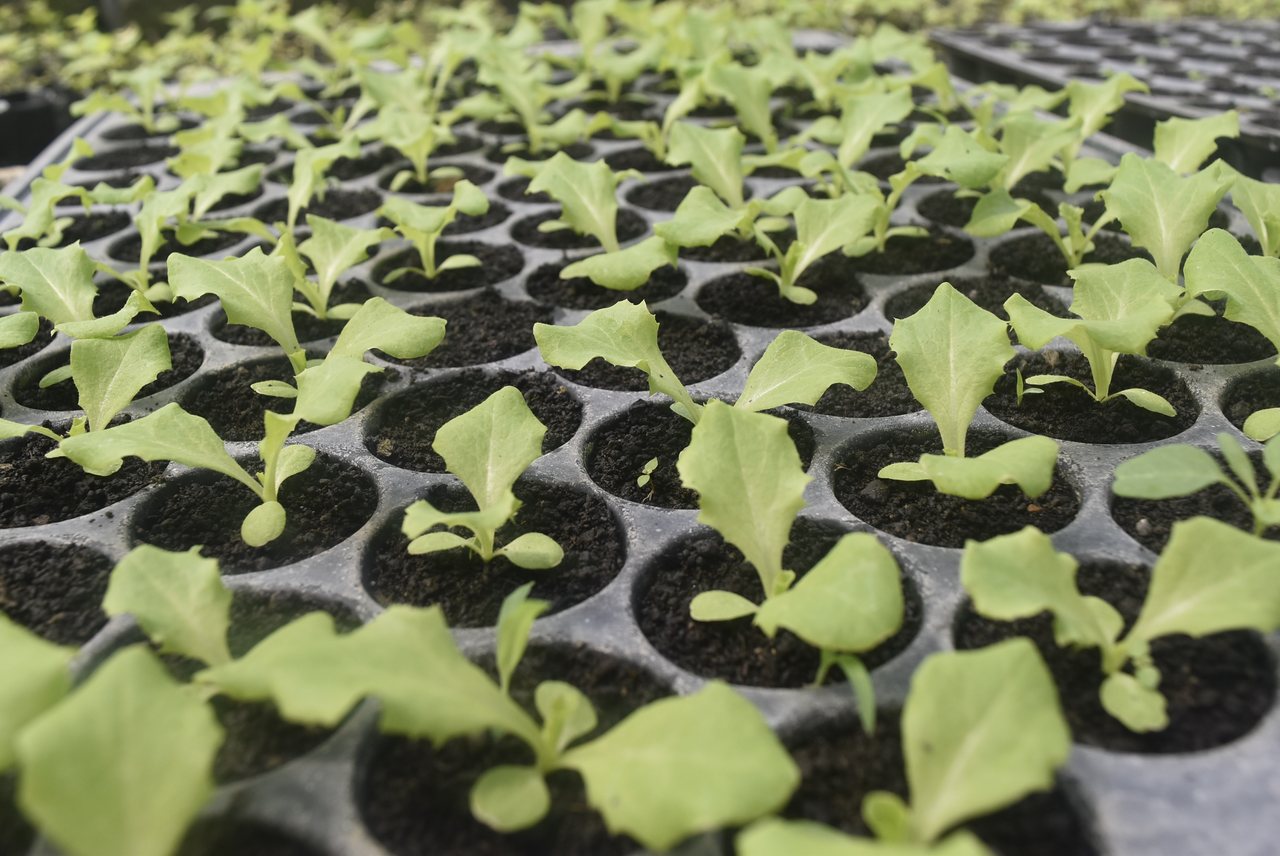
Cambridge and Berkeley researchers found that removing antenna protein CP26 changes photosynthetic behaviour through structural effects, challenging assumptions about its direct role in dissipating excess absorbed light energy.
Source Crop Science Centre, University of Cambridge (publication day unspecified; checked 24 October 2026)
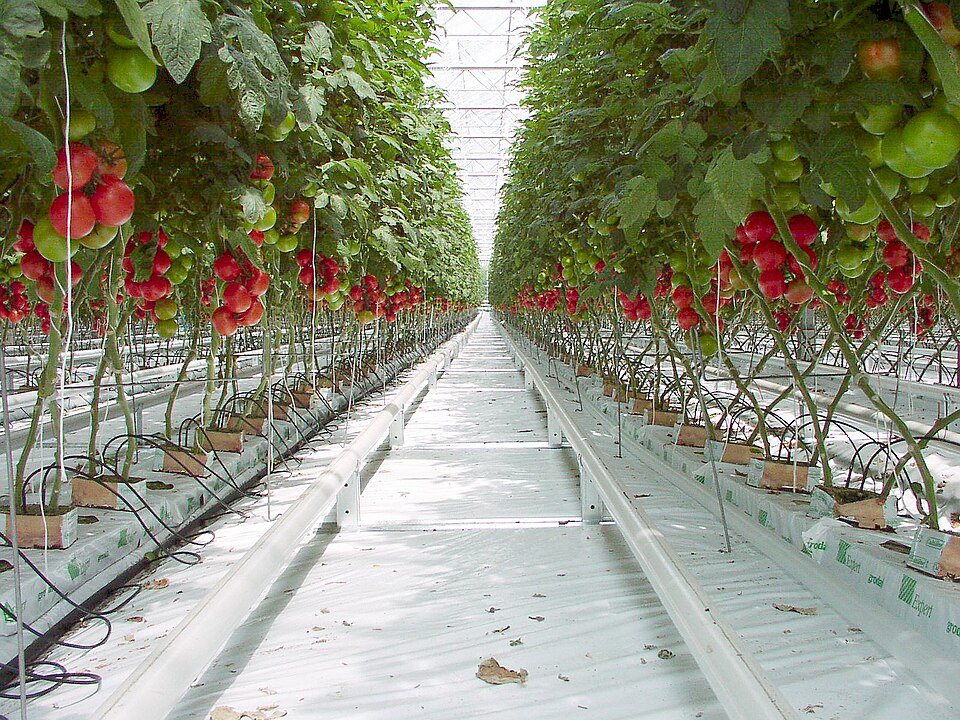
Agri-OpenCore concluded with a robotic tomato-harvesting demonstration in Kent, connecting work on open ROS 2 software, digital twins and harvesting platforms with a commercial greenhouse setting.
Source Agri-OpenCore consortium
Defra and Innovate UK announced £20 million for collaborative development of agricultural robots and automation, covering crop production and extending the competition to livestock and selected forestry applications.
Source Defra and Innovate UK
UC Davis researchers have linked a natural change in the PvMYB26 gene to reduced bean-pod shattering, offering genetic information that may help breeders work with domesticated beans and their wild relatives.
Source UC Davis Department of Plant Sciences
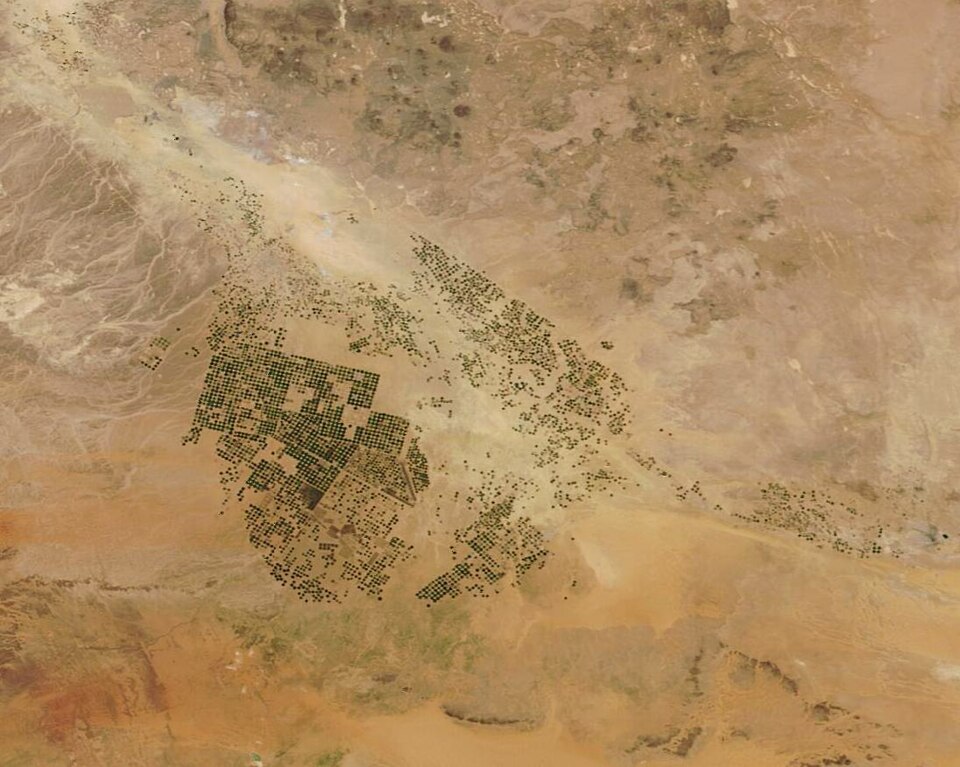
NASA Harvest, Mathematica and the University of Maryland are developing an AI decision-support platform intended to connect research findings with local agricultural conditions, initially in Ethiopia, Kenya and Nigeria.
Source NASA Harvest
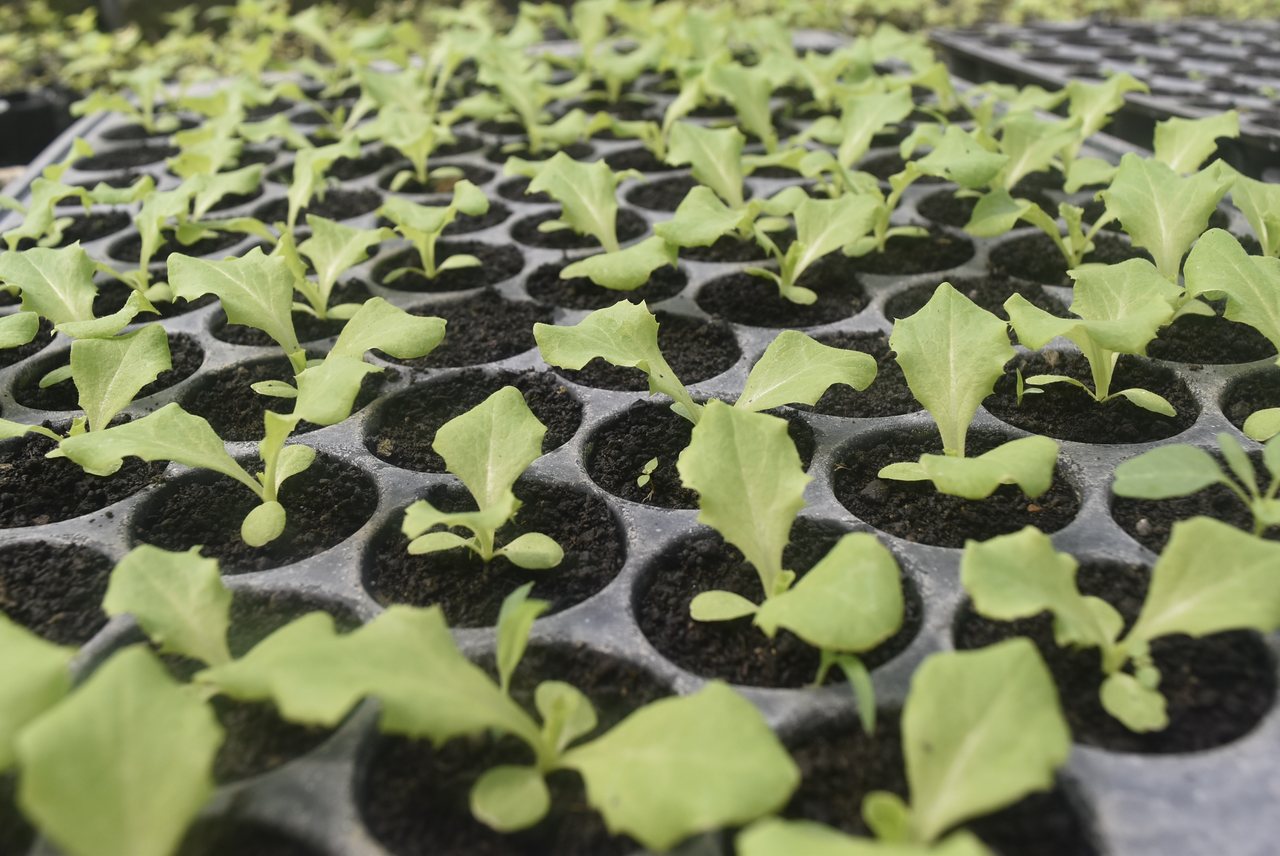
A University of Idaho-led research collaboration is developing harvest-integrated measurements and AI models to connect crop genetics with stalk strength, aiming to improve breeding for resistance to bending and breakage.
Source University of Idaho
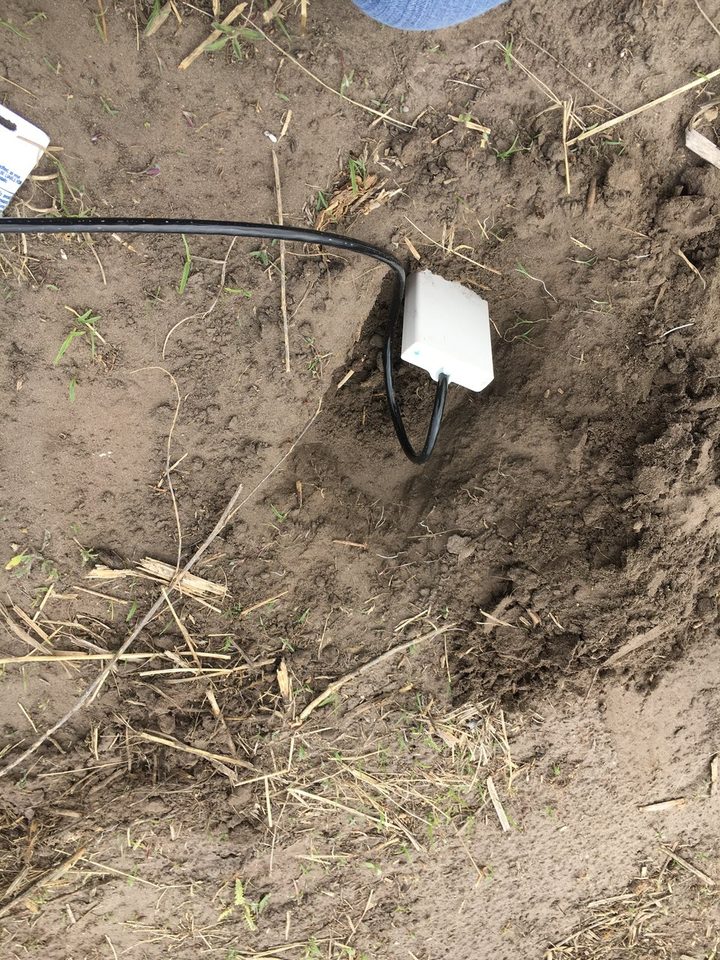
A University of Maryland farm partnership is using buried moisture sensors and phone alerts to guide irrigation, with growers reporting postponed watering and energy savings while final harvest outcomes remained unmeasured.
Source University of Maryland