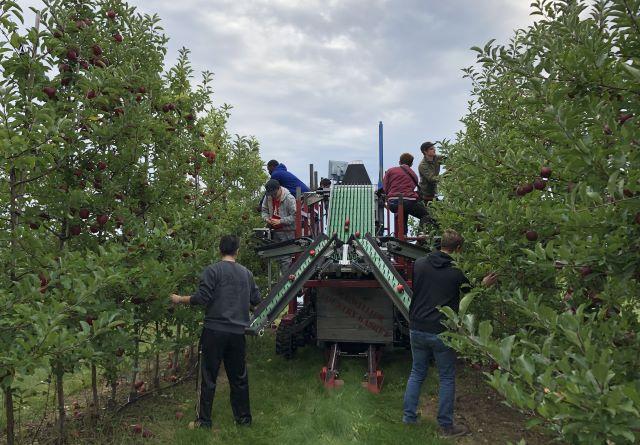
Cornell-linked Ficio tests in-orchard apple quality sorting
Ficio’s FieldSorter system uses machine vision to assess apple defects in orchard rows and connect grade information to the trees where fruit was grown.
Source Cornell Chronicle
Following the machines, people and ideas shaping agriculture. Selected developments, clear context and a link to the original source.
Robotics. Intelligence. Agriculture.
463 stories matching “AI”.
Ficio’s FieldSorter system uses machine vision to assess apple defects in orchard rows and connect grade information to the trees where fruit was grown.
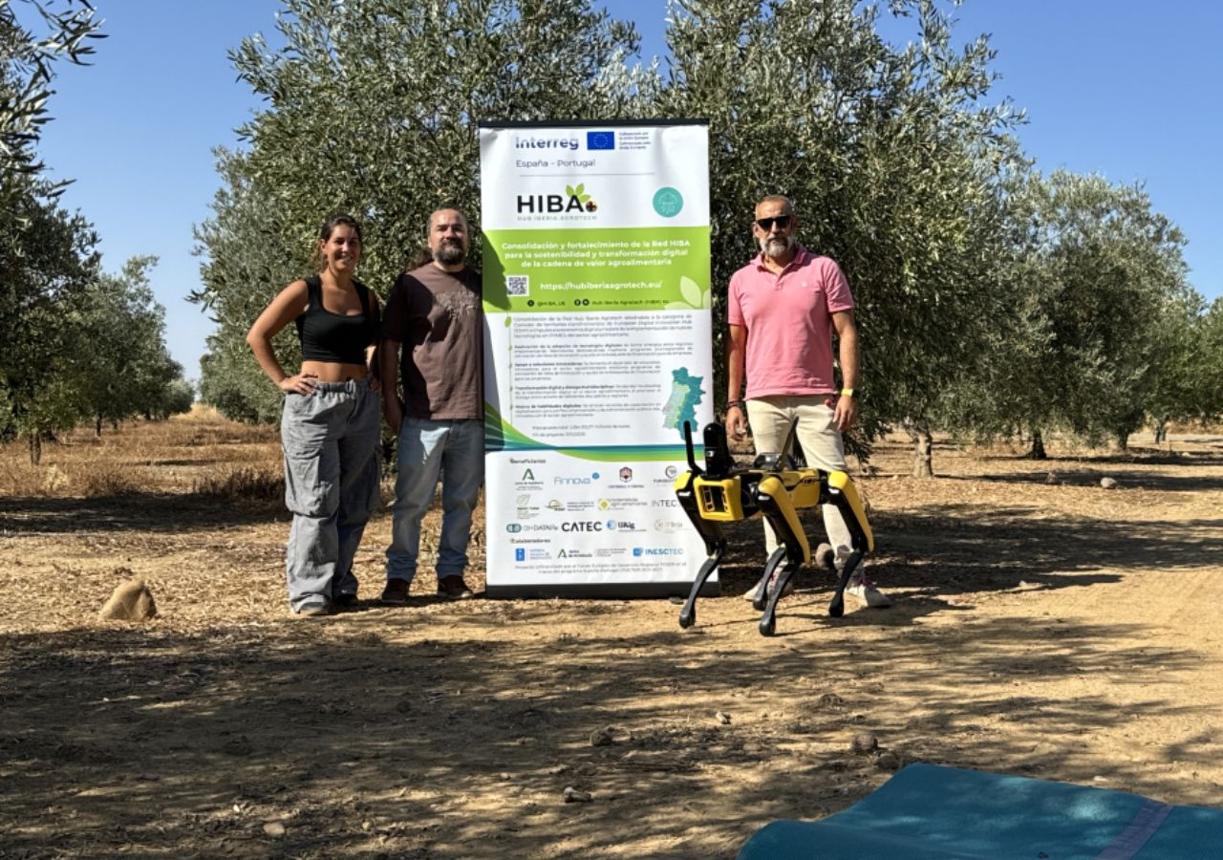
Spanish food-technology centre CTAEX demonstrated a four-legged autonomous platform intended for crop monitoring in vineyards and protected berry production.
A new study reports that plant architecture—including stalk length and fruit position—can markedly affect cucumber-harvesting robot performance.
A three-year study of fruit-growing operations finds that AI-enabled machinery changes agricultural work rather than simply removing the need for skilled people.
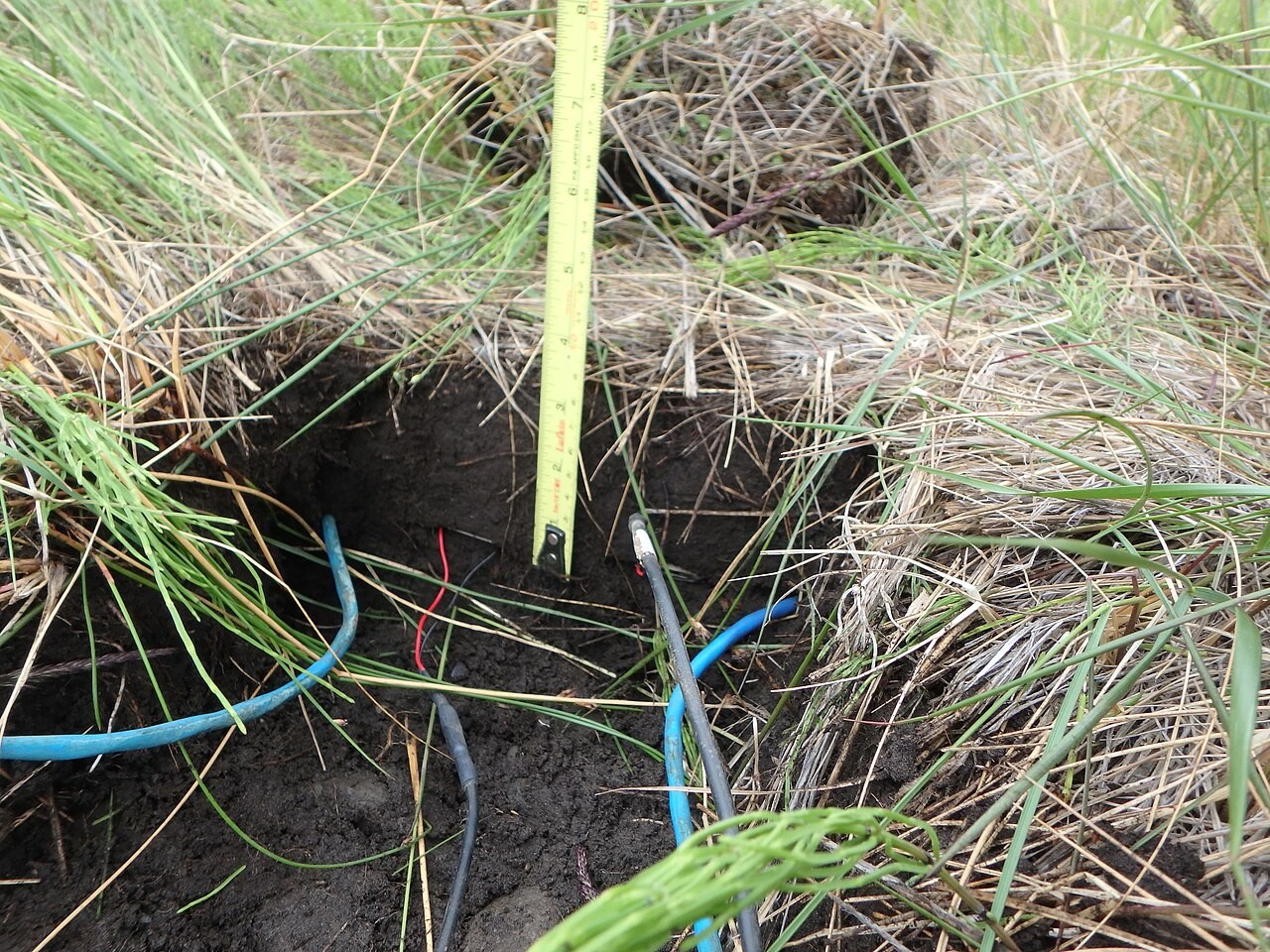
Brazilian researchers compared several soil-sensing methods across three farms, finding that carefully chosen combinations could retain useful predictive performance while avoiding the complexity of adding redundant measurements.
CropX will supply soil, weather and water-use monitoring to an eight-year New Zealand programme comparing regenerative and conventional farming through a full potato rotation at Lincoln University.
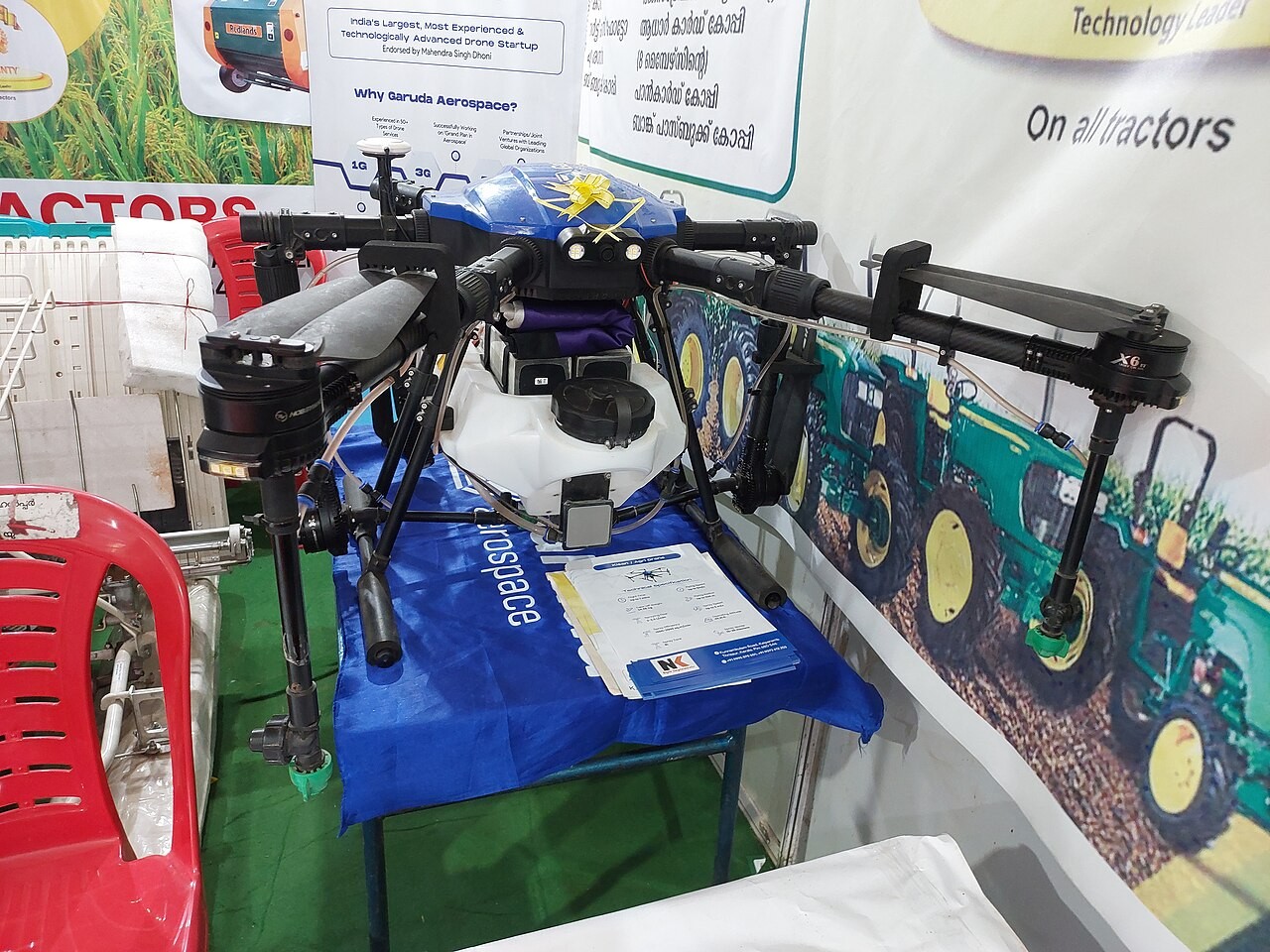
DJI announced the Agras T55 and a dual-battery spraying configuration for the T100, expanding its agricultural drone range with updated sensing and application hardware whose availability varies by region.
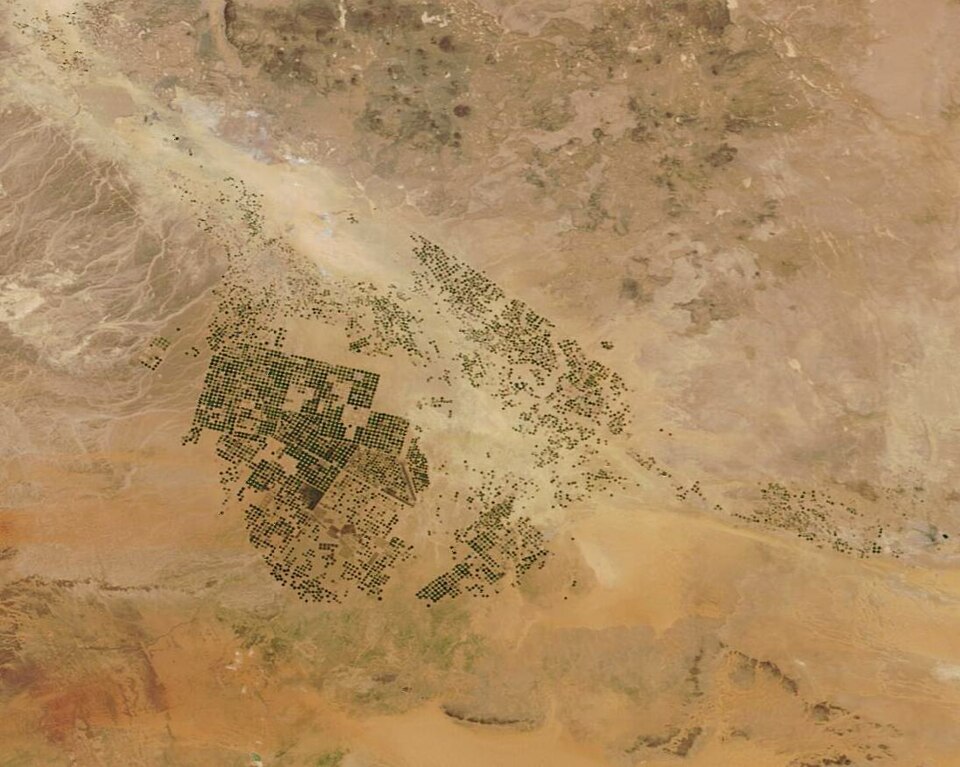
University of Washington researchers combined a global canal map with SWOT satellite observations to assess water levels across extensive Asian irrigation networks, testing a new approach to monitoring agricultural infrastructure.
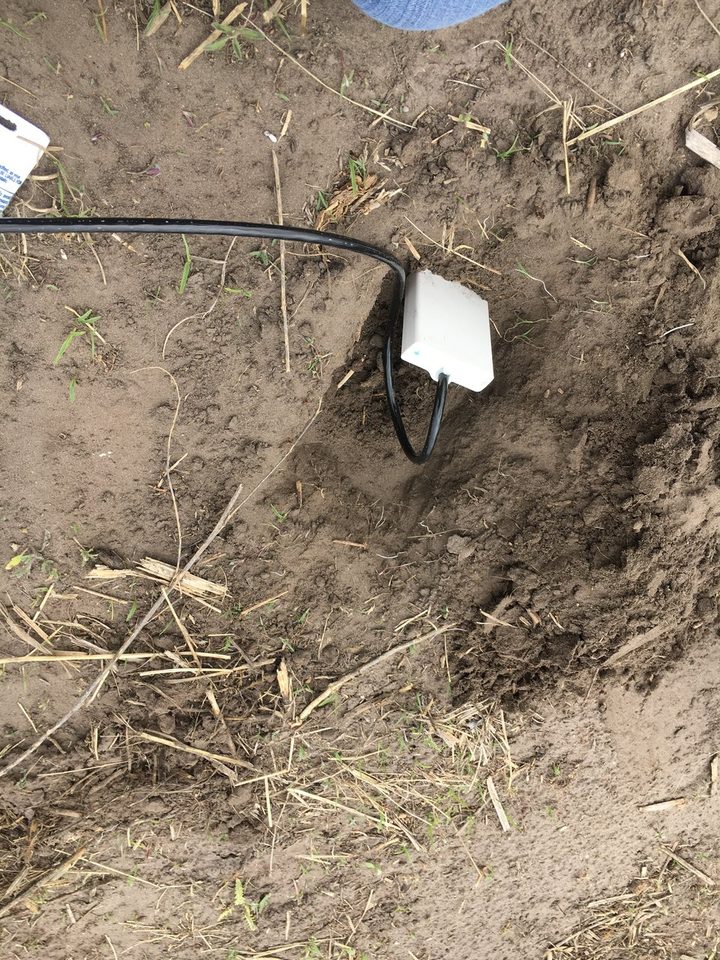
Purdue researchers developed nail-shaped probes that encode soil moisture and salinity in radio-frequency responses, allowing a drone-mounted reader to collect measurements without batteries or electronics inside each sensor.
The Australian Bureau of Statistics introduced experimental irrigation-water estimates combining satellite observations and environmental models, with a methodological break from earlier survey-based figures that limits direct historical comparisons.
KUHN introduced the KARAN trailed sprayer with active boom-height control and optional pulse-width-modulated spraying, combining attention to application geometry, individual nozzle control and filling workflows for larger field operations under variable conditions.
LEMKEN’s iQblue fan automation monitors intake pressure to estimate pneumatic seed-drill airflow, giving operators a feedback signal for fan adjustment and for identifying conditions that rotational speed alone can miss during work.