112 stories in Research & policy.
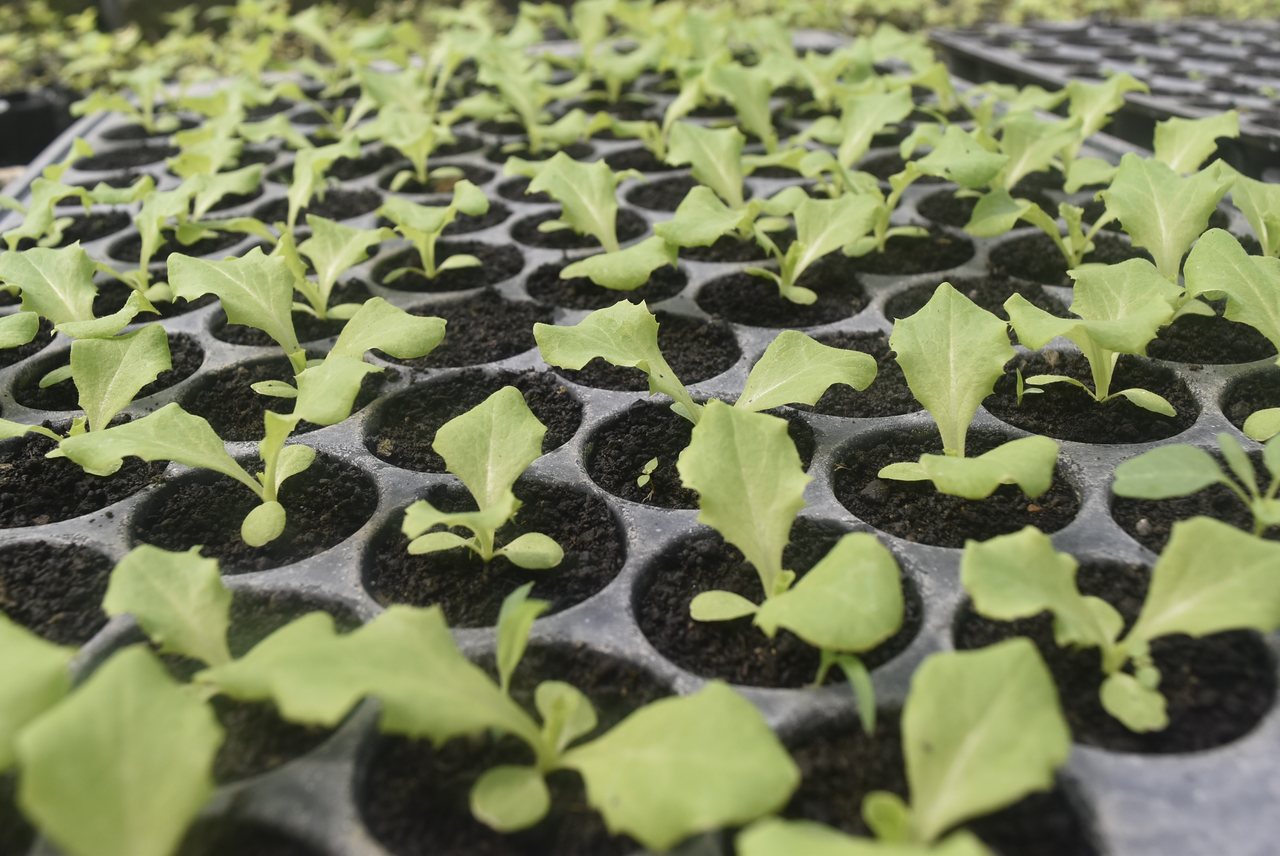
Participants at an Arkansas agriculture symposium argued that scientific reasoning and critical evaluation remain essential as AI becomes embedded in farm equipment, data analysis and the tools students will use professionally.
Source University of Arkansas System Division of Agriculture
University of Queensland scientists propose widening the genetic combinations and growing conditions examined in breeding programmes to uncover options for improving productivity and resilience as conventional gains slow.
Source University of Queensland
A three-year UC Davis study of 16 orchard operations found that robotic and AI tools still depend on human expertise, changing how work is organised rather than simply removing it.
Source University of California, Davis
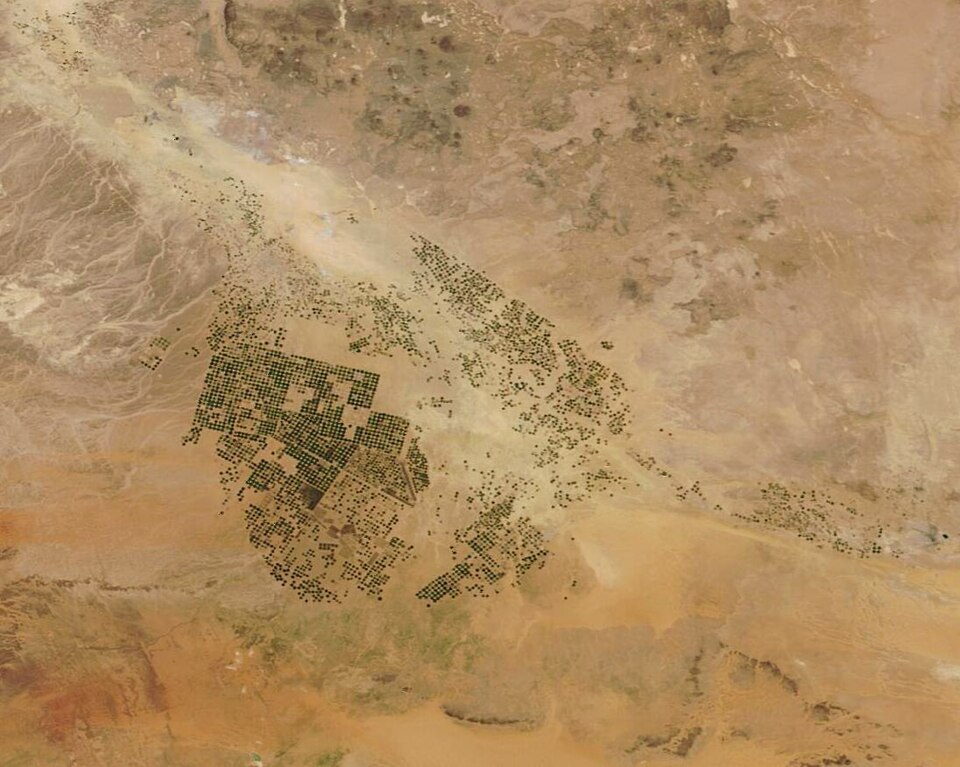
Rothamsted modelling suggests better nitrogen management could reduce energy-related farm carbon impacts in England, highlighting fertiliser production as an important source of emissions beyond fuel used directly on farms.
Source Rothamsted Research
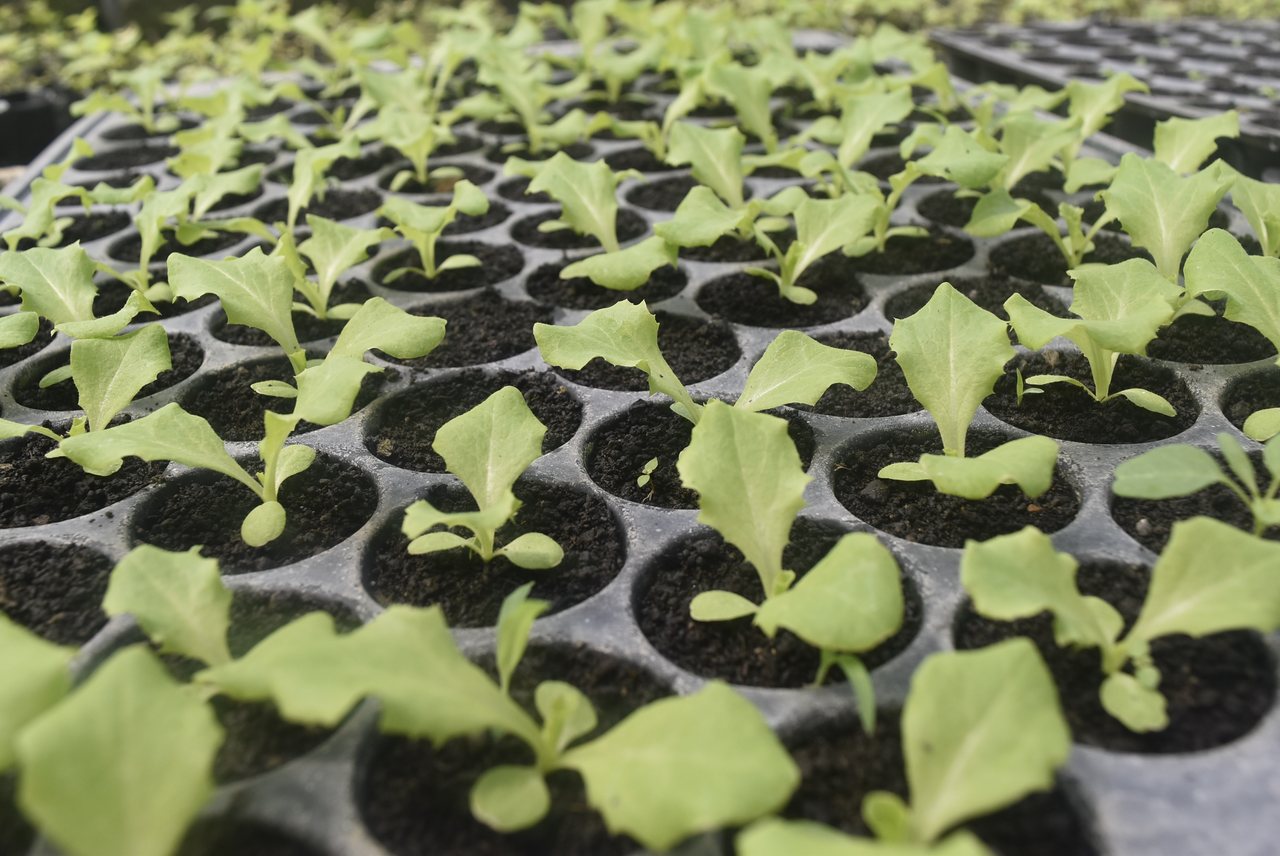
Cambridge researchers combined live imaging and gene-expression mapping to show that fungal structures inside rice roots differ in lifespan and nutrient-transfer activity, complicating simple measures of beneficial colonisation.
Source Crop Science Centre, University of Cambridge (publication day unspecified; checked 24 October 2026)
Cambridge and Berkeley researchers found that removing antenna protein CP26 changes photosynthetic behaviour through structural effects, challenging assumptions about its direct role in dissipating excess absorbed light energy.
Source Crop Science Centre, University of Cambridge (publication day unspecified; checked 24 October 2026)
A 56-hour microscopy sequence from Cambridge captures living mycorrhizal structures in motion, giving researchers a dynamic view of plant–fungal partnerships that static images could not previously provide.
Source Crop Science Centre, University of Cambridge (publication day unspecified; checked 24 October 2026)
A Cambridge–Solynta collaboration is developing virus-based delivery of gene-editing components in potatoes, aiming to reduce reliance on tissue culture while progressing towards stable, heritable edits in plants.
Source Crop Science Centre, University of Cambridge (publication day unspecified; checked 24 October 2026)
Cambridge and Copenhagen researchers found that elevated carbon dioxide strengthened rice reliance on beneficial fungi for phosphorus, with the PT11 transporter helping coordinate changes in root nutrient acquisition.
Source Crop Science Centre, University of Cambridge (publication day unspecified; checked 24 October 2026)
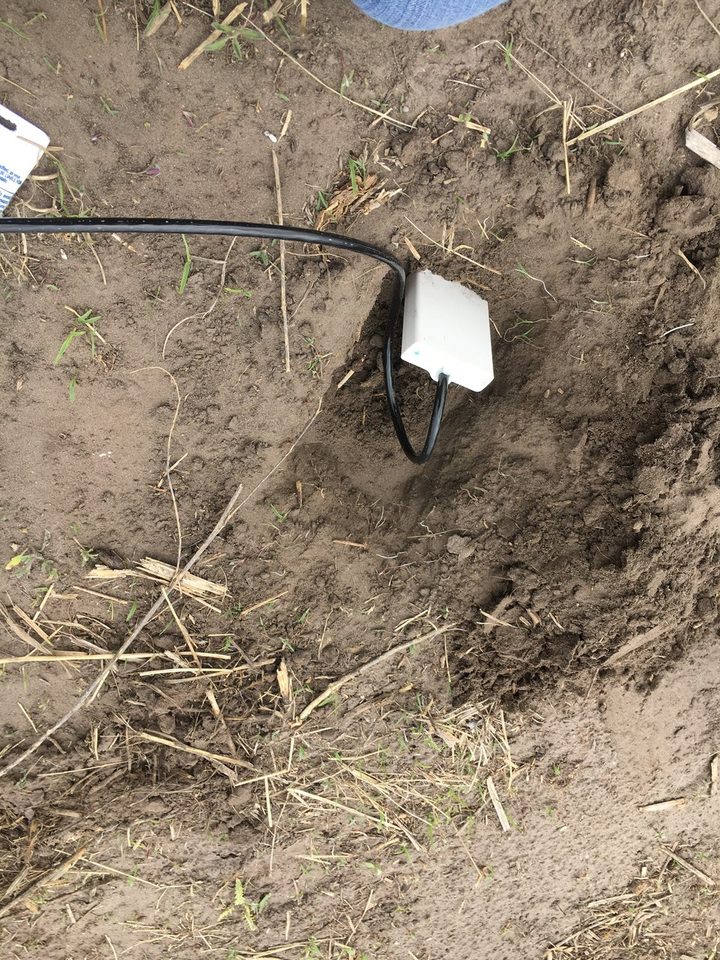
Eight Wageningen researchers received Vidi awards, including projects on soil fungi and crop PFAS contamination, recycled phosphorus availability during drought, and groundwater protection for food production.
Source Wageningen University & Research
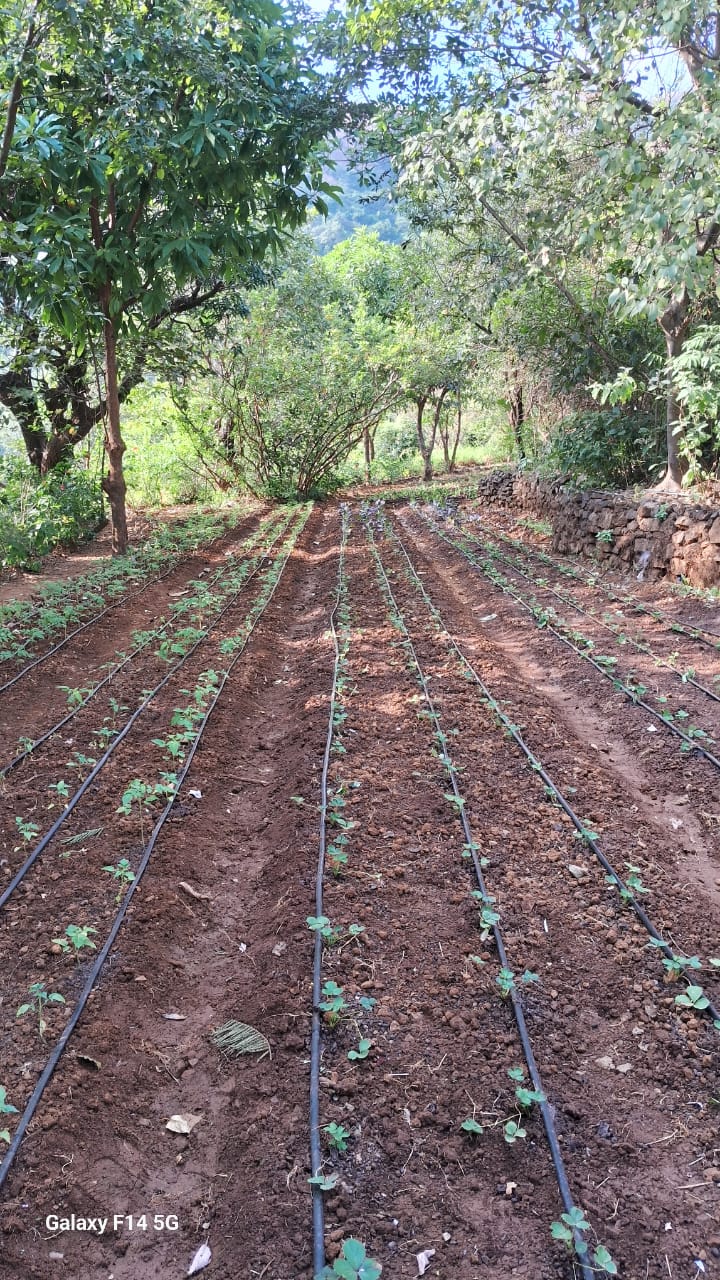
Wageningen researcher Inge de Graaf received a Vidi grant for SAFE-GROUND, a modelling project examining how climate extremes and water demand connect groundwater stress with food production and ecosystems.
Source Wageningen University & Research
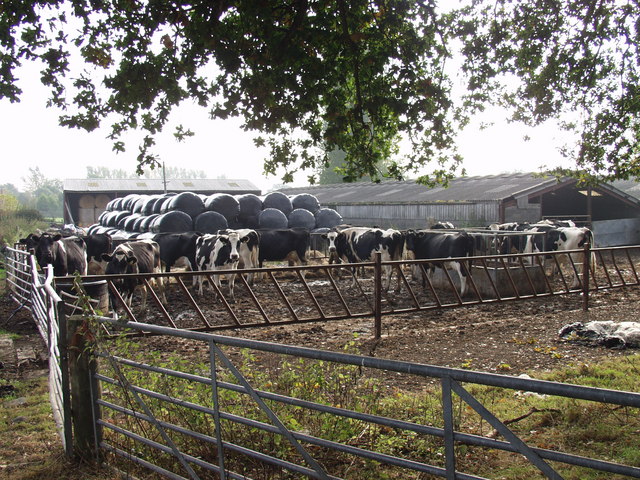
Wageningen researchers found changes in slurry composition after applying Kopros, suggesting possible emission benefits while stressing that ammonia reductions were inferred rather than measured directly in the cattle house.
Source Wageningen Livestock Research