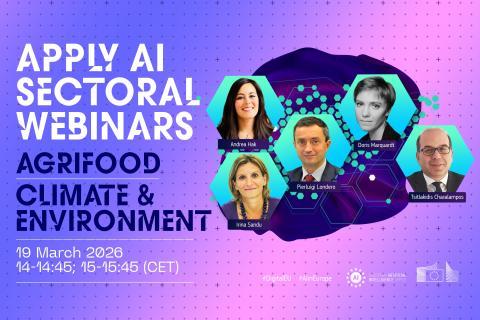
The European Commission’s 22 April report on an agrifood AI webinar identifies trust, vendor lock-in, cost-effectiveness and interoperability as obstacles to adoption. It outlines a proposed marketplace intended to help farmers, advisers and businesses discover and compare AI-enabled tools.
The report also connects agricultural AI development with the Common European Agricultural Data Space and the Agriculture of Data partnership. These initiatives are intended to improve access to usable data from sources including satellites, sensor networks and precision farming activities. Sector-specific foundation models are another stated investment direction.
The document describes policy measures and development intentions, rather than presenting an operational marketplace or verified improvement in farm profitability. The distinction matters when farms and startups assess what services they can use today.
This report introduces information from the credited sources. Technical and performance claims belong to the cited organization unless explicitly described as independently assessed. Our coverage is not a product endorsement.
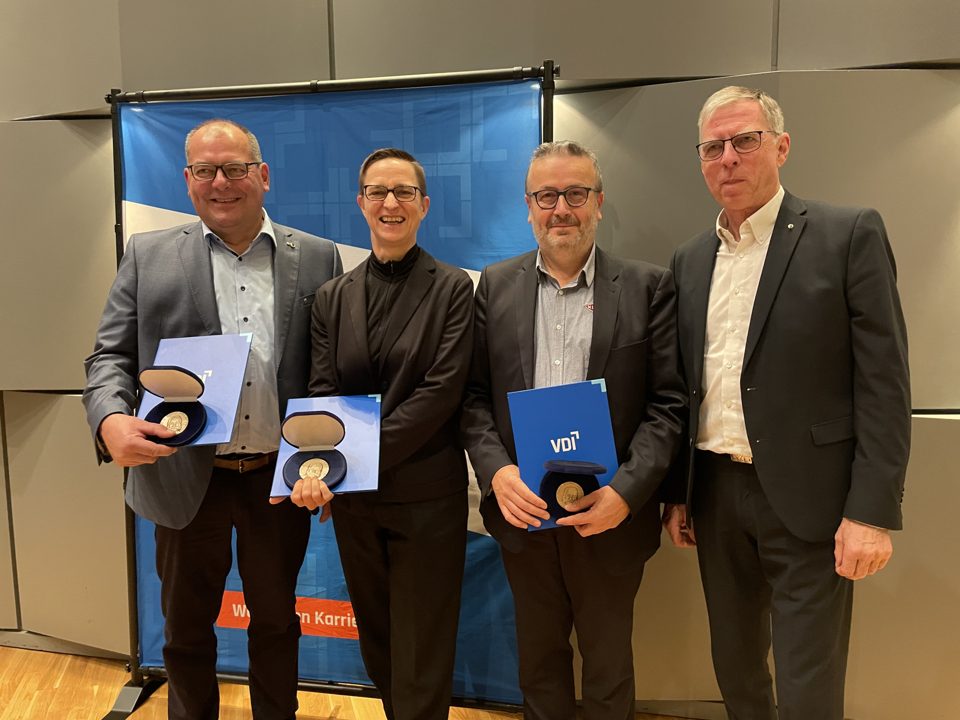
ATB agromechatronics researcher Cornelia Weltzien received the VDI Max-Eyth commemorative medal, recognising her contribution to agricultural digitalisation and training the next generation of agricultural engineers and researchers.
Source Leibniz Institute for Agricultural Engineering and Bioeconomy (ATB)
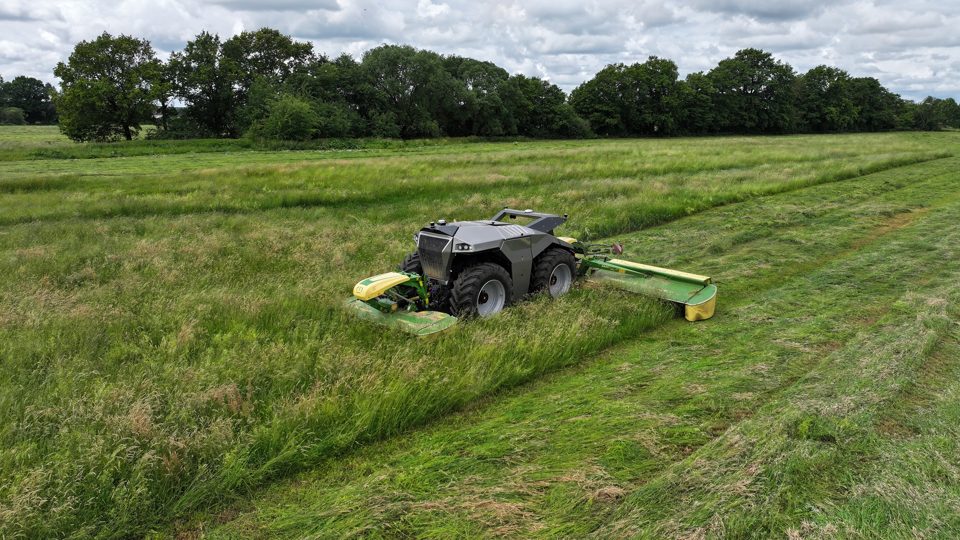
The KI-Reallabor Agrar programme brings ATB into an Osnabrück-led consortium, with five-year funding to develop and test agricultural AI in cooperation with researchers, businesses and farmers.
Source Leibniz Institute for Agricultural Engineering and Bioeconomy (ATB)
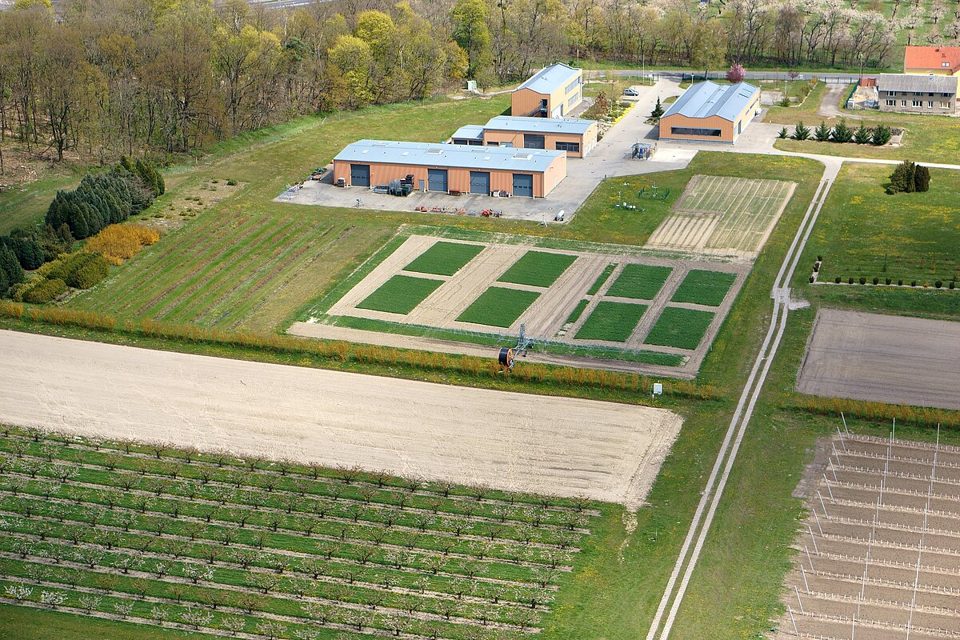
ATB marked ten years of its Fieldlab for Digital Agriculture in July 2025, highlighting an experimental site where researchers and partners can test crop-production technologies under field conditions.
Source Leibniz Institute for Agricultural Engineering and Bioeconomy (ATB)