Cambridge time-lapse reveals living plant–fungal interactions
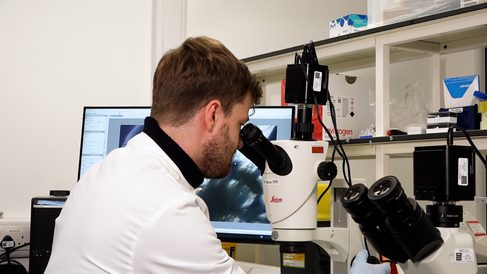
A 56-hour microscopy sequence from Cambridge captures living mycorrhizal structures in motion, giving researchers a dynamic view of plant–fungal partnerships that static images could not previously provide.
Source Crop Science Centre, University of Cambridge (publication day unspecified; checked 24 October 2026)