137 stories matching “Data”.
Precision farming
John Deere introduced JD, a question-and-answer AI assistant intended to help farmers interpret operational, field and machine information in its existing management platform.
Source John Deere
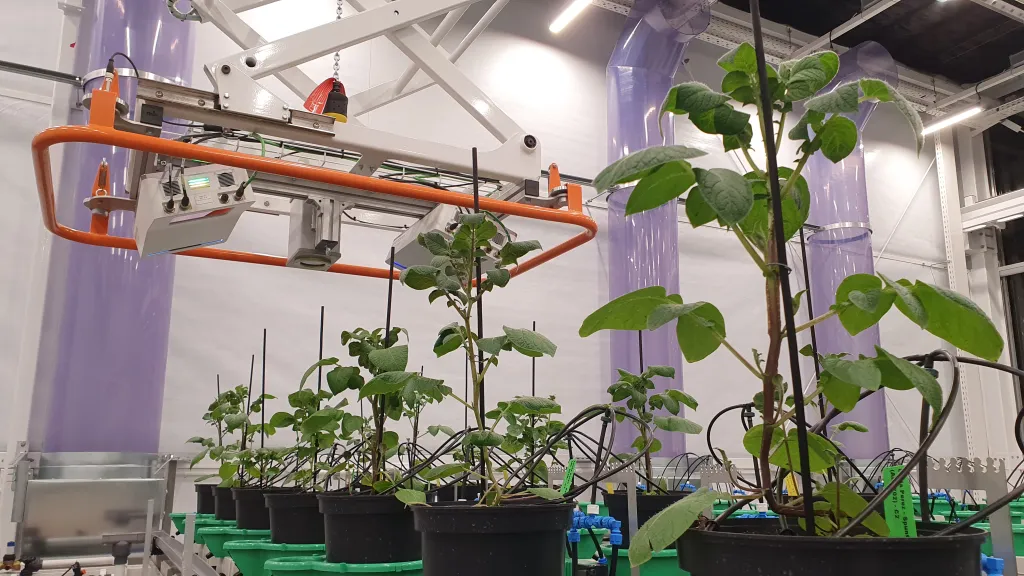
A Wageningen PhD project investigates robots that move their cameras and learn which viewpoint will provide better information about obscured plants.
Source Wageningen University & Research
Field robotics
TYM has introduced an autonomous paddy robot in South Korea that suppresses weeds by stirring water and sediment rather than applying herbicide.
Source TYM announcement reported by The Korea Herald
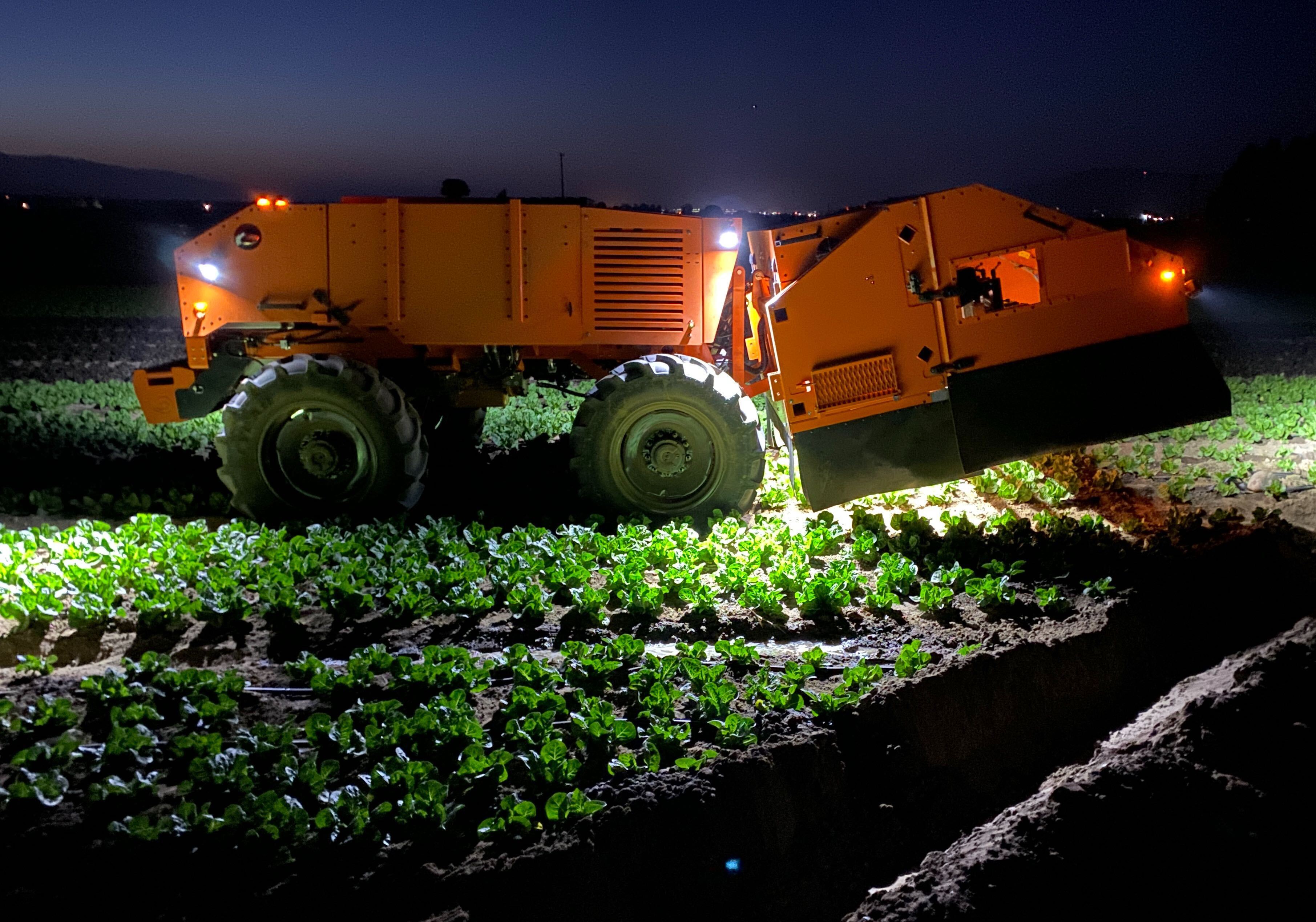
A site-specific cultivator study combines RTK-guided field operation with adaptive-control research and reports 96.5% efficacy measured by tillage length.
Source Precision Agriculture / NDSU and USDA-ARS researchers
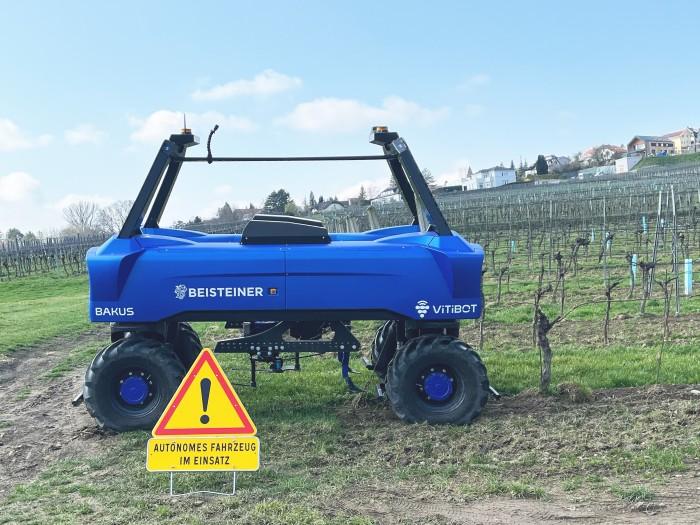
Researchers are using repeated LiDAR and panoramic mapping to build a vineyard digital twin that reflects seasonal changes affecting autonomous navigation.
Source JOANNEUM RESEARCH
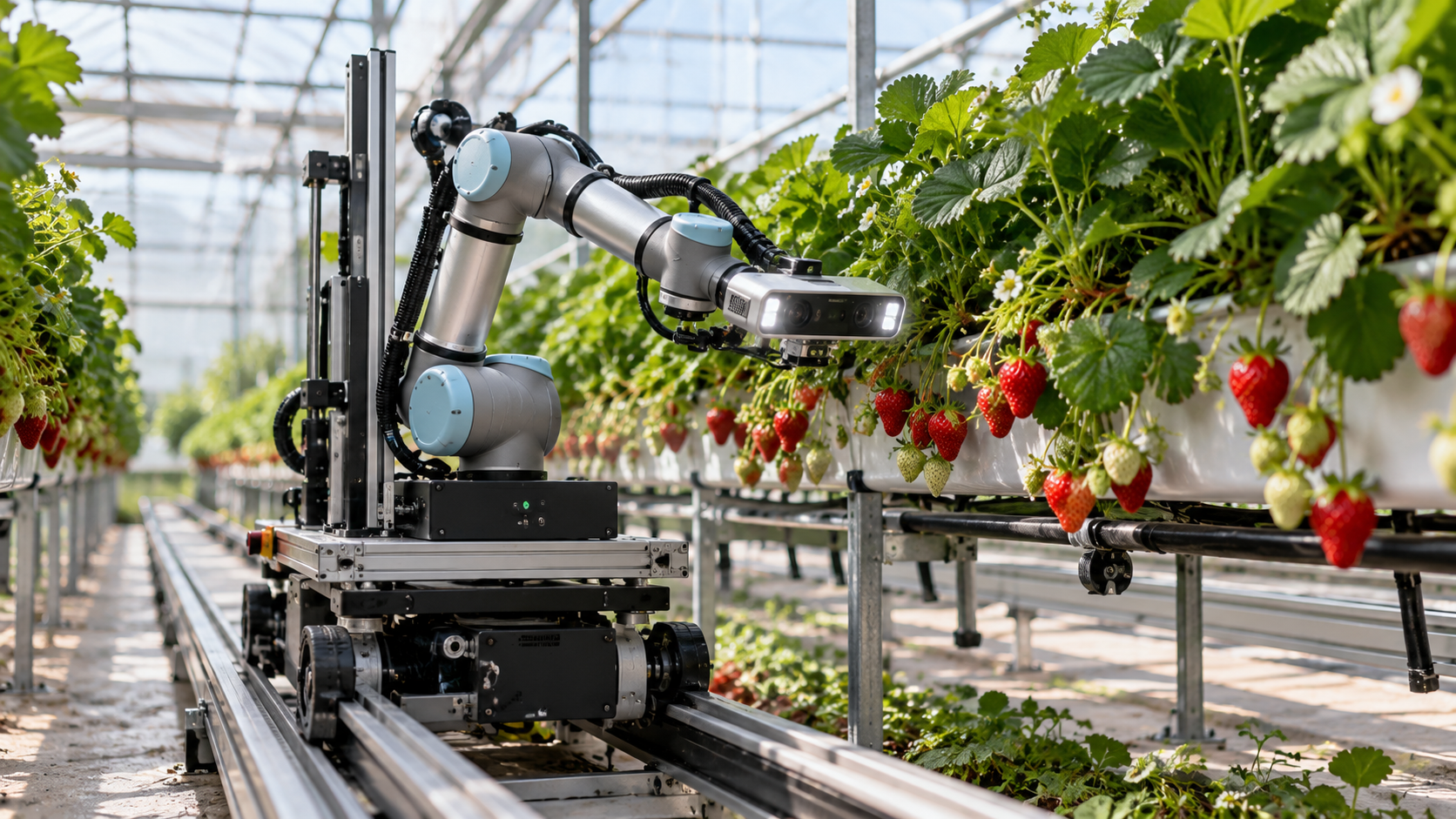
A 2026 research paper investigates a mobile data-collection robot designed to observe individual strawberry plants and support greenhouse harvesting decisions.
Source Cambridge University Press / Robotica
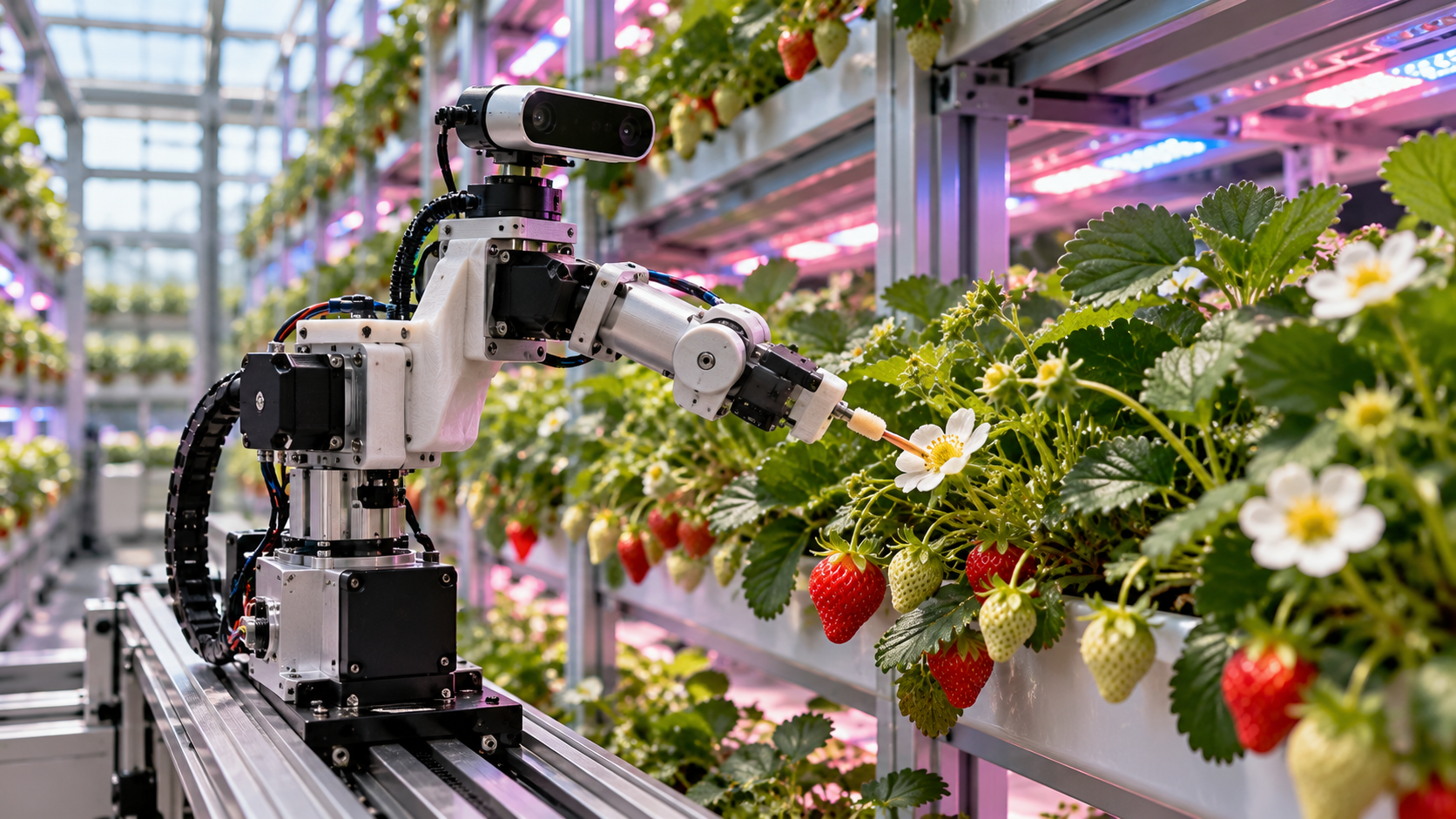
A conference paper outlines a vision-guided robotic pollination platform for strawberries grown in multi-tier urban-farm environments.
Source ADOP 2026 conference / Kaliningrad State Technical University
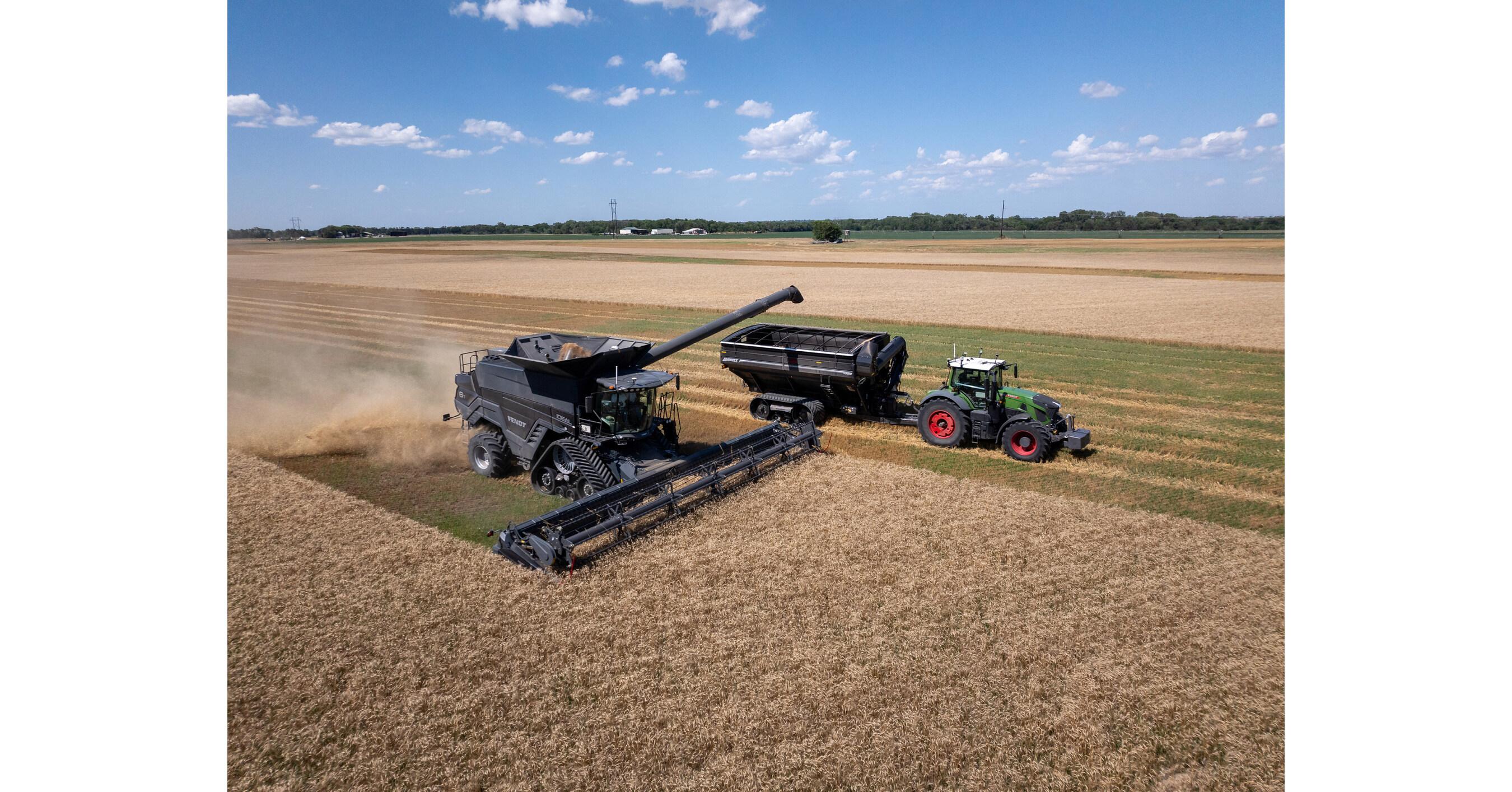
AGCO used its 2026 field technology event to show how autonomous operations, AI tools and equipment from different brands could work in a connected farm workflow.
Source AGCO Corporation
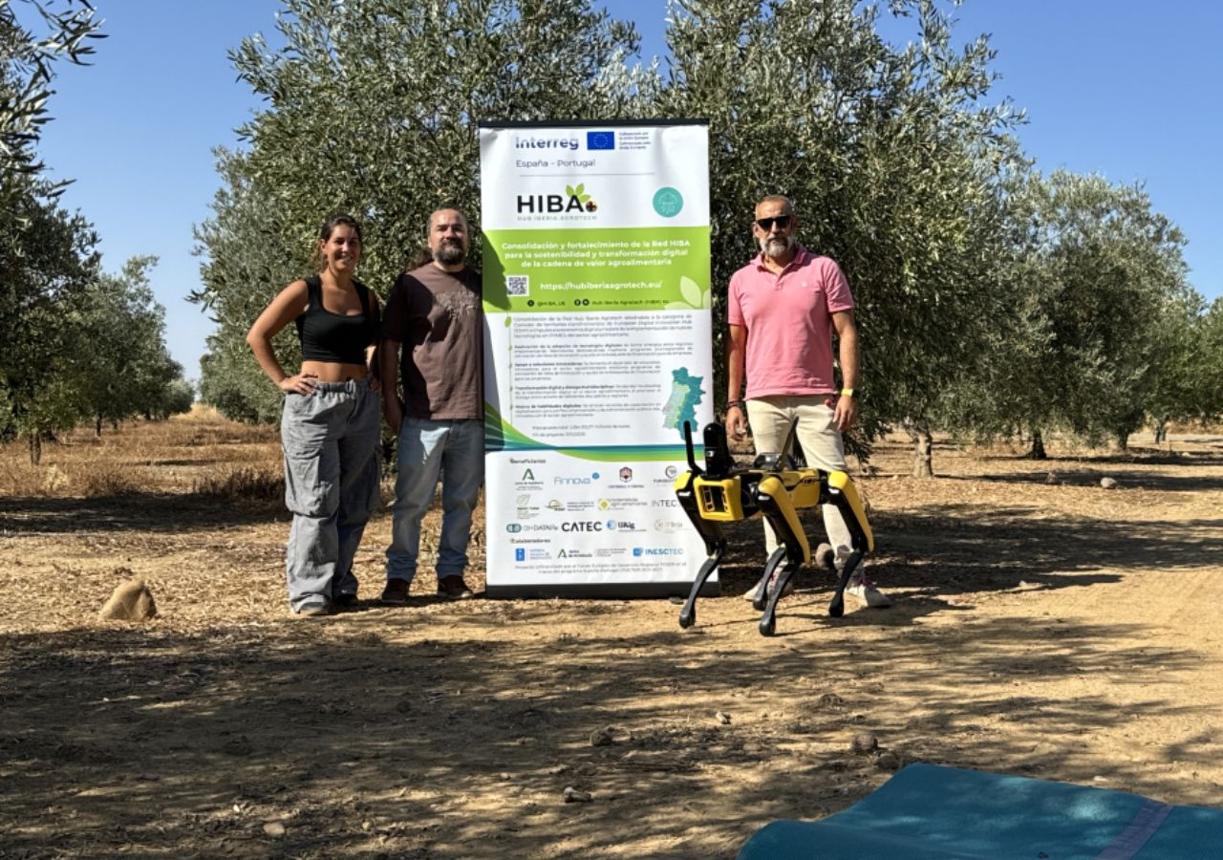
Spanish food-technology centre CTAEX demonstrated a four-legged autonomous platform intended for crop monitoring in vineyards and protected berry production.
Source CTAEX — Centro Tecnológico Nacional Agroalimentario
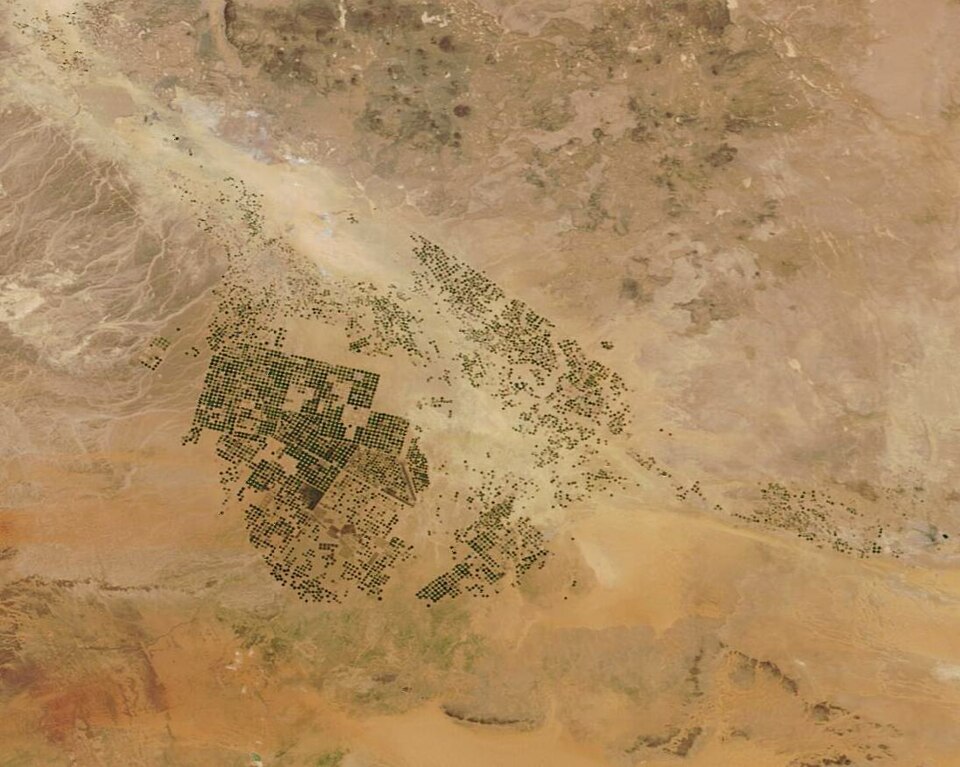
NASA reported that OpenET expanded its evapotranspiration data and tools across the contiguous United States, extending a service originally focused on western states to support broader agricultural water assessment.
Source NASA Science
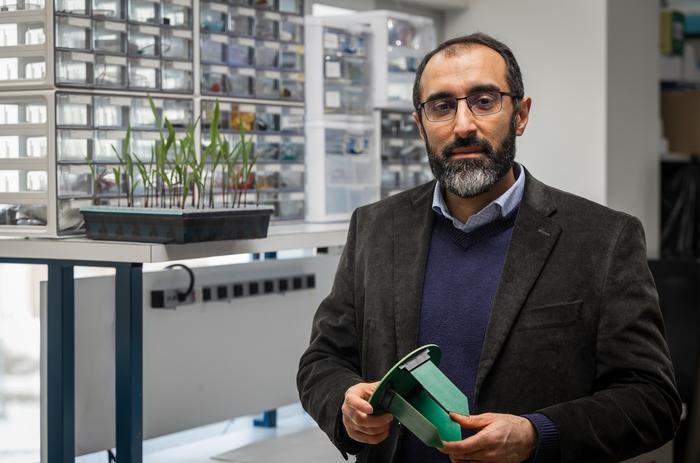
Purdue researchers developed nail-shaped probes that encode soil moisture and salinity in radio-frequency responses, allowing a drone-mounted reader to collect measurements without batteries or electronics inside each sensor.
Source Purdue University
The Australian Bureau of Statistics introduced experimental irrigation-water estimates combining satellite observations and environmental models, with a methodological break from earlier survey-based figures that limits direct historical comparisons.
Source Australian Bureau of Statistics