A September 2026 CGIAR account describes the expansion of mechanized direct-seeded rice with fertilizer deep placement in Vietnam. The IRRI-developed package uses air-assisted machinery to place seed near the surface while depositing fertilizer approximately three to four centimetres into the soil.
Cooperatives, manufacturers and local authorities have supported demonstrations, training and shared equipment access. The approach has also gained national technical recognition within Vietnam's wider low-emission rice programme.
CGIAR reports that pilot models across eight Mekong Delta provinces reduced seed rates by up to 65% and nitrogen use by up to 43%, with yield increases reaching 15%. These are reported maxima from participating pilots, not typical outcomes guaranteed throughout Vietnam. Further pilots have extended the approach into the Red River Delta.
This report introduces information from the credited sources. Technical and performance claims belong to the cited organization unless explicitly described as independently assessed. Our coverage is not a product endorsement.
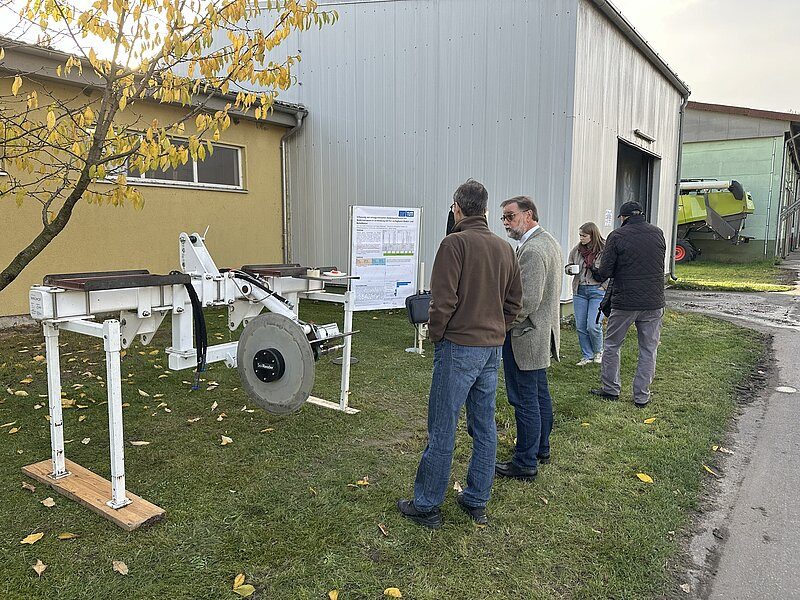
Three research projects brought farmers, advisers and researchers together at Leibniz InnoHof to examine digital nutrient management, soil sensor platforms and practical training tools through presentations and outdoor demonstrations.
Source Leibniz Institute for Agricultural Engineering and Bioeconomy (ATB)
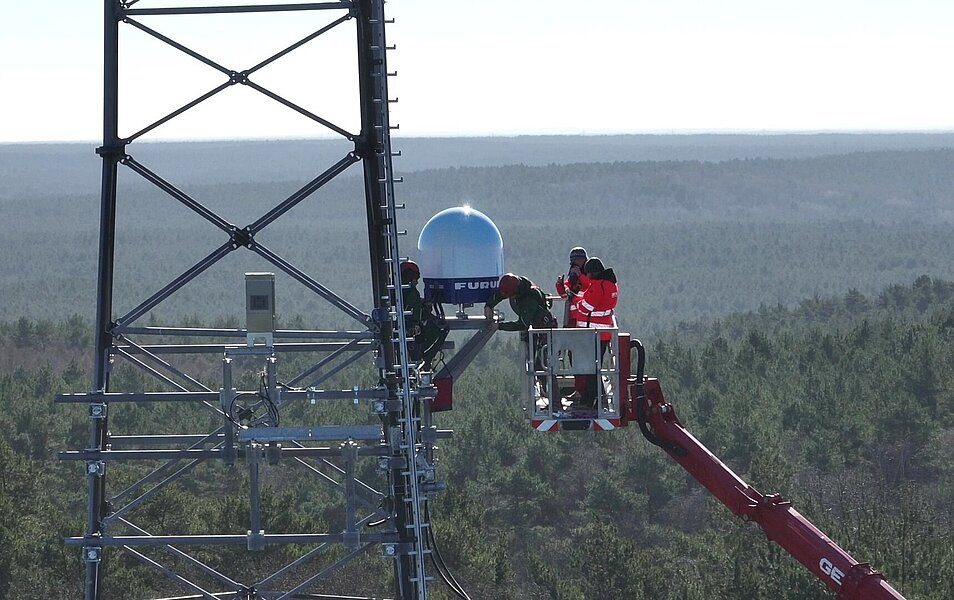
ATB and GFZ reported the installation of an AgroHyd-X rainfall radar in Brandenburg, combining local precipitation monitoring with farm measurements to develop more useful information for agricultural water management.
Source Leibniz Institute for Agricultural Engineering and Bioeconomy (ATB)
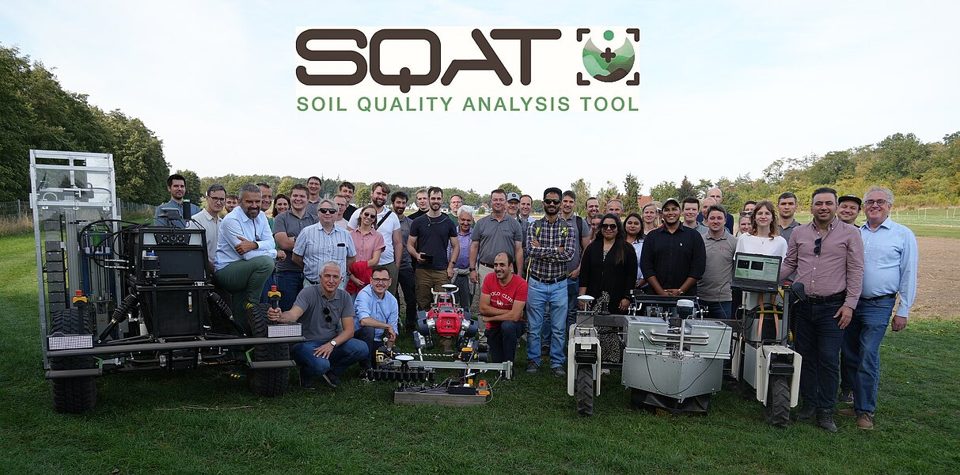
ATB’s October 2026 SQAT demonstration brought satellite observations, autonomous soil sensing and field-side analysis into a shared workflow aimed at more detailed information for site-specific farm management.
Source Leibniz Institute for Agricultural Engineering and Bioeconomy (ATB)