SMART’s DiSTAP researchers, working with Temasek Life Sciences Laboratory and MIT, reported a near-infrared nanosensor that distinguishes Fe(II) and Fe(III) in living plants. This matters because iron’s chemical form affects how it is absorbed and used, while a total-iron measurement does not reveal that distinction.
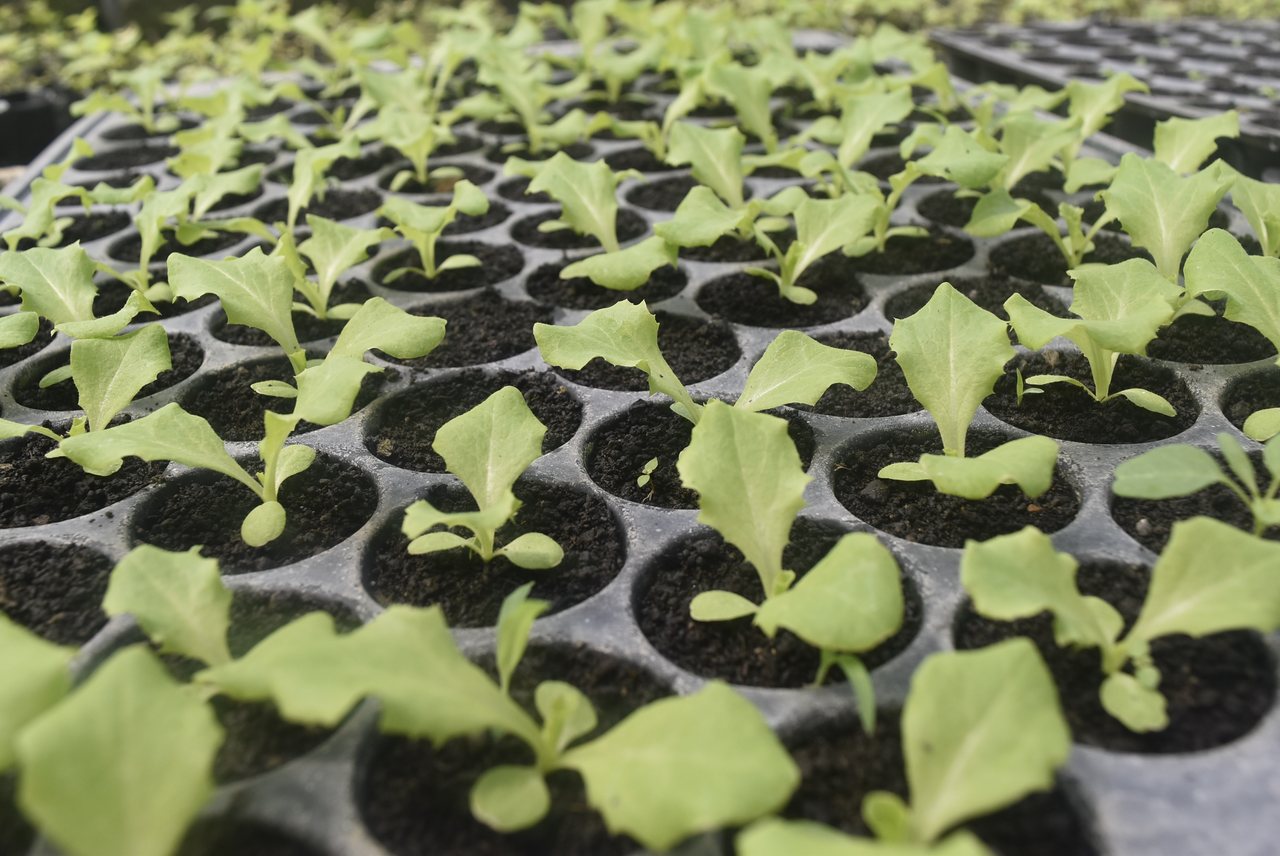
The sensor combines carbon nanotubes with a fluorescent polymer and was tested in spinach and bok choy. Researchers used the resulting optical signals to investigate iron uptake, movement and changes between forms without destructive sampling. The work, published in Nano Letters, supports plant-nutrition research; the announcement discusses precision fertilization as a potential application rather than demonstrated farm-scale savings.