Penn advances biodegradable sensors and a leaf-sensing startup through IoT4Ag
Penn describes inexpensive soil and leaf sensors, field communications and a startup working to reveal crop stress before visible damage becomes widespread.
By Adaptive AgroTech editorial deskSource date Published on World
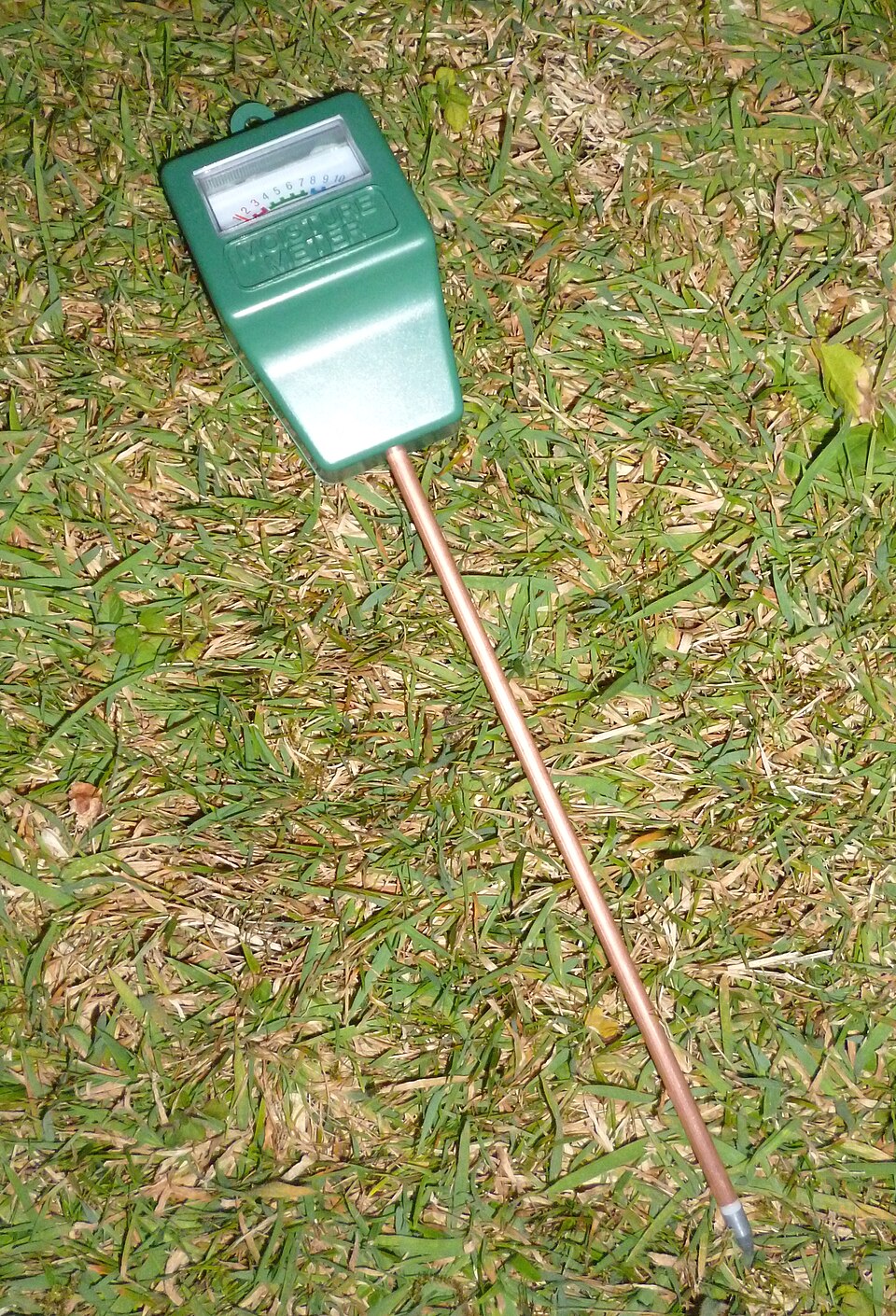
Penn's Internet of Things for Precision Agriculture centre outlined its latest sensing work on 12 October. Researchers are developing biodegradable soil devices that respond to radio signals and adhesive leaf sensors with optical readouts for conditions such as humidity and pH. Around one cent per device is a design target, not a retail price.
The programme brings Penn together with Purdue, the University of Florida and UC Merced. Purdue's solar-powered SPRING gateways address field communications, while cameras on robots or existing machinery could read leaf stickers.
Penn reports a further four years of NSF support and identifies Vividence Labs, co-founded by former postdoctoral researcher Akhila Mallavarapu, as a route towards commercialising leaf sensors. Demonstrating practical value on farms remains part of the work ahead.
This report introduces information from the credited sources. Technical and performance claims belong to the cited organization unless explicitly described as independently assessed. Our coverage is not a product endorsement.
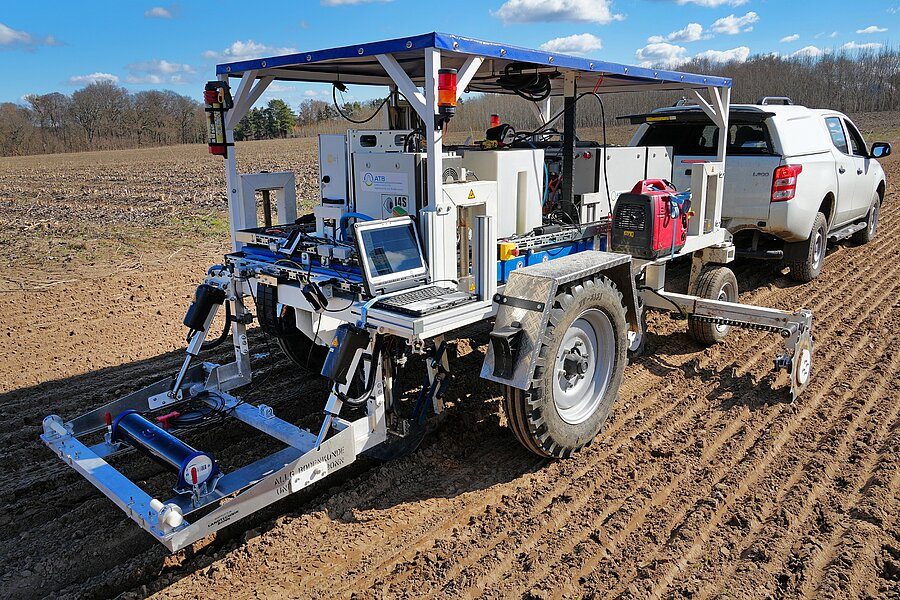
ATB and the Ferdinand-Braun-Institut integrated Raman spectroscopy into a mobile soil platform, demonstrating measurements during movement and opening a route toward more detailed maps for future precision fertilisation.
Source Leibniz Institute for Agricultural Engineering and Bioeconomy (ATB)
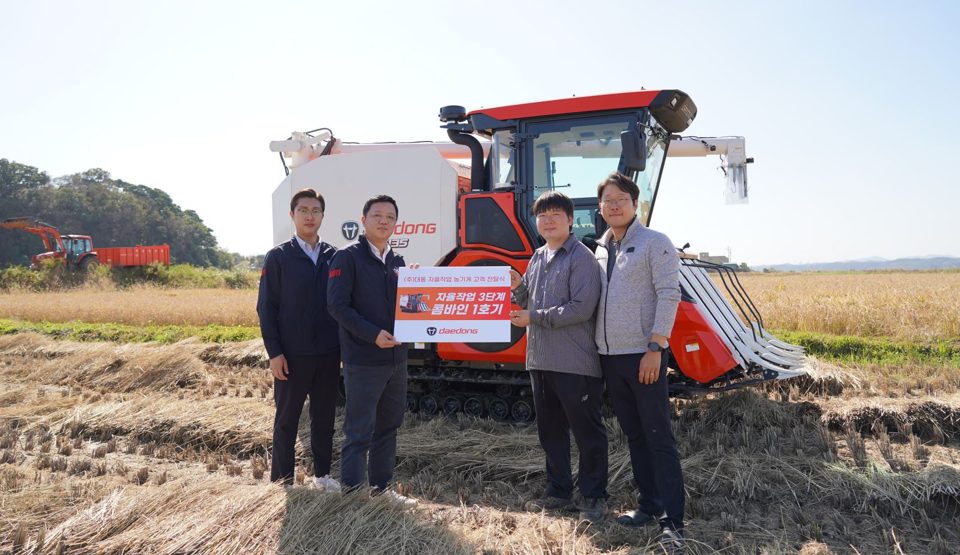
Daedong’s October 2023 DH6135-A launch linked automated combine operation with yield measurements that could be reviewed through its connected-farming application, bringing navigation and agronomic records onto one machine.
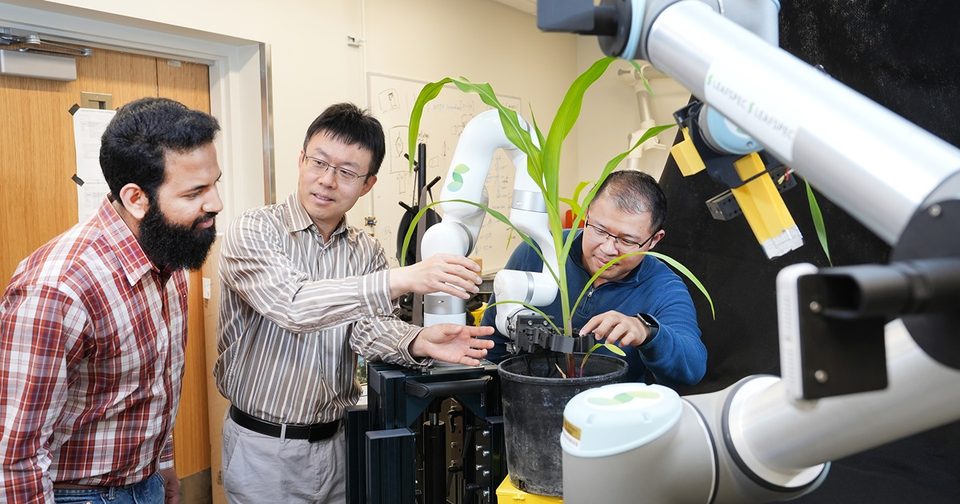
Purdue researchers linked LeafSpec imaging with a two-arm laboratory system in June 2024, using tactile feedback to steady corn plants and guide a scanner along their leaves.