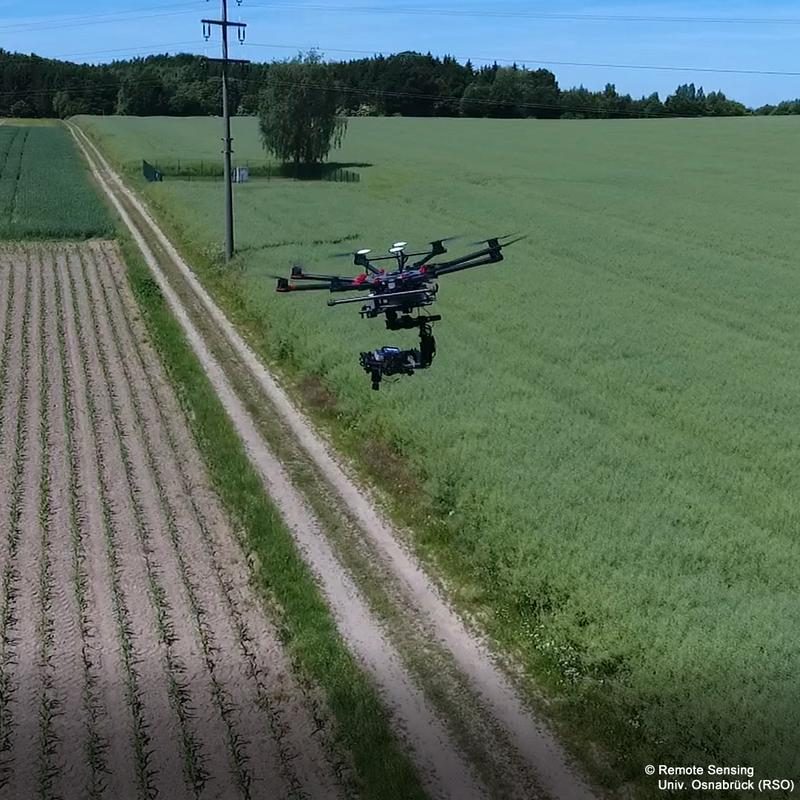
The University of Osnabrück announced its participation in Agri-Gaia on 12 January 2021. The German consortium planned infrastructure that could exchange agricultural data and AI components across manufacturers, connecting sensor collection, model training and subsequent algorithm updates.
Osnabrück’s contribution combined agricultural remote sensing with legal research. Field observations, drone cameras and satellite data were to support crop mapping and predictive models, while legal specialists addressed intellectual-property arrangements and data use. The partners included DFKI, agricultural machinery manufacturers, software businesses and research institutions. This announcement described the project’s original plans and funding context, not the present status of a commercial platform. It remains a useful example of designing data governance alongside the technical pipeline instead of treating it as an afterthought.