463 stories matching “AI”.
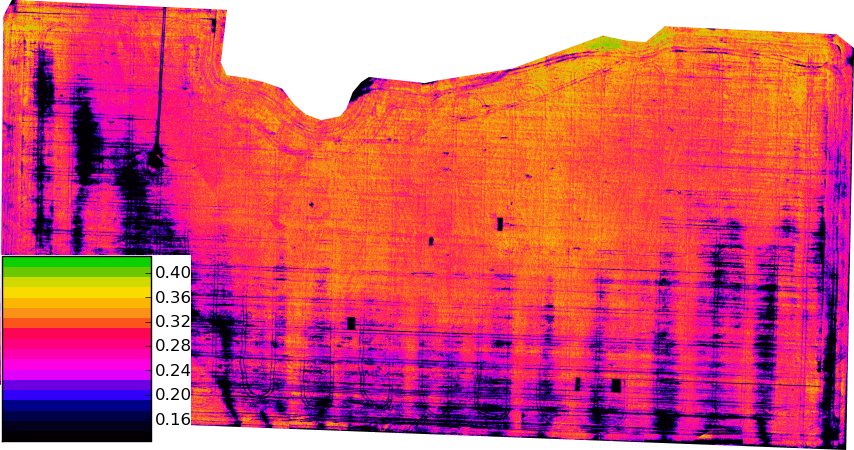
Montana and Washington State researchers tested RGB drone imagery for Potato Virus Y assessment, reporting promising field-level surveillance potential but insufficient performance for dependable diagnosis of individual plants.
Source Montana State University (publication day unspecified; checked 24 October 2026)
A Montana field study found that drone-derived weed maps undercounted weeds compared with a sprayer-mounted camera, with ordinary colour imagery outperforming the tested AI and near-infrared methods for weed counts.
Source Montana State University (publication day unspecified; checked 24 October 2026)
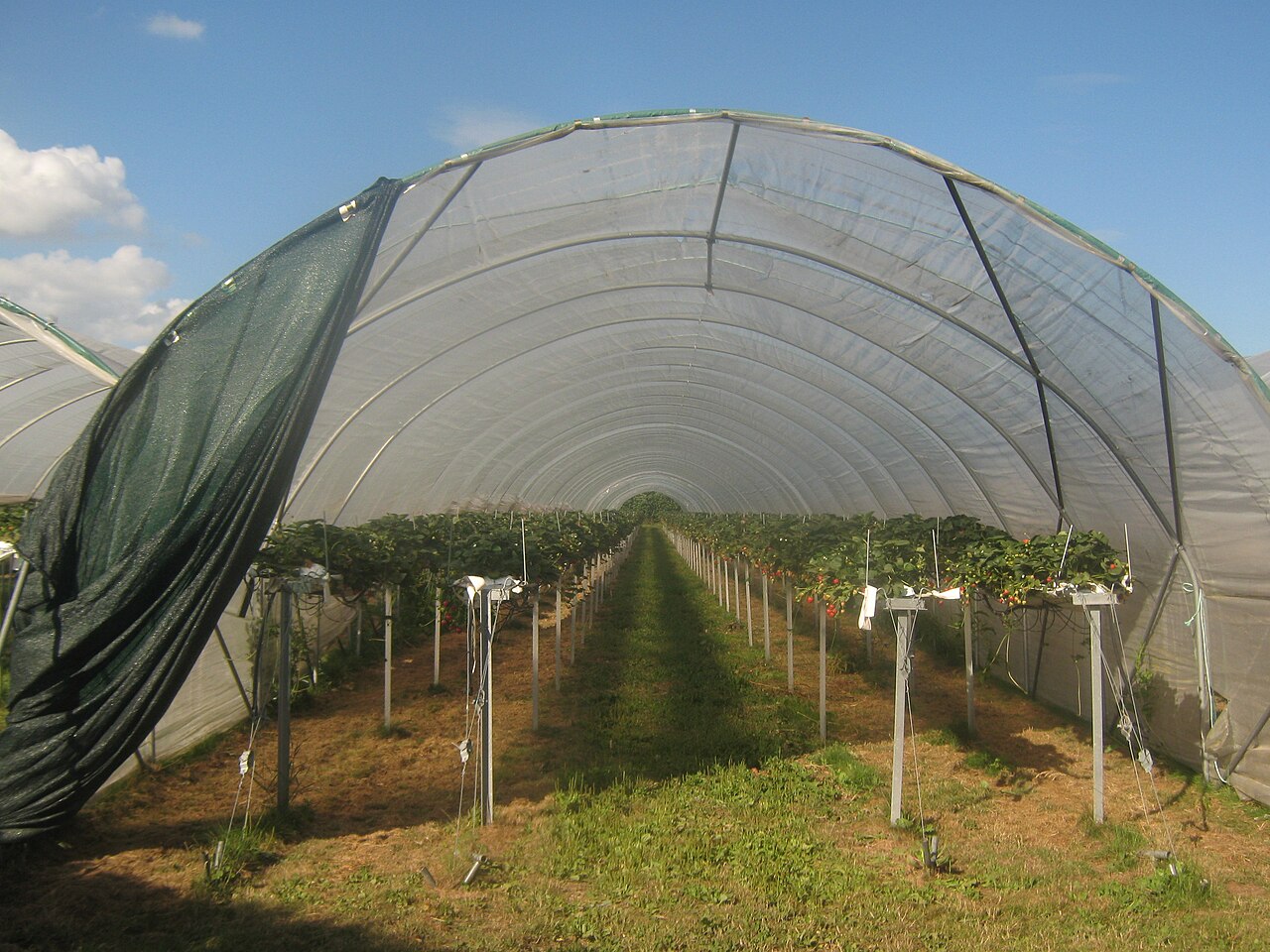
An Ontario strawberry grower is testing KONNEXIO’s agroTRAX platform for nighttime UV-C treatment, while researchers assess disease control and the practical operation of robots in protected berry production.
Source The Grower
The CERBERUS project has started initial field trials of a variable-rate sprayer in Cyprus, testing whether a control system can translate five-dose prescription maps into orchard spray adjustments.
Source CERBERUS project (publication day unspecified; checked 24 October 2026)
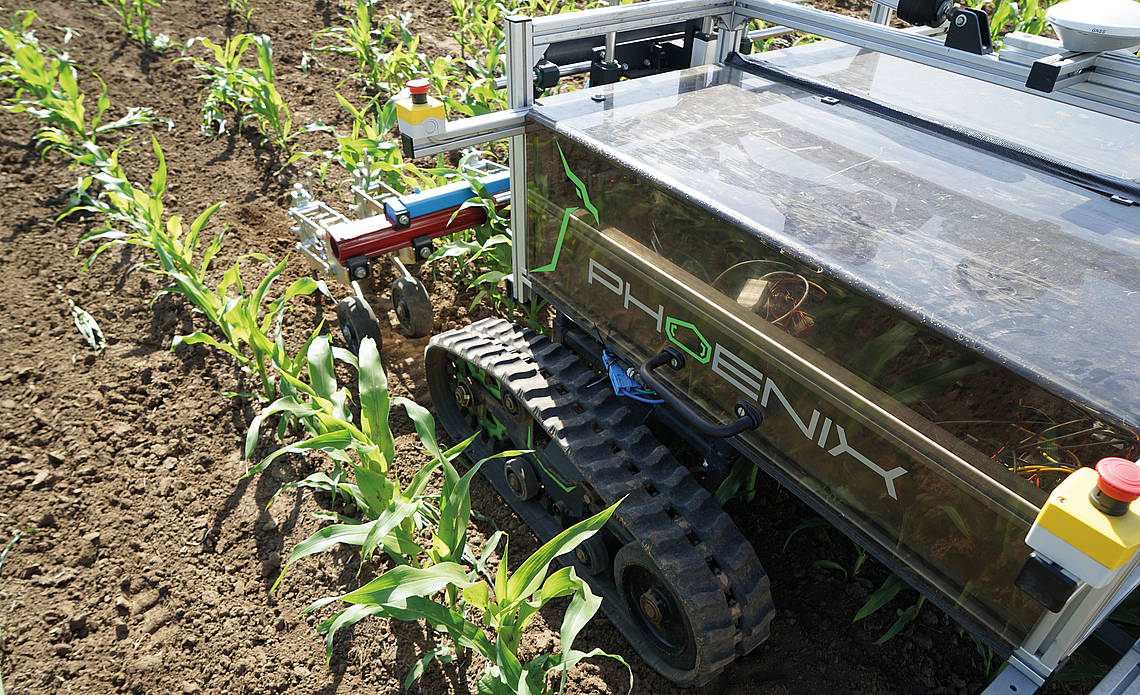
A three-year UC Davis study of 16 orchard operations found that robotic and AI tools still depend on human expertise, changing how work is organised rather than simply removing it.
Source University of California, Davis
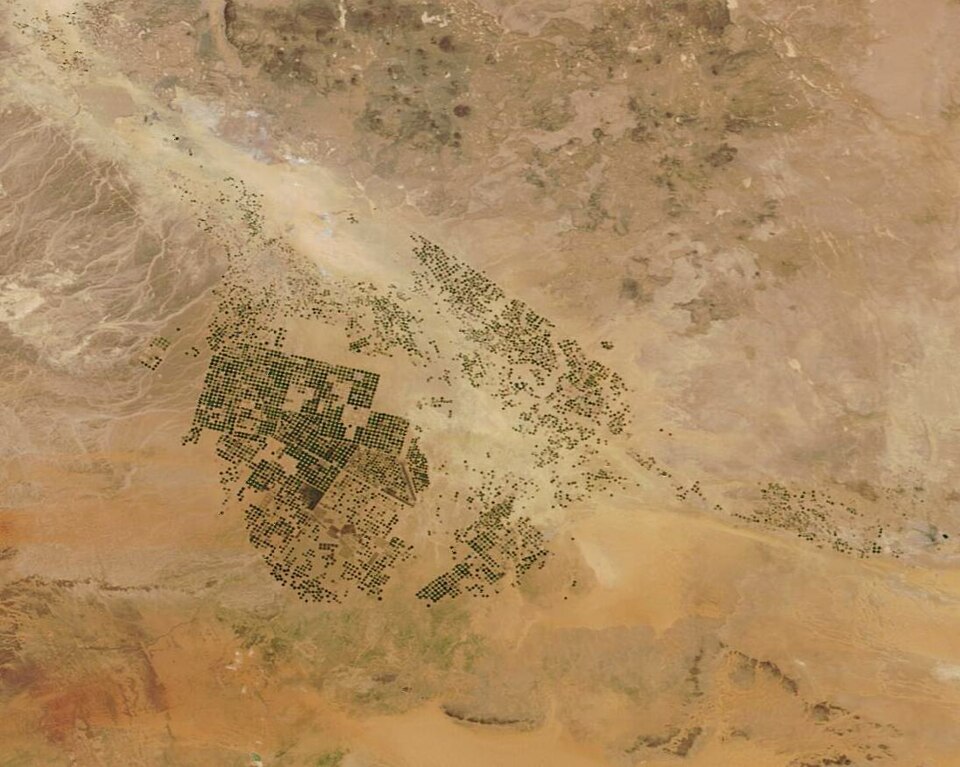
Two open-source models from NASA Harvest and Agmatix interpret vegetation-index time series to estimate current crop stages and separate successive growing cycles, supporting satellite-based agricultural monitoring across different crops.
Source NASA Harvest
Cambridge researchers combined live imaging and gene-expression mapping to show that fungal structures inside rice roots differ in lifespan and nutrient-transfer activity, complicating simple measures of beneficial colonisation.
Source Crop Science Centre, University of Cambridge (publication day unspecified; checked 24 October 2026)
A 56-hour microscopy sequence from Cambridge captures living mycorrhizal structures in motion, giving researchers a dynamic view of plant–fungal partnerships that static images could not previously provide.
Source Crop Science Centre, University of Cambridge (publication day unspecified; checked 24 October 2026)
A Cambridge–Solynta collaboration is developing virus-based delivery of gene-editing components in potatoes, aiming to reduce reliance on tissue culture while progressing towards stable, heritable edits in plants.
Source Crop Science Centre, University of Cambridge (publication day unspecified; checked 24 October 2026)
Cambridge and Copenhagen researchers found that elevated carbon dioxide strengthened rice reliance on beneficial fungi for phosphorus, with the PT11 transporter helping coordinate changes in root nutrient acquisition.
Source Crop Science Centre, University of Cambridge (publication day unspecified; checked 24 October 2026)
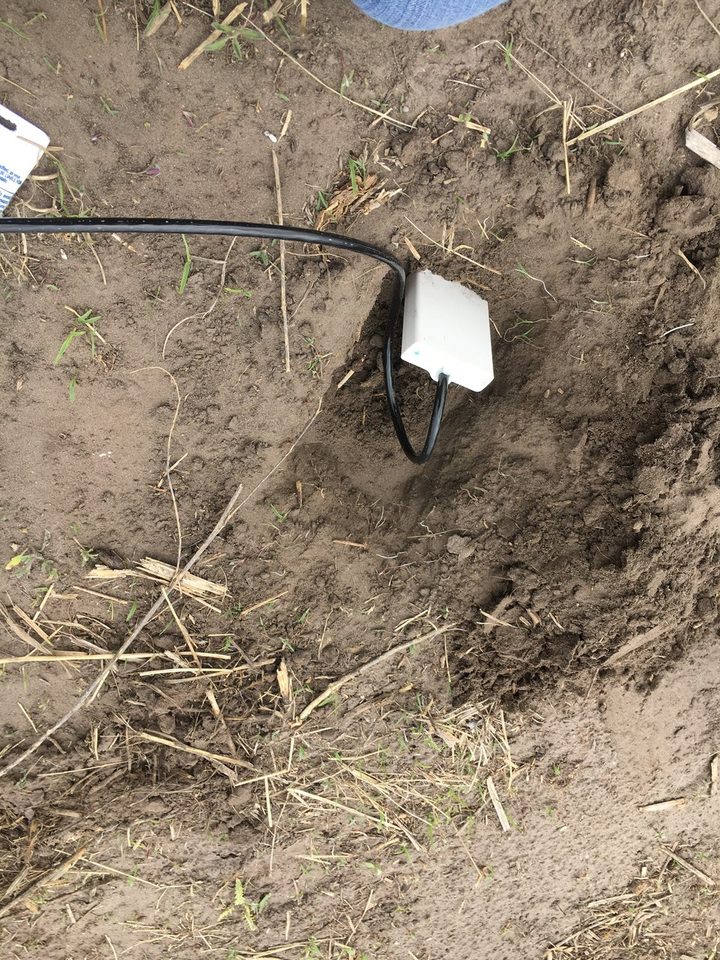
Eight Wageningen researchers received Vidi awards, including projects on soil fungi and crop PFAS contamination, recycled phosphorus availability during drought, and groundwater protection for food production.
Source Wageningen University & Research
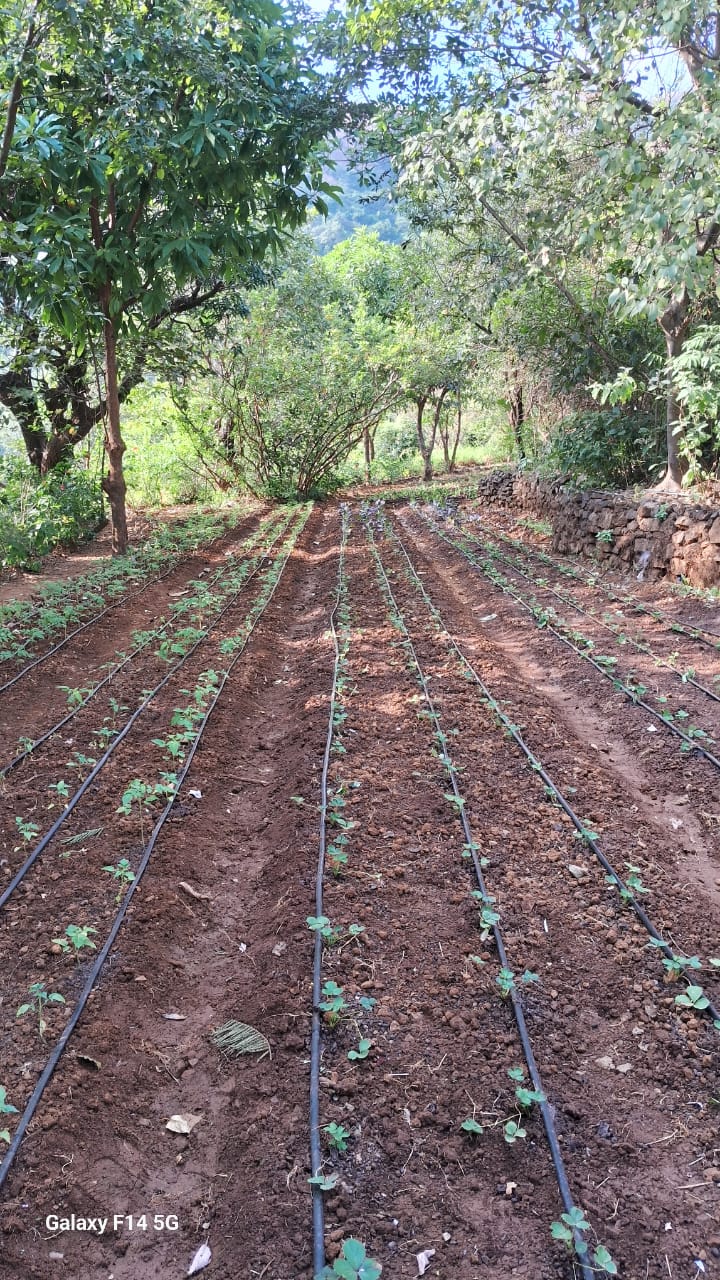
Wageningen researcher Inge de Graaf received a Vidi grant for SAFE-GROUND, a modelling project examining how climate extremes and water demand connect groundwater stress with food production and ecosystems.
Source Wageningen University & Research