274 stories matching “ANT”.
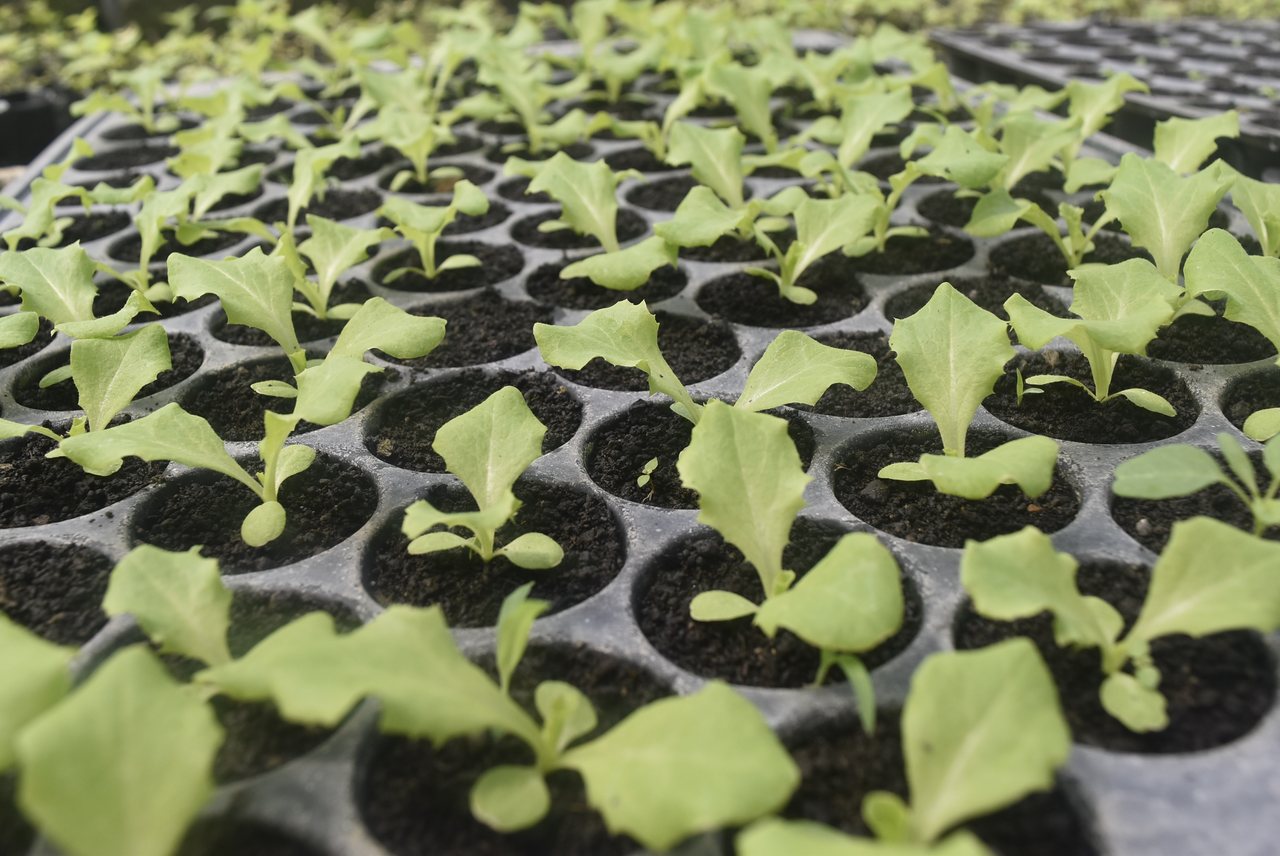
A Cambridge–Solynta collaboration is developing virus-based delivery of gene-editing components in potatoes, aiming to reduce reliance on tissue culture while progressing towards stable, heritable edits in plants.
Source Crop Science Centre, University of Cambridge (publication day unspecified; checked 24 October 2026)
Cambridge and Copenhagen researchers found that elevated carbon dioxide strengthened rice reliance on beneficial fungi for phosphorus, with the PT11 transporter helping coordinate changes in root nutrient acquisition.
Source Crop Science Centre, University of Cambridge (publication day unspecified; checked 24 October 2026)
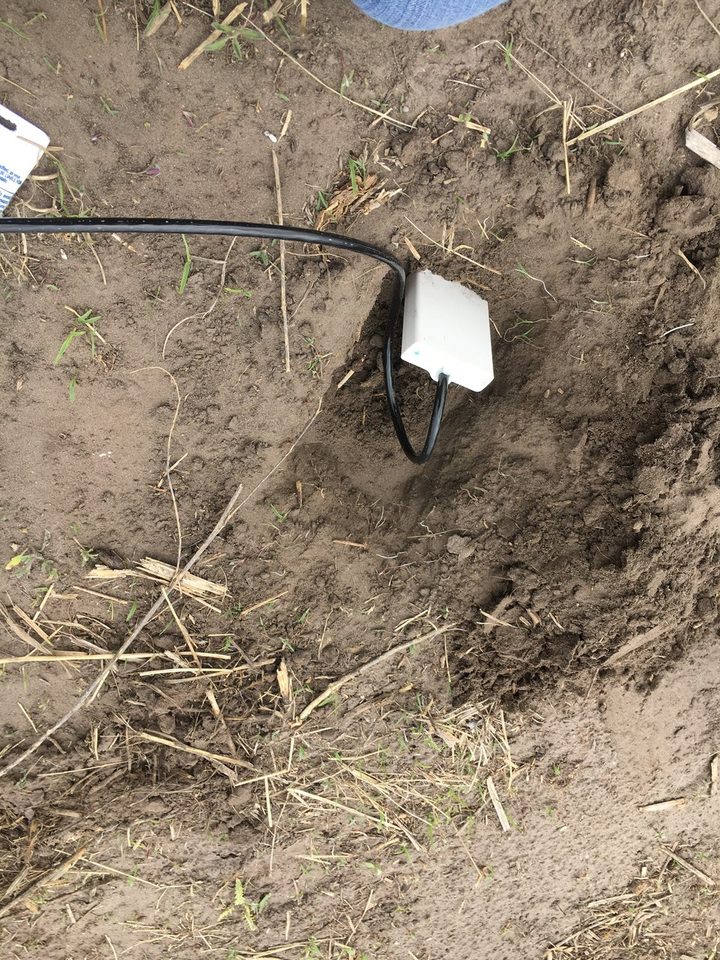
Eight Wageningen researchers received Vidi awards, including projects on soil fungi and crop PFAS contamination, recycled phosphorus availability during drought, and groundwater protection for food production.
Source Wageningen University & Research
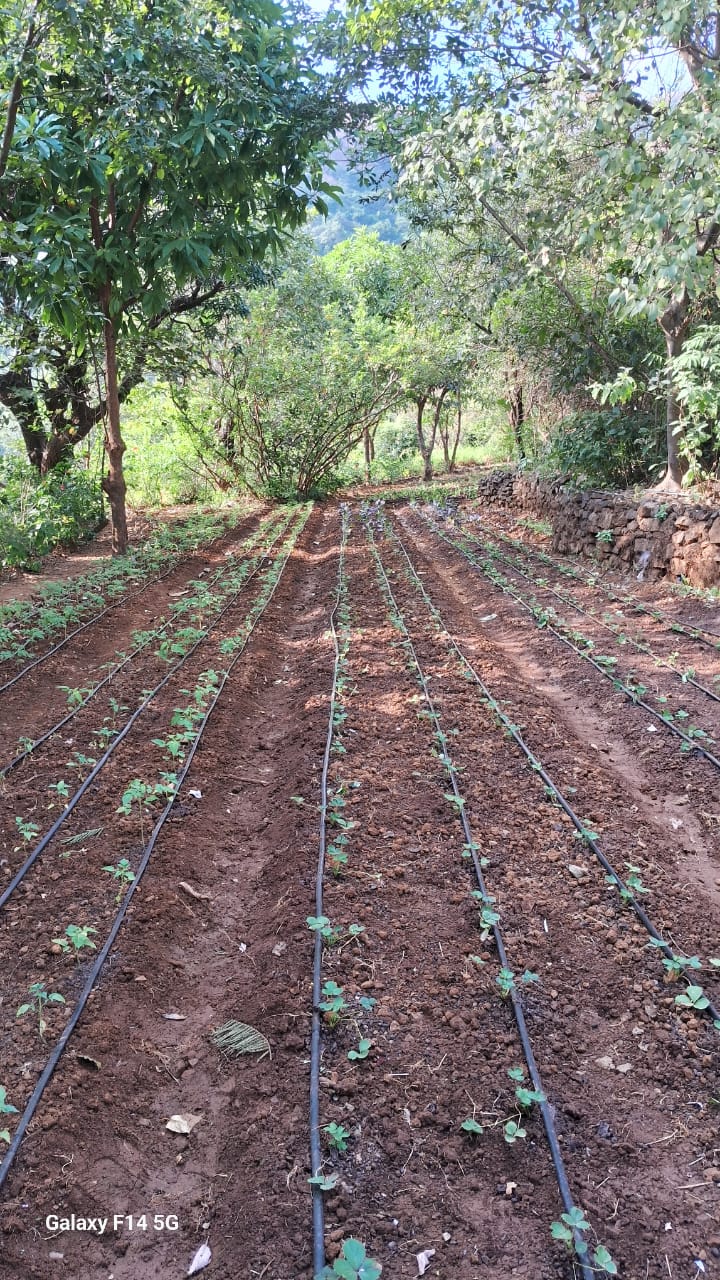
Wageningen researcher Inge de Graaf received a Vidi grant for SAFE-GROUND, a modelling project examining how climate extremes and water demand connect groundwater stress with food production and ecosystems.
Source Wageningen University & Research
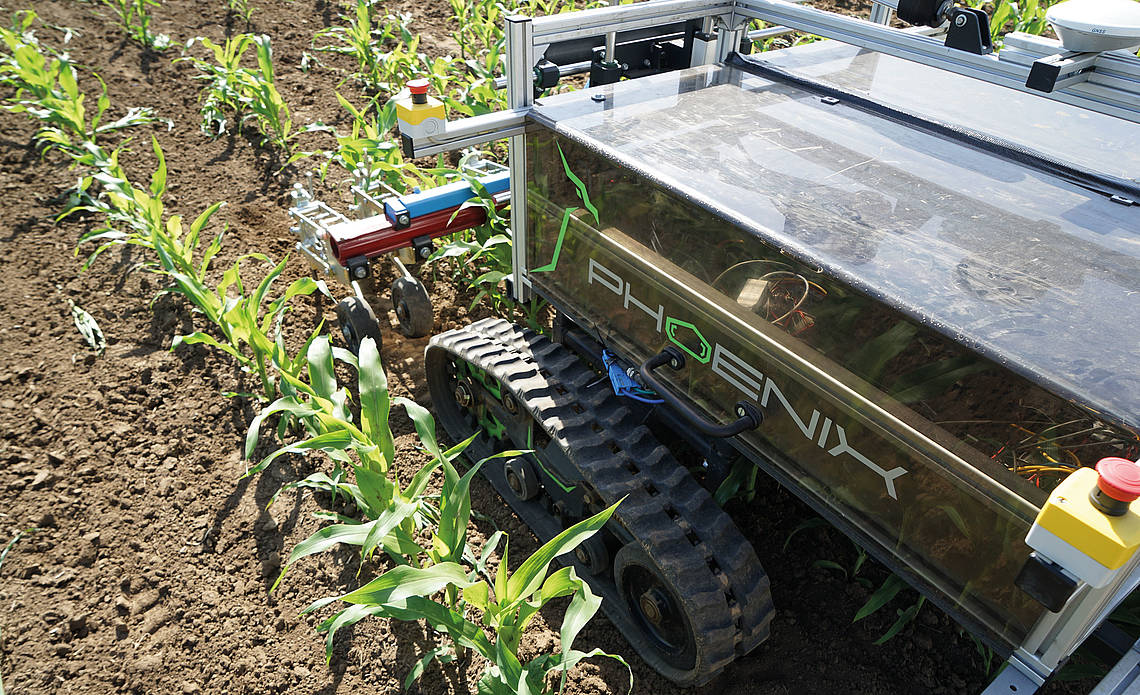
Dorset Council announced testing of Raggy, an electric robot that combines machine vision and mechanical removal to control ragwort where the plant poses a risk to grazing livestock.
Source Dorset Council
Kalfresh reports grower-led trials of camera-guided precision spraying and laser weed control across vegetable crops, assessing technologies intended to reduce unnecessary treatment and improve farm operations.
Source Kalfresh
Defra and Innovate UK announced £20 million for collaborative development of agricultural robots and automation, covering crop production and extending the competition to livestock and selected forestry applications.
Source Defra and Innovate UK
University of Canterbury researchers and Australian partners are developing a platform that combines reflected navigation-satellite signals, ground sensors and environmental models to estimate soil moisture across entire farms.
Source University of Canterbury
The four-year TRITON programme will combine artificial intelligence, crop modelling and gene editing to accelerate breeding for climate resilience, with an emphasis on making research tools accessible internationally.
Source Wageningen University & Research
The EU-funded EVOLVE project will investigate whether signals released by wheat roots can influence beneficial microorganisms, potentially opening routes to improved nutrient use and drought resilience through future breeding.
Source Aarhus University Department of Food Science
A Horticulture Research review examines how gene regulation, genome editing and synthetic networks could improve crop responses to environmental stress while preserving yield and quality in horticultural production.
Source Horticulture Research institutional release via EurekAlert!
UC Davis researchers have linked a natural change in the PvMYB26 gene to reduced bean-pod shattering, offering genetic information that may help breeders work with domesticated beans and their wild relatives.
Source UC Davis Department of Plant Sciences